
Filter
634
Text search:
chemical
release
Featured
86
150
Language
Document type
295
116
99
75
19
18
7
3
1
1
Countries
42
27
24
17
13
13
11
9
9
8
8
8
8
7
7
7
6
6
5
5
5
5
3
3
3
3
3
3
2
2
2
2
2
2
2
1
1
1
1
1
1
1
1
1
1
1
1
1
1
1
1
1
1
1
1
1
1
Authors & Publishers
Publication Years
Category
191
67
48
32
31
23
18
Toolboxes
56
55
46
40
34
32
29
26
26
22
22
13
13
12
10
10
8
7
6
5
5
2
2
1


A practical toolkot
Archives of Medicine vo.7 no.5:10
Individuals infected with human immunodeficiency virus (HIV) often develop
multiple complications and comorbidities, among them, opportunistic infections.
The highest incidence of opportunistic infections was reported in the group
of patients with CD4 lymphocyte
...

Populations affected by emergencies are continually at risk of outbreaks of epidemic-prone diseases and other public health hazards. This operational guidance aims to guide decision-making on when and how to implement and strengthen Early Warning Alert and Response (EWAR) in preparation for and resp
...

The document is a practical toolkit that provides guidance for healthcare facilities on how to prepare for emergencies, including pandemics and other disasters. It explains how to conduct risk assessments using an all-hazards approach, helping facilities identify potential threats such as natural di
...
The Gulf CDC Technical Guide for Rapid Risk Assessments of Acute Public Health Events provides a structured, multi-sectoral approach to evaluate and manage public health threats in Gulf Cooperation Council (GCC) countries. It focuses on rapid, evidence-based assessments (within 2-5 days) to determin
...

The RRT Best Practices Manual
recommended
Key Components of Effective Rapid Response for Food and Feed Emergencies
Western Pacific surveillance and response journal: WPSAR Vol.14 No. 6, Special Edition, pp.1-17
This document assembles these best practices and provides a resource for the proper management of equipment in the laboratory to ensure accurate, reliable and timely testing, and maintain a high level of laboratory performance. Improved equipment management also lowers repair costs, lengthens instru
...

This toolkit lays out a framework for a waterborne disease investigation and consolidates resources to assist investigation activities.
The Waterborne Disease Outbreak Investigation Toolkit was designed to assist state and local health departments in conducting waterborne disease outbreak invest
...

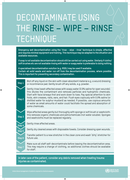
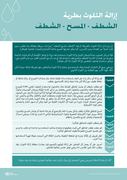
Initial clinical management of patients exposed to clinical weapons: Emergency wet decontamination using the 'rinse-wipe-rinse' technique is simple, effective and requires minimal equipment and training. This technique may be adapted to the situation and available resources.
Also available in Arab
...
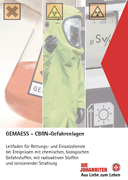
Leitfaden für Rettungs- und Einsatzdienste bei Ereignissen mit chemischen, biologischen Gefahrstoffen, mit radioaktiven Stoffen und ionisierender Strahlung
