
Filter
5146
Text search:
Provision
of
appropriate
care
Featured
500
1509
Language
5057
98
66
47
46
21
16
13
9
8
7
5
5
5
5
5
4
4
4
4
4
4
4
3
3
3
3
3
3
3
3
3
3
3
3
2
2
2
2
2
2
2
2
2
2
1
1
1
1
1
1
1
1
1
1
1
1
1
1
1
1
Document type
2897
736
729
333
247
86
61
39
8
5
2
1
1
Countries
245
208
171
156
135
127
118
117
113
113
110
92
90
89
88
82
76
74
59
56
54
51
49
45
39
38
37
36
36
33
33
32
31
30
28
25
25
24
20
20
19
18
17
17
17
17
17
16
16
13
12
12
11
11
10
10
10
9
8
7
6
6
6
6
6
6
6
6
6
5
5
5
5
4
4
4
4
4
4
4
4
4
4
4
4
3
3
3
3
3
3
3
3
3
2
2
2
2
2
2
2
2
2
2
2
2
2
2
2
2
2
2
1
1
1
1
1
1
1
1
1
1
1
1
1
1
1
1
1
1
1
1
1
1
1
Authors & Publishers
685
201
149
140
110
110
86
77
53
50
36
33
32
31
27
26
24
23
22
22
21
21
20
20
19
19
19
19
19
18
18
18
18
18
17
17
17
16
16
16
16
16
16
15
15
15
14
14
13
13
13
13
12
12
11
11
11
11
11
11
11
11
11
10
10
10
10
10
10
10
10
10
9
9
9
9
9
9
9
9
9
9
9
9
9
8
8
8
8
8
8
8
7
7
7
7
7
7
7
7
7
7
7
7
7
7
7
7
7
7
7
7
7
7
7
7
6
6
6
6
6
6
6
6
6
6
6
6
6
6
6
6
6
6
6
6
6
5
5
5
5
5
5
5
5
5
5
5
5
5
5
5
5
5
5
5
5
5
5
5
5
5
5
5
5
5
5
5
5
5
5
5
4
4
4
4
4
4
4
4
4
4
4
4
4
4
4
4
4
4
4
4
4
4
4
4
4
4
4
4
4
4
4
4
4
4
4
4
4
4
4
4
4
4
4
4
4
4
4
4
4
4
4
3
3
3
3
3
3
3
3
3
3
3
3
3
3
3
3
3
3
3
3
3
3
3
3
3
3
3
3
3
3
3
3
3
3
3
3
3
3
3
3
3
3
3
3
3
3
3
3
3
3
3
3
3
3
3
3
3
3
3
3
3
3
3
3
3
3
3
3
3
3
3
3
3
3
3
3
3
3
3
3
2
2
2
2
2
2
2
2
2
2
2
2
2
2
2
2
2
2
2
2
2
2
2
2
2
2
2
2
2
2
2
2
2
2
2
2
2
2
2
2
2
2
2
2
2
2
2
2
2
2
2
2
2
2
2
2
2
2
2
2
2
2
2
2
2
2
2
2
2
2
2
2
2
2
2
2
2
2
2
2
2
2
2
2
2
2
2
2
2
2
2
2
2
2
2
2
2
2
2
2
2
2
2
2
2
2
2
2
2
2
2
2
2
2
2
2
2
2
2
2
2
2
2
2
2
2
2
2
2
2
2
2
2
2
2
2
2
2
2
2
2
2
2
2
2
2
2
2
2
2
2
2
2
2
2
2
2
2
2
2
2
2
2
2
2
2
2
2
2
2
2
2
2
2
2
2
2
2
2
2
2
2
2
2
2
2
2
2
2
2
2
2
2
2
2
2
2
2
2
2
2
2
2
2
2
2
2
2
2
2
2
2
2
2
2
2
2
2
2
2
2
2
2
2
2
2
2
2
2
2
2
2
2
2
2
2
2
2
2
2
2
2
2
2
2
2
2
2
2
2
2
2
2
2
2
2
2
2
2
2
2
2
2
2
2
2
2
2
2
2
2
2
2
1
1
1
1
1
1
1
1
1
1
1
1
1
1
1
1
1
1
1
1
1
1
1
1
1
1
1
1
1
1
1
1
1
1
1
1
1
1
1
1
1
1
1
1
1
1
1
1
1
1
1
1
1
1
1
1
1
1
1
1
1
1
1
1
1
1
1
1
1
1
1
1
1
1
1
1
1
1
1
1
1
1
1
1
1
1
1
1
1
1
1
1
1
1
1
1
1
1
1
1
1
1
1
1
1
1
1
1
1
1
1
1
1
1
1
1
1
1
1
1
1
1
1
1
1
1
1
1
1
1
1
1
1
1
1
1
1
1
1
1
1
1
1
1
1
1
1
1
1
1
1
1
1
1
1
1
1
1
1
1
1
1
1
1
1
1
1
1
1
1
1
1
1
1
1
1
1
1
1
1
1
1
1
1
1
1
1
1
1
1
1
1
1
1
1
1
1
1
1
1
1
1
1
1
1
1
1
1
1
1
1
1
1
1
1
1
1
1
1
1
1
1
1
1
1
1
1
1
1
1
1
1
1
1
1
1
1
1
1
1
1
1
1
1
1
1
1
1
1
1
1
1
1
1
1
1
1
1
1
1
1
1
1
1
1
1
1
1
1
1
1
1
1
1
1
1
1
1
1
1
1
1
1
1
1
1
1
1
1
1
1
1
1
1
1
1
1
1
1
1
1
1
1
1
1
1
1
1
1
1
1
1
1
1
1
1
1
1
1
1
1
1
1
1
1
1
1
1
1
1
1
1
1
1
1
1
1
1
1
1
1
1
1
1
1
1
1
1
1
1
1
1
1
1
1
1
1
1
1
1
1
1
1
1
1
1
1
1
1
1
1
1
1
1
1
1
1
1
1
1
1
1
1
1
1
1
1
1
1
1
1
1
1
1
1
1
1
1
1
1
1
1
1
1
1
1
1
1
1
1
1
1
1
1
1
1
1
1
1
1
1
1
1
1
1
1
1
1
1
1
1
1
1
1
1
1
1
1
1
1
1
1
1
1
1
1
1
1
1
1
1
1
1
1
1
1
1
1
1
1
1
1
1
1
1
1
1
1
1
1
1
1
1
1
1
1
1
1
1
1
1
1
1
1
1
1
1
1
1
1
1
1
1
1
1
1
1
1
1
1
1
1
1
1
1
1
1
1
1
1
1
1
1
1
1
1
1
1
1
1
1
1
1
1
1
1
1
1
1
1
1
1
1
1
1
1
1
1
1
1
1
1
1
1
1
1
1
1
1
1
1
1
1
1
1
1
1
1
1
1
1
1
1
1
1
1
1
1
1
1
1
1
1
1
1
1
1
1
1
1
1
1
1
1
1
1
1
1
1
1
1
1
1
1
1
1
1
1
1
1
1
1
1
1
1
1
1
1
1
1
1
1
1
1
1
1
1
1
1
1
1
1
1
1
1
1
1
1
1
1
1
1
1
1
1
1
1
1
1
1
1
1
1
1
1
1
1
1
1
1
1
1
1
1
1
1
1
1
1
1
1
1
1
1
1
1
1
1
1
1
1
1
1
1
1
1
1
1
1
1
1
1
1
1
1
1
1
1
1
1
1
1
1
1
1
1
1
1
1
1
1
1
1
1
1
1
1
1
1
1
1
1
1
1
1
1
1
1
1
1
1
1
1
1
1
1
1
1
1
1
1
1
1
1
1
1
1
1
1
1
1
1
1
1
1
1
1
1
1
1
1
1
1
1
1
1
1
1
1
1
1
1
1
1
1
1
1
1
1
1
1
1
1
1
1
1
1
1
1
1
1
1
1
1
1
1
1
1
1
1
1
1
1
1
1
1
1
1
1
1
1
1
1
1
1
1
1
1
1
1
1
1
1
1
1
1
1
1
1
1
1
1
1
1
1
1
1
1
1
1
1
1
1
1
1
1
1
1
1
1
1
1
1
1
1
1
1
1
1
1
1
1
1
1
1
1
1
1
1
1
1
1
1
1
1
1
1
1
1
1
1
1
1
1
1
1
1
1
1
1
1
1
1
1
1
1
1
1
1
1
1
1
1
1
1
1
1
1
1
1
1
1
1
1
1
1
1
1
1
1
1
1
1
1
1
1
1
1
1
1
1
1
1
1
1
1
1
1
1
1
1
1
1
1
1
1
1
1
1
1
1
1
1
1
1
1
1
1
1
1
1
1
1
1
1
1
1
1
1
1
1
1
1
1
1
1
1
1
1
1
1
1
1
1
1
1
1
1
1
1
1
1
1
1
1
1
1
1
1
1
1
1
1
1
1
1
1
1
1
1
1
1
1
1
1
1
1
1
1
1
1
1
1
1
1
1
1
1
1
1
1
1
1
1
1
1
1
1
1
1
1
1
1
1
1
1
1
1
1
1
1
1
1
1
1
1
1
1
1
1
1
1
1
1
1
1
1
1
1
1
1
1
1
1
1
1
1
1
1
1
1
1
1
1
1
1
1
1
1
1
1
1
1
1
1
1
1
1
1
1
1
1
1
1
1
1
1
1
1
1
1
1
1
1
1
1
1
1
1
1
1
1
1
1
1
1
1
1
1
1
1
1
1
1
1
1
1
1
1
1
1
1
1
1
1
1
1
1
1
1
1
1
1
1
1
1
1
1
1
1
1
1
1
1
1
1
1
1
1
1
1
1
1
1
1
1
1
1
1
1
1
1
1
1
1
1
1
1
1
1
1
1
1
1
1
1
1
1
1
1
1
1
1
1
1
1
1
1
1
1
1
1
1
1
1
1
1
1
1
1
1
1
1
1
1
1
1
1
1
1
1
1
1
1
1
1
1
1
1
1
1
1
1
1
1
1
1
1
1
1
1
1
1
1
1
1
1
1
1
1
1
1
1
1
1
1
1
1
1
1
1
1
1
1
1
1
1
1
1
1
1
1
1
1
1
1
1
1
1
1
1
1
1
1
1
1
1
1
1
1
1
1
1
1
1
1
1
1
1
1
1
1
1
1
1
1
1
1
1
1
1
1
1
1
1
1
1
1
1
1
1
1
1
1
1
1
1
1
1
1
1
1
1
1
1
1
1
1
1
1
1
1
1
1
1
1
1
1
1
1
1
1
1
1
1
1
1
1
1
1
1
1
1
1
1
1
1
1
1
1
1
1
1
1
1
1
1
1
1
1
1
1
1
1
1
1
1
1
1
1
1
1
1
1
1
1
1
1
1
1
1
1
1
1
1
1
1
1
1
1
1
1
1
1
1
1
1
1
1
1
1
1
1
1
1
1
1
1
1
1
1
1
1
1
1
1
1
1
1
1
1
1
1
1
1
1
1
1
1
1
1
1
1
1
1
1
1
1
1
1
1
1
1
1
1
1
1
1
1
1
1
1
1
1
1
1
1
1
1
1
1
1
1
1
1
1
1
1
1
1
1
1
1
1
1
1
1
1
1
1
1
1
1
1
1
1
1
1
1
1
1
1
1
1
1
1
1
1
1
1
1
1
1
1
1
1
1
1
1
1
1
1
1
1
1
1
1
1
1
1
1
1
1
1
1
1
1
1
1
1
1
1
1
1
1
1
1
1
1
1
1
1
1
1
1
1
1
1
1
1
1
1
1
1
1
1
1
1
1
1
1
1
1
1
1
1
1
1
1
1
1
1
1
1
1
1
1
1
1
1
1
1
1
1
1
1
1
1
1
1
1
1
1
1
1
1
1
1
1
1
1
1
1
1
1
1
1
1
1
1
1
1
1
1
1
1
1
1
1
1
1
1
1
1
1
1
1
1
1
1
1
1
1
1
1
1
1
1
1
1
1
1
1
1
1
1
1
1
1
1
1
1
1
1
1
1
1
1
1
1
1
1
1
1
1
1
1
1
1
1
1
1
1
1
1
1
1
1
1
1
1
1
1
1
1
1
1
1
1
1
1
1
1
1
1
1
1
1
1
1
1
1
1
1
1
1
1
1
1
1
1
1
1
1
1
1
1
1
1
1
1
1
1
1
1
1
1
1
1
1
1
1
1
1
1
1
1
1
1
1
1
1
1
1
1
1
1
1
1
1
1
1
1
1
1
1
1
1
1
1
1
1
1
1
1
1
1
1
1
1
1
1
1
1
1
1
1
1
1
1
1
1
1
1
1
1
1
1
1
1
1
1
1
1
1
1
1
1
1
1
1
1
1
1
1
1
1
1
1
1
1
1
1
1
1
1
1
1
1
1
1
1
1
1
1
1
1
1
1
1
1
1
1
1
1
1
1
1
1
1
1
1
1
1
1
1
1
1
1
1
1
1
1
1
1
1
1
1
1
1
1
1
1
1
1
1
1
1
1
1
1
1
1
1
1
1
1
1
1
1
1
1
1
1
1
1
1
1
1
1
1
1
1
1
1
1
1
1
1
1
1
1
1
1
1
1
1
1
1
1
1
1
1
1
1
1
1
1
1
1
1
1
1
1
1
1
1
1
1
1
1
1
1
1
1
1
1
1
1
1
1
1
1
1
1
1
1
1
1
1
1
1
1
1
1
1
1
1
1
1
1
1
1
1
1
1
1
1
1
1
1
1
1
1
1
1
1
1
1
1
1
1
1
1
1
1
1
1
1
1
1
1
1
1
1
1
1
1
1
1
1
1
1
1
1
1
1
1
1
1
1
1
1
1
1
1
1
1
1
1
1
1
1
1
1
1
1
1
1
1
1
1
1
1
1
1
1
1
1
1
1
1
1
1
1
1
1
1
1
1
1
1
1
1
1
1
1
1
1
1
1
1
1
1
1
1
1
1
1
1
1
1
1
1
1
1
1
1
1
1
1
1
1
1
1
1
1
1
1
1
1
1
1
1
1
1
1
1
1
1
1
1
1
1
1
1
1
1
1
1
1
1
1
1
1
1
1
1
1
1
1
1
1
1
1
1
1
1
1
1
1
1
1
1
1
1
1
1
1
1
1
1
1
1
1
1
1
1
1
1
1
1
1
1
1
1
1
1
1
1
1
1
1
1
1
1
1
1
1
1
1
1
1
1
1
1
1
1
1
1
1
1
1
1
1
1
1
1
1
1
1
1
1
1
1
1
1
1
1
1
1
1
1
1
1
1
1
1
1
1
1
1
1
1
1
1
1
1
1
1
1
1
1
1
1
1
1
1
1
1
1
1
1
1
1
1
1
1
1
1
1
1
1
1
1
1
1
1
1
1
1
1
1
1
1
1
1
1
1
1
1
1
1
1
1
1
1
1
1
1
1
1
1
1
1
1
1
1
1
1
1
1
1
1
1
1
1
1
1
1
1
1
1
1
1
1
1
1
1
1
1
1
1
1
1
1
1
1
1
1
1
1
1
1
1
1
1
1
1
1
1
1
1
1
1
1
1
1
1
1
1
1
1
1
1
1
1
1
1
1
1
1
1
1
1
1
1
1
1
1
1
1
1
1
1
1
1
1
1
1
1
1
1
1
1
1
1
1
1
1
1
1
1
1
1
1
1
1
1
1
1
1
1
1
1
1
1
1
1
1
1
1
1
1
1
1
1
1
1
1
1
1
1
1
1
1
1
1
1
1
1
1
1
1
1
1
1
1
1
1
1
1
1
1
1
1
1
1
1
1
1
1
1
1
1
1
1
1
1
1
1
1
1
1
1
1
1
1
1
1
1
1
1
1
1
1
1
1
1
1
1
1
1
1
1
1
1
1
1
1
1
1
1
1
1
1
1
1
1
1
1
1
1
1
1
1
1
1
1
1
1
1
1
1
1
1
1
1
1
1
1
1
1
1
1
1
1
1
1
1
1
1
1
1
1
1
1
1
1
1
1
1
1
1
1
1
1
1
1
1
1
1
1
1
1
1
1
1
1
1
1
1
1
1
1
1
1
1
1
1
1
1
1
1
1
1
1
1
1
1
1
1
1
1
1
1
1
1
1
1
1
1
1
1
1
1
1
1
1
1
1
1
1
1
1
1
1
1
1
1
1
1
1
1
1
1
1
1
1
1
1
1
1
1
1
1
1
1
1
1
1
1
1
1
1
1
1
1
1
1
1
1
1
1
1
1
1
1
1
1
1
1
1
1
1
1
1
1
1
1
1
1
1
1
1
1
1
1
1
1
1
1
1
1
1
1
1
1
1
1
1
1
1
1
1
1
1
1
1
1
1
1
1
1
1
1
1
1
1
1
1
1
1
1
1
1
1
1
1
1
1
1
1
1
1
1
1
1
1
1
1
1
1
1
1
1
1
1
1
1
1
1
1
1
1
1
1
1
1
1
1
1
1
1
1
1
1
1
1
1
1
1
1
1
1
1
1
1
1
1
1
1
1
1
1
1
1
1
1
1
1
1
1
1
1
1
1
1
1
1
1
1
1
1
1
1
1
1
1
1
1
1
1
1
1
1
1
1
1
1
1
1
1
1
1
1
1
1
1
1
1
1
1
1
1
1
1
1
1
1
1
1
1
1
1
1
1
1
1
1
1
1
1
1
1
1
1
1
1
1
1
1
1
1
1
1
1
1
1
1
1
1
1
1
1
1
1
1
1
1
1
1
1
1
1
1
1
1
1
1
1
1
1
1
1
1
1
1
1
1
1
1
1
1
1
1
1
1
1
1
1
1
1
1
1
1
1
1
1
1
1
1
1
1
1
1
1
1
1
1
1
1
1
1
1
1
1
1
1
1
1
1
1
1
1
1
1
1
1
1
1
1
1
1
1
1
1
1
1
1
1
1
1
1
1
1
1
1
1
1
1
1
1
1
1
1
1
1
1
1
1
1
1
1
1
1
1
1
1
1
1
1
1
1
1
1
1
1
1
1
1
1
1
1
1
1
1
1
1
1
1
1
1
1
1
1
1
1
1
1
1
1
1
1
1
1
1
1
1
1
1
1
1
1
1
1
1
1
1
1
1
1
1
1
1
1
1
1
1
1
1
1
1
1
1
1
1
1
1
1
1
1
1
1
1
1
1
1
1
1
1
1
1
1
1
1
1
1
1
1
1
1
1
1
1
1
1
1
1
1
1
1
1
1
1
1
1
1
1
1
1
1
1
1
1
1
1
1
1
1
1
1
1
1
1
1
1
1
1
1
1
1
1
1
1
1
1
1
1
1
1
1
1
1
1
1
1
1
1
1
1
1
1
1
1
1
1
1
1
1
1
1
1
1
1
1
1
1
1
1
1
1
1
1
1
1
1
1
1
1
1
1
1
1
1
1
1
1
1
1
1
1
1
1
1
1
1
1
1
1
1
1
1
1
1
1
1
1
1
1
1
1
1
1
1
1
1
1
1
1
1
1
1
1
1
1
1
1
1
1
1
1
1
1
1
1
1
1
1
1
1
1
1
1
1
1
1
1
1
1
1
1
1
1
1
1
1
1
1
1
1
1
1
1
1
1
1
1
1
1
1
1
1
1
1
1
1
1
1
1
1
1
1
1
1
1
1
1
1
1
1
1
1
1
1
1
1
1
1
1
1
1
1
1
Publication Years
1408
3172
541
23
2
Category
2186
388
331
323
293
115
40
1
Toolboxes
390
357
285
217
199
183
176
145
120
117
104
98
92
87
87
82
66
65
43
41
36
33
22
22
19
4

This trainer toolkit is a guide for Neglected Tropical Diseases (NTD) program implementers in Nigeria to train primary health care health workers to diagnose and provide care for women and girls wi
...
th symptoms of female genital schistosomiasis (FGS). It has been developed based on a pilot study in Ogun State where 22 health facilities were trained on using the FGS tools. The trainer guide should be used alongside the ‘Health Worker Training Guide for managing FGS within primary health care’. Trainers should familiarise themselves with this manual before the training to ensure that all aspects of the training are conducted effectively.
more

This resulting toolkit is a practical guide intended to assist users to become advocates for palliative care in a practical and effective
way. It is not necessarily a resource to read from cover to cover; rather, it can also be used selectivel
...
y to each reader’s needs to engage audiences and ensure that there is a real understanding of the need for palliative care. It should also be read in conjunction with the supplementary resources listed at the end of each of the toolkit’s sections.
more

Prevention of mother-to-child HIV transmission (PMTCT) has been a success in many respects
but there is still much to do to eliminate mother-to child transmission (MTCT), particularly in low
antiretroviral therapy (ART) coverage areas and in the p
...
ostnatal phase. The success of PMTCT is
highly dependent on the availability and accessibility of patient-centred care, which enables women
and their families to take informed decisions about their health and the health of their infant. For
this reason, it is recommended to have a patient-centred approach when implementing PMTCT.
PMTCT success is also linked to the partners’ involvement, as well as to community acceptance
of HIV.
more

The objectives of this guidance document are to:
1. Strengthen the capacity of country teams to effectively scale up and manage programmes to address severe acute malnutrition
2. Extend th ... e geographic reach of quality treatment for SAM to all vulnerable communities in need
3. Maximize access to appropriate and quality treatment for SAM among all eligible children in the community at all times
4. Aid the formulation and implementation of national policies and strategies that support objectives 1 to 3
5. Aid the creation of an enabling environment that supports objectives 1 to 3 through advocacy, documentation of successful practices, support for operational research, mobilization of resources and collaboration with partners more
1. Strengthen the capacity of country teams to effectively scale up and manage programmes to address severe acute malnutrition
2. Extend th ... e geographic reach of quality treatment for SAM to all vulnerable communities in need
3. Maximize access to appropriate and quality treatment for SAM among all eligible children in the community at all times
4. Aid the formulation and implementation of national policies and strategies that support objectives 1 to 3
5. Aid the creation of an enabling environment that supports objectives 1 to 3 through advocacy, documentation of successful practices, support for operational research, mobilization of resources and collaboration with partners more
CHWs demonstrated social commitment and purpose in the short term observed. The evaluation of the training of CHWs revealed that most demonstrated the necessary skills for referrals to prevent compl
...
ications, caring for newborns and their mothers at home immediately after discharge from health care centers. CHW upskilling training on maternal-newborn services should be prioritized in the most affected areas.
more
National Guidelines for the Treatment of Malaria - 2019
South African Malaria Elimination Committee (SAMC)
National Department of Health South Africa
(2019)
CC
These guidelines are based on the 3rd Edition of the WHO Guidelines (Published 2015) World Health Organization’s Guidelines for the treatment of malaria. Additional literature surveys have been un
...
dertaken. Factors that were considered in the choice of therapeutic options included effectiveness, safety, and impact on malaria transmission and on the emergence and spread of antimalarial drug resistance. On-going surveillance is critical given the spread of artemisinin resistance in Southeast Asia, although not yet confirmed anywhere in Africa. The guidelines on the treatment of malaria in South Africa aim to facilitate effective, appropriate and timeous treatment of malaria, thereby reducing the burden of this disease in our communities. This is essential to further reduce the malaria case fatality rates currently recorded in South Africa, to decrease malaria transmission and to limit resistance to antimalarial drugs.
more
Nurses are critical to deliver on the promise of “leaving no one behind” and the global effort to achieve the Sustainable Development Goals (SDGs). They make a central contribution to national and global targets related to a range
...
of health priorities, including universal health coverage, mental health and noncommunicable diseases, emergency preparedness and
response, patient safety, and the delivery of integrated, people-centred care.
No global health agenda can be realized without concerted and sustained efforts to maximize the contributions of the nursing workforce and their roles within interprofessional health teams. To do so requires policy interventions that enable them to have maximum impact and effectiveness by optimizing nurses’ scope and leadership, alongside accelerated investment
in their education, skills and jobs. Such investments will also contribute to the SDG targets related to education, gender, decent work and inclusive economic growth.
This State of the world’s nursing 2020 report, developed by the World Health Organization (WHO) in partnership with the International Council of Nurses and the global Nursing Now campaign, and with the support of governments and wider partners, provides a compelling case on the value of the nursing workforce globally.
more

The full-scale invasion of Ukraine has caused a deterioration in the level of access to health-care services and medicines in the country, particul
...
arly for people living in regions close to the front line and areas that are not partially or fully controlled by the Government of Ukraine, and for people who have been internally displaced. Cost and time constraints involved in getting to and from health facilities, as well as limited transportation options were the main barriers to accessing essential health-care services. At the same time, the findings show that the country’s health system remains resilient and that overall access to health services is fairly high.This report is based on data collected through a quantitative cross-sectional survey of self-reported health needs of the general population in Ukraine. It presents results of the first round survey conducted in September 2022 and could help to address the specific health-care needs of the population groups concerned.
more

Despite gains in childhood survival, more effort is needed to improve the well-being of children with developmental delays and disabilities. All children, including children with developmental delays and disabilities, need nurturing
...
care. Nurturing care can contribute to preventing developmental delays and protect children who are exposed to risk factors, as well as improve functioning and long-term outcomes for children with developmental disabilities. This Brief outlines why and how nurturing care is relevant for children with developmental delays and disabilities. Recognizing that these children have diverse needs requiring different levels of coordinated and family-centred support, it recommends a set of actions to strengthen policies, services, communities and caregiver capabilities so that these children receive nurturing care.
more
Ukraine. Sitrep 2026: Fifth year of war: deepening humanitarian needs and impact on the HIV Response
As the war in Ukraine enters its fifth year, the humanitarian crisis continues to deepen, with profound consequences for access to essential services, including health care.
Modern warfare tactics, including the widespread use
...
of drones and repeated attacks on critical infrastructure, are increasing civilian harm and fundamentally reshaping how health services are delivered, especially in conflict-affected settings.
more
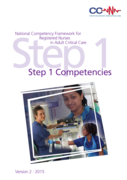
tep 1 Competencies have been designed to provide staff with the core skills required to care for a critically ill patient safely, whilst under supervision. It is expected that Step 1 competencies will be completed prior to commencing an academic cri
...
tical care programme.
Steps 2 & 3 Competencies have been designed to further develop your essential critical care skills and will require enhanced theoretical knowledge to underpin your practice. It is anticipated that Steps 2 & 3 competencies will be undertaken whilst undertaking an academic critical care programme.
Step 4 Competencies have been designed to provide staff with the core skills required to take charge in a critical care unit; building management and leadership capability into your professional development, to demonstrate safe and effective coordination and prioritisation of unit workload, workforce and resources.
You can downlaod any of the Steps Competency Documents from this link
more
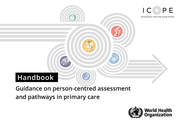
The ICOPE guidance for person-centred assessment and pathways in primary care (ICOPE Handbook) helps community health and care workers put the recommendations outlined in the ICOPE Guidelines into p
...
ractice. The Handbook assists with setting person-centred goals, screening for loss in a range of domains of intrinsic capacity and assessing health and social care needs to develop a personalised care plan. The care plan may include multiple interventions to manage declines in intrinsic capacity, provide social care and support, support self-management and support caregivers. The domains of intrinsic capacity include cognitive decline, limited mobility, malnutrition, visual impairment, hearing loss and depressive symptoms.
more

As countries commit to achieving universal health coverage, it is imperative to ensure that the design and delivery of palliative care services place attention on quality
...
of care, with action needed across all domains of quality health services: effectiveness, safety, people-centredness, timeliness, equity, integration and efficiency. Providing compassionate, dignified and people-centred palliative care is an ethical responsibility of health systems.
This document provides a practical resource to support implementation of sustainable improvements in the quality of palliative care. It describes approaches to quality policy, strategy and planning for palliative care programmes and services, presents learning on quality of care arising from palliative care programmes, and offers considerations on measurement of quality palliative care services at all levels of the health system. The document also highlights relevant WHO resources available that further support the development of quality palliative care services.
The audience for this document is a general one that includes policy-makers, palliative care service planners, managers, practitioners and health care providers at all levels.
more

As part of our commitment to the fight against NCDs, Nigeria was signatory to the political declaration at the UN General Assembly High Level Meeting on NCDs in September 2011. Thus, the purpose
...
of this document is to develop and ensure the implementation of policies and programmes that will engender and guarantee a healthy lifestyle and quality health for all Nigerians. The core sections include background, scope of the policy, policy goal, strategic thrusts for implementation, programme management and coordination, roles of stakeholders and partnership coordination. It is expected that with the adoption of this policy, the control and prevention of NCDs and their associated risk factors will be well integrated at all levels of government and health care delivery system in Nigeria. This policy document is therefore a stepping stone towards the development of guidelines for the prevention and management of NCDs.
more
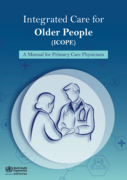
The manual has been designed in a comprehensive manner, the aim being to provide a holistic approach to the short-term development of human resources, with a focus on primary care physicians. This i
...
s a reference manual meant for primary care physicians who will provide care to older people in primary health care facilities. The information on old age care is meant to be incorporated into the everyday clinical practice of primary care physicians. This manual will help to enhance the knowledge and skills of physicians. It is expected that the use of the manual will improve the approach to issues of old age and promote holistic care of older people, which will ultimately improve their quality of life.
more

The Updated guidelines on Management of tuberculosis in children and adolescents include new recommendations that cover diagnostic approaches for TB, shorter treatment for children with non-severe drug-susceptible TB, a new option for the treatment
...
of TB meningitis, the use of bedaquiline and delamanid in young children with multidrug- and rifampicin-resistant TB and decentralized and family-centred, integrated models of care for TB case detection and prevention in children and adolescents.
more
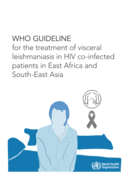
The leishmaniases are a group of diseases caused by Leishmania spp., which occur in cutaneous, mucocutaneous and visceral forms. They are neglected tropical diseases (NTDs), which disproportionately affect marginalized populations who have limited a
...
ccess to health care. HIV co-infected patients with Leishmania infection are highly infectious to sandflies, and an increase in the coinfection rate in an endemic area is likely to increase the effective infective reservoir.
more

The World Food Programme (WFP) has taken important steps to progress disability inclusion across its programming and operations. In late 2022, WFP commissioned the Nossal Institute, University of Melbourne in partnership with the Faculty
...
of Psychology, Universitas Gadjah Mada, Indonesia to identify pathways for increasing disability inclusion in WFP’s emergency preparedness and response (EPR) programming.
The study explored WFP’s programming in Indonesia and the Philippines, including WFP’s advisory, technical assistance and service provision roles to government and partners and informed the development of this guide (see appendix 2). As general guidance on disability inclusion is increasingly available, the purpose of this guide is to contextualize disability inclusion in WFP’s emergency preparedness and response programming. The guide builds on core reference materials, such as the Inter-Agency Standing Committee (IASC) Guidelines on Inclusion of Persons with Disabilities in Humanitarian Action, 2019. While of wider relevance, this guide is directed at WFP’s EPR programming in Asia and the Pacific.
more
The article is a scoping review that explores the challenges in diagnosing asthma in children in three sub-Saharan African countries: Nigeria, South Africa, and Uganda. It identifies key barriers, such as a lack of community awareness, inadequate he
...
althcare access, limited diagnostic tools like spirometry, and insufficient knowledge among healthcare workers. The review also highlights the stigma associated with asthma and the absence of relevant diagnostic guidelines. Solutions proposed include community education, development and adherence to diagnostic guidelines, and strengthening healthcare systems. The study aims to inform policymakers and healthcare providers to improve asthma diagnosis and care for children in these regions.
more

Medical devices are used for the prevention, diagnosis and treatment of illness and diseases and for rehabilitation. WHO developed guidance on medical device donation in 2011, which has been now reviewed, with new evidence, new references on conside
...
rations for medical device solicitation and provision, risks associated with inappropriate donations, the responsibilities of donors and recipient, and the steps they should follow before, during and after a donation. It includes three sections: description of major problems that may be faced during the donation process, listing of best practices for donors and recipients and addressing situations requiring special attention. It also has three annexes for further reading: the criteria for the acceptability of a donation, literature review on donations of medical devices between 2010 and 2023 and a flyer. This document is intended to improve the quality of medical devices donations, including medical equipment, single-use medical devices and in-vitro diagnostics, to provide maximum benefit to all stakeholders. The considerations can be used to develop institutional or national policies and regulations for medical devices donations. This document is intended for use by any organization, expert or practitioner involved in the donation, procurement, management of medical devices, including health workers, biomedical engineers, health managers, policymakers, donors, nongovernmental organizations and academic institutions.
more
