
Filter
612
Text search:
paraguay
Featured
30
186
Language
Document type
318
138
60
29
19
12
12
9
6
4
4
Countries
200
118
40
22
19
17
14
12
12
9
8
5
5
5
5
4
4
4
3
3
3
3
2
2
2
2
1
1
1
1
1
1
1
1
1
1
1
1
1
1
1
1
1
1
1
1
1
Authors & Publishers
Publication Years
Category
324
29
26
24
20
11
2
Toolboxes
67
56
43
40
24
17
17
13
12
11
11
9
8
7
6
6
5
3
3
2
2
2
1
1
Las enfermedades no transmisibles (ENT), entre las que se incluyen lasenfermedades cardiovasculares (ECV), el cáncer, las enfermedades respiratoriascrónicas (ERC) y la diabetes, son las principales causas de muerte y discapacidaden la Región de las Américas. En el 2021, las ENT ocasionaron 6 mil
...
The 2024 World Malaria Report shows that the malaria burden remains overwhelmingly concentrated in Africa. The continent accounted for 94% of global cases and 95% of malaria-related deaths in 2023. Although the number of malaria cases increased globally from 204 million in 2000 to 246 million in 202
...
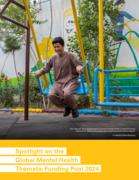
Promoting and protecting the mental health and psychosocial wellbeing of children, adolescents, and their caregivers remains undamental to achieving the Sustainable Development Goals (SDGs), with a direct contribution to SDG 3 (Good Health and Well- eing). In 2024, UNICEF accelerated the scale-up o
...

Abrupt reductions in international HIV assistance in 2025 have deepened existing funding shortfalls. The OECD estimates that external health assistance is projected to drop by 30–40% in 2025 compared with 2023, causing immediate and even more severe disruption to health services in low- and middle
...

World malaria report 2025
recommended
Addressing the threat of antimalarial drug resistance. This year’s report spotlights the growing threat of antimalarial drug resistance. Partial resistance to artemisinin derivatives – the backbone of malaria treatments after failures of chloroquine and sulfadoxine-pyrimethamine – has now b
...

Technical Brief
Progress on the sustainable development goals.

Weekly epidemiological record.
This report presents progress made in 2023–2024 towards the 2030 targets set in Ending the neglect to attain the Sustainable Development Goals: a road map for neglected tropical diseases 2021–2030 (the road map), including several important analytical updates
La idea de escribir un libro sobre el cambio climático y la salud, como quinto y último de esta serie a propósito de los 120 años que cumple la OPS, refleja la colaboración de la organización con los profesionales del país. Este libro intenta compilar una buena parte de la información cientÃ
...
El Plan Nacional de Enfermería 2026-2031, titulado "Construyendo el futuro de la Enfermería en Guatemala", constituye un hito estratégico para el fortalecimiento del sistema de salud nacional. Su elaboración responde a la necesidad impostergable de dignificar la profesión de enfermería, elevar
...
La dimensión ambiental y los esfuerzos para combatir el cambio climático forman parte de la estrategia que propone la Comisión Económica para América Latina y el Caribe (CEPAL) para lograr el desarrollo sostenible en América Latina y el Caribe y enfrentar las trampas que obstaculizan el progre
...
