
Filter
1832
Text search:
financial
constraints
Featured
143
567
Language
1809
36
28
23
19
11
8
3
2
2
1
1
1
1
1
1
1
1
1
1
1
1
1
1
Document type
1025
379
179
106
86
21
20
13
2
1
Countries
100
53
53
50
48
47
47
46
45
43
41
35
32
29
29
29
28
26
26
25
24
20
20
19
15
15
14
13
13
12
12
12
11
10
10
10
10
9
9
8
8
8
8
8
7
6
6
6
6
5
5
5
4
4
4
4
3
3
3
3
3
3
3
3
3
2
2
2
2
2
2
2
2
2
1
1
1
1
1
1
1
1
1
1
1
1
1
1
1
1
1
1
1
1
1
1
1
1
1
1
1
Authors & Publishers
225
64
52
49
46
40
29
22
21
17
11
11
11
10
10
10
10
9
9
9
8
8
8
8
8
7
7
7
7
7
6
6
6
6
6
5
5
5
5
5
5
5
5
5
5
5
5
5
5
5
5
4
4
4
4
4
4
4
4
4
4
4
4
4
4
4
4
4
4
4
4
4
4
4
4
3
3
3
3
3
3
3
3
3
3
3
3
3
3
3
3
3
3
3
3
3
3
3
3
3
3
3
3
3
3
3
3
3
3
3
3
3
3
2
2
2
2
2
2
2
2
2
2
2
2
2
2
2
2
2
2
2
2
2
2
2
2
2
2
2
2
2
2
2
2
2
2
2
2
2
2
2
2
2
2
2
2
2
2
2
2
2
2
2
2
2
2
2
2
2
2
2
2
2
2
2
2
2
2
2
2
2
2
2
2
2
2
2
2
2
2
2
2
2
2
2
2
2
2
2
2
2
2
2
2
2
2
2
2
2
2
2
2
2
2
2
2
2
2
2
2
2
2
2
2
2
2
2
2
2
2
2
2
2
2
2
2
2
1
1
1
1
1
1
1
1
1
1
1
1
1
1
1
1
1
1
1
1
1
1
1
1
1
1
1
1
1
1
1
1
1
1
1
1
1
1
1
1
1
1
1
1
1
1
1
1
1
1
1
1
1
1
1
1
1
1
1
1
1
1
1
1
1
1
1
1
1
1
1
1
1
1
1
1
1
1
1
1
1
1
1
1
1
1
1
1
1
1
1
1
1
1
1
1
1
1
1
1
1
1
1
1
1
1
1
1
1
1
1
1
1
1
1
1
1
1
1
1
1
1
1
1
1
1
1
1
1
1
1
1
1
1
1
1
1
1
1
1
1
1
1
1
1
1
1
1
1
1
1
1
1
1
1
1
1
1
1
1
1
1
1
1
1
1
1
1
1
1
1
1
1
1
1
1
1
1
1
1
1
1
1
1
1
1
1
1
1
1
1
1
1
1
1
1
1
1
1
1
1
1
1
1
1
1
1
1
1
1
1
1
1
1
1
1
1
1
1
1
1
1
1
1
1
1
1
1
1
1
1
1
1
1
1
1
1
1
1
1
1
1
1
1
1
1
1
1
1
1
1
1
1
1
1
1
1
1
1
1
1
1
1
1
1
1
1
1
1
1
1
1
1
1
1
1
1
1
1
1
1
1
1
1
1
1
1
1
1
1
1
1
1
1
1
1
1
1
1
1
1
1
1
1
1
1
1
1
1
1
1
1
1
1
1
1
1
1
1
1
1
1
1
1
1
1
1
1
1
1
1
1
1
1
1
1
1
1
1
1
1
1
1
1
1
1
1
1
1
1
1
1
1
1
1
1
1
1
1
1
1
1
1
1
1
1
1
1
1
1
1
1
1
1
1
1
1
1
1
1
1
1
1
1
1
1
1
1
1
1
1
1
1
1
1
1
1
1
1
1
1
1
1
1
1
1
1
1
1
1
1
1
1
1
1
1
1
1
1
1
1
1
1
1
1
1
1
1
1
1
1
1
1
1
1
1
1
1
1
1
1
1
1
1
1
1
1
1
1
1
1
1
1
1
1
1
1
1
1
1
1
1
1
1
1
1
1
1
1
1
1
1
1
1
1
1
1
1
1
1
1
1
1
1
1
1
1
1
1
1
1
1
1
1
1
1
1
1
1
1
1
1
1
1
1
1
1
1
1
1
1
1
1
1
1
1
1
1
1
1
1
1
1
1
1
1
1
1
1
1
1
1
1
1
1
1
1
1
1
1
1
1
1
1
1
1
1
1
1
1
1
1
1
1
1
1
1
1
1
1
1
1
1
1
1
1
1
1
1
1
1
1
1
1
1
1
1
1
1
1
1
1
1
1
1
1
1
1
1
1
1
1
1
1
1
1
1
1
1
1
1
1
1
1
1
1
1
1
1
1
1
1
1
1
1
1
1
1
1
1
1
1
1
1
1
1
1
1
1
1
1
1
1
1
1
1
1
1
1
1
1
1
1
1
1
1
1
1
1
1
1
1
1
1
1
1
1
1
1
1
1
1
1
1
1
1
1
1
1
1
1
1
1
1
1
1
1
1
1
1
1
1
1
1
1
1
1
1
1
1
1
1
1
1
1
1
1
1
1
1
1
1
1
1
1
1
1
1
1
1
1
1
1
1
1
1
1
1
1
1
1
1
1
1
1
1
1
1
1
1
1
1
1
1
1
1
1
1
1
1
1
1
1
1
1
1
1
1
1
1
1
1
1
1
1
1
1
1
1
1
1
1
1
1
1
1
1
1
1
1
1
1
1
1
1
1
1
1
1
1
1
1
1
1
1
1
1
1
1
1
1
1
1
1
1
1
1
1
1
1
1
1
1
1
1
1
1
1
1
1
1
1
1
1
1
1
1
1
1
1
1
1
1
1
1
1
1
1
1
1
1
1
1
1
1
1
1
1
1
1
1
1
1
1
1
1
1
1
1
1
1
1
1
1
1
1
1
1
1
1
1
1
1
1
1
1
1
1
1
1
1
1
1
1
1
1
1
1
1
1
1
1
1
1
1
1
1
1
1
1
1
1
1
1
1
1
1
1
1
1
1
1
1
1
1
1
1
1
1
1
1
1
1
1
1
1
1
1
1
1
1
1
1
1
1
1
1
1
1
1
1
1
1
1
1
1
1
1
1
1
1
1
1
1
1
1
1
1
1
1
1
1
1
1
1
1
1
1
1
1
1
1
1
1
1
1
1
1
1
1
1
1
1
1
1
1
1
1
1
1
1
1
1
1
1
1
1
1
1
1
1
1
1
1
1
1
1
1
1
1
1
1
1
1
1
1
1
1
1
1
1
1
1
1
1
1
1
1
1
1
1
1
1
1
1
1
1
1
1
1
1
1
1
1
1
1
1
1
1
1
1
1
1
1
1
1
1
1
1
1
1
1
1
1
1
1
1
1
1
1
1
1
1
1
1
1
1
1
1
1
1
1
1
1
1
1
1
1
1
1
1
1
1
1
1
1
1
1
1
1
1
1
1
1
1
1
1
1
1
1
1
1
1
1
1
1
1
1
1
1
1
1
1
1
1
1
1
1
1
1
1
1
1
1
1
1
1
1
1
1
1
1
1
1
1
1
1
1
1
1
1
1
1
1
1
1
1
1
1
1
1
1
1
1
1
1
1
1
1
1
1
1
1
1
1
1
1
1
1
1
1
1
1
1
1
1
1
1
1
1
1
1
1
1
1
1
1
1
1
1
1
1
1
1
1
1
1
1
1
1
1
1
1
1
1
1
1
1
1
1
1
1
1
1
1
1
1
1
1
1
1
1
1
1
1
1
1
1
1
1
1
1
1
1
1
1
1
1
1
1
1
1
1
1
1
1
1
1
1
1
1
1
1
1
1
1
1
1
1
1
1
1
1
1
1
1
1
1
1
1
1
1
1
1
1
1
1
1
1
1
1
1
1
1
1
1
1
1
1
1
1
1
1
1
1
1
1
1
1
1
1
1
1
1
1
1
1
1
1
1
1
1
1
1
1
1
1
1
1
1
1
1
1
1
1
1
1
1
1
1
1
1
1
1
1
1
1
1
1
1
1
1
1
1
1
1
1
1
1
1
1
1
1
1
1
1
1
1
1
1
1
1
1
1
1
1
1
1
1
1
1
1
1
1
1
1
1
1
1
1
1
1
1
1
1
1
1
1
1
1
1
1
1
1
1
1
1
1
1
1
1
1
1
1
1
1
1
1
1
1
1
1
1
1
1
1
1
1
1
1
1
1
1
1
1
1
1
1
1
1
1
1
1
1
1
1
1
1
1
Publication Years
539
1079
203
10
1
Category
765
218
118
78
72
30
12
1
Toolboxes
113
98
87
84
68
66
59
56
49
45
45
42
38
38
38
31
30
26
23
13
11
10
4
4
4
3
Monitoring HIV impact using population-based surveys
UNAIDS (Joint United Nations Programme on HIVAIDS); World Health Organization (WHO)
UNAIDS (Joint United Nations Programme on HIVAIDS); World Health Organization (WHO)
(2015)
C2
UNAIDS/WHO Working group
HIV/AIDS and STI surveillance 2015 / Reference
Securing the future from drug-resistant infections
Interagency Coordination Group on Antimicrobial Resistance IAGG
World Health Organisation WHO
(2019)
C_WHO
Antimicrobial resistance is a global crisis that threatens a century of progress in health and achievement of the Sustainable Development Goals. There is no time to wait. Unless the world acts urgently, antimicrobial resistance will have disastrous impact within a generation.
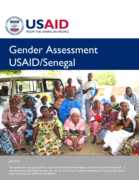
As part of the new strategy preparation, USAID/Senegal requested assistance with a gender assessment. This study was conducted from March 20 to April 11, 2010. It was supported jointly by the Women in Development Indefinite Quantity Contract (WID IQC) Task Order 1 ShortTerm Technical Assistance and
...
Training (STTA&T) and the USAID/Senegal mission. In addition to conducting a literature review, the team made site visits in the cities and towns of Dakar, Thiès, Kaolack, and Tambacounda and villages near each of them. These offered examples of key gender issues in Senegal, including gender disparities in access to education, unequal allocation of land and other productive resources, and gender-based violence (such as domestic violence, female genital cutting [FGC], and rape), as well as examples of USAID/Senegal‟s programming to address these problems.
more
The current trend in AMR in Uganda and globally is rising and calls for immediate action. The 71st UN General Assembly (UNGA), the 68th World Health Assembly, and organizations including the World Health Organization (WHO), the Food and Agriculture Organization (FAO), and the World Organization for
...
Animal Health (OIE), have agreed on a set of actions that member countries such as Uganda are committed to implement. The Government of Uganda (GoU) has put in place a framework through this National AMR Action Plan to address the threat AMR poses to the welfare of the peoples of Uganda. The Action Plan sets out a coordinated and collaborative One Health approach involving key stakeholders in government and other sectors to confront the threat and shall be coordinated by a Uganda National Antimicrobial Resistance Committee (UNAMRC).
more

The product of all this work is the Standard Treatment Guideline and Essential Medicines List of Common Medical Conditions in the Kingdom of Swaziland. These systematically developed statements are designed to assist practitioners in making decisions about appropriate treatment for specific clinical
...
conditions. They are meant to reflect expert consensus based on a review of current and published scientific evidence of acceptable approaches to diagnosis, man-agement, or prevention of specific conditions.It is enlightening to note that section A of the document contains the STG, and effort has been made to have the conditions commonly encountered in Swaziland classified according to systems. Written in simple, clear language, each section consists of a short definition followed by common symptoms and signs of the disease or condition and then management (pharmacological and nonpharmacological)
more

The infectious disease burden in India is among the highest in the world. A large amount of antibiot-ics are consumed in fighting infections, some of them saving lives, but every use adding to antibiotic resistance in bacteria. Antibiotic use is increasing steadily (table 1), particularly
...
certain antibiotic classes (beta-lactam antibacterials), most notably in the more prosperous states. Resistance follows in lock-step.
more
Antibiotics and other antimicrobial agents are invaluable life savers, particularly in resource-limited countries where infectious diseases are abundant. Both uncomplicated and severe infections are potentially curable as long as the aetiological agents are susceptible to the
...
antimicrobial drugs. The rapid rate with which antimicrobial agents are becoming ineffective due to resistance acquired as a result of unchecked overuse and misuse threatens to undo the benefit of controlling infections. The evidence for resistant microorganisms, many times to more than a single antimicrobial agent, has been observed globally. In Tanzania, there is evidence in the form of few scattered studies conducted in different parts of the country in a multitude of settings including health care facilities, the community, domesticated animals and wild animals
more
Antimicrobial resistance is one of the most important threats to the health worldwide. Antimicrobial resistance or drug resistance is the reduction of the pharmaceutical effects of a drug against a disease or reduction of its effectiveness in improving the clinical signs of a disease. Antimicrobial
...
resistance occurs naturally but misuse of antibiotics in human and animals significantly accelerates the process of developing antimicrobial resistance. In fact, antimicrobial resistance refers to the resistance of a microorganism to one or more antimicrobial drugs which had been previously sensitive to these drugs. Antimicrobial resistance can occur in a wide variety of pathogens including bacteria, parasites, viruses, fungi, and cancer cells and may threaten the life of every person, in every age, and in every country
more
Analysis on World about Agriculture, Food and Nutrition and more; published on 23 Sep 2021 by ECA, ECLAC and 3 other organizations
The following Emergency Response Plan for the COVID-19 pandemic seeks to set out activities that will be undertaken by humanitarian actors in Ukraine over the course of 2020 to respond to the public health impact of the epidemic – as well as the indirect, socio-economic impact on people’s well-b
...
eing, which will span across many areas. Given the extensive public exposure of the COVID-19 threat, the response will cover the whole of Ukraine, while providing a distinct focus on Donetska and Luhanska oblasts that have been ravaged by an armed conflict for the last six consecutive years. The planned COVID-19 response in the two conflict-affected oblasts will be treated as an annex to the current Humanitarian Response Plan for Ukraine
more
The “United Nations Framework for the immediate socio-economic response to COVID-19: Shared responsibility, global solidarity and urgent action for people in need” calls for protecting jobs, businesses and livelihoods to set in motion a safe recovery of societies and economies as soon as possibl
...
e for a more sustainable, gender-equal, and carbon-neutral path—better than the “old normal”.
more
South Africa reported it fist case of COVID-19 on 5 March 2020. While the first cases were imported, local transmission has led to a rapid increase in the number of cases. As of 21 April 2020, more than 3,400 cases and 58 deaths had been confirmed. On 15 March, President Cyril Ramaphosa declared a n
...
ational state of disaster, and the government has since taken several measures to curb the spread of the virus, including closing borders, implementing strict social distancing measures and a 35-day nation-wide lockdown. These measures, along with the global economic shock caused by the pandemic, are expected to generate rising needs requiring an immediate and urgent response. Although South Africa is considered an upper-middle-income country, the amount of disparities—social, economic, and gender—make the country particularly vulnerable during this emergency.
more
The interim Emergency Response Preparedness (ERP) guidance is designed to be a short technical step-by-step guide aimed at non-Humanitarian Response Plan (HRP) countries to support the development, or strengthening, of preparedness measures to ensure that country teams are operationally ready to imp
...
lement activities to address the potential non-health impacts of the COVID-19 pandemic and its compound effect on existing risks. The interim guidance is based on the IASC 2015 ERP Guidance.
more
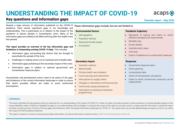
This report provides an overview of the key information gaps and limitations in interpreting existing COVID-19 data

1 June 2020
Countries around the world are facing the challenge of increased demand for care of people with COVID-19, compounded by fear, misinformation and limitations on movement that disrupt the delivery of health care for all conditions. Maintaining essential health services: operational guidan
...
ce for the COVID-19 context recommends practical actions that countries can take at national, subregional and local levels to reorganize and safely maintain access to high-quality, essential health services in the pandemic context. It also outlines sample indicators for monitoring essential health services, and describes considerations on when to stop and restart services as COVID-19 transmission recedes and surges. This document expands on the content of pillar 9 of the COVID-19 strategic preparedness and response plan, supersedes the earlier Operational guidance for maintaining essential health services during an outbreak, and complements the recently-released Community-based health care, including outreach and campaigns, in the context of the COVID-19 pandemic. It is intended for decision-makers and managers at the national and subnational levels.
This is an update to COVID-19: Operational guidance for maintaining essential health services during an outbreak: Interim guidance, 25 March 2020
more
Policy Brief 2 June 2020
The COVID-19 pandemic is a health and human crisis threatening the food security and nutrition of millions of people around the world. Hundreds of millions of people were already suffering from hunger and malnutrition before the virus hit and, unless immediate action is tak
...
en, we could see a global food emergency. In the longer term, the combined effects of COVID-19 itself, as well as corresponding mitigation measures and the emerging global recession could, without large-scale coordinated action, disrupt the functioning of food systems. Such disruption can result in consequences for health and nutrition of a severity and scale unseen for more than half a century.
more
This policy paper underscores that, although children do not represent a high-risk group for direct COVID-19 fatality, the pandemic posts far-reaching secondary impacts that heighten risks to African children’s rights and wellbeing.
Geographical Paper No. 177
Accessed on: 18.06.2020
he central Sahel region—Burkina Faso, Mali and Niger—is facing a severe humanitarian and protection crisis.
Massive displacement, most of it driven by intense and largely indiscriminate violence perpetrated by a range of armed actors against civilian populations, is taking place across the regi
...
on. While internal displacement is on the rise substantial numbers of refugees have fled to neighboring countries, and the situation risks spilling over into the coastal countries of Benin, Côte d'Ivoire, Ghana, and Togo.
This context is exacerbated by the COVID-19 pandemic, which is already affecting areas hosting refugees and IDPs
more
In 2021, the humanitarian community continued to support those in need, placing protection at the centre of its response. Learning from and building on past efforts, humanitarian actors will continue to respond and adapt their response to the various shocks impacting populations in Cameroon, such as
...
violence against civilians, natural disasters, and epidemics, including the COVID-19 pandemic.
more
