Filter
729
Text search:
school
meals
Featured
62
235
Language
Document type
380
134
89
39
29
25
13
7
7
5
1
Countries
36
30
27
26
21
19
18
17
17
17
16
16
14
14
13
13
12
12
11
9
8
8
7
7
6
6
6
6
6
6
5
5
5
5
4
4
4
4
4
4
4
3
3
3
3
3
2
2
2
2
2
2
2
2
2
2
2
1
1
1
1
1
1
1
1
1
1
1
1
1
1
1
1
1
1
1
1
1
1
1
1
1
1
1
1
1
1
1
1
1
Authors & Publishers
Publication Years
Category
321
60
51
50
43
34
Toolboxes
90
50
39
32
22
22
22
22
20
19
18
17
11
8
7
7
7
4
3
2
2
2
1
1
1
After five consecutive below-average rains, the humanitarian crisis in the Horn of Africa is expanding and deepening.
Combined with insecurity and macroeconomic volatility, the impact of the drought on food and nutrition security has been devastating. Across Ethiopia, Kenya and Somalia, an estima
...
The report discusses the epidemiological and social aspects of ageing, health and functional changes experienced with ageing, the impact of physical activity, assessment of the nutritional status of older persons, and nutritional guidelines for healthy ageing.
PERC produces regional and member state situation analyses, updated regularly.
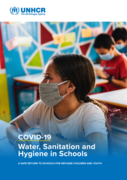
This document presents the results of a survey assessing the WASH readiness of schools in UNHCR-supported refugee camps and refugee settlements. UNHCR and partners are using the results to improve water, sanitation and hygiene (WASH) COVID-19 mitigation measures in schools and design targeted improv
...
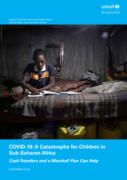
The well-being of children in sub-Saharan Africa is under siege from all directions since the advent of the COVID-19 pandemic. The region is now suffering its first-ever economic recession, pushing about 50 million people into extreme poverty, a majority of whom are children.
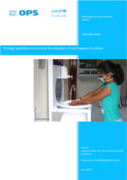
Concepte Note, June 2022
As the COVID-19 pandemic continues to threaten health and food systems around the world, the 2020 Global Nutrition Report calls on governments, businesses and civil society to step up efforts to address malnutrition in all its forms.
This guidance note developed by UNICEF is intended to help WASH staff in their preparedness and response to the current COVID-19 pandemic. It provides an overview of Infection Prevention and Control (IPC) and its intersection with water, sanitation and hygiene (WASH), and how staff can help prevent
...
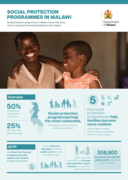
Social protection programmes in Malawi ensure that those most in need get the essential assistance they require.Social protection programmes help the most vulnerable, including the elderly, ultra-poor, disabled, and children
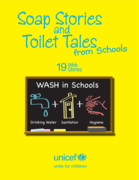
Water, sanitation and hygiene education in schools – WASH in Schools – provides safe drinking water, improves sanitation facilities and promotes lifelong health. WASH in Schools enhances the well-being of children and their families, and paves the way for new generations of healthy children.
f
...

Education in emergencies is a young area; the evidence of its impact is often anecdotal, and although its status as a humanitarian concern has gained legitimacy in recent years, it has yet to be accepted across the humanitarian community. Much more needs to be done to enhance our understanding of t
...
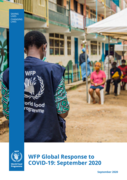
The COVID-19 pandemic is a multiplier of vulnerability, compounding threats to food insecurity, while exposing weaknesses in food and health systems. It is severely undermining the capacity of communities to cope in times of crisis and has become a stress test for political and economic stability.
Today, WFP has the capabilities and know-how to tap into mobile technology and artificial intelligence to monitor food security; use satellite technology to locate and track communities in need; and offer digital finance via blockchain technology to put consumer choices in the hands of our beneficia
...
A review of current literature and up date data from the field, April 2015.
This report has been published in part in J Hosp Inf. 2015;90:1-9.
http://www.ncbi.nlm.nih.gov/pubmed/?term=ebola+nosocomial+shears