
Filter
687
Text search:
resuscitation
Featured
108
187
Language
Document type
331
180
59
59
19
12
6
6
5
5
2
2
1
Countries
67
26
24
22
20
15
13
13
13
12
11
11
9
9
8
8
7
7
7
7
6
6
6
6
5
5
4
3
3
3
3
3
3
3
3
3
3
2
2
2
2
2
2
2
2
2
2
2
2
2
1
1
1
1
1
1
1
1
1
1
1
1
1
1
1
1
1
1
1
1
1
1
1
Authors & Publishers
Publication Years
Category
332
134
108
34
23
14
4
Toolboxes
82
79
27
23
21
14
12
11
9
7
7
6
6
5
5
5
4
4
3
3
2
2
2
Reference Manual for Programme Managers on Accreditation Process
Accessed 26 June 2014
Accessed July 2014
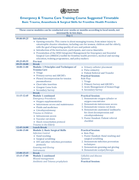
For the whole Emergency and Trauma Care Modules visit: http://www.who.int/surgery/publications/immesc_emergency_trauma_care/en/

Every Newborn: an action plan to end preventable deaths is a roadmap for change. It takes forward the Global Strategy for Women’s and Children’s Health by focusing specific attention on newborn health and identifying actions for improving their survival, health and development.
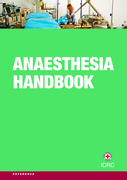
Anaesthesia Handbook
recommended
The aim of this handbook is to provide guidance for trained anaesthetists working for the ICRC and to offer advice in areas where practice will differ from that in their home country. It is designed to supplement the practical training given in ICRC war-surgery seminars and to support the work of th
...
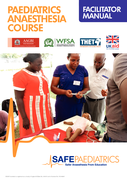
The SAFE Paediatric Anaesthesia course is an 'off the shelf package' supported by a facilitator manual, teaching materials and standard operating procedures. It is hoped that the course is clinically relevant and will improve the practice of anaesthesia for children to a safe standard.

Cancellation of scheduled surgery leads to operating theatre under-occupancy and is recognised as a major cause of emotional trauma to patients and their families. This study aimed to assess the incidence of elective surgery cancellation in order to make proposals for healthcare improvement.
BMJ Global Health2020;5:e002786. doi:10.1136/bmjgh-2020-002786
Facilitator's Guide
Refresher Training Module for Health Care Providers implementing the MISP
Inter-agency Working Group on Reproductive Health in Crises Training Partnership
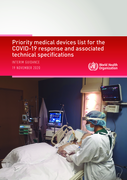
Priority medical devices list for the COVID-19 response and associated technical specifications
recommended
23 February 2021
This document describes the medical devices required for the clinical management of COVID-19, selected and prioritized according to the latest available evidence and interim guidelines. This includes: oxygen therapy, pulse oximeters, patient monitors, thermometers, infusion and suc
...

The National Guideline for Neonatal Care and Establishment of Neonatal Care Unit aims to provide health workers with all basics and necessary knowledge and skills to provide appropriate care at the most vulnerable period in a newborn’s life. This guideline will be available to all health facilitie
...
