
Filter
2820
Text search:
physical
therapy
Featured
304
743
Language
2736
44
42
37
23
12
10
9
5
4
4
4
4
3
3
3
2
2
2
2
2
2
2
2
2
2
2
1
1
1
1
1
1
1
Document type
1700
427
335
173
62
52
34
11
10
7
5
2
1
Countries
216
111
97
82
67
66
59
56
53
49
47
46
46
40
39
35
31
31
27
25
25
24
22
22
22
21
20
20
19
15
14
14
14
10
10
10
10
10
9
9
7
7
6
6
6
6
6
5
5
5
5
5
5
4
4
4
4
4
4
4
3
3
3
3
3
3
3
3
3
3
3
3
3
3
3
2
2
2
2
2
2
2
2
2
2
2
2
2
1
1
1
1
1
1
1
1
1
1
1
1
1
1
1
1
1
1
1
1
1
1
1
1
1
1
1
Authors & Publishers
332
117
115
93
68
64
50
43
41
41
24
21
20
20
19
17
16
15
15
15
14
14
14
13
13
13
12
12
12
11
11
10
10
10
9
9
8
8
8
8
8
8
8
7
7
7
7
7
7
6
6
6
6
6
6
6
6
6
6
5
5
5
5
5
5
5
5
5
5
5
5
5
5
5
5
5
5
5
4
4
4
4
4
4
4
4
4
4
4
4
4
4
4
4
4
4
4
4
4
4
4
4
4
4
4
4
4
4
4
4
4
4
4
4
4
4
4
4
4
3
3
3
3
3
3
3
3
3
3
3
3
3
3
3
3
3
3
3
3
3
3
3
3
3
3
3
3
3
3
3
3
3
3
3
3
3
3
3
3
3
3
3
3
3
3
3
3
3
3
3
3
3
3
3
3
3
3
3
3
3
3
3
3
3
3
3
3
3
3
3
3
3
3
3
3
2
2
2
2
2
2
2
2
2
2
2
2
2
2
2
2
2
2
2
2
2
2
2
2
2
2
2
2
2
2
2
2
2
2
2
2
2
2
2
2
2
2
2
2
2
2
2
2
2
2
2
2
2
2
2
2
2
2
2
2
2
2
2
2
2
2
2
2
2
2
2
2
2
2
2
2
2
2
2
2
2
2
2
2
2
2
2
2
2
2
2
2
2
2
2
2
2
2
2
2
2
2
2
2
2
2
2
2
2
2
2
2
2
2
2
2
2
2
2
2
2
2
2
2
2
2
2
2
2
2
2
2
2
2
2
2
2
2
2
2
2
2
2
2
2
2
2
2
2
2
2
2
2
2
2
2
2
2
2
2
2
2
2
2
2
2
2
2
2
2
2
2
2
2
2
2
2
2
2
2
2
2
2
1
1
1
1
1
1
1
1
1
1
1
1
1
1
1
1
1
1
1
1
1
1
1
1
1
1
1
1
1
1
1
1
1
1
1
1
1
1
1
1
1
1
1
1
1
1
1
1
1
1
1
1
1
1
1
1
1
1
1
1
1
1
1
1
1
1
1
1
1
1
1
1
1
1
1
1
1
1
1
1
1
1
1
1
1
1
1
1
1
1
1
1
1
1
1
1
1
1
1
1
1
1
1
1
1
1
1
1
1
1
1
1
1
1
1
1
1
1
1
1
1
1
1
1
1
1
1
1
1
1
1
1
1
1
1
1
1
1
1
1
1
1
1
1
1
1
1
1
1
1
1
1
1
1
1
1
1
1
1
1
1
1
1
1
1
1
1
1
1
1
1
1
1
1
1
1
1
1
1
1
1
1
1
1
1
1
1
1
1
1
1
1
1
1
1
1
1
1
1
1
1
1
1
1
1
1
1
1
1
1
1
1
1
1
1
1
1
1
1
1
1
1
1
1
1
1
1
1
1
1
1
1
1
1
1
1
1
1
1
1
1
1
1
1
1
1
1
1
1
1
1
1
1
1
1
1
1
1
1
1
1
1
1
1
1
1
1
1
1
1
1
1
1
1
1
1
1
1
1
1
1
1
1
1
1
1
1
1
1
1
1
1
1
1
1
1
1
1
1
1
1
1
1
1
1
1
1
1
1
1
1
1
1
1
1
1
1
1
1
1
1
1
1
1
1
1
1
1
1
1
1
1
1
1
1
1
1
1
1
1
1
1
1
1
1
1
1
1
1
1
1
1
1
1
1
1
1
1
1
1
1
1
1
1
1
1
1
1
1
1
1
1
1
1
1
1
1
1
1
1
1
1
1
1
1
1
1
1
1
1
1
1
1
1
1
1
1
1
1
1
1
1
1
1
1
1
1
1
1
1
1
1
1
1
1
1
1
1
1
1
1
1
1
1
1
1
1
1
1
1
1
1
1
1
1
1
1
1
1
1
1
1
1
1
1
1
1
1
1
1
1
1
1
1
1
1
1
1
1
1
1
1
1
1
1
1
1
1
1
1
1
1
1
1
1
1
1
1
1
1
1
1
1
1
1
1
1
1
1
1
1
1
1
1
1
1
1
1
1
1
1
1
1
1
1
1
1
1
1
1
1
1
1
1
1
1
1
1
1
1
1
1
1
1
1
1
1
1
1
1
1
1
1
1
1
1
1
1
1
1
1
1
1
1
1
1
1
1
1
1
1
1
1
1
1
1
1
1
1
1
1
1
1
1
1
1
1
1
1
1
1
1
1
1
1
1
1
1
1
1
1
1
1
1
1
1
1
1
1
1
1
1
1
1
1
1
1
1
1
1
1
1
1
1
1
1
1
1
1
1
1
1
1
1
1
1
1
1
1
1
1
1
1
1
1
1
1
1
1
1
1
1
1
1
1
1
1
1
1
1
1
1
1
1
1
1
1
1
1
1
1
1
1
1
1
1
1
1
1
1
1
1
1
1
1
1
1
1
1
1
1
1
1
1
1
1
1
1
1
1
1
1
1
1
1
1
1
1
1
1
1
1
1
1
1
1
1
1
1
1
1
1
1
1
1
1
1
1
1
1
1
1
1
1
1
1
1
1
1
1
1
1
1
1
1
1
1
1
1
1
1
1
1
1
1
1
1
1
1
1
1
1
1
1
1
1
1
1
1
1
1
1
1
1
1
1
1
1
1
1
1
1
1
1
1
1
1
1
1
1
1
1
1
1
1
1
1
1
1
1
1
1
1
1
1
1
1
1
1
1
1
1
1
1
1
1
1
1
1
1
1
1
1
1
1
1
1
1
1
1
1
1
1
1
1
1
1
1
1
1
1
1
1
1
1
1
1
1
1
1
1
1
1
1
1
1
1
1
1
1
1
1
1
1
1
1
1
1
1
1
1
1
1
1
1
1
1
1
1
1
1
1
1
1
1
1
1
1
1
1
1
1
1
1
1
1
1
1
1
1
1
1
1
1
1
1
1
1
1
1
1
1
1
1
1
1
1
1
1
1
1
1
1
1
1
1
1
1
1
1
1
1
1
1
1
1
1
1
1
1
1
1
1
1
1
1
1
1
1
1
1
1
1
1
1
1
1
1
1
1
1
1
1
1
1
1
1
1
1
1
1
1
1
1
1
1
1
1
1
1
1
1
1
1
1
1
1
1
1
1
1
1
1
1
1
1
1
1
1
1
1
1
1
1
1
1
1
1
1
1
1
1
1
1
1
1
1
1
1
1
1
1
1
1
1
1
1
1
1
1
1
1
1
1
1
1
1
1
1
1
1
1
1
1
1
1
1
1
1
1
1
1
1
1
1
1
1
1
1
1
1
1
1
1
1
1
1
1
1
1
1
1
1
1
1
1
1
1
1
1
1
1
1
1
1
1
1
1
1
1
1
1
1
1
1
1
1
1
1
1
1
1
1
1
1
1
1
1
1
1
1
1
1
1
1
1
1
1
1
1
1
1
1
1
1
1
1
1
1
1
1
1
1
1
1
1
1
1
1
1
1
1
1
1
1
1
1
1
1
1
1
1
1
1
1
1
1
1
1
1
1
1
1
1
1
1
1
1
1
1
1
1
1
1
1
1
1
1
1
1
1
1
1
1
1
1
1
1
1
1
1
1
1
1
1
1
1
1
1
1
1
1
1
1
1
1
1
1
1
1
1
1
1
1
1
1
1
1
1
1
1
1
1
1
1
1
1
1
1
1
1
1
1
1
1
1
1
1
1
1
1
1
1
1
1
1
1
1
1
1
1
1
1
1
1
1
1
1
1
1
1
1
1
1
1
1
1
1
1
1
1
1
1
1
1
1
1
1
1
1
1
1
1
1
1
1
1
1
1
1
1
1
1
1
1
1
1
1
1
1
1
1
1
1
1
1
1
1
1
1
1
1
1
1
1
1
1
1
1
1
1
1
1
1
1
1
1
1
1
1
1
1
1
1
1
1
1
1
1
1
1
1
1
1
1
1
1
1
1
1
1
1
1
1
1
1
1
1
1
1
1
1
1
1
1
1
1
1
1
1
1
1
1
1
1
1
1
1
1
1
1
1
1
1
1
1
1
1
1
1
1
1
1
1
1
1
1
1
1
1
1
1
1
1
1
1
1
1
1
1
1
1
1
1
1
1
1
1
1
1
1
1
1
1
1
1
1
1
1
1
1
1
1
1
1
1
1
1
1
1
1
1
1
1
1
1
1
1
1
1
1
1
1
1
1
1
1
1
1
1
1
1
1
1
1
1
1
1
1
1
1
1
1
1
1
1
1
1
1
1
1
1
1
1
1
1
1
1
1
1
1
1
1
1
1
1
1
1
1
1
1
1
1
1
1
1
1
1
1
1
1
1
1
1
1
1
1
1
1
1
1
1
1
1
1
1
1
1
1
1
1
1
1
1
1
1
1
1
1
1
1
1
1
1
1
1
1
1
1
1
1
1
1
1
1
1
1
1
1
1
1
1
1
1
1
1
1
1
1
1
1
1
1
1
1
1
1
1
1
1
1
1
1
1
1
1
1
1
1
1
1
1
1
1
1
1
1
1
1
1
1
1
1
1
1
1
1
1
1
1
1
1
1
1
1
1
1
1
1
1
1
1
1
1
1
1
1
1
1
1
1
1
1
1
1
1
1
1
1
1
1
1
1
1
1
1
1
1
1
1
1
1
1
1
1
1
1
1
1
1
1
1
1
1
1
1
1
1
1
1
1
1
1
1
1
1
1
1
1
1
1
1
1
1
1
1
1
1
1
1
1
1
1
1
1
1
1
1
1
1
1
1
1
1
1
1
1
1
1
1
1
1
1
1
1
1
1
1
1
1
1
1
1
1
1
1
1
1
1
1
1
1
1
1
1
1
1
1
1
1
1
1
1
1
1
1
1
1
1
1
1
1
1
1
1
1
1
1
1
1
1
1
1
1
1
1
1
1
1
1
1
1
1
1
1
1
1
1
1
1
1
1
1
1
1
1
1
1
1
1
1
1
1
1
1
1
1
1
1
1
1
1
1
1
1
1
1
1
1
1
1
1
1
1
1
1
1
1
1
1
1
1
1
1
1
1
1
1
1
1
1
1
1
1
1
1
1
1
1
1
1
1
1
1
1
1
1
1
1
1
1
1
1
1
1
1
1
1
1
1
1
1
1
1
1
1
1
1
1
1
1
1
1
1
1
1
1
1
1
1
1
1
1
1
1
1
1
1
1
1
1
1
1
1
1
1
1
1
1
1
1
1
1
1
1
1
1
1
1
1
1
1
1
1
1
1
1
1
1
1
1
1
1
1
1
1
1
1
1
1
1
1
1
1
1
1
1
1
1
1
1
1
1
1
1
1
1
1
1
1
1
1
1
1
1
1
1
1
1
1
1
1
1
1
1
1
1
1
1
1
1
1
1
1
1
1
1
1
1
1
1
1
1
1
1
1
1
1
1
1
1
1
1
1
1
1
1
1
1
1
1
1
1
1
1
1
1
1
1
1
1
1
1
1
1
1
1
1
1
1
1
1
1
1
1
1
1
1
1
1
1
1
1
1
1
1
1
1
1
1
1
1
1
1
1
1
1
1
1
1
1
1
1
1
1
1
1
1
1
1
1
1
1
1
1
1
1
1
1
1
1
1
1
1
1
1
1
1
1
1
1
1
1
1
1
1
1
1
1
1
1
1
1
1
1
1
1
1
1
1
1
1
1
1
1
1
1
1
1
1
1
1
1
1
1
1
1
1
1
1
1
1
1
1
1
1
1
1
1
Publication Years
654
1831
317
16
2
Category
1191
260
204
133
79
71
18
1
Toolboxes
436
166
140
138
123
115
101
83
54
49
45
30
26
23
20
19
16
14
14
12
12
10
8
8
7
GETTING TO KNOW CEREBRAL PALSY: Module 1 - Introduction
Hambisela - Towards Excellence in Therapy for Cerebral Palsy
Cerebral Palsy Association (Eastern Cape)
(2008)
C2
A learning resource for facilitators, parents, caregivers, and persons with cerebral palsy | Version 1 - Released March 2008
GETTING TO KNOW CEREBRAL PALSY: Module 2 - Evaluating Your Child
Hambisela - Towards Excellence in Therapy for Cerebral Palsy
Cerebral Palsy Association (Eastern Cape)
(2008)
C2
A learning resource for facilitators, parents, caregivers, and persons with cerebral palsy | Version 1 - Released March 2008
Heart failure (HF) is a global public health concern with disproportionate socioeconomic, morbidity and mortality burden on low- and middle-income countries (LMICs). This review summarises contemporary data on the demographic and clinical characteristics, aetiologies, treatment, economic burden and
...
outcomes of HF in LMICs. Patients with HF in LMICs are younger than those from high-income countries (HICs) and present at advanced stages of the disease. Hypertension, ischaemic heart disease (IHD), cardiomyopathy (CMO), and rheumatic heart disease (RHD) are the leading causes of HF in LMICs. The contribution of infectious diseases to HF remains prominent in many LMICs. Most health facilities in LMICs lack adequate diagnostic tools for HF, and the use of evidence-based medical and device therapies is suboptimal. Further, HF in LMICs is associated with prolonged hospital stay and high in-hospital and one-year mortality. Finally, HF has profound economic impact on individual patients who, mostly, have no health insurance, and on societies where patients are young, comprising those who have the greatest potential to contribute to economic productivity.
more
GETTING TO KNOW CEREBRAL PALSY: Module 7 - Play
Hambisela - Towards Excellence in Therapy for Cerebral Palsy
Cerebral Palsy Association (Eastern Cape)
(2008)
C2
A learning resource for facilitators, parents, caregivers, and persons with cerebral palsy | Version 1 - Released March 2008

WHO guideline on HIV service delivery
recommended
Updated guidance on the integration of diabetes, hypertension and mental health services, and interventions to support adherence to antiretroviral therapy. The guideline offers practical implementation guidance for countries and key stakeholders as
...
well as outlining key research gaps. As life expectancy for people living with HIV continues to increase, managing noncommunicable diseases, mental health, and adherence to antiretroviral therapy is essential to sustaining treatment success, quality of life, and engagement in care. A life course approach addresses these needs from childhood through older age. Service integration supports more person-centred, coordinated care across the life course.
more
Clinical Guidelines for Therapy Management of Benigne Prostate Hyperplasia in Indonesia 2015
Responding to Survivors of Torture & Suffering. Survival Skills and Stories of Kurdish Families
Kirkuk Center for Torture Victims and Dulwich Centre Foundation International
Jiyan Foundation for Human Rights
(2012)
C1
The publication describes techniques of narrative therapy discussed in a workshop series for Jiyan Foundation staff members by David Denborough (Dulwich Center Foundation). The publication also includes contributions from local staff reporting on se
...
lf-assertion and survival strategies of Kurdish families
more
People living with HIV depend on life-saving antiretroviral therapy (ART) and access to ART must be maintained during periods of travel restrictions and lockdowns resulting from the COVID-19 pandemic. The Information note on HIV and COVID-19 address
...
es common concerns people living with HIV have regarding the risks of COVID-19 and how to minimize them. For HIV programme managers and health facilities providing HIV services, it identifies key points related to ensuring uninterrupted provision of ART, while protecting clients and staff from the risk of infection with the SARS-CoV-2 virus.
more
Our spiritual health profoundly impacts our physical health, well-being, and quality of life. Just as medical professionals care for our bodies and minds, spiritual care practitioners care for our spirits. The increasing need for spiritual care make
...
s these practitioners even more crucial. However, many of us have limited access to quality, professional spiritual care. At times of struggle, this lack of spiritual care can have a negative impact on our health and well-being.Investigators and researchers are creating a growing body of evidence for the innumerable benefits of professional spiritual care, yet many people still do not have a lot of accurate information about these practitioners. To create this publication, the six largest healthcare chaplaincy organizations in North America collaborated to share the facts about spiritual care and practitioners’ roles, training, and standards.By providing evidence and dispelling myths, the thousands of spiritual care practitioners represented by these organizations hope to increase access to spiritual care for the benefit of all.
accessed July 2020
more

Community-Based Rehabilitation Services in Low and Middle-Income Countries in the Asia-Pacific Region: Successes and Challenges in the Implementation of the CBR Matrix
Adela Cayetano, R.D.; and J. Elkins
Disability, CBR & Inclusive Development Journal (DCIDJ)
(2016)
CC
Conclusion: CBR has improved the quality of life, access to medical services, functional independence, autonomy, community inclusion, and empowerment of people with disabilities in LMICs in the Asia-Pacific region. However, challenges in the implementation of CBR remain. These include lack of awaren
...
ess and understanding of CBR, and physical, environmental, socio-economical and personal barriers.
more
Fetal alcohol spectrum disorders (FASD) represent a range of physical, mental, and behavioral disabilities caused by alcohol use during pregnancy, or prenatal alcohol exposure (PAE). FASDs are considered to be one of the leading preventable causes o
...
f developmental disability. Despite its high prevalence, FASD is often misdiagnosed or underdiagnosed, making interventions more challenging or delayed.
his publication was initially developed for use in Spanish-speaking countries of the Americas and is intended to serve as a training workbook for providers of various disciplines to learn about the fundamentals of diagnosing FASD and to apply them to several case scenarios. It also discusses ethical implications of diagnosing FASD to the mother and child. Target audiences include physicians, psychologists, allied health professionals, social workers, and other providers that may encounter individuals affected by FASD. It is ideally used as a supplement for in-person training by experts in the fields of dysmorphology, epidemiology, and neuropsychology.
more
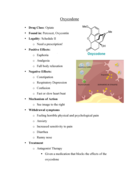
The pamphlet "Oxycodone" provides an overview of the opioid drug class, explaining its uses, effects, and risks. It describes positive effects like euphoria and pain relief, alongside negative effects such as respiratory depression, confusion, and constipation. Withdrawal symptoms include anxiety, i
...
ncreased pain sensitivity, and diarrhea. Treatment options include antagonist therapy (e.g., Naloxone) and substitution therapy (e.g., Methadone or Buprenorphine). The pamphlet emphasizes the importance of emergency care in cases of overdose and encourages seeking professional help for addiction or abuse.
more
Pocket guide to show the positive impact that physical activity can have on your own mental wellbeing, including some tips and suggestions to help you get started.
There are many reasons why physical
...
activity is good for your body having a healthy heart and improving your joints and bones are just two, but did you know that physical activity is also beneficial for your mental health and wellbeing
more
After a frightening or distressing experience (any kind of injury, a physical or sexual assault, car crash, fire, or other natural disaster), a child or teen may suffer psychological
stress in addition to any
...
physical injuries.
When these reactions last for more than a month and are strong enough to affect a child's or teen's everyday functioning, that child may be diagnosed as having Post- Traumatic Stress Disorder or PTSD.
more
Primary Health-Care Services
recommended
In health emergencies as in periods of stability, restoring access to primary health-care services is a priority in so far as many health problems can be dealt with by means of preventive care and
conventional therapy. Depending on the context, the
...
ICRC must often take action in this area, taking into account the level of emergency, the involvement of other actors, the possible evolution of the situation and the organization's operational strategies.
more

This manual provides practical guidelines for the management of children with severe malnutrition. It seeks to promote the best available therapy so as to reduce the risk of death, shorten the length of time spent in hospital, and facilitate rehabil
...
itation and full recovery. Emphasis is given to the management of severely malnourished children in hospital and health centres; the management of severely malnourished children in disaster situations and refugee camps and of severely malnourished adolescents and adults is also considered briefly.
more
Abstract: Posttraumatic stress disorder (PTSD) is a chronic psychological disorder that can develop after exposure to a traumatic event. This review summarizes the literature on the epidemiology, assessment, and treatment of PTSD. We provide a review of the characteristics of PTSD along with associa
...
ted risk factors, and describe brief, evidence-based measures that can be used to screen for PTSD and monitor symptom changes over time. In regard to treatment, we highlight commonly used, evidence-based psychotherapies and pharmacotherapies for PTSD. Among psychotherapeutic approaches, evidence-based approaches include cognitive-behavioral therapies (e.g., Prolonged Exposure and Cognitive Processing Therapy) and Eye Movement Desensitization and Reprocessing. A wide variety of pharmacotherapies have received some level of research support for PTSD symptom alleviation, although selective serotonin reuptake inhibitors have the largest evidence base to date.
more
Severe cases of COVID-19 are associated with rehabilitation needs related to the consequences of ventilatory support, and prolonged immobilization and bed rest. These may include: − Impaired lung function; − Physical deconditioning and muscle we
...
akness; − Delirium and other cognitive impairments; − Impaired swallow and communication; and − Mental health disorders and psychosocial support needs. − Rehabilitation needs may be amplified by underlying health conditions and decrements in health associated with ageing, − Rehabilitation professionals play an important role in facilitating early discharge, which is especially critical in the context of hospital bed shortages. − Rehabilitation needs of people with severe COVID-19 exist during the acute, sub-acute and long-term phases of care; rehabilitation professionals should be positioned in ICUs, hospital wards, stepdown facilities and in the community. − Particularly in the acute phase, rehabilitation interventions for patients with severe COVID-19 requiring ventilatory support generally require a particular skill-set acquired through specialist training.
more
Group psychological help for adults impaired by distress in communities exposed to adversity
With this manual, the World Health Organization (WHO) is responding to requests from colleagues around the world for a group version of the manual Problem Management Plus (PM+), which was developed for adul
...
ts impaired by distress in communities who are exposed to adversity. Aspects of Cognitive Behavioural Therapy (CBT) have been changed to make them feasible in communities that do not have many specialists. To ensure maximum use, the intervention is developed in such a way that it can help people with depression, anxiety and stress, whether or not exposure to adversity has caused these problems. It can be applied to improve aspects of mental health and psychosocial well-being no matter how severe people’s problems are.
more
