
Filter
4030
Text search:
health
behaviour
Featured
368
1050
Language
3836
116
96
94
58
27
24
23
13
12
10
9
8
7
7
7
7
6
6
5
5
5
5
4
4
4
4
4
3
3
3
3
3
3
3
3
3
3
2
2
2
2
2
2
2
2
2
2
2
2
1
1
1
1
1
1
1
1
1
1
1
1
1
Document type
2236
636
499
252
153
107
87
18
17
11
6
5
1
Countries
229
179
113
104
94
93
87
81
80
77
68
62
61
58
56
54
54
38
38
37
35
32
30
30
30
27
26
24
23
23
20
20
20
18
18
17
17
17
16
16
15
14
13
13
12
12
11
11
9
9
8
8
8
7
7
7
6
6
6
6
6
6
5
5
5
5
5
4
4
4
4
4
3
3
3
3
3
3
3
3
3
3
3
3
3
2
2
2
2
2
2
2
2
2
2
2
1
1
1
1
1
1
1
1
1
1
1
1
1
1
1
1
1
1
1
1
1
1
1
1
1
1
1
1
1
1
1
1
1
1
1
1
1
1
1
Authors & Publishers
592
194
119
115
96
95
81
66
66
37
34
32
27
24
24
24
23
22
22
21
20
20
19
18
16
16
14
14
14
14
14
13
13
11
11
11
11
11
10
10
10
10
10
10
9
9
9
9
9
9
9
9
9
8
8
8
8
8
8
8
8
8
7
7
7
7
7
7
7
7
7
7
7
7
7
7
6
6
6
6
6
6
6
6
6
6
6
6
6
6
6
6
6
6
6
6
6
6
5
5
5
5
5
5
5
5
5
5
5
5
5
5
5
5
5
5
5
5
5
5
5
5
4
4
4
4
4
4
4
4
4
4
4
4
4
4
4
4
4
4
4
4
4
4
4
4
4
4
4
4
4
4
4
4
4
4
4
4
4
4
4
4
4
4
4
4
4
4
4
4
4
4
3
3
3
3
3
3
3
3
3
3
3
3
3
3
3
3
3
3
3
3
3
3
3
3
3
3
3
3
3
3
3
3
3
3
3
3
3
3
3
3
3
3
3
3
3
3
3
3
3
3
3
3
3
3
3
3
3
3
3
3
3
3
3
3
3
3
3
3
3
3
3
3
3
3
3
3
3
3
3
3
3
3
3
3
3
2
2
2
2
2
2
2
2
2
2
2
2
2
2
2
2
2
2
2
2
2
2
2
2
2
2
2
2
2
2
2
2
2
2
2
2
2
2
2
2
2
2
2
2
2
2
2
2
2
2
2
2
2
2
2
2
2
2
2
2
2
2
2
2
2
2
2
2
2
2
2
2
2
2
2
2
2
2
2
2
2
2
2
2
2
2
2
2
2
2
2
2
2
2
2
2
2
2
2
2
2
2
2
2
2
2
2
2
2
2
2
2
2
2
2
2
2
2
2
2
2
2
2
2
2
2
2
2
2
2
2
2
2
2
2
2
2
2
2
2
2
2
2
2
2
2
2
2
2
2
2
2
2
2
2
2
2
2
2
2
2
2
2
2
2
2
2
2
2
2
2
2
2
2
2
2
2
2
2
2
2
2
2
2
2
2
2
2
2
2
2
2
2
2
2
2
2
2
2
2
2
2
2
2
2
2
2
2
2
2
2
2
2
2
2
2
2
2
2
2
2
2
2
2
2
2
2
2
2
2
2
2
2
2
2
2
1
1
1
1
1
1
1
1
1
1
1
1
1
1
1
1
1
1
1
1
1
1
1
1
1
1
1
1
1
1
1
1
1
1
1
1
1
1
1
1
1
1
1
1
1
1
1
1
1
1
1
1
1
1
1
1
1
1
1
1
1
1
1
1
1
1
1
1
1
1
1
1
1
1
1
1
1
1
1
1
1
1
1
1
1
1
1
1
1
1
1
1
1
1
1
1
1
1
1
1
1
1
1
1
1
1
1
1
1
1
1
1
1
1
1
1
1
1
1
1
1
1
1
1
1
1
1
1
1
1
1
1
1
1
1
1
1
1
1
1
1
1
1
1
1
1
1
1
1
1
1
1
1
1
1
1
1
1
1
1
1
1
1
1
1
1
1
1
1
1
1
1
1
1
1
1
1
1
1
1
1
1
1
1
1
1
1
1
1
1
1
1
1
1
1
1
1
1
1
1
1
1
1
1
1
1
1
1
1
1
1
1
1
1
1
1
1
1
1
1
1
1
1
1
1
1
1
1
1
1
1
1
1
1
1
1
1
1
1
1
1
1
1
1
1
1
1
1
1
1
1
1
1
1
1
1
1
1
1
1
1
1
1
1
1
1
1
1
1
1
1
1
1
1
1
1
1
1
1
1
1
1
1
1
1
1
1
1
1
1
1
1
1
1
1
1
1
1
1
1
1
1
1
1
1
1
1
1
1
1
1
1
1
1
1
1
1
1
1
1
1
1
1
1
1
1
1
1
1
1
1
1
1
1
1
1
1
1
1
1
1
1
1
1
1
1
1
1
1
1
1
1
1
1
1
1
1
1
1
1
1
1
1
1
1
1
1
1
1
1
1
1
1
1
1
1
1
1
1
1
1
1
1
1
1
1
1
1
1
1
1
1
1
1
1
1
1
1
1
1
1
1
1
1
1
1
1
1
1
1
1
1
1
1
1
1
1
1
1
1
1
1
1
1
1
1
1
1
1
1
1
1
1
1
1
1
1
1
1
1
1
1
1
1
1
1
1
1
1
1
1
1
1
1
1
1
1
1
1
1
1
1
1
1
1
1
1
1
1
1
1
1
1
1
1
1
1
1
1
1
1
1
1
1
1
1
1
1
1
1
1
1
1
1
1
1
1
1
1
1
1
1
1
1
1
1
1
1
1
1
1
1
1
1
1
1
1
1
1
1
1
1
1
1
1
1
1
1
1
1
1
1
1
1
1
1
1
1
1
1
1
1
1
1
1
1
1
1
1
1
1
1
1
1
1
1
1
1
1
1
1
1
1
1
1
1
1
1
1
1
1
1
1
1
1
1
1
1
1
1
1
1
1
1
1
1
1
1
1
1
1
1
1
1
1
1
1
1
1
1
1
1
1
1
1
1
1
1
1
1
1
1
1
1
1
1
1
1
1
1
1
1
1
1
1
1
1
1
1
1
1
1
1
1
1
1
1
1
1
1
1
1
1
1
1
1
1
1
1
1
1
1
1
1
1
1
1
1
1
1
1
1
1
1
1
1
1
1
1
1
1
1
1
1
1
1
1
1
1
1
1
1
1
1
1
1
1
1
1
1
1
1
1
1
1
1
1
1
1
1
1
1
1
1
1
1
1
1
1
1
1
1
1
1
1
1
1
1
1
1
1
1
1
1
1
1
1
1
1
1
1
1
1
1
1
1
1
1
1
1
1
1
1
1
1
1
1
1
1
1
1
1
1
1
1
1
1
1
1
1
1
1
1
1
1
1
1
1
1
1
1
1
1
1
1
1
1
1
1
1
1
1
1
1
1
1
1
1
1
1
1
1
1
1
1
1
1
1
1
1
1
1
1
1
1
1
1
1
1
1
1
1
1
1
1
1
1
1
1
1
1
1
1
1
1
1
1
1
1
1
1
1
1
1
1
1
1
1
1
1
1
1
1
1
1
1
1
1
1
1
1
1
1
1
1
1
1
1
1
1
1
1
1
1
1
1
1
1
1
1
1
1
1
1
1
1
1
1
1
1
1
1
1
1
1
1
1
1
1
1
1
1
1
1
1
1
1
1
1
1
1
1
1
1
1
1
1
1
1
1
1
1
1
1
1
1
1
1
1
1
1
1
1
1
1
1
1
1
1
1
1
1
1
1
1
1
1
1
1
1
1
1
1
1
1
1
1
1
1
1
1
1
1
1
1
1
1
1
1
1
1
1
1
1
1
1
1
1
1
1
1
1
1
1
1
1
1
1
1
1
1
1
1
1
1
1
1
1
1
1
1
1
1
1
1
1
1
1
1
1
1
1
1
1
1
1
1
1
1
1
1
1
1
1
1
1
1
1
1
1
1
1
1
1
1
1
1
1
1
1
1
1
1
1
1
1
1
1
1
1
1
1
1
1
1
1
1
1
1
1
1
1
1
1
1
1
1
1
1
1
1
1
1
1
1
1
1
1
1
1
1
1
1
1
1
1
1
1
1
1
1
1
1
1
1
1
1
1
1
1
1
1
1
1
1
1
1
1
1
1
1
1
1
1
1
1
1
1
1
1
1
1
1
1
1
1
1
1
1
1
1
1
1
1
1
1
1
1
1
1
1
1
1
1
1
1
1
1
1
1
1
1
1
1
1
1
1
1
1
1
1
1
1
1
1
1
1
1
1
1
1
1
1
1
1
1
1
1
1
1
1
1
1
1
1
1
1
1
1
1
1
1
1
1
1
1
1
1
1
1
1
1
1
1
1
1
1
1
1
1
1
1
1
1
1
1
1
1
1
1
1
1
1
1
1
1
1
1
1
1
1
1
1
1
1
1
1
1
1
1
1
1
1
1
1
1
1
1
1
1
1
1
1
1
1
1
1
1
1
1
1
1
1
1
1
1
1
1
1
1
1
1
1
1
1
1
1
1
1
1
1
1
1
1
1
1
1
1
1
1
1
1
1
1
1
1
1
1
1
1
1
1
1
1
1
1
1
1
1
1
1
1
1
1
1
1
1
1
1
1
1
1
1
1
1
1
1
1
1
1
1
1
1
1
1
1
1
1
1
1
1
1
1
1
1
1
1
1
1
1
1
1
1
1
1
1
1
1
1
1
1
1
1
1
1
1
1
1
1
1
1
1
1
1
1
1
1
1
1
1
1
1
1
1
1
1
1
1
1
1
1
1
1
1
1
1
1
1
1
1
1
1
1
1
1
1
1
1
1
1
1
1
1
1
1
1
1
1
1
1
1
1
1
1
1
1
1
1
1
1
1
1
1
1
1
1
1
1
1
1
1
1
1
1
1
1
1
1
1
1
1
1
1
1
1
1
1
1
1
1
1
1
1
1
1
1
1
1
1
1
1
1
1
1
1
1
1
1
1
1
1
1
1
1
1
1
1
1
1
1
1
1
1
1
1
1
1
1
1
1
1
1
1
1
1
1
1
1
1
1
1
1
1
1
1
1
1
1
1
1
1
1
1
1
1
1
1
1
1
1
1
1
1
1
1
1
1
1
1
1
1
1
1
1
1
1
1
1
1
1
1
1
1
1
1
1
1
1
1
1
1
1
1
1
1
1
1
1
1
1
1
1
1
1
1
1
1
1
1
1
1
1
1
1
1
1
1
1
1
1
1
1
1
1
1
1
1
1
1
1
1
1
1
1
1
1
1
1
1
1
1
1
1
1
1
1
1
1
1
1
1
1
1
1
1
1
1
1
1
1
1
1
1
1
1
1
1
1
1
1
1
1
1
1
1
1
1
1
1
1
1
1
1
1
1
1
1
1
1
1
1
1
1
1
1
1
1
1
1
1
1
1
1
1
1
1
1
1
1
1
1
1
1
1
1
1
1
1
1
1
1
1
1
1
1
1
1
1
1
1
1
1
1
1
1
1
1
1
1
1
1
1
1
1
1
1
1
1
1
1
1
1
1
1
1
1
1
1
1
1
1
1
1
1
1
1
1
1
1
1
1
1
1
1
1
1
1
1
1
1
1
1
1
1
1
1
1
1
1
1
1
1
1
1
1
1
1
1
1
1
1
1
1
1
1
1
1
1
1
1
1
1
1
1
1
1
1
1
1
1
1
1
1
1
1
1
1
1
1
1
1
1
1
1
1
1
1
1
1
1
1
1
1
1
1
1
1
1
1
1
1
1
1
1
1
1
1
1
1
1
1
1
1
1
1
1
1
1
1
1
1
1
1
1
1
1
1
1
1
1
1
1
1
1
1
1
1
1
1
1
1
1
1
1
1
1
1
1
1
1
1
1
1
1
1
1
1
1
1
1
1
1
1
1
1
1
1
1
1
1
1
1
1
1
1
1
1
1
1
1
1
1
1
1
1
1
1
1
1
1
1
1
1
1
1
1
1
1
1
1
1
1
1
1
1
1
1
1
1
1
1
1
1
1
1
1
1
1
1
1
1
1
1
1
1
1
1
1
1
1
1
1
1
1
1
1
1
1
1
1
1
1
1
1
1
1
1
1
1
1
1
1
1
1
1
1
1
1
1
1
1
1
1
1
1
1
1
1
1
1
1
1
1
1
1
1
1
1
1
1
1
1
1
1
1
1
1
1
1
1
1
1
1
1
1
1
1
1
1
1
1
1
1
1
1
1
1
1
1
1
1
1
1
1
1
1
1
1
1
1
1
1
1
1
1
1
1
1
1
1
1
1
1
1
1
1
1
1
1
1
1
1
1
1
1
1
1
1
1
1
1
1
1
1
1
1
1
1
1
1
1
1
1
1
1
1
1
1
1
1
1
1
1
1
1
1
1
1
1
1
1
1
1
1
1
1
1
1
1
1
1
1
1
1
1
1
1
1
1
1
1
1
1
1
1
1
1
1
1
1
1
1
1
1
1
1
1
1
1
1
1
1
1
1
1
1
1
1
1
1
1
1
1
1
1
1
1
1
1
1
1
1
1
1
1
1
1
1
1
1
1
1
1
1
1
1
1
1
1
1
1
1
1
1
1
1
1
1
1
1
1
1
1
1
1
1
1
1
1
1
1
1
1
1
1
1
1
1
1
1
1
1
1
1
1
1
1
1
1
1
1
1
1
1
1
1
1
1
1
1
1
1
1
1
1
1
1
1
1
1
1
1
1
1
1
1
1
1
1
1
1
1
1
1
1
1
1
1
1
1
1
1
1
1
1
1
1
1
1
1
1
1
1
1
1
1
1
1
1
1
1
1
1
1
1
1
1
1
1
1
1
1
1
1
1
1
1
1
1
1
1
1
1
1
1
1
1
1
1
1
1
1
1
1
1
1
1
1
1
1
1
1
1
1
1
1
1
1
1
1
1
1
1
1
1
1
1
1
1
1
1
1
1
1
1
1
1
1
1
1
1
1
1
1
1
1
1
1
1
1
1
1
1
1
1
1
1
1
1
1
1
1
1
1
1
1
1
1
1
1
1
1
1
1
1
1
1
1
1
1
1
1
1
1
1
1
1
1
1
1
1
1
1
1
1
1
1
1
1
1
1
1
1
1
1
1
1
1
1
1
1
1
1
1
1
1
1
1
1
1
1
1
1
1
1
1
1
1
1
1
1
1
1
1
1
1
1
1
1
1
1
1
1
1
1
1
1
1
1
1
1
1
1
1
1
1
1
1
1
1
1
1
1
1
1
1
1
1
1
1
1
1
1
1
1
1
1
1
1
1
1
1
1
1
1
1
1
1
1
1
1
1
1
1
1
1
1
1
1
1
1
1
1
1
1
1
1
1
1
1
1
1
1
1
1
1
1
1
1
1
1
1
1
1
1
1
1
1
1
1
1
1
1
1
1
1
1
1
1
1
1
1
1
1
1
1
1
1
1
1
1
1
1
1
1
1
1
1
1
1
1
1
1
1
1
1
1
1
1
1
1
1
1
1
1
1
1
1
1
1
1
1
1
1
1
1
1
1
1
1
1
1
1
1
1
1
1
1
1
1
1
1
1
1
1
1
1
1
1
1
1
1
1
1
1
1
1
1
1
1
1
1
1
1
1
1
1
1
1
1
1
1
1
1
1
1
1
1
1
1
1
1
1
1
1
1
1
1
1
1
1
1
1
1
1
1
1
1
1
1
1
1
1
1
1
1
1
1
1
1
1
1
1
Publication Years
1
1109
2528
378
14
Category
1447
275
272
241
213
101
12
1
Toolboxes
617
256
168
166
143
134
128
112
103
98
88
85
83
80
76
55
45
35
29
28
24
23
20
16
10
2nd edition. The document outlines a structured approach to developing a comprehensive sodium reduction strategy, including preparatory steps such as establishing governance mechanisms, engaging stakeholders and investing in data systems. It presents a set of evidence-based policies and intervention
...
s, with an emphasis on mandatory approaches, including food reformulation, nutrition labelling, public procurement standards, marketing restrictions, fiscal measures and behaviour change communication
more

Schistosomiasis is widely recognized as a disease that is socially determined. An understanding of the social and behavioural factors linked to disease transmission and control should play a vital role in designing policies and strategies for schistosomiasis prevention and control. To this must be a
...
dded the awareness that schistosomiasis is also a disease of poverty. It still survives in poverty-stricken, remote areas where there is little or no safe water or sanitation, and health care is scarce or non-existent. For a variety of complex reasons, many of which are addressed in this book, the disease is particularly prevalent in sub-Saharan Africa, and persists in certain areas of rural China. This concern for human behaviour in an environment of poverty echoes the concerns of the new research priority for “diseases of poverty” identified by the Special Programme for Research & Training in Tropical Diseases.
more

The social context of schistosomiasis and its control: an introduction and annotated bibliography
Bruun, B.; Aagaard-Hansen, J.; Watts, S.
World Health Organization WHO; Institutional Repository for Information Sharing iris
(2008)
C_WHO
Schistosomiasis is widely recognized as a disease that is socially determined. An
understanding of the social and behavioural factors linked to disease transmission and
control should play a vital role in designing policies and strategies for schistosomiasis
prevention and control. To this must b
...
e added the awareness that schistosomiasis is
also a disease of poverty. It still survives in poverty-stricken, remote areas where there
is little or no safe water or sanitation, and health care is scarce or non-existent. For
a variety of complex reasons, many of which are addressed in this book, the disease
is particularly prevalent in sub-Saharan Africa, and persists in certain areas of rural
China. This concern for human behaviour in an environment of poverty echoes the
concerns of the new research priority for “diseases of poverty” identified by the
Special Programme for Research & Training in Tropical Diseases.
more

Alcohol use is deeply embedded in the social landscape of many societies, and some 2300 million people drink alcoholic beverages in most parts of the world. At the same time, more than half of the global population aged 15 years and older reported having abstained from drinking alcohol during the pr
...
evious 12 months. Several major factors have an impact on levels and patterns of alcohol consumption in populations – such as historical trends in alcohol consumption, the availability of alcohol, culture, economic status and implemented alcohol control measures. At the individual level the patterns and levels of alcohol consumption are determined by multiple factors that include gender, age and individual biological and socioeconomic vulnerability factors as well as the policy environment. Prevailing social norms that support drinking behaviour and mixed messages about the harms and benefits of drinking may encourage alcohol consumption, delay appropriate health-seeking behaviour and weaken community action.
more

This report is the first of its kind. It brings together various data sets to present the current status of hand hygiene, highlight lagging progress, and call governments and supporting agencies to action, offering numerous inspiring examples of change.
During the COVID-19 pandemic, hand hygiene
...
received unprecedented attention and became a central pillar in national COVID prevention strategies. However, concern with hand hygiene should not only be as temporary public health measure in times of crisis, but as a vital everyday behaviour that contributes to health and economic resilience. Hand hygiene is a highly cost-effective investment, providing outsized health benefits for relatively little cost.
Despite efforts to promote hand hygiene, the rates of access to hand hygiene facilities remain stubbornly low. If current rates of progress continue, by the end of the SDG era in 2030, 1.9 billion people will still lack facilities to wash their hands at home.
This report presents a compelling case for investment in five key ‘accelerators’ as a pathway towards achieving hand hygiene for all – governance, financing, capacity development, data and information, and innovation. These accelerators are identified under the UN-Water SDG 6 Global Acceleration Framework.
more
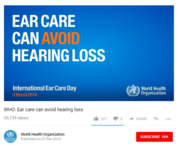
What is good ear care? Should we clean our ears? How can noise affect our ears?
Many myths and misconceptions are associated with ear problems and hearing loss. 360 million persons across the world have disabling hearing loss. About half of all these cases are easily prevented or treated. Following
...
good ear care practices, such as reducing exposure to noise, avoiding insertion of objects into the ears can prevent many from developing ear and hearing problems.
This brief animation features a young girl talking about her experience of ear pain. It depicts common home remedies and behaviour that can damage the ears, leading to hearing loss.
more

This guideline covers making people aware of how to correctly use antimicrobial medicines (including antibiotics) and the dangers associated with their overuse and misuse. It also includesmeasures to prevent and control infection that can stop people needing antimicrobials or spreadinginfection to o
...
thers. It aims to change people's behaviour to reduce antimicrobial resistance and thespread of resistant microbes.
more
Based on scientific evidence, expert consensus and country experiences, the WHO core components for infection prevention and control (IPC) are the foundation for establishing or strengthening effective programmes at the national and facility level.
These new guidelines on core components of infecti
...
on prevention and control (IPC) at the national and acute health care facility level will enhance the capacity of Member States to develop and implement effective technical and behaviour modifying interventions. They form a key part of WHO strategies to prevent current and future threats from infectious diseases such as Ebola, strengthen health service resilience, help combat antimicrobial resistance (AMR) and improve the overall quality of health care delivery. They are also intended to support countries in the development of their own national protocols for IPC and AMR action plans and to support health care facilities as they develop or strengthen their own approaches to IPC.
more
High salt consumption is an important determinant of high blood pressure and reducing it would improve health outcomes by lowering cardiovascular disease and therefore death rates. Reducing salt intake has been identified as one of the most effectiv
...
e public health measures and is one of the leading targets at global, regional and national levels to reduce the burden of noncommunicable diseases. The purpose of the Dietary Salt Intake Survey in the Republic of Moldova was to establish current baseline average consumption of salt (sodium), potassium and iodine through 24-hour urinary excretion testing among a random sample of the adult population (aged 18–69 years), and to assess the knowledge, attitudes, practices and behaviour around dietary salt in order to enable more efficient planning and the implementation of an effective salt-reduction strategy in the Republic of Moldova.
more
The Mtoto Mwerevu Stunting Reduction Toolkit is a resource for government and organisations involved in addressing stunting and broader nutrition issues in Tanzania. The toolkit was developed in conjunction with the Government of Tanzania (GoT) with funding from UK Aid as part of the Addressing Stun
...
ting in Tanzania Early (ASTUTE) programme. Its goal is to provide government, donors, non-governmental organisations, and civil society organisations (CSOs) with programming recommendations and tools to help implement successful multi-sectoral social and behaviour change (SBC) interventions aimed at preventing and reducing stunting.
more
The Mtoto Mwerevu Stunting Reduction Toolkit is a resource for government and organisations involved in addressing stunting and broader nutrition issues in Tanzania. The toolkit was developed in conjunction with the Government of Tanzania (GoT) with funding from UK Aid as part of the Addressing Stun
...
ting in Tanzania Early (ASTUTE) programme. Its goal is to provide government, donors, non-governmental organisations, and civil society organisations (CSOs) with programming recommendations and tools to help implement successful multi-sectoral social and behaviour change (SBC) interventions aimed at preventing and reducing stunting.
more
This is the first part of a five-part package that provides guidance on caregiver skills training for families of children aged 2–9 years with developmental delays or disabilities.
The Caregiver skills training for families of children with developmental delays or disabilities (CST) aims to pro
...
vide caregivers with skills that they can use at home to improve their child’s engagement in activities and communication, and to promote positive behaviour and skills for daily living.
more
iSupport
recommended
iSupport is a self-help skills and training programme for carers of people with dementia. Worldwide, around 55 million people have dementia. Dementia causes significant psychological and emotional impact on families and carers. iSupport aims to prevent and/or decrease mental and physical
...
health problems associated with caregiving and to improve the quality of life of those caring for people with dementia.
iSupport was conceptualized and developed as an online training programme. However, in areas of the world with limited internet bandwidth or low digital literacy, the iSupport hardcopy manual can be printed and used offline.
In five modules, iSupport teaches carers what dementia is and how to respond to common challenges of caregiving. The five modules are (i) introduction to dementia; (ii) being a caregiver; (iii) caring for me; (iv) providing everyday care; and (v) dealing with behaviour changes.
more
Sexual exploitation, sexual abuse and sexual harassment (SEAH) violate the rights and wellbeing of the people we serve and the people with whom we serve. Such behaviours are directly in opposition to WHO’s values and our abiding responsibility to do no harm. WHO uses the umbrella term “sexual mi
...
sconduct” to encompass the full spectrum of prohibited and unwanted behaviour of a sexual nature (including rape and sexual assault) as described in WHO’s 2023 Policy for preventing and addressing sexual misconduct (1). This is because all such acts are prohibited – whether perpetrated by WHO’s own personnel or by implementing partners – and therefore constitute misconduct. The term sexual misconduct is also easier to communicate and translate, as
victims and survivors do not always understand the complicated acronyms and definitions used by the United Nations (UN) and the humanitarian sector. However, we use the terms sexual misconduct and SEAH interchangeably as required when we interact with UN and other stakeholders.
more
Rabies is an infectious viral disease that is almost always fatal once clinical symptoms appear.
In most cases, the disease is transmitted to humans by the bite of a rabid dog, but infection can also spread through scratches or via saliva.
Rabies kills one person every 9 minutes and children aged
...
5–14 years are frequent victims.
Yet rabies is 100% vaccine preventable. Vaccinating dogs is the most cost-effective way to prevent rabies in people.
Education about dog behaviour, immediate care measures after a bite, responsible dog ownership and bite prevention are essential components of rabies elimination.
WHO and partners aim to achieve zero human rabies deaths by 2030.
The time to act is now.
More information: http://www.who.int/rabies/en/
more

This Communication Guide for Malaria Control Interventions is aligned with Tanzania’s Malaria Strategic Plan (2015–2020) and provides comprehensive guidance on the implementation of Social and Behaviour Change Communication (SBCC) for the preven
...
tion, diagnosis and treatment of malaria. It is intended for all stakeholders and implementing partners, with the aim of ensuring harmonised messaging and coordinated communication efforts. The guide outlines strategies, key messages, communication channels and target audiences, with a focus on sustaining and improving malaria-related behaviours at the individual, family and community levels. It incorporates malaria stratification and supports the development of tailored SBCC interventions in different risk areas. Developed with contributions from the Ministry of Health and Social Welfare, the National Malaria Control Programme and various partner organisations, the guide aims to reduce the malaria burden and promote a malaria-free Tanzania. Supplemented by Standard Operating Procedures (SOPs), the guide serves as a practical tool for consistent and effective malaria communication nationwide.
more

This document was developed by the Ministry of Health in Malawi in collaboration with national and international partners. It introduces a Social and Behaviour Change (SBC) malaria message guide tha
...
t is aligned with the National Malaria Communication Strategy (NMCS) for the period 2023–2030. The guide aims to facilitate effective communication and behavioural change in order to reduce malaria-related morbidity and mortality. It provides a reference framework for messaging and communication tools tailored to target groups, supporting the broader goals of the Health Sector Strategic Plan III. This guide was developed with technical and financial support from key partners, including USAID, PMI through Breakthrough ACTION, and other stakeholders. The guide reflects Malawi’s ongoing commitment to evidence-based SBC interventions, community engagement, and the national fight against malaria.
more

Policy Brief. Good practice statement: When planning and implementing a response for HIV, viral hepatitis and sexually transmitted diseases (STIs), policy-makers and providers should be aware that
counselling behavioural interventions aimed to change behaviours to reduce risks associated
with th
...
ese infections for key populations have not been shown to have an effect on HIV, viral
hepatitis and STIs’ incidence nor on risk behaviour such as condom use and needle/syringe
sharing. Counselling and information sharing, not aimed at changing behaviours, can be a key
component of engagement with key populations and, when provided, it should be in a nonjudgemental manner, alongside other prevention interventions and with involvement of peers
more
Since the 1960s, the Tanzanian government has been striving to improve access to quality healthcare, including primary care. However, tuberculosis (TB) remains a significant public health concern, with an estimated prevalence rate of 528 cases per 1
...
00,000 people. However, currently, only 36% of TB cases are detected, leaving many undiagnosed within the community. Challenges include low community awareness, long distances to diagnostic centres and delayed health-seeking behaviour.
To address these issues, the Ministry of Health (MOHCDGEC) adopted the ENGAGE TB approach, involving NGOs, civil society organisations (CSOs) and other non-state actors in community-based TB activities. This has increased the number of active organisations from five to approximately twenty.
Building on this success, the Ministry has developed national operational guidelines for community-based TB, TB/HIV and drug-resistant TB interventions, with the aim of improving collaboration between communities and health facilities. These guidelines will be updated regularly, and stakeholders are urged to comply fully with them and support TB control efforts.
more
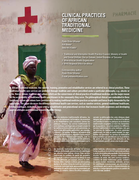
In African traditional medicine, the curative, training, promotive and rehabilitative services are referred to as clinical practices. These traditional health care services are provided through tradition and culture prescribed under a particular phi
...
losophy, e.g. ubuntu or unhu. Norms, taboos, tradition and culture, which are the cornerstones of clinical practice of traditional medicine, are the major reason for the acceptability of traditional health practitioners in the community they serve. The philosophical clinical care embedded in these traditions, culture and taboos have contributed to making traditional medicine practices acceptable and hence highly demanded by the population. This paper discusses the different traditional health care services, such as curative services, general traditional healthcare, mental healthcare, midwifery, bone setting, rehabilitative and promotional services that increases health awareness and developing
positive attitudes and behaviour towards healthier living).
more
