
Filter
6753
Text search:
basic
health
services
Featured
616
1942
Language
6543
165
122
85
68
32
30
22
15
11
9
9
8
8
7
7
6
6
6
5
5
5
5
4
4
4
4
3
3
3
3
3
3
3
3
3
3
3
3
3
3
2
2
2
2
2
2
2
2
2
1
1
1
1
1
1
1
1
1
1
1
Document type
3792
1091
766
453
282
147
97
82
13
11
8
7
1
Countries
321
275
214
162
159
159
157
157
153
150
126
115
115
109
103
100
89
85
83
82
77
73
69
62
58
56
49
44
44
42
42
41
41
40
39
37
35
34
28
27
26
26
25
24
23
22
22
22
20
20
19
19
18
16
16
16
14
14
13
13
13
12
12
12
11
11
11
10
9
8
7
7
6
6
6
6
6
6
6
5
5
5
5
5
5
4
4
4
4
4
4
4
4
4
3
3
3
3
3
3
3
3
3
2
2
2
2
2
2
2
2
2
2
2
2
2
2
2
2
2
2
2
2
1
1
1
1
1
1
1
1
1
1
1
1
1
1
1
1
1
1
1
1
1
1
1
1
Authors & Publishers
763
268
172
168
165
154
123
112
74
48
45
41
40
37
37
36
33
32
32
31
30
30
27
26
26
25
25
24
24
24
24
24
23
22
21
21
21
21
21
20
20
20
20
20
19
19
18
18
18
17
17
17
16
16
15
15
15
14
14
14
14
14
13
13
13
13
13
13
12
12
12
12
12
12
12
12
11
11
11
11
11
11
11
11
10
10
10
10
10
10
10
10
10
10
10
9
9
9
9
9
9
9
9
9
9
9
9
9
9
9
8
8
8
8
8
8
8
8
8
8
8
7
7
7
7
7
7
7
7
7
7
7
7
7
7
7
7
7
7
7
7
7
7
7
6
6
6
6
6
6
6
6
6
6
6
6
6
6
6
6
6
6
6
6
6
6
6
6
6
6
6
6
6
5
5
5
5
5
5
5
5
5
5
5
5
5
5
5
5
5
5
5
5
5
5
5
5
5
5
5
5
5
5
5
5
5
5
5
5
5
5
5
5
5
5
5
5
5
5
5
5
5
5
5
5
5
5
5
4
4
4
4
4
4
4
4
4
4
4
4
4
4
4
4
4
4
4
4
4
4
4
4
4
4
4
4
4
4
4
4
4
4
4
4
4
4
4
4
4
4
4
4
4
4
4
4
4
4
4
4
4
4
4
4
4
4
4
4
4
4
4
4
4
4
4
3
3
3
3
3
3
3
3
3
3
3
3
3
3
3
3
3
3
3
3
3
3
3
3
3
3
3
3
3
3
3
3
3
3
3
3
3
3
3
3
3
3
3
3
3
3
3
3
3
3
3
3
3
3
3
3
3
3
3
3
3
3
3
3
3
3
3
3
3
3
3
3
3
3
3
3
3
3
3
3
3
3
3
3
3
3
3
3
3
3
3
3
3
3
3
3
3
3
3
3
3
3
3
3
3
3
3
3
3
3
3
3
3
3
3
3
3
3
3
3
3
2
2
2
2
2
2
2
2
2
2
2
2
2
2
2
2
2
2
2
2
2
2
2
2
2
2
2
2
2
2
2
2
2
2
2
2
2
2
2
2
2
2
2
2
2
2
2
2
2
2
2
2
2
2
2
2
2
2
2
2
2
2
2
2
2
2
2
2
2
2
2
2
2
2
2
2
2
2
2
2
2
2
2
2
2
2
2
2
2
2
2
2
2
2
2
2
2
2
2
2
2
2
2
2
2
2
2
2
2
2
2
2
2
2
2
2
2
2
2
2
2
2
2
2
2
2
2
2
2
2
2
2
2
2
2
2
2
2
2
2
2
2
2
2
2
2
2
2
2
2
2
2
2
2
2
2
2
2
2
2
2
2
2
2
2
2
2
2
2
2
2
2
2
2
2
2
2
2
2
2
2
2
2
2
2
2
2
2
2
2
2
2
2
2
2
2
2
2
2
2
2
2
2
2
2
2
2
2
2
2
2
2
2
2
2
2
2
2
2
2
2
2
2
2
2
2
2
2
2
2
2
2
2
2
2
2
2
2
2
2
2
2
2
2
2
2
2
2
2
2
2
2
2
2
2
2
2
2
2
2
2
2
2
2
2
2
2
2
2
2
2
2
2
2
2
2
2
2
2
2
2
2
2
2
2
2
2
2
2
2
2
2
2
2
2
2
2
2
2
2
2
2
2
2
2
2
2
2
2
2
2
2
2
2
2
2
2
2
2
2
2
2
2
2
2
2
2
2
2
2
2
2
2
2
2
2
2
2
2
2
2
2
2
2
2
2
2
2
2
2
2
2
2
2
2
2
2
2
2
2
2
2
1
1
1
1
1
1
1
1
1
1
1
1
1
1
1
1
1
1
1
1
1
1
1
1
1
1
1
1
1
1
1
1
1
1
1
1
1
1
1
1
1
1
1
1
1
1
1
1
1
1
1
1
1
1
1
1
1
1
1
1
1
1
1
1
1
1
1
1
1
1
1
1
1
1
1
1
1
1
1
1
1
1
1
1
1
1
1
1
1
1
1
1
1
1
1
1
1
1
1
1
1
1
1
1
1
1
1
1
1
1
1
1
1
1
1
1
1
1
1
1
1
1
1
1
1
1
1
1
1
1
1
1
1
1
1
1
1
1
1
1
1
1
1
1
1
1
1
1
1
1
1
1
1
1
1
1
1
1
1
1
1
1
1
1
1
1
1
1
1
1
1
1
1
1
1
1
1
1
1
1
1
1
1
1
1
1
1
1
1
1
1
1
1
1
1
1
1
1
1
1
1
1
1
1
1
1
1
1
1
1
1
1
1
1
1
1
1
1
1
1
1
1
1
1
1
1
1
1
1
1
1
1
1
1
1
1
1
1
1
1
1
1
1
1
1
1
1
1
1
1
1
1
1
1
1
1
1
1
1
1
1
1
1
1
1
1
1
1
1
1
1
1
1
1
1
1
1
1
1
1
1
1
1
1
1
1
1
1
1
1
1
1
1
1
1
1
1
1
1
1
1
1
1
1
1
1
1
1
1
1
1
1
1
1
1
1
1
1
1
1
1
1
1
1
1
1
1
1
1
1
1
1
1
1
1
1
1
1
1
1
1
1
1
1
1
1
1
1
1
1
1
1
1
1
1
1
1
1
1
1
1
1
1
1
1
1
1
1
1
1
1
1
1
1
1
1
1
1
1
1
1
1
1
1
1
1
1
1
1
1
1
1
1
1
1
1
1
1
1
1
1
1
1
1
1
1
1
1
1
1
1
1
1
1
1
1
1
1
1
1
1
1
1
1
1
1
1
1
1
1
1
1
1
1
1
1
1
1
1
1
1
1
1
1
1
1
1
1
1
1
1
1
1
1
1
1
1
1
1
1
1
1
1
1
1
1
1
1
1
1
1
1
1
1
1
1
1
1
1
1
1
1
1
1
1
1
1
1
1
1
1
1
1
1
1
1
1
1
1
1
1
1
1
1
1
1
1
1
1
1
1
1
1
1
1
1
1
1
1
1
1
1
1
1
1
1
1
1
1
1
1
1
1
1
1
1
1
1
1
1
1
1
1
1
1
1
1
1
1
1
1
1
1
1
1
1
1
1
1
1
1
1
1
1
1
1
1
1
1
1
1
1
1
1
1
1
1
1
1
1
1
1
1
1
1
1
1
1
1
1
1
1
1
1
1
1
1
1
1
1
1
1
1
1
1
1
1
1
1
1
1
1
1
1
1
1
1
1
1
1
1
1
1
1
1
1
1
1
1
1
1
1
1
1
1
1
1
1
1
1
1
1
1
1
1
1
1
1
1
1
1
1
1
1
1
1
1
1
1
1
1
1
1
1
1
1
1
1
1
1
1
1
1
1
1
1
1
1
1
1
1
1
1
1
1
1
1
1
1
1
1
1
1
1
1
1
1
1
1
1
1
1
1
1
1
1
1
1
1
1
1
1
1
1
1
1
1
1
1
1
1
1
1
1
1
1
1
1
1
1
1
1
1
1
1
1
1
1
1
1
1
1
1
1
1
1
1
1
1
1
1
1
1
1
1
1
1
1
1
1
1
1
1
1
1
1
1
1
1
1
1
1
1
1
1
1
1
1
1
1
1
1
1
1
1
1
1
1
1
1
1
1
1
1
1
1
1
1
1
1
1
1
1
1
1
1
1
1
1
1
1
1
1
1
1
1
1
1
1
1
1
1
1
1
1
1
1
1
1
1
1
1
1
1
1
1
1
1
1
1
1
1
1
1
1
1
1
1
1
1
1
1
1
1
1
1
1
1
1
1
1
1
1
1
1
1
1
1
1
1
1
1
1
1
1
1
1
1
1
1
1
1
1
1
1
1
1
1
1
1
1
1
1
1
1
1
1
1
1
1
1
1
1
1
1
1
1
1
1
1
1
1
1
1
1
1
1
1
1
1
1
1
1
1
1
1
1
1
1
1
1
1
1
1
1
1
1
1
1
1
1
1
1
1
1
1
1
1
1
1
1
1
1
1
1
1
1
1
1
1
1
1
1
1
1
1
1
1
1
1
1
1
1
1
1
1
1
1
1
1
1
1
1
1
1
1
1
1
1
1
1
1
1
1
1
1
1
1
1
1
1
1
1
1
1
1
1
1
1
1
1
1
1
1
1
1
1
1
1
1
1
1
1
1
1
1
1
1
1
1
1
1
1
1
1
1
1
1
1
1
1
1
1
1
1
1
1
1
1
1
1
1
1
1
1
1
1
1
1
1
1
1
1
1
1
1
1
1
1
1
1
1
1
1
1
1
1
1
1
1
1
1
1
1
1
1
1
1
1
1
1
1
1
1
1
1
1
1
1
1
1
1
1
1
1
1
1
1
1
1
1
1
1
1
1
1
1
1
1
1
1
1
1
1
1
1
1
1
1
1
1
1
1
1
1
1
1
1
1
1
1
1
1
1
1
1
1
1
1
1
1
1
1
1
1
1
1
1
1
1
1
1
1
1
1
1
1
1
1
1
1
1
1
1
1
1
1
1
1
1
1
1
1
1
1
1
1
1
1
1
1
1
1
1
1
1
1
1
1
1
1
1
1
1
1
1
1
1
1
1
1
1
1
1
1
1
1
1
1
1
1
1
1
1
1
1
1
1
1
1
1
1
1
1
1
1
1
1
1
1
1
1
1
1
1
1
1
1
1
1
1
1
1
1
1
1
1
1
1
1
1
1
1
1
1
1
1
1
1
1
1
1
1
1
1
1
1
1
1
1
1
1
1
1
1
1
1
1
1
1
1
1
1
1
1
1
1
1
1
1
1
1
1
1
1
1
1
1
1
1
1
1
1
1
1
1
1
1
1
1
1
1
1
1
1
1
1
1
1
1
1
1
1
1
1
1
1
1
1
1
1
1
1
1
1
1
1
1
1
1
1
1
1
1
1
1
1
1
1
1
1
1
1
1
1
1
1
1
1
1
1
1
1
1
1
1
1
1
1
1
1
1
1
1
1
1
1
1
1
1
1
1
1
1
1
1
1
1
1
1
1
1
1
1
1
1
1
1
1
1
1
1
1
1
1
1
1
1
1
1
1
1
1
1
1
1
1
1
1
1
1
1
1
1
1
1
1
1
1
1
1
1
1
1
1
1
1
1
1
1
1
1
1
1
1
1
1
1
1
1
1
1
1
1
1
1
1
1
1
1
1
1
1
1
1
1
1
1
1
1
1
1
1
1
1
1
1
1
1
1
1
1
1
1
1
1
1
1
1
1
1
1
1
1
1
1
1
1
1
1
1
1
1
1
1
1
1
1
1
1
1
1
1
1
1
1
1
1
1
1
1
1
1
1
1
1
1
1
1
1
1
1
1
1
1
1
1
1
1
1
1
1
1
1
1
1
1
1
1
1
1
1
1
1
1
1
1
1
1
1
1
1
1
1
1
1
1
1
1
1
1
1
1
1
1
1
1
1
1
1
1
1
1
1
1
1
1
1
1
1
1
1
1
1
1
1
1
1
1
1
1
1
1
1
1
1
1
1
1
1
1
1
1
1
1
1
1
1
1
1
1
1
1
1
1
1
1
1
1
1
1
1
1
1
1
1
1
1
1
1
1
1
1
1
1
1
1
1
1
1
1
1
1
1
1
1
1
1
1
1
1
1
1
1
1
1
1
1
1
1
1
1
1
1
1
1
1
1
1
1
1
1
1
1
1
1
1
1
1
1
1
1
1
1
1
1
1
1
1
1
1
1
1
1
1
1
1
1
1
1
1
1
1
1
1
1
1
1
1
1
1
1
1
1
1
1
1
1
1
1
1
1
1
1
1
1
1
1
1
1
1
1
1
1
1
1
1
1
1
1
1
1
1
1
1
1
1
1
1
1
1
1
1
1
1
1
1
1
1
1
1
1
1
1
1
1
1
1
1
1
1
1
1
1
1
1
1
1
1
1
1
1
1
1
1
1
1
1
1
1
1
1
1
1
1
1
1
1
1
1
1
1
1
1
1
1
1
1
1
1
1
1
1
1
1
1
1
1
1
1
1
1
1
1
1
1
1
1
1
1
1
1
1
1
1
1
1
1
1
1
1
1
1
1
1
1
1
1
1
1
1
1
1
1
1
1
1
1
1
1
1
1
1
1
1
1
1
1
1
1
1
1
1
1
1
1
1
1
1
1
1
1
1
1
1
1
1
1
1
1
1
1
1
1
1
1
1
1
1
1
1
1
1
1
1
1
1
1
1
1
1
1
1
1
1
1
1
1
1
1
1
1
1
1
1
1
1
1
1
1
1
1
1
1
1
1
1
1
1
1
1
1
1
1
1
1
1
1
1
1
1
1
1
1
1
1
1
1
1
1
1
1
1
1
1
1
1
1
1
1
1
1
1
1
1
1
1
1
1
1
1
1
1
1
1
1
1
1
1
1
1
1
1
1
1
1
1
1
1
1
1
1
1
1
1
1
1
1
1
1
1
1
1
1
1
1
1
1
1
1
1
1
1
1
1
1
1
1
1
1
1
1
1
1
1
1
1
1
1
1
1
1
1
1
1
1
1
1
1
1
1
1
1
1
1
1
1
1
1
1
1
1
1
1
1
1
1
1
1
1
1
1
1
1
1
1
1
1
1
1
1
1
1
1
1
1
1
1
1
1
1
1
1
1
1
1
1
1
1
1
1
1
1
1
1
1
1
1
1
1
1
1
1
1
1
1
1
1
1
1
1
1
1
1
1
1
1
1
1
1
1
1
1
1
1
1
1
1
1
1
1
1
1
1
1
1
1
1
1
1
1
1
1
1
1
1
1
1
1
1
1
1
1
1
1
1
1
1
1
1
1
1
1
1
1
1
1
1
1
1
1
1
1
1
1
1
1
1
1
1
1
1
1
1
1
1
1
1
1
1
1
1
1
1
1
1
1
1
1
1
1
1
1
1
1
1
1
1
1
1
1
1
1
1
1
1
1
1
1
1
1
1
1
1
1
1
1
1
1
1
1
1
1
1
1
1
1
1
1
1
1
1
1
1
1
1
1
1
1
1
1
1
1
1
1
1
1
1
1
1
1
1
1
1
1
1
1
1
1
1
1
1
1
1
1
1
1
1
1
1
1
1
1
1
1
1
1
1
1
1
1
1
1
1
1
1
1
1
1
1
1
1
1
1
1
1
1
1
1
1
1
1
1
1
1
1
1
1
1
1
1
1
1
1
1
1
1
1
1
1
1
1
1
1
1
1
1
1
1
1
1
1
1
1
1
1
1
1
1
1
1
1
1
1
1
1
1
1
1
1
1
1
1
1
1
1
1
1
1
1
1
1
1
1
1
1
1
1
1
1
1
1
1
1
1
1
1
1
1
1
1
1
1
1
1
1
1
1
1
1
1
1
1
1
1
1
1
1
1
1
1
1
1
1
1
1
1
1
1
1
1
1
1
1
1
1
1
1
1
1
1
1
1
1
1
1
1
1
1
1
1
1
1
1
1
1
1
1
1
1
1
1
1
1
1
1
1
1
1
1
1
1
1
1
1
1
1
1
1
1
1
1
1
1
1
1
1
1
1
1
1
1
1
1
1
1
1
1
1
1
1
1
1
1
1
1
1
1
1
1
1
1
1
1
1
1
1
1
1
1
1
1
1
1
1
1
1
1
1
1
1
1
1
1
1
1
1
1
1
1
1
1
1
1
1
1
1
1
1
1
1
1
1
1
1
1
1
1
1
1
1
1
1
1
1
1
1
1
1
1
1
1
1
1
1
1
1
1
1
1
1
1
1
1
1
1
1
1
1
1
1
1
1
1
1
1
1
1
1
1
1
1
1
1
1
1
1
1
1
1
1
1
1
1
1
1
1
1
1
1
1
1
1
1
1
1
1
1
1
1
1
1
1
1
1
1
1
1
1
1
1
1
1
1
1
1
1
1
1
1
1
1
1
1
1
1
1
1
1
1
1
1
1
1
1
1
1
1
1
1
1
1
1
1
1
1
1
1
1
1
1
1
1
1
1
1
1
1
1
1
1
1
1
1
1
1
1
1
1
1
1
1
1
1
1
1
1
1
1
1
1
1
1
1
1
1
1
1
1
1
1
1
1
1
1
1
1
1
1
1
1
1
1
1
1
1
1
1
1
1
1
1
1
1
1
1
1
1
1
1
1
1
1
1
1
1
1
1
1
1
1
1
1
1
1
1
1
1
1
1
1
1
1
1
1
1
1
1
1
1
1
1
1
1
1
1
1
1
1
1
1
1
1
1
1
1
1
1
1
1
1
1
1
1
1
1
1
1
1
1
1
1
1
1
1
1
1
1
1
1
1
1
1
1
1
1
1
1
1
1
1
1
1
1
1
1
1
1
1
1
1
1
1
1
1
1
1
1
1
1
1
1
1
1
1
1
1
1
1
1
1
1
1
1
1
1
1
1
1
1
1
1
1
1
1
1
1
1
1
1
1
1
1
1
1
1
1
1
1
1
1
1
1
1
1
1
1
1
1
1
1
1
1
1
1
1
1
1
1
1
1
1
1
1
1
1
1
1
1
1
1
1
1
1
1
1
1
1
1
1
1
1
1
1
1
1
1
1
1
1
1
1
1
1
1
1
1
1
1
1
1
1
1
1
1
1
1
1
1
1
1
1
1
1
1
1
1
1
1
1
1
1
1
1
1
1
1
1
1
1
1
1
1
1
1
1
1
1
1
1
1
1
1
1
1
1
1
1
1
1
1
1
1
1
1
1
1
1
1
1
1
1
1
1
1
1
1
1
1
1
1
1
1
1
1
1
1
1
1
1
1
1
1
1
1
1
1
1
1
1
1
1
1
1
1
1
1
1
1
1
1
1
1
1
1
1
1
1
1
1
1
1
1
1
1
1
1
1
1
1
1
1
1
1
1
1
1
1
1
1
1
1
1
1
1
1
1
1
1
1
1
1
1
1
1
1
1
1
1
1
1
1
1
1
1
1
1
1
1
1
1
1
1
1
1
1
1
1
1
1
1
1
1
1
1
1
1
1
1
1
1
1
1
1
1
1
1
1
1
1
1
1
1
1
1
1
1
1
1
1
1
1
1
1
1
1
1
1
1
1
1
1
1
1
1
1
1
1
1
1
1
1
1
1
1
1
1
1
1
1
1
1
1
1
1
1
1
1
1
1
1
1
1
1
1
1
1
1
1
1
1
1
1
1
1
1
1
1
1
1
1
1
1
1
1
1
1
1
1
1
1
1
1
1
1
1
1
1
1
1
1
1
1
1
1
1
1
1
1
1
1
1
1
1
1
1
1
1
1
1
1
1
1
1
1
1
1
1
1
1
1
1
1
1
1
1
1
1
1
1
1
1
1
1
1
1
1
1
1
1
1
1
1
1
1
1
1
1
1
1
1
1
1
1
1
1
1
1
1
1
1
1
1
1
1
1
1
1
1
1
1
1
1
1
1
1
1
1
1
1
1
1
1
1
1
1
1
1
1
1
1
1
1
1
1
1
1
1
1
1
1
1
1
1
1
1
1
1
1
1
1
1
1
1
1
1
1
1
1
1
1
1
1
1
1
1
1
1
1
1
1
1
1
1
1
1
1
1
1
1
1
1
1
1
1
1
1
1
1
1
1
1
1
1
1
1
1
1
1
1
1
1
1
1
1
1
1
1
1
1
1
1
1
1
1
1
1
1
1
1
1
1
1
1
1
1
1
1
1
1
1
1
1
1
1
1
1
1
1
1
1
1
1
1
1
1
1
1
1
1
1
1
1
1
1
1
1
1
1
1
1
1
1
1
1
1
1
1
1
1
1
1
1
1
1
1
1
1
1
1
1
1
1
1
1
1
1
1
1
1
1
1
1
1
1
1
1
1
1
1
1
1
1
1
1
1
1
1
1
1
1
1
1
1
1
1
1
1
1
1
1
1
1
1
1
1
1
1
1
1
1
1
1
1
1
1
1
1
1
1
1
1
1
1
1
1
1
1
1
1
1
1
1
1
1
1
1
1
1
1
1
1
1
1
1
1
1
1
1
1
1
1
1
1
1
1
1
1
1
1
1
1
1
1
1
1
1
1
1
1
1
1
1
1
1
1
1
1
1
1
1
1
1
1
1
1
1
1
1
1
1
1
1
1
1
1
1
1
1
1
1
1
1
1
1
1
1
1
1
1
1
1
1
1
1
1
1
1
1
1
1
1
1
1
1
1
1
1
1
1
1
1
1
1
1
1
1
1
1
1
1
1
1
1
1
1
1
1
1
1
1
1
1
1
1
1
1
1
1
1
1
1
1
1
1
1
1
1
1
1
1
1
1
1
1
1
1
1
1
1
1
1
1
1
1
1
1
1
1
1
1
1
1
1
1
1
1
1
1
1
1
1
1
1
1
1
1
1
1
1
1
1
1
1
1
1
1
1
1
1
1
1
1
1
1
1
1
1
1
1
1
1
1
1
1
1
1
1
1
1
1
1
1
1
1
1
1
1
1
1
1
1
1
1
1
1
1
1
1
1
1
1
1
1
1
1
1
1
1
1
1
1
1
1
1
1
1
1
1
1
1
1
1
1
1
1
1
1
1
1
1
1
1
1
1
1
1
1
1
1
1
1
1
1
1
1
1
1
1
1
1
1
1
1
1
1
1
1
1
1
1
1
1
1
1
1
1
1
1
1
1
1
1
1
1
1
1
1
1
1
1
1
1
1
1
1
1
1
1
1
1
1
1
1
1
1
1
1
1
1
1
1
1
1
1
1
1
1
1
1
1
1
1
1
1
1
1
1
1
1
1
1
1
1
1
1
1
1
1
1
1
1
1
1
1
1
1
1
1
1
1
1
1
1
1
1
1
1
1
1
1
1
1
1
1
1
1
1
1
1
1
1
1
1
1
1
1
1
1
1
1
1
1
1
1
1
1
1
1
1
1
1
1
1
1
1
1
1
1
1
1
1
1
1
1
1
1
1
1
1
1
1
1
1
1
1
1
1
1
1
1
1
1
1
1
1
1
1
1
1
1
1
1
1
1
1
1
1
1
1
1
1
1
1
1
1
1
1
1
1
1
1
1
1
1
1
1
1
1
1
1
1
1
1
1
1
1
1
1
1
1
1
1
1
1
1
1
1
1
1
1
1
1
1
1
1
1
1
1
1
1
1
1
1
1
1
1
1
1
1
1
1
1
1
1
1
1
1
1
1
1
1
1
1
1
1
1
1
1
1
1
1
1
1
1
1
1
1
1
1
1
1
1
1
1
1
1
1
1
1
1
1
1
1
1
1
1
1
1
1
1
1
1
1
1
1
1
1
1
1
1
1
1
1
1
1
1
1
1
1
1
1
1
1
1
1
1
1
1
1
1
1
1
1
1
1
1
1
1
1
1
1
1
1
1
1
1
1
1
1
1
1
1
1
1
1
1
1
1
1
1
1
1
1
1
1
1
1
1
1
1
1
1
1
1
1
1
1
1
Publication Years
1866
4165
681
36
4
1
Category
2811
528
381
371
355
185
64
1
Toolboxes
560
520
386
286
247
223
211
205
170
155
140
138
136
123
122
104
84
82
80
63
44
42
38
27
26
7
2
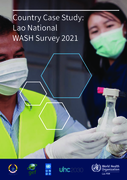
This report describes the results of the Lao People's Democratic Republic (LAO PDR) National WASH Survey 2021. The survey examined water, sanitation and hygiene (WASH) and waste management services, as well as climate resilience, in Lao PDR
...
health-care facilities. The survey reveals that while most facilities (70%) have basic water services, there are significant gaps in the delivery of sanitation, hygiene and health-care waste services, and few facilities are climate resilient, despite a majority being impacted by extreme weather events. Based on these results, the report presents a monitoring framework and national- and HCF-level measures to further enhance WASH services and climate resilience in the country.
more

WHO’s Country Cooperation Strategy (CCS) defines the Organization’s medium-term vision for working in and with a particular country. The CCS, developed in the context of global and national health priorities, examines the overall
...
health situation in a country, including the state of the health sector, socioeconomic status and the major health determinants.
This CCS sets out WHO’s strategic framework for collaboration with the Syrian Arab Republic, from June 2022 until June 2025, in light of the 12 years of crisis that have had a devastating impact on the health sector and infrastructure of basic services. It carefully considers the current and projected issues during its transition from continued humanitarian assistance to recovery, resilience and development. The consolidation of health policies and strategies and health system strengthening, based on the strengthening of primary health care (PHC), aims to contribute to the achievement of national and global development and health goals and the targets of the SDGs.
more

While there has been real progress in addressing the burden of disease in the WHO African region, the COVID-19 pandemic has highlighted the link between health, economics and security, as the region saw decades of progress threatened, including posi
...
tive trends in decreasing inequality. In the African Region the momentum towards achieving the 2030 SDG disease burden reduction targets (SDG targets 3.3, 3.4 and 3B) has stalled.
The COVID-19 pandemic was also a major threat to gains made, such as the eradication of polio in the region, declared in 2020; reduced numbers of new HIV infections in 2021 compared to 2010; and passing the 2020 milestone of the End TB Strategy, with a 22% reduction in new cases compared with 2015. However, the pandemic also disrupted essential health services in 92% of countries globally, 22.7 million children missed basic immunization, there was an increase in malaria and TB, and global deaths from TB rose for the first time since 2015.
more
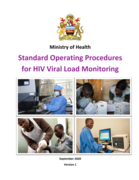
The goal of producing these Standard Operating Procedures (SOPs) was therefore targeted at fostering standardization across all levels of care to ensure HIV viral load monitoring remains a basic right offered to all people living with HIV (PLHIV) on
...
lifelong antiretroviral therapy (ART) regardless of their location and place where they are accessing care.
These SOPs are designed to provide practical information to healthcare providers. They must be considered as supplementary and secondary to all guidelines issued by the MOH, including the Malawi Clinical Management of HIV in Children and Adults Guidelines and the Malawi HIV Testing Services (HTS) Guidelines.
more

On Global Handwashing Day, WHO and UNICEF have released the first-ever global Guidelines on Hand Hygiene in Community Settings to support governments and practitioners in promoting effective hand hygiene outside health care – across households, pu
...
blic spaces and institutions. Framing hand hygiene as a public good and a government responsibility, the Guidelines translate evidence into ready-to-adopt actions that enable sustainable access to effective hygiene services. This will reduce diarrhoeal disease, acute respiratory infections and other preventable illnesses, strengthening routine public health where people live, work, visit and study, and emergency preparedness, including outbreaks like cholera.
Despite clear benefits, 1.7 billion people still lacked basic hand hygiene services at home in 2024, including 611 million with no facility at all. Meeting the 2030 target will require accelerated progress – about a doubling in the global rate, and much faster in specific settings (up to 11-fold in least-developed countries and 8-fold in fragile contexts). Hand hygiene remains one of the most cost-effective health investments, reducing diarrhoea by 30% and acute respiratory infections by 17%, with large, measurable gains for population health.
“Clean hands save lives, but results at scale require policy, financing and accountability,” said Dr Ruediger Krech, Director a.i, Department of Environment, Climate Change, One Health & Migration at the World Health Organization. “These Guidelines help countries move beyond fragmented projects to government-led systems that make soap, water, and conditions conducive to everyday hand hygiene the norm.”
“Children and young people pay the highest price when basic hygiene is out of reach,” said Cecilia Scharp, Director, Water Sanitation and Hygiene (WASH) Team, Programme Group, UNICEF. “These Guidelines provide practical steps to ensure facilities are accessible when they need to be – in homes, schools, markets, and transport hubs – so every child can learn, play and thrive with dignity.”
more

Together we can Prevent and Control the World's Most Common Diseases
Objectives of the training manual
(1) To improve knowledge of NCD trends, burdens, as well as systems for management and monitoring of NCD services for Township Medical O ... fficers (TMOs), Township Public Health Officers (TPHOs), Medical Officers (MOs). The manual can also be used for training of Basic Health staff (BHS), TMOs, TPHOs and MOs,
(2) To equip trainers to train BHS to conduct PEN protocols at the primary care level health centers,
(3) To equip trainers to train in processes to conduct PEN scaling up monitoring , supervision and evaluation activities. more
Objectives of the training manual
(1) To improve knowledge of NCD trends, burdens, as well as systems for management and monitoring of NCD services for Township Medical O ... fficers (TMOs), Township Public Health Officers (TPHOs), Medical Officers (MOs). The manual can also be used for training of Basic Health staff (BHS), TMOs, TPHOs and MOs,
(2) To equip trainers to train BHS to conduct PEN protocols at the primary care level health centers,
(3) To equip trainers to train in processes to conduct PEN scaling up monitoring , supervision and evaluation activities. more
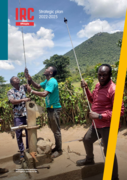
After introducing Ethiopia's WASH sector challenges and trends, the plan describes IRC Ethiopia's vision and strategy which draws from IRC and Water For People's joint framework - Destination 2030. It then details the organisational changes and business development needed to implement the strategic
...
plan. Detailed targets are provided in the annexes.
At IRC, we believe that turning on a working tap should not be a surprise or cause for celebration. We believe in a world where water, sanitation and hygiene services are fundamental utilities that everyone is able to take for granted. For good.
We face a complex challenge. Every year, thousands of projects within and beyond the WASH sector fail – the result of short-term targets and interventions, at the cost of longterm service solutions.
This leaves around a third of the world’s poorest people without access to the most basic of human rights, and leads directly to economic, social and health problems on a global scale. IRC exists to continually challenge and shape the established practices of the WASH sector.
Through collaboration and the active application of our expertise, we work with governments, service providers and international organisations to deliver systems and services that are truly built to last.
more
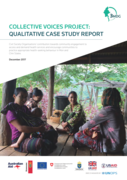
Civil Society Organisations’ contribution towards community engagement to access and demand health services and encourage communities to practice appropriate
...
health-seeking behaviour in Mon and Chin States. The study recognizes that civil society can promote people-centered health by creating an enabling environment for broad and active citizen participation. The VHCs/Volunteer Working Groups play a key role in facilitating engagement between the village community and the Basic Health Staff (BHS).
more

Civil Society Organisations’ contribution towards community engagement to access and demand health services and encourage communities to practice appropriate
...
health-seeking behaviour in Mon and Chin States
The following report is a study of 14 villages under the Collective Voices project (November 2015-December 2017) in the states of Mon and Chin. The objectives of the study were:
(1) to explore Village Health Committee (VHC) members, Basic Health Staff (BHS), and community members’ perceptions on community engagement in seeking and demanding health care and
(2) to describe health-seeking behaviours relating to Maternal, Newborn, and Child Health and hygiene practices among target beneficiaries. more
The following report is a study of 14 villages under the Collective Voices project (November 2015-December 2017) in the states of Mon and Chin. The objectives of the study were:
(1) to explore Village Health Committee (VHC) members, Basic Health Staff (BHS), and community members’ perceptions on community engagement in seeking and demanding health care and
(2) to describe health-seeking behaviours relating to Maternal, Newborn, and Child Health and hygiene practices among target beneficiaries. more

Only 10 per cent of households have electricity. Less than one half (46 per cent) of the households use basic sanitation facilities. Three in every four of the household population had basic drinkin
...
g water services. More than one third of under-5 Malawian children (boys 39 per cent than girls 32 per cent) suffer from stunting with related health issues that can include cognitive impairment.
more

The report studied child poverty in nine dimensions – development/stunting, nutrition, health, water, sanitation, and housing. Other dimensions included education, health related knowledge, and in
...
formation and participation.
An estimated 36 million of a total population of 41 million children under the age of 18 in Ethiopia are multi-dimensionally poor, meaning they are deprived of basic goods and services in at least three dimensions
more
Lancet Glob Health 2019 Published Online January 24, 2019 http://dx.doi.org/10.1016/S2214-109X(18)30479-0
The health-care system collapse underway in Venezuela is a cause of utmost concern for
...
its people and, increasingly, for the wider region. Declines in provision of basic services, such as childhood immunisation, malaria control, water, sanitation, and nutritional support, have led to increasing morbidity and mortality rates from an array of preventable diseases, including malaria, measles, and diphtheria. Secondary and tertiary care have also been greatly affected, due to declining investment, out-migration of providers, and spiralling hyperinflation that has driven the country and its people into poverty.1 As is so often, and so tragically, the case, the most affected populations have been the most vulnerable: infants and children, their mothers, the poor (now the great majority of the populations), and indigenous people
more
It provides basic information on HIV/AIDS, STIs and Gender-Based Violence (GBV) during outreach session. This helps to increase awareness and risk perception of HIV, STI and GBV, motivate to seek HIV, STI and GBV
...
services while sensitizing and empowering female sex workers transgender sex workers to prevent GBV by making them aware of sexual and reproductive health rights and legal provisions.
more

It is the policy of the GoR to ensure that children’s rights are met through the provision of basic needs and services for all children in the country, and protect them from abuse and exploitation
...
. Children are defined as persons below the age of 18 years and the ICRP covers children from the time before their birth until they complete the age of 18 years. The Integrated Child Rights Policy of Rwanda is based on seven key themes: Identity and Nationality; Family and Alternative Care; Survival, Health and Standards of Living; Education; Protection; Justice; and Child Participation.
more
The COVID-19 pandemic poses an additional and critical challenge in a fragile humanitarian context, where the population is already highly vulnerable and lives in often overcrowded settlements where distancing is impossible, and with limited access to basi
...
c health services and hygiene. Further spread of COVID-19 in the EHoA region will burden the already complex humanitarian situation with devastating consequences.
more

This section deals with implementing and improving infection control practices in hospitals, health centres and other health services in the outbre
...
ak area. It explains the need for, and implementation of, effective triage procedures, and basic requirements for infection control and supporting activities. Further guidance can be found in the MSF Infection Control Guideline
more

The study analyses the current situation of children with disabilities in relation to realizing their rights and accessing basic services, as well as their life experiences in their communities. It
...
also focuses on identifying the barriers created by society that prevent children with disabilities from enjoying their human rights. This includes identifying negative attitudes; environmental and communication barriers; gaps in policies or their effective implementation.
The report reveals that children with disabilities in Myanmar are less likely to access services in health or education; rarely have their voices heard in society; and face daily discrimination as objects of pity. It also highlights how inadequate policies and legislation contribute to the challenges these children face.
The information available in this publication should be useful for policy makers, development partners and Disabled Persons Organisations to promote the realization of the rights of all children with disabilities. more
The report reveals that children with disabilities in Myanmar are less likely to access services in health or education; rarely have their voices heard in society; and face daily discrimination as objects of pity. It also highlights how inadequate policies and legislation contribute to the challenges these children face.
The information available in this publication should be useful for policy makers, development partners and Disabled Persons Organisations to promote the realization of the rights of all children with disabilities. more
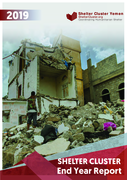
Yemeni people continue to show incredible resilience after five years of conflict, recurrent flooding, constant threats of famine and cholera, extreme hardship to access basic services like educatio
...
n or health and dwindling livelihoods opportunities– and now, COVID-19. Nearly four million people have now been displaced throughout the country and have thus lost their home.
more
By December of 2019, an estimated 5.3 million Venezuelans would have left the country, migrating in search of opportunities, health services and an overall search to improve the socio-economic condi
...
tions of themselves and their families. This is the largest migration in the history of the Americas. Migrants are one of the most vulnerable populations, exposed to human trafficking, abuse, exploitation and violence.
This Emergency Appeal seeks funds to reach this vulnerable population through a range of services that are aimed at preserving the dignity of migrant populations and increasing their wellbeing. These services are: shelter; livelihoods and basic needs; health services; water, sanitation and hygiene services; protection gender and inclusion. T
more
There are indigenous communities at high risk in every country of the region. At stake are the lives of 45 million people who belong to more than 800 indigenous peoples. Of these, some 100 are spread across several countries, around 200 maintain voluntary isolation or are in initial contact, and nea
...
rly 500 are at risk of disappearing due to their reduced numbers. Due to their lower immune resistance, their lack of access to hospital care and the increasing penetration of extractive activities in their territories, indigenous communities in voluntary isolation or in initial contact are cause for particular concern.
Far from hospitals and the news cameras, indigenous people in Latin American become ill and die without access to the means needed to protect themselves. They face the pandemic in conditions of social exclusion, racism and discrimination, which highlights historical inequalities and extreme precariousness in basic and health services.
more
