Filter
315
Text search:
Milestones
Featured
Recommendations
28
New Publications
73
Language
Document type
No document type
176
Studies & Reports
51
Guidelines
35
Strategic & Response Plan
25
Manuals
17
Training Material
5
Situation Updates
2
Fact sheets
2
Resource Platforms
1
Videos
1
Countries / Regions
Global
23
India
14
Kenya
11
Uganda
8
Nepal
8
Rwanda
7
Ghana
6
South Africa
6
Zambia
5
Tanzania
5
Malawi
5
Myanmar / Burma
5
South–East Asia Region
5
Latin America and the Carribbean
5
Western and Central Europe
5
Africa
5
Sierra Leone
4
Liberia
4
Nigeria
4
Bangladesh
4
Namibia
4
West and Central Africa
4
Asia
4
Philippines
3
South Sudan
3
Lebanon
3
Ukraine
3
Lesotho
3
East and Southern Africa
3
Middle East and North Africa
3
Guinea
2
Ethiopia
2
Germany
2
Cambodia
2
Eswatini/ Swaziland
2
Eastern Europe and Central Asia
2
Eastern Europe
2
Congo, Democratic Republic of
1
Zimbabwe
1
Haiti
1
Somalia
1
Pakistan
1
Indonesia
1
Mozambique
1
Papua New Guinea
1
Sudan
1
Peru
1
Brazil
1
Libya
1
Western Pacific Region
1
Palestine
1
Russia
1
Authors & Publishers
Publication Years
Category
Countries
116
Women & Child Health
23
Clinical Guidelines
19
Key Resources
17
Public Health
15
Capacity Building
5
Pharmacy & Technologies
3
Toolboxes
HIV
28
TB
26
Mental Health
24
Disability
19
Planetary Health
16
COVID-19
14
NTDs
11
AMR
8
Polio
6
Conflict
6
Ebola & Marburg
5
Global Health Education
5
Caregiver
5
NCDs
5
Cholera
4
Rapid Response
4
Specific Hazards
4
Natural Hazards
3
Refugee
3
Zika
3
Malaria
3
Social Ethics
1
Pharmacy
1
2.0 Rapid Response
1
Scant data exists on the prevalence of violence against children worldwide. However, available information, including the United Nations Secretary-General’s Study on Violence against Children, shows that violence against children is a global problem. This desktop study aims to glean from published
...
The Global Task Force on Cholera Control (GTFCC) launched Ending Cholera: A Global
Roadmap to 2030 (Global Roadmap) (1), a strategy that aims to reduce global cholera
deaths by 90% and eliminate the disease in at least 20 countries by 2030. It is
organized according to three main axes:
• E
...
UNAIDS Report 2013
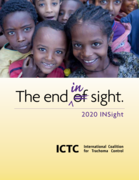
Trachoma is an eye infection that for thousands of years caused many people to go blind across all continents. As the result of development and targeted interventions, trachoma is now limited to an estimated 57 countries, often affecting the poorest
populations of the world. Today, more than 2 mill
...


Antibiotics and other antimicrobial agents are invaluable life savers, particularly in resource-limited countries where infectious diseases are abundant. Both uncomplicated and severe infections are potentially curable as long as the aetiological agents are susceptible to the
...
National Guidelines for HIV & AIDS Care and Treatment (5th Edition)
This ten year global plan for measles and rubella outlines the strategy that needs to be fully implemented to achieve the measles and rubella goals endorsed by the World Health Assembly. The plan sets out the: vision, goals and targets for the 2011-2020 period, recommended strategies, guiding princi
...
Q3: What approaches are available to enable non-specialized health care providers to identify children with intellectual disabilities, including intellectual disabilities due to specific causes?

This status report shows how far we have come—and how much further we must go—if we hope to meet the global commitments to end AIDS in children. It offers a snapshot of global progress and permits an early assessment of the impact of the Global Alliance’s work.
Epidemiologisches Bulletin; 14. März 2016 Nr. 10/11 ;DOI 10.17886/EpiBull-2016-014
The 2020 Report analyzes global health spending for 190 countries from 2000 to 2018 and provides insights as to the health spending trajectory from the MDG era to the SDG era prior to the crisis of 2020. The report shows that global spending on health continually rose between 2000 and 2018 and reach
...