
Filter
312
Text search:
Karen
Human
Rights
Group
Featured
Recommendations
47
New Publications
72
Language
Document type
No document type
166
Guidelines
56
Studies & Reports
50
Manuals
24
Strategic & Response Plan
6
Training Material
5
Resource Platforms
3
Situation Updates
1
Fact sheets
1
Countries / Regions
Myanmar / Burma
26
Global
18
Kenya
7
Uganda
4
Nepal
4
Syria
4
Thailand
4
Bangladesh
4
Latin America and the Carribbean
4
Congo, Democratic Republic of
3
Ghana
3
Zambia
3
South Africa
3
Western and Central Europe
3
Nigeria
2
Philippines
2
India
2
South Sudan
2
China
2
Rwanda
2
Indonesia
2
Malawi
2
Mozambique
2
Libya
2
Mexico
2
Yemen
2
South–East Asia Region
2
Eastern Europe and Central Asia
2
Asia
2
Africa
2
Venezuela
2
Burkina Faso
1
Sierra Leone
1
Senegal
1
Mali
1
Morocco
1
Zimbabwe
1
Haiti
1
Somalia
1
Afghanistan
1
Lebanon
1
Tanzania
1
Cambodia
1
Central African Republic
1
Argentina
1
Namibia
1
Brazil
1
North Macedonia
1
Hungary
1
Colombia
1
Sri Lanka
1
Western Pacific Region
1
Palestine
1
Armenia
1
Laos
1
Timor Leste/ East Timor
1
Tajikistan
1
Russia
1
Kyrgyzstan
1
Georgia
1
Vietnam
1
Jamaica
1
Norway
1
Portugal
1
Authors & Publishers
Publication Years
Category
Countries
61
Women & Child Health
42
Public Health
36
Clinical Guidelines
32
Key Resources
19
Capacity Building
12
Pharmacy & Technologies
8
Toolboxes
Disability
37
Mental Health
32
TB
19
HIV
18
Caregiver
17
COVID-19
16
Global Health Education
12
AMR
12
NTDs
12
Conflict
8
Refugee
8
Planetary Health
8
Malaria
8
Rapid Response
6
Natural Hazards
4
Specific Hazards
4
NCDs
4
Ebola & Marburg
3
2.0 Rapid Response
3
Polio
2
Zika
2
Social Ethics
2
Pharmacy
2

Guiding Principles and Recommendations
Crisis Emergency Risk Communication. Manual
recommended
The CERC manual provides an evidence-based framework and recommended practices for anyone who communicates on behalf of an organization responding to major emergencies such as natural disasters.

Evidence- and rights-based national policies, guidelines and legislation play a key role in improving sexual, reproductive, maternal, newborn, child and adolescent health (SRMNCAH), framing the enabling environment for equitable provision and access
...
The global emergence of antimicrobial resistance (AMR) is posing a threat to human health. Putting resources into the containment of AMR – including surveillance – is one of the highest-yield investments a country can make to mitigate its impact
...
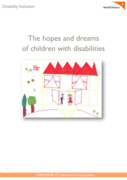
Disability Inclusion | Published by Child Development & Rights and Sustainable Health on behalf of World Vision International.
This guide is available in English, French, Spanish, Russian, Arabic and Chinese
This guide consolidates COVID-19 guidance for human resources for health managers and policy-makers at national, subnational and facility levels to design, manage and
...
1. Provide treatment for mental disorders in primary care
2. Ensure wider accessibility to essential psychotropic drugs
3. Provide care in the community
4. Educate the public
5. Involve communities, families and consumers
6. Establish national policies, programmes and legislation on mental heal
...

This document puts forward the joint position and vision of an expert, global, multistakeholder working group on implementing Kangaroo Mother Care (KMC) for all preterm or low birth weight (LBW) infants as the foundation for small and/or sick newbor
...
This curricula guide builds on several existing products of WHO and partners, aimed at supporting countries in their effort to address the first objective of the GAP-AMR (to improve awareness and understanding of AMR). It is targeted specifically at health educators and policy planners, and applies
...
The new guidelines provide public health guidance on pharmacological agents for managing hyperglycaemia in type 1 and type 2 diabetes for use in primary health-care in low-resource settings. These guidelines update the recommendations for managing hyperglycaemia in the WHO Package of Essential NCD I
...

The WHO Global Antimicrobial Resistance and Use Surveillance System (GLASS) was launched in 2015 to foster AMR surveillance and inform strategies to contain AMR. The system started with surveillance of AMR in bacteria causing common human infections
...
Terminology used to describe the transmission of pathogens through the air varies across scientific disciplines, organizations and the general public. While this has been the case for decades, during the coronavirus disease (COVID-19) pandemic, the terms ‘airborne’, ‘airborne transmission’ a
...

Malaria in pregnancy is a significant health problem in malaria-endemic areas. It not only causes substantial childhood morbidity and mortality but also increases the risks of adverse events for pregnant women and their developing fetuses. Most of the burden in these areas is due to infection with P
...

An essential component of the return process is counselling, which aims to support counselling beneficiaries to make an informed decision on their future migration pathways. Counselling provides the space for migrants to exert their agency, supports them to prepare for return and positively contr
...

The World Health Organization (WHO) is releasing the second edition of its Global Accelerated Action for the Health of Adolescents (AA-HA!) guidance. The document aims to equip governments to respond to the health and well-being challenges, opportunities and needs of adolescents.
The guidance pro
...
The main objectives of these guidelines are:
A. To create awareness among the CBM family (International Office, Member Associations, Regional Offices, Country Offices and partners) on the opportunity savings groups create to attain socio-economic empowerment of a significantly larger number of pers
...

The World Health Organization and the Global Fund to Fight AIDS, Tuberculosis and Malaria are part of a group of agencies working together to accelerate progress towards the health-related SDGs through the Global Action Plan for Healthy Lives and We
...
9 June 2021
Since its launch, GLASS has expanded in scope and coverage and as of May 2021, 109 countries and territories worldwide have enrolled in GLASS. A key new component in GLASS is the inclusion of antimicrobial consumption (AMC) surveillance at the national level highlighted in this fourth G
...
