
Filter
7612
Text search:
Primary
Care
International
Featured
Recommendations
645
New Publications
2051
Language
Document type
No document type
4405
Studies & Reports
1334
Guidelines
876
Manuals
400
Strategic & Response Plan
299
Training Material
107
Fact sheets
81
Situation Updates
67
Resource Platforms
21
Infographics
10
Brochures
8
Online Courses
3
App
1
Countries / Regions
Global
332
India
275
Kenya
248
South Africa
170
Ethiopia
167
Nepal
167
Nigeria
166
Sierra Leone
153
Uganda
150
Western and Central Europe
146
Liberia
136
Malawi
129
Zambia
126
Myanmar / Burma
124
Tanzania
123
Bangladesh
117
Rwanda
111
Syria
107
Latin America and the Carribbean
100
Africa
97
Namibia
94
Ghana
93
Ukraine
89
Congo, Democratic Republic of
64
Philippines
64
Zimbabwe
61
South Sudan
60
Eastern Europe
58
Cambodia
55
Indonesia
55
Lesotho
55
Mozambique
48
South–East Asia Region
42
Asia
40
Senegal
39
Haiti
38
Guinea
37
Botswana
37
Germany
34
East and Southern Africa
34
Russia
32
West and Central Africa
30
Burkina Faso
28
Brazil
28
Yemen
25
Pakistan
24
Eswatini/ Swaziland
24
Venezuela
24
Lebanon
23
Jordan
22
Middle East and North Africa
22
Cameroon
21
Eastern Europe and Central Asia
21
Afghanistan
20
Colombia
20
Sudan
18
Vietnam
18
Mali
16
Somalia
16
Thailand
15
Central African Republic
15
Madagascar
14
Western Pacific Region
14
USA
13
Tajikistan
13
Moldova
13
China
12
Sri Lanka
12
Albania
12
Laos
12
Iraq
11
Turkey
11
Benin
10
Peru
10
Paraguay
10
Georgia
9
Burundi
8
Palestine
8
Mexico
7
Chile
7
Iran
7
Côte d’Ivoire / Ivory Coast
6
Papua New Guinea
6
Libya
6
Poland
6
Southern Africa
6
Niger
5
Argentina
5
North Macedonia
5
Armenia
5
Timor Leste/ East Timor
5
Romania
5
Kyrgyzstan
5
North America
5
Hungary
4
Ecuador
4
El Salvador
4
Greece
4
Angola
4
Guatemala
4
Kazakhstan
4
Turkmenistan
4
Jamaica
4
Egypt
3
Gambia
3
Serbia
3
Croatia
3
Honduras
3
Bolivia
3
Fiji
3
Bhutan
3
Canada
3
Estonia
3
Japan
3
Tunisia
3
Spain
3
Belarus
3
Guinea-Bissau
2
Morocco
2
Saudi Arabia
2
Malaysia
2
Singapore
2
Nicaragua
2
Qatar
2
Bulgaria
2
Lithuania
2
Slovakia
2
Uzbekistan
2
Gabon
2
Mauritius
2
United Kingdom
2
Portugal
2
Azerbaijan
2
Bosnia and Herzegovina
2
Togo
1
Chad
1
Ireland
1
Dominican Republic
1
Other region
1
Italy
1
Djibouti
1
Mongolia
1
Denmark
1
Belgium
1
France
1
Maldives
1
Latvia
1
Belize
1
Costa Rica
1
Guyana
1
Panama
1
Authors & Publishers
Publication Years
Category
Countries
2984
Clinical Guidelines
536
Public Health
448
Key Resources
429
Women & Child Health
416
Capacity Building
127
Pharmacy & Technologies
67
Annual Report MEDBOX
1
Toolboxes
Mental Health
658
HIV
555
COVID-19
487
Disability
365
TB
353
Conflict
245
Caregiver
212
Planetary Health
194
NTDs
194
AMR
188
Ebola & Marburg
177
NCDs
166
Refugee
151
Global Health Education
132
Rapid Response
131
Pharmacy
117
Health Financing Toolbox
104
Natural Hazards
84
2.0 Rapid Response
82
Malaria
75
Specific Hazards
38
Polio
35
Social Ethics
33
Zika
31
Cholera
27
South Sudan
2
Typhoon
2
Collection of country-level good practices
The purpose of cancer screening tests is to detect pre-cancer or early-stage cancer in asymptomatic individuals so that timely diagnosis and early treatment can be offered, where this treatment can lead to better outcomes for some people.
The aim of a cancer screening programme is either to reduc
...

Significant progress has been made in the eradication of three priority diseases in the African Region, as a result of extensive collaboration between the Regional Office, WHO country offices and countries. For example, in August 2020, the region was certified free of wild poliovirus. In the area of
...
One approach to development assistance for health, or health aid, emphasizes the ex ante selection of cost-effective health interventions, an approach that began with the World Development Report (1993) on Investing in Health and has since been adopted by the Effective Altruism community. But just h
...

This global guidance was developed to support malaria-free countries and those that are close to malaria elimination to prevent re-establishment. The document outlines key concepts and principles for preventing re-establishment and provides guidance on strategies, interventions, planning and managem
...

WHO guidelines for clinical management of arboviral diseases: dengue, chikungunya, Zika and yellow fever
recommended
The new WHO guidelines provide clinical management recommendations for four of the most widespread arboviruses affecting humans: dengue, chikungunya, Zika, and yellow fever.
An integrated approach is vital, as these four diseases often present with similar symptoms, especially in the early stages
...

Drawing on the World Health Organization’s package of NCD best buys, the report demonstrates how these evidence-based measures can help countries reduce premature deaths, strengthen health systems, and advance progress towards the Sustainable Development Goals. It provides policymakers, donors, ad
...

The Best Buys for Disease Elimination is a practical, evidence-based guide to the most effective actions for countries to implement in order to eliminate communicable diseases. The guide highlights the efficient use of resources and prioritizing populations in vulnerable situations.
“The Region
...

In an era of constrained resources and tightening budgets, strategic prioritization in tuberculosis (TB) programming is more critical than ever. Countries must make informed decisions to allocate limited resources effectively - maximizing impact, preventing avoidable deaths, and sustaining progress
...
PLoS Negl Trop Dis 16(10): e0009774. Although the practice of communication is often called upon when intervening asn involgvingcommunties affected by NTD's, the disciplinary framewokr of healt communication research has been largely absent from NTD strategies. To illustrate how practices conceptual
...
Germany's efforts to build diplomatic and scientific bridges in global health are especially important amid rising nationalism in the US, UK, Brazil, India, and elsewhere.
“With its growing economic power and increasing political inflünce, outside expectations are rising, but so is the skeptici
...
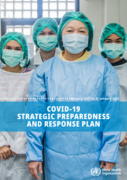
1 February 2021 to 31 January 2022
The Handbook is a guide to the normative framework for humanitarian action and the operational approaches, coordination structures, and available tools and services that facilitate the mobilization of humanitarian assistance.

The World Health Organization (WHO) and the global community of countries, partners, donors, technical experts, scientists and field implementation teams continue to work towards the ultimate goal of a world free of the burden of neglected tropical diseases (NTDs).
