
Filter
576
Filtered Results: 576
Text search:
EpiC
Featured
Recommendations
61
New Publications
154
Language
Document type
No document type
238
Studies & Reports
146
Guidelines
81
Manuals
40
Strategic & Response Plan
33
Training Material
11
Situation Updates
11
Fact sheets
8
Dashboards/Maps
3
Brochures
2
Infographics
2
Resource Platforms
1
Countries / Regions
Congo, Democratic Republic of
27
Global
25
Sierra Leone
24
Liberia
22
Brazil
21
Latin America and the Carribbean
19
India
18
Haiti
17
Guinea
16
Africa
16
Nigeria
12
West and Central Africa
11
Uganda
10
Zambia
9
Kenya
8
Tanzania
8
Western and Central Europe
8
South Africa
7
South Sudan
7
Nepal
6
Chile
6
Syria
6
Bangladesh
6
Myanmar / Burma
6
Ukraine
5
Mozambique
5
Venezuela
5
Central African Republic
5
Angola
5
Rwanda
4
Burkina Faso
4
Malawi
4
Philippines
4
South–East Asia Region
4
Paraguay
4
East and Southern Africa
4
Eastern Europe
4
Russia
4
Ethiopia
4
Thailand
3
Ghana
3
Niger
3
Italy
3
Asia
3
Chad
3
Indonesia
3
Ecuador
3
Pakistan
3
Colombia
2
Turkey
2
Cameroon
2
Senegal
2
Burundi
2
Peru
2
Zimbabwe
2
Mongolia
2
Cambodia
2
Guinea-Bissau
2
Germany
2
Western Pacific Region
2
France
2
Portugal
2
Spain
2
Argentina
2
Vietnam
2
Namibia
2
Yemen
2
Somalia
2
Timor Leste/ East Timor
1
Lesotho
1
Togo
1
China
1
Afghanistan
1
Mauritania
1
Middle East and North Africa
1
Eastern Europe and Central Asia
1
United Kingdom
1
Côte d’Ivoire / Ivory Coast
1
Bolivia
1
Lebanon
1
Papua New Guinea
1
Sri Lanka
1
Sudan
1
Greece
1
Honduras
1
Botswana
1
Iraq
1
Authors & Publishers
Publication Years
Category
Countries
244
Clinical Guidelines
50
Key Resources
25
Public Health
20
Women & Child Health
18
Pharmacy & Technologies
8
Capacity Building
3
Toolboxes
COVID-19
130
Ebola & Marburg
64
Natural Hazards
32
HIV
29
Mental Health
26
Planetary Health
21
Refugee
14
Conflict
14
Rapid Response
12
TB
12
2.0 Rapid Response
12
NTDs
11
Cholera
10
NCDs
10
Malaria
10
AMR
9
Pharmacy
8
Caregiver
7
Global Health Education
7
Health Financing Toolbox
6
Specific Hazards
4
Disability
4
Polio
4
Zika
2
Social Ethics
1

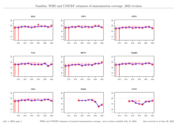
Standard for the Exchange of Earthquake Data

To meet our Strategy objectives and get within reach
of the 2030 SDG 3 target related to the three diseases,
the Global Fund needs to raise US$18 billion for the
Eighth Replenishment. That sum is essential to drive the
required pace of progress in the fight against HIV, TB
and malaria, and to m...

In the last three decades, health financialization has surged in
several creative ways, yet this growing phenomenon remains surprisingly
unknown, and neglected, in the global health arena. Financialization in the
health domain could be described as the uncontrolled expansion of finance along vari...

Africa’s health sector is facing an unprecedented financing crisis, driven by a sharp decline of 70% in Official Development Assistance (ODA) from 2021 to 2025 and deep-rooted structural vulnerabilities. This collapse is placing immense pressure on Africa’s already fragile health systems as ODA ...
Each year WHO and UNICEF jointly review reports submitted by Member States regarding national immunization coverage, finalized survey reports as well as data from the published and grey literature. Based on these data, with due consideration to potential biases and the views of local experts, WHO an...


A historic funding crisis is threatening to unravel decades of progress unless countries can make radical shifts to HIV programming and funding. The report highlights the impact that the sudden, large-scale funding cuts from international donors are having on countries most affected by HIV. Yet it a...

The Training Toolkit for Community Early Warning Systems is an operational manual that aims to strengthen early warning systems in a developing country context. It accompanies and should put into practice the guiding strategic principles found in the Community Early Warning Systems: Guiding Principl...

Growing emergencies and displacements across the world demand increasingly complex interventions and responses. The World Health Organization (WHO) has developed Malaria control in emergencies: a field manual to provide technical guidance to help partners respond effectively to malaria in emergency ...
On 13 August 2024, the Africa Centres for Disease Control (Africa CDC) declared the multi-country mpox outbreak a public health emergency of continental security, with strong recommendations to improve surveillance and vaccine deployment in all AU Member States. On 14 August 2024, the WHO Director-G...

Drawing on the World Health Organization’s package of NCD best buys, the report demonstrates how these evidence-based measures can help countries reduce premature deaths, strengthen health systems, and advance progress towards the Sustainable Development Goals. It provides policymakers, donors, ad...

Strengthening global health security to protect the world against future epidemics and pandemics requires well-tested and decentralized capacities for the local detection and rapid containment of outbreaks of infectious disease. For such capacities to translate into effective response actions, ind...
World malaria report 2025. Excecutive Summary
recommended
New
Addressing the threat of antimalarial drug resistance. This year’s report spotlights the growing threat of antimalarial drug resistance. Partial resistance to artemisinin derivatives – the backbone of malaria treatments after failures of chloroquine and sulfadoxine-pyrimethamine – has now b...

Resumen ejecutivo: Informe mundial sobre la malaria 2025
recommended
New
Este resumen ejecutivo ofrece una visión general completa de los mensajes clave, los datos y las tendencias del Informe mundial sobre la malaria 2025.
