
Filter
1214
Text search:
curricula
Featured
94
338
Language
Document type
668
174
143
82
77
34
22
10
2
1
1
Countries
42
42
36
35
29
29
27
24
24
24
22
22
22
21
21
19
19
18
17
16
16
14
14
11
11
10
9
9
8
8
8
7
7
7
7
6
6
5
5
5
5
5
4
4
4
3
3
3
3
3
3
3
3
3
3
3
3
2
2
2
2
2
2
2
2
2
2
2
2
2
1
1
1
1
1
1
1
1
1
1
1
1
1
1
1
1
1
1
1
1
1
1
1
1
1
1
1
1
1
1
1
1
Authors & Publishers
Publication Years
Category
506
104
86
74
69
39
5
Toolboxes
112
82
76
73
38
37
37
27
27
24
24
24
23
19
15
15
14
11
8
8
6
4
3
1
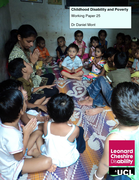
As the Convention of the Rights of Children recognizes, children are human beings with a distinct set of rights, and not the passive objects of care and charity. They deserve to be full participants in society, and to live lives free of poverty. But for children, living in poverty is particularly im
...
he WHO global disability action plan 2014-2021 is a significant step towards achieving health and well-being and human rights for people with disabilities. The action plan was endorsed by WHO Member States in 2014 and calls for them to remove barriers and improve access to health services and progra
...

special education, culture, psychology, education, policy
Knowledge based upon a descriptive literature review of applied research
This study examines over 20 years of CBR implementation in Nepal. It includes an overview of CBR interventions, provides analysis of approaches and activities in terms of impact and sustainability and makes recommendations for future developments in CBR. This resource is useful for people interested
...
The State of the World’s Children 2013: Children with Disabilities examines the barriers – from inaccessible buildings to dismissive attitudes, from invisibility in official statistics to vicious discrimination – that deprive children with disabilities of their rights and keep them from partic
...
CBR Advisory Working Group | Co-ordinator: Karen Heinicke-Motsch
Volume 2 - 2014
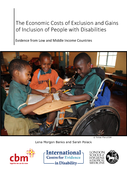
Evidence from Low and Middle Income Countries
Global Campaign Against Epilepsy
This practical manual is designed to support implementation of the World Health Organization (WHO) Guidelines on core components of infection prevention and control programmes at the national level, with special focus on countries with limited resources.
The Guidelines describe what is necessary
...
IPCAT2 will assist countries to determine the core components already in place, that is, existing strengths, and to identify gaps or weaknesses to guide action planning. IPCAT2 corresponds to the six core component recommendations of the guidelines targeted at the national level.
It is very impor
...
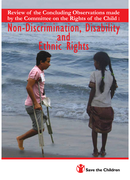
Non-discrimination disability and ethnic rights
