
Filter
1860
Text search:
psychological
intervention
Featured
204
408
Language
1729
59
52
41
25
19
19
11
7
5
5
5
4
4
3
3
3
3
3
3
3
2
2
2
2
2
2
2
2
2
2
2
1
1
1
1
1
1
1
1
1
1
1
1
1
1
1
1
1
1
1
Document type
1131
235
222
139
44
40
27
11
5
4
1
1
Countries
75
68
56
42
38
35
32
31
29
28
27
26
25
21
20
19
18
17
17
17
15
14
14
13
13
12
12
12
11
11
9
9
8
8
8
8
8
7
7
7
6
6
5
5
5
5
4
4
4
3
3
3
3
3
3
3
3
3
2
2
2
2
2
2
2
2
2
2
2
2
2
2
2
2
2
2
1
1
1
1
1
1
1
1
1
1
1
1
1
1
1
1
1
1
1
1
1
1
1
1
1
1
Authors & Publishers
232
88
87
81
41
40
40
30
17
17
16
13
13
11
11
11
10
10
9
9
8
8
8
7
7
7
7
7
6
6
6
6
6
6
6
6
6
6
6
6
5
5
5
5
5
5
5
5
5
5
5
5
5
5
5
5
5
5
5
4
4
4
4
4
4
4
4
4
4
4
4
4
4
4
4
3
3
3
3
3
3
3
3
3
3
3
3
3
3
3
3
3
3
3
3
3
3
3
3
3
3
3
3
3
3
3
3
3
3
3
3
3
3
3
3
2
2
2
2
2
2
2
2
2
2
2
2
2
2
2
2
2
2
2
2
2
2
2
2
2
2
2
2
2
2
2
2
2
2
2
2
2
2
2
2
2
2
2
2
2
2
2
2
2
2
2
2
2
2
2
2
2
2
2
2
2
2
2
2
2
2
2
2
2
2
2
2
2
2
2
2
2
2
2
2
2
2
2
2
2
2
2
2
2
2
2
2
2
2
2
2
2
2
2
2
2
2
2
2
2
2
2
2
2
2
2
2
2
2
2
2
2
2
2
2
2
2
2
2
2
2
2
2
2
2
2
2
2
2
2
2
2
2
1
1
1
1
1
1
1
1
1
1
1
1
1
1
1
1
1
1
1
1
1
1
1
1
1
1
1
1
1
1
1
1
1
1
1
1
1
1
1
1
1
1
1
1
1
1
1
1
1
1
1
1
1
1
1
1
1
1
1
1
1
1
1
1
1
1
1
1
1
1
1
1
1
1
1
1
1
1
1
1
1
1
1
1
1
1
1
1
1
1
1
1
1
1
1
1
1
1
1
1
1
1
1
1
1
1
1
1
1
1
1
1
1
1
1
1
1
1
1
1
1
1
1
1
1
1
1
1
1
1
1
1
1
1
1
1
1
1
1
1
1
1
1
1
1
1
1
1
1
1
1
1
1
1
1
1
1
1
1
1
1
1
1
1
1
1
1
1
1
1
1
1
1
1
1
1
1
1
1
1
1
1
1
1
1
1
1
1
1
1
1
1
1
1
1
1
1
1
1
1
1
1
1
1
1
1
1
1
1
1
1
1
1
1
1
1
1
1
1
1
1
1
1
1
1
1
1
1
1
1
1
1
1
1
1
1
1
1
1
1
1
1
1
1
1
1
1
1
1
1
1
1
1
1
1
1
1
1
1
1
1
1
1
1
1
1
1
1
1
1
1
1
1
1
1
1
1
1
1
1
1
1
1
1
1
1
1
1
1
1
1
1
1
1
1
1
1
1
1
1
1
1
1
1
1
1
1
1
1
1
1
1
1
1
1
1
1
1
1
1
1
1
1
1
1
1
1
1
1
1
1
1
1
1
1
1
1
1
1
1
1
1
1
1
1
1
1
1
1
1
1
1
1
1
1
1
1
1
1
1
1
1
1
1
1
1
1
1
1
1
1
1
1
1
1
1
1
1
1
1
1
1
1
1
1
1
1
1
1
1
1
1
1
1
1
1
1
1
1
1
1
1
1
1
1
1
1
1
1
1
1
1
1
1
1
1
1
1
1
1
1
1
1
1
1
1
1
1
1
1
1
1
1
1
1
1
1
1
1
1
1
1
1
1
1
1
1
1
1
1
1
1
1
1
1
1
1
1
1
1
1
1
1
1
1
1
1
1
1
1
1
1
1
1
1
1
1
1
1
1
1
1
1
1
1
1
1
1
1
1
1
1
1
1
1
1
1
1
1
1
1
1
1
1
1
1
1
1
1
1
1
1
1
1
1
1
1
1
1
1
1
1
1
1
1
1
1
1
1
1
1
1
1
1
1
1
1
1
1
1
1
1
1
1
1
1
1
1
1
1
1
1
1
1
1
1
1
1
1
1
1
1
1
1
1
1
1
1
1
1
1
1
1
1
1
1
1
1
1
1
1
1
1
1
1
1
1
1
1
1
1
1
1
1
1
1
1
1
1
1
1
1
1
1
1
1
1
1
1
1
1
1
1
1
1
1
1
1
1
1
1
1
1
1
1
1
1
1
1
1
1
1
1
1
1
1
1
1
1
1
1
1
1
1
1
1
1
1
1
1
1
1
1
1
1
1
1
1
1
1
1
1
1
1
1
1
1
1
1
1
1
1
1
1
1
1
1
1
1
1
1
1
1
1
1
1
1
1
1
1
1
1
1
1
1
1
1
1
1
1
1
1
1
1
1
1
1
1
1
1
1
1
1
1
1
1
1
1
1
1
1
1
1
1
1
1
1
1
1
1
1
1
1
1
1
1
1
1
1
1
1
1
1
1
1
1
1
1
1
1
1
1
1
1
1
1
1
1
1
1
1
1
1
1
1
1
1
1
1
1
1
1
1
1
1
1
1
1
1
1
1
1
1
1
1
1
1
1
1
1
1
1
1
1
1
1
1
1
1
1
1
1
1
1
1
1
1
1
1
1
1
1
1
1
1
1
1
1
1
1
1
1
1
1
1
1
1
1
1
1
1
1
1
1
1
1
1
1
1
1
1
1
1
1
1
1
1
1
1
1
1
1
1
1
1
1
1
1
1
1
1
1
1
1
1
1
1
1
1
1
1
1
1
1
1
1
1
1
1
1
1
1
1
1
1
1
1
1
1
1
1
1
1
1
1
1
1
1
1
1
1
1
1
1
1
1
1
1
1
1
1
1
1
1
1
1
1
1
1
1
1
1
1
1
1
1
1
1
1
1
1
1
1
1
1
1
1
1
1
1
1
1
1
1
1
1
1
1
1
1
1
1
1
1
1
1
1
1
1
1
1
1
1
1
1
1
1
1
1
1
1
1
1
1
1
1
1
1
1
1
1
1
1
1
1
1
1
1
1
1
1
1
1
1
1
1
1
1
1
1
1
1
1
1
1
1
1
1
1
1
1
1
1
1
1
1
1
1
1
1
1
1
1
1
1
1
1
1
1
1
1
1
1
1
1
1
1
1
1
1
1
1
1
1
1
1
1
1
1
1
1
1
1
1
1
1
1
1
1
1
1
1
1
1
1
1
1
1
1
1
1
1
1
1
1
1
1
1
1
1
1
1
1
1
1
1
1
1
1
1
1
1
1
1
1
1
1
1
1
1
1
1
1
1
1
1
1
1
1
1
1
1
1
1
1
1
1
1
1
1
1
1
1
1
1
1
1
1
1
1
1
1
1
1
1
1
1
1
1
1
1
1
1
1
1
1
1
1
1
1
1
1
1
1
1
1
1
1
1
1
1
1
1
1
1
1
1
1
1
1
1
1
1
1
1
1
1
1
1
1
1
1
1
1
1
1
1
1
1
1
1
1
1
1
1
1
1
1
1
1
1
1
1
1
1
1
1
1
1
1
1
1
1
1
1
1
1
1
1
1
1
1
1
1
1
1
1
1
1
1
1
1
1
1
1
1
1
1
1
1
1
1
1
1
1
1
1
1
1
1
1
1
1
1
1
1
1
1
1
1
1
1
1
1
1
1
1
1
1
1
1
1
1
1
1
1
1
1
1
1
1
1
1
1
1
1
1
1
1
1
1
1
1
1
1
1
1
1
1
1
1
1
1
1
1
1
1
1
1
1
1
1
1
1
1
1
1
1
1
1
1
1
1
1
1
1
1
1
1
1
1
1
1
1
1
1
1
1
1
1
1
1
1
1
1
1
1
1
1
1
1
1
1
1
1
1
1
1
1
1
1
1
1
1
1
1
1
1
1
1
1
1
1
1
1
1
1
1
1
1
1
1
1
1
1
1
1
1
1
1
1
1
1
1
1
1
1
1
1
1
1
1
1
1
1
1
1
1
1
1
1
1
1
1
1
1
1
1
1
1
1
1
1
1
1
1
1
1
1
1
1
1
1
1
1
1
1
1
1
1
1
1
1
1
1
1
1
1
1
1
1
1
1
1
1
1
1
1
1
1
1
1
1
1
1
1
1
1
1
1
1
1
1
1
1
1
1
1
1
1
1
1
1
1
1
1
1
1
1
1
1
1
1
1
1
1
1
1
1
1
1
1
1
1
1
1
1
1
1
1
1
1
1
1
1
1
1
1
1
1
1
1
1
1
1
1
1
1
1
1
1
1
1
1
1
1
1
1
1
1
1
1
1
1
1
1
1
1
1
1
1
1
1
1
1
1
1
1
1
1
1
1
1
1
1
1
1
1
Publication Years
445
1212
198
4
1
Category
521
127
117
103
101
31
1
Toolboxes
552
115
111
86
67
62
56
55
47
32
29
29
29
20
17
14
13
11
11
6
3
3
3
2
The guidebook can be used by any care giver who comes in contact with children on a daily basis and who have the primary or secondary responsibility of taking care of the children. Parents, teachers, anganwadi workers, child care institutions, hospitals can use this guidebook to help a child who is
...
in need of care and protection. This guidebook can also be used by those who meet a child by accident who is in need of protection immediately. They can follow the steps mentioned in the guidebook that can be followed to help the child in need. Paragraph about the child protection systems with an objective of creating a safe and safe environment of children, the state has established systems at center and district level which one can go to for providing protection of children. These systems contains various bodies, units, schemes and law which create a safety net for children.
more
Grounded in the foundations of child centered community development, the success of this strategy will be measured by how individual countries contribute to their child protection systems and partner at various levels to combat violence against children. This strategy is a result of a highly consult
...
ative process that reached children and youth, Plan International staff, external specialists globally and the paper has been put in place with the joint efforts of the global child protection programming reference group.
more
Infant Psychiatry
Chapter B.1
Early Maltreatment and exposure to violence

Adolescent Mental Health
Chiara Servili, Juliana Yartey, M.T. Yasamy, et. al.
World Health Organization WHO, UNICEF
(2012)
C_WHO
Mapping actions of nongovernmental organizations and other international development organizations

Department of Behavioural Medicine, Lagos State University College of Medicine Ikeja, Lagos Nigeria
Global Mental Health (2015), 2, e5, page 1 of 12. doi:10.1017/gmh.2015.8;
Received 29 January 2015; Revised 8 April 2015; Accepted 15 April 2015
Sixth Meeting of the mhGAP Forum Hosted by WHO in Geneva on 4-5 September 2014 Summary Report

Policy and systems. Global Mental Health(2017),4, e7, page 1 of 6. doi:10.1017/gmh.2017.3

Glob Ment Health (Camb). 2015; 2: e12. Published online 2015 Jul 14. doi: 10.1017/gmh.2015.10
Low and middle income countries (LMICs) are facing an increase of the impact of mental health problems while confronted with limited resources and limited access to mental health care, known as the ‘me
...
ntal health gap’. One strategy to reduce the mental health gap would be to utilize the internet to provide more widely-distributed and low cost mental health care. We undertook this systematic review to investigate the effectiveness and efficacy of online interventions in LMICs.
more

The Global Burden of Disease (GBD) study, a collaborative endeavour of the World
Health Organization (WHO), the World Bank and the Harvard School of Public Health,
drew the attention of the international health community to the burden of neurological
disorders and many other chronic conditions. T
...
his study found that the burden of neurological
disorders was seriously underestimated by traditional epidemiological and health
statistical methods that take into account only mortality rates but not disability rates. The
GBD study showed that over the years the global health impact of neurological disorders
had been underestimated.
more
Overview
Learning objectives
• Promote respect and dignity for children and adolescents with mental and behavioural
disorders.
• Know common presentations of children and adolescents with mental and behavioural
disorders.
• Know assessment principles of child and adolescents with mental
...
and behavioural
disorders.
• Know management principles of child and adolescents with mental and behavioural
disorders.
• Use effective communication skills in interactions with children and adolescents with
mental and behavioural disorders.
• Perform an assessment for children and adolescents with mental and behavioural
disorders.
• Assess and manage physical conditions of children with mental and behavioural
disorders.
• Provide psychosocial interventions to children and adolescents with mental and
behavioural disorders and their carers.
• Deliver pharmacological interventions as needed and appropriate to children and
adolescents with mental and behavioural disorders.
• Plan and perform follow-up for children and adolescents with mental and behavioural
disorders.
• Refer to specialists and link children and adolescents with mental and behavioural
disorders with outside agencies where available.
more
Since the beginning of December a significant increase in the incidence of new cases has been observed particularly along the corridor towards the large urban center of Butembo (health zones of Butembo and Katwa) and beyond in the zone of Kayna health center located about 150 km from Goma. In additi
...
on, active outbreaks have emerged to the north, particularly in the health zones of Komanda and Oicha.
The third strategic response plan (SRP-3), which covers February through end July 2019, considers the salient points and recommendations made during the operational review of the implementation of the SRP-2 and other guidance based on lessons learned and risk analysis.
more
This discussion guide is designed to assist individuals and
agencies working toward developing trauma-informed
approaches to service delivery. It describes how common
traumatic experiences are for individuals accessing health
and social services, and it provides information to help service
prov
...
iders recognize the adaptations people make to cope with
trauma. Trauma awareness is a foundation for developing
trauma-informed services, which integrate knowledge about
trauma into policies, procedures, and practices. Traumainformed
services actively seek to avoid re-traumatization and
have been shown to improve client engagement, retention, and
outcomes. This guide includes practice examples, suggested
resources, and sample questions to stimulate further discussion.
more
Vol. 5, No. 3 - 2011 | The Quarterly provides summaries of the best available research evidence on a variety of children’s mental health topics, prepared using systematic review and synthesis methods adapted from the Cochrane Collaboration and Evidence-Based Mental Health. Our goal is to improve
...
outcomes for children by informing policy and practice. The BC Ministry of Children and Family Development funds the Quarterly.
more

Results from studies evaluating the effectiveness of focused psychosocial support interventions in children exposed to traumatic events in humanitarian settings in low-income and middle-income countries have been inconsistent, showing varying results by setting and subgroup (eg, age or gender). We a
...
imed to assess the effectiveness of these interventions, and to explore which children are likely to benefit most.
Lancet Glob Health 2018; 6: e390–400
more
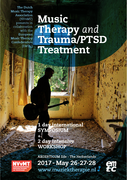
Music therapy can help traumatized children and adults to stabilize and to create a safe space for the expression of feelings and thoughts. In a 1 day international symposium on Friday May 26, presenting lectures and workshops, we’ll highlight the way music therapy research, methods and technique
...
s are applied to treating childhood trauma and sexual abuse, traumatized refugees, prisoners and victims of violence.
more
Orientierungsrahmen für die psychische Gesundheit und psychosoziale Unterstützung (MHPSS) in der Entwicklungszusammenarbeit
Sigmund Freud Privatuniversität; BAff; Charité; et al.
Deutsche Gesellschaft für Internationale Zusammenarbeit (GIZ) GmbH
(2018)
C2
Am Beispiel des Kontexts der Syrien- und Irakkrise
Das Positionspapier zeigt auf, was gute psychosoziale Arbeit mit Geflüchteten ausmacht und welche Risiken es zu berücksichtigen gilt. Es richtet sich an Akteur*innen aus dem MHPSS-Sektor, die im Kontext der Syrien- und Irakkrisen mit Flüchtlinge
...
n im Nahen Osten arbeiten sowie an Ministerien und wissenschaftliche Institutionen.
more

Creating a Healing Environment - Volume II: Technical Papers
John Frederick
International Labour Organization IPEC & Trafficking in Children-South Asia (TICSA)
(2002)
C1
Psycho-Social Rehabilitation and Occupational Integration of Child Survivors of Trafficking and Other Worst Forms of Child Labour |

A Capstone Project submitted in partial fulfillment of the requirements for the Master of Science Degree in Counselor Education at Winona State University | This article reviews the use of Art Therapy to treat children who suffer from Posttraumatic Stress Disorder. It explores the clinical need for
...
addressing trauma, including PTSD, and then reviews the effects of trauma on the brain, and how Art Therapy affects the brain. It also identifies mental health characteristics and needs for children diagnosed with PTSD.
more
The Global Ministerial Mental Health Summit Conclusions

Communities can play a critical role in suicide prevention. Facilitating community engagement in suicide prevention is an important task. The toolkit is a step-by-step guide for communities to engage in suicide prevention activities and have ownership of the process and keep efforts sustained. It is
...
hoped that the pilot version will be used, after necessary adaptation, in many countries and contexts, so that the final product can be strengthened and become more effective and user-friendly.
more
