
Filter
2255
Text search:
disabilities
at
the
community
level
Featured
211
556
Language
2206
46
39
24
23
16
10
5
4
4
3
3
3
3
3
3
2
2
2
2
2
2
2
2
2
1
1
1
1
1
1
1
1
1
1
1
1
1
1
1
1
1
1
1
1
1
1
1
1
Document type
1364
340
214
132
125
27
23
21
3
2
1
1
1
Countries
99
70
67
61
54
53
52
51
46
37
37
37
37
36
30
27
27
26
26
25
25
23
23
21
21
19
18
17
16
15
15
14
14
12
12
12
11
11
11
10
10
10
9
9
9
9
8
8
8
8
7
7
7
7
7
6
6
6
6
5
5
5
5
5
4
4
4
4
3
3
3
3
2
2
2
2
2
2
2
2
2
2
2
2
2
2
2
2
2
2
2
2
1
1
1
1
1
1
1
1
1
1
1
1
1
1
1
Authors & Publishers
232
76
69
57
56
51
46
45
24
23
22
22
20
20
19
19
18
18
18
17
16
16
14
13
13
12
12
11
10
10
10
10
9
9
9
9
8
8
8
8
8
8
7
7
7
7
7
7
6
6
6
6
6
6
6
6
6
6
6
6
6
5
5
5
5
5
5
5
5
5
5
5
4
4
4
4
4
4
4
4
4
4
4
4
4
4
4
4
4
4
4
4
4
4
4
4
4
3
3
3
3
3
3
3
3
3
3
3
3
3
3
3
3
3
3
3
3
3
3
3
3
3
3
3
3
3
3
3
3
3
3
3
3
3
3
3
3
3
3
3
3
3
3
3
2
2
2
2
2
2
2
2
2
2
2
2
2
2
2
2
2
2
2
2
2
2
2
2
2
2
2
2
2
2
2
2
2
2
2
2
2
2
2
2
2
2
2
2
2
2
2
2
2
2
2
2
2
2
2
2
2
2
2
2
2
2
2
2
2
2
2
2
2
2
2
2
2
2
2
2
2
2
2
2
2
2
2
2
2
2
2
2
2
2
2
2
2
2
2
2
2
2
2
2
2
2
2
2
2
2
2
2
2
2
2
2
2
2
2
2
2
2
2
2
2
2
2
2
2
2
2
1
1
1
1
1
1
1
1
1
1
1
1
1
1
1
1
1
1
1
1
1
1
1
1
1
1
1
1
1
1
1
1
1
1
1
1
1
1
1
1
1
1
1
1
1
1
1
1
1
1
1
1
1
1
1
1
1
1
1
1
1
1
1
1
1
1
1
1
1
1
1
1
1
1
1
1
1
1
1
1
1
1
1
1
1
1
1
1
1
1
1
1
1
1
1
1
1
1
1
1
1
1
1
1
1
1
1
1
1
1
1
1
1
1
1
1
1
1
1
1
1
1
1
1
1
1
1
1
1
1
1
1
1
1
1
1
1
1
1
1
1
1
1
1
1
1
1
1
1
1
1
1
1
1
1
1
1
1
1
1
1
1
1
1
1
1
1
1
1
1
1
1
1
1
1
1
1
1
1
1
1
1
1
1
1
1
1
1
1
1
1
1
1
1
1
1
1
1
1
1
1
1
1
1
1
1
1
1
1
1
1
1
1
1
1
1
1
1
1
1
1
1
1
1
1
1
1
1
1
1
1
1
1
1
1
1
1
1
1
1
1
1
1
1
1
1
1
1
1
1
1
1
1
1
1
1
1
1
1
1
1
1
1
1
1
1
1
1
1
1
1
1
1
1
1
1
1
1
1
1
1
1
1
1
1
1
1
1
1
1
1
1
1
1
1
1
1
1
1
1
1
1
1
1
1
1
1
1
1
1
1
1
1
1
1
1
1
1
1
1
1
1
1
1
1
1
1
1
1
1
1
1
1
1
1
1
1
1
1
1
1
1
1
1
1
1
1
1
1
1
1
1
1
1
1
1
1
1
1
1
1
1
1
1
1
1
1
1
1
1
1
1
1
1
1
1
1
1
1
1
1
1
1
1
1
1
1
1
1
1
1
1
1
1
1
1
1
1
1
1
1
1
1
1
1
1
1
1
1
1
1
1
1
1
1
1
1
1
1
1
1
1
1
1
1
1
1
1
1
1
1
1
1
1
1
1
1
1
1
1
1
1
1
1
1
1
1
1
1
1
1
1
1
1
1
1
1
1
1
1
1
1
1
1
1
1
1
1
1
1
1
1
1
1
1
1
1
1
1
1
1
1
1
1
1
1
1
1
1
1
1
1
1
1
1
1
1
1
1
1
1
1
1
1
1
1
1
1
1
1
1
1
1
1
1
1
1
1
1
1
1
1
1
1
1
1
1
1
1
1
1
1
1
1
1
1
1
1
1
1
1
1
1
1
1
1
1
1
1
1
1
1
1
1
1
1
1
1
1
1
1
1
1
1
1
1
1
1
1
1
1
1
1
1
1
1
1
1
1
1
1
1
1
1
1
1
1
1
1
1
1
1
1
1
1
1
1
1
1
1
1
1
1
1
1
1
1
1
1
1
1
1
1
1
1
1
1
1
1
1
1
1
1
1
1
1
1
1
1
1
1
1
1
1
1
1
1
1
1
1
1
1
1
1
1
1
1
1
1
1
1
1
1
1
1
1
1
1
1
1
1
1
1
1
1
1
1
1
1
1
1
1
1
1
1
1
1
1
1
1
1
1
1
1
1
1
1
1
1
1
1
1
1
1
1
1
1
1
1
1
1
1
1
1
1
1
1
1
1
1
1
1
1
1
1
1
1
1
1
1
1
1
1
1
1
1
1
1
1
1
1
1
1
1
1
1
1
1
1
1
1
1
1
1
1
1
1
1
1
1
1
1
1
1
1
1
1
1
1
1
1
1
1
1
1
1
1
1
1
1
1
1
1
1
1
1
1
1
1
1
1
1
1
1
1
1
1
1
1
1
1
1
1
1
1
1
1
1
1
1
1
1
1
1
1
1
1
1
1
1
1
1
1
1
1
1
1
1
1
1
1
1
1
1
1
1
1
1
1
1
1
1
1
1
1
1
1
1
1
1
1
1
1
1
1
1
1
1
1
1
1
1
1
1
1
1
1
1
1
1
1
1
1
1
1
1
1
1
1
1
1
1
1
1
1
1
1
1
1
1
1
1
1
1
1
1
1
1
1
1
1
1
1
1
1
1
1
1
1
1
1
1
1
1
1
1
1
1
1
1
1
1
1
1
1
1
1
1
1
1
1
1
1
1
1
1
1
1
1
1
1
1
1
1
1
1
1
1
1
1
1
1
1
1
1
1
1
1
1
1
1
1
1
1
1
1
1
1
1
1
1
1
1
1
1
1
1
1
1
1
1
1
1
1
1
1
1
1
1
1
1
1
1
1
1
1
1
1
1
1
1
1
1
1
1
1
1
1
1
1
1
1
1
1
1
1
1
1
1
1
1
1
1
1
1
1
1
1
1
1
1
1
1
1
1
1
1
1
1
1
1
1
1
1
1
1
1
1
1
1
1
1
1
1
1
1
1
1
1
1
1
1
1
1
1
1
1
1
1
1
1
1
1
1
1
1
1
1
1
1
1
1
1
1
1
1
1
1
1
1
1
1
1
1
1
1
1
1
1
1
1
1
1
1
1
1
1
1
1
1
1
1
1
1
1
1
1
1
1
1
1
1
1
1
1
1
1
1
1
1
1
1
1
1
1
1
1
1
1
1
1
1
1
1
1
1
1
1
1
1
1
1
1
1
1
1
1
1
1
1
1
1
1
1
1
1
1
1
1
1
1
1
1
1
1
1
1
1
1
1
1
1
1
1
1
1
1
1
1
1
1
1
1
1
1
1
1
1
1
1
1
1
1
1
1
1
1
1
1
1
1
1
1
1
1
1
1
1
1
1
1
1
1
1
1
1
1
1
1
1
1
1
1
1
1
1
1
1
1
1
1
1
1
1
1
1
1
1
1
1
1
1
1
1
1
1
1
1
1
1
1
1
1
1
1
1
1
1
1
1
1
1
1
1
1
1
1
1
1
1
1
1
1
1
1
1
1
1
1
1
1
1
1
1
1
1
1
1
1
1
1
1
1
1
1
1
1
1
1
1
1
1
1
1
1
1
1
1
1
1
1
1
1
1
1
1
1
1
1
1
1
1
1
1
1
1
1
1
1
1
1
1
1
1
1
1
1
1
1
1
1
1
1
1
1
1
1
1
1
1
1
1
1
1
1
1
1
1
1
1
1
1
1
1
1
1
1
1
1
1
1
1
1
1
1
1
1
1
1
1
1
1
1
1
1
1
1
1
1
1
1
1
1
1
1
1
1
1
1
1
1
1
1
1
1
1
1
1
1
1
1
1
1
1
1
1
1
1
1
1
1
1
1
1
1
1
1
1
1
1
1
1
1
1
1
1
1
1
1
1
1
1
1
1
1
1
1
1
1
1
1
1
1
1
1
1
1
1
1
1
1
1
1
1
1
1
1
1
1
1
1
1
1
1
1
1
1
1
1
1
1
1
1
1
1
1
1
1
1
1
1
1
1
1
1
1
1
1
1
1
1
1
1
1
1
1
1
1
1
1
1
1
1
1
1
1
1
1
1
1
1
1
1
1
Publication Years
1
672
1385
193
4
Category
855
154
147
122
71
41
3
Toolboxes
437
295
201
123
80
62
58
52
38
32
31
30
25
24
17
12
10
9
9
5
5
5
4
3
1
1
Available in Chinese, English, French, Russian and Spanish; WHO and UNICEF policy brief, 19 April 2021
Persons with disabilities are disproportionately impacted by COVID-19, both directly because of infection, and indirectly because of restrictions
...
to reduce the spread of the virus. Persons with disabilities are a diverse group, and the risks, barriers and impacts faced by them will vary in different contexts according to, among other factors, their age, gender identity, type of disability, ethnicity, sexual orientation, and migration status.
This document presents considerations and actions for the following stakeholders to ensure equity in access to vaccination against COVID‑19 for persons with disabilities
more
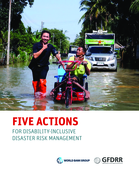
A recent survey of the literature and experience identified five broad actions that development institutions and governments, as well as their partners and stakeholders, can take to improve disability-inclusive disaster risk management. Those five a
...
ctions are:
- Include persons with disabilities as valued stakeholders in disaster risk management activities
- Help remove barriers to the full participation of persons with disabilities
- Increase awareness among governments and their partners of the safety and security needs of persons with disabilities
- Collect data that is disaggregated by disability
- Ensure that new construction, rehabilitation and reconstruction are accessible to persons with disabilities more
- Include persons with disabilities as valued stakeholders in disaster risk management activities
- Help remove barriers to the full participation of persons with disabilities
- Increase awareness among governments and their partners of the safety and security needs of persons with disabilities
- Collect data that is disaggregated by disability
- Ensure that new construction, rehabilitation and reconstruction are accessible to persons with disabilities more
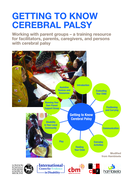
Getting to know cerebral palsy
recommended
Working with parent groups – a training resource for facilitators, parents, caregivers, and persons with cerebral palsy.
TThis manual aims to increase knowledge and skills in caring for a child with cerebral palsy. Research highlighted the signif
...
icant needs of the caregivers, and how they can gain a huge amount of support from meeting with each other in an understanding environment.
It promotes a participatory learning approach with an emphasis on working with groups and the empowerment of parents and caregivers.
Download the manual and teaching materials for free, in English, French, Arabic or Spanish. A Chichewa (Malawi) version is also ready for sharing and the manual is being translated in a variety of other languages through the online community Working in the Community with Children with Cerebral Palsy
more
Background paper for the Oslo Summit on Education for Development.
This paper covers the four topics of the Oslo Summit: investment in education,
...
quality of learning, education in emergencies and girls’ education. Disability continues to be one of the primary causes of educational disadvantage and exclusion,
creating the largest single group of girls and boys who remain out of school. Even in those countries
close to achieving universal primary enrolment, children with disabilities are still not in school,accessing opportunities to meaningful employment and on sustainable routes out of poverty
more

The Republic of the Union of Myanmar is at a historic moment, with a new civilian government assuming power in 2016.
...
The country graduated to lower-middle-income status in 2015, and has made significant progress in reducing poverty, improving food security and addressing malnutrition.
The remaining challenges to food and nutrition security and achievement of Sustainable Development Goal 2 targets include continued population displacements resulting from conflict, vulnerability to extreme weather events, poverty, limited social protection coverage, high malnutrition and persistent gender inequalities. more
The remaining challenges to food and nutrition security and achievement of Sustainable Development Goal 2 targets include continued population displacements resulting from conflict, vulnerability to extreme weather events, poverty, limited social protection coverage, high malnutrition and persistent gender inequalities. more
Assessment of the quality of institutional care for adults with psychosocial and intellectual disabilities in the WHO European Region.
...
The specific objectives of the project were to address gaps in knowledge about the number and characteristics of such long-term institutions and to identify deficiencies in current care standards through the lens of the United Nations Convention on the Rights of Persons with Disabilities. This publication examines and rates the quality of care and protection of human rights in selected institutions in over 20 countries in the Region using the WHO QualityRights toolkit. It identifies steps to take to continue progress toward deinstitutionalization and to ensure respect for the rights of people with psychosocial and intellectual disabilities.
more
The assistive technology capacity assessment (ATA-C) is a system-level tool to evaluate a country’s capacity to finance, regulate, procure and provide assistive technology. It can be used for awar
...
eness raising, policy and programme design, and ongoing monitoring and evaluation. This manual provides guidance and practical information on the ATA-C implementation process. The ATA-C is intended to be implemented by an experienced team, in collaboration with relevant ministries and users’ organizations.
more

The Return Counselling Toolkit is a capacity-building instrument aimed at providing a harmonized and coherent approach to return counselling, based on key migrant-centred principles while protecting
...
migrants’ rights. Mindful of the specific needs and rights pertaining to children, this additional module on counselling children and families further complements the first five modules of the Return Counselling Toolkit. It provides specialized guidance on how to prepare and deliver return counselling to accompanied, unaccompanied and separated children while upholding child rights and safeguards.
more

The toolkit's purpose is to:
improve the primary health care response for older persons.
sensitize and educate primary health care workers about
...
the specific needs of their older clients.
provide primary care health workers with a set of tools/instruments to assess older people's health.
raise awareness among primary care health workers of the accumulation of minor/major disabilities experienced by older people.
provide guidance on how to make primary health care management procedures more responsive to the needs of older people's needs.
offer direction on how to do environmental audits to test primary health care centres for their age-friendliness.
The toolkit comprises a number of instruments (evaluation forms, slides, figures, graphs, diagrams, scale tables, country guidelines, exam sheets, screening tools, cards, checklists, etc.) that can be used by primary health care workers to assess and address older persons' health. These resources are meant to supplement and not to replace local and national materials and guidelines
more

At present at least 2.2 billion people around the world have a vision impairment, of whom at lea
...
st 1 billion have a vision impairment that could have been prevented or is yet to be addressed. The world faces considerable challenges in terms of eye care, including inequalities in the coverage and quality of prevention, treatment and rehabilitation services; a shortage of trained eye care service providers; and poor integration of eye care services into health systems, among others. The World report on vision aims to address these challenges and galvanize action.
more
The following checklist can help hospitals assess and improve their preparedness for responding to a community-wide outbreak of COVID-19. Each hospital will need to adapt this checklist to meet its
...
unique needs and circumstances. This checklist should be used as one of several tools for evaluating current plans or in developing a comprehensive COVID-19 preparedness plan.
more
Recommendations on the initiation and continuing use of nine common types of contraceptive methods are covered by the tool. In addition to looking at
...
individual medical conditions or characteristics, users may also easily combine multiple conditions or characteristics and view the guidance on each condition separately or in combination.
more
Disability-inclusive social protection research in Nepal
Banks, Lena M., Walsham, Matthew and others
International Centre for Evidence in Disability
(2018)
C1
A national overview with a case study from Tanahun district. The overall aims of this study are (1) to assess the extent to which social protection systems in Nepal address
...
the needs of people with disabilities; and (2) to identify and document elements of good practice, as well as challenges, in the design and delivery of social protection for people with disabilities. As most social protection programmes in Nepal are targeted to various groups considered to be a high risk of poverty or marginalisation (e.g. orphans, widows), the research mainly focuses on disability-specific schemes, as they are relevant to a higher proportion of people with disabilities.
more
"This is the final report of the six-year collaboration between the WHO Department of Mental Health and Substance Abuse and
...
the Gulbenkian Global Mental Health Platform, an initiative of the Calouste Gulbenkian Foundation aimed at reducing the global burden of mental health through the development and application of evidence and good practices to global mental health."
more
The INEE Minimum Standards Handbook is the only global tool that articulates the minimum level o
...
f educational quality and access in emergencies through to recovery. The Minimum Standards express a commitment that all individuals—children, youth and adults—have a right to education.
There are different languages available: Arabic, Azerbajan, Bahsa Indonesia, Bengali, Bosnian, Coratian, Serbian, Chinese, English, French, Japanese, Krygyz, Nepali, Pashto, Portuguese, Russian, Spanish, Urdu, Turkish, Vietnamese
more
The guidelines begin with an overview of the determinants of mental health among children and adolescents before reviewing related South African policies and legislation.
...
The document then discusses strategies to build skills among caregivers, teachers and other frontline providers of mental health interventions as well as those for counselling professionals. The guidelines conclude by identifying priority areas for mental health services among children and adolescents, including the prevention of child and substance abuse as well as services for those living with intellectual disabilities
more
Barriers to accessing and receiving mental health care in Eastern Cape, South Africa
Isabell Schierenbeck, Peter Johansson, Lena M. C. Andersson, Dalena van Rooyen
Health and Human Rights Journal
(2013)
C1
The right to the enjoyment of the highest attainable standard of physical and mental health is enshrined in many international human rights treatie
...
s. However, studies have shown that people with mental disabilities are often marginalized and discriminated against in the fulfillment of their right to health. The aim of this study is to identify and reach a broader understanding of barriers to the right to mental health in the Eastern Cape Province in South Africa. Eleven semi-structured interviews were carried out with health professionals and administrators.
more
Future of Nursing 2020-2030
Wakefield, M.K.; et al.
National Academy of Medicine; National Academies of Sciences, Engineering, and Medicine
(2021)
C1
Charting a Path to Achieve Health Equity. The decade ahead will test the nation's nearly 4 million nurses in new and complex ways. Nurses live and work at
...
the intersection of health, education, and communities. Nurses work in a wide array of settings and practice at a range of professional levels. They are often the first and most frequent line of contact with people of all backgrounds and experiences seeking care and they represent the largest of the health care professions.
Free download available, register for free
more

The Pharmaceutical Forum of the Americas (PFA) has previously published guidelines and organised campaigns for community pharmacists on
...
the prevention, detection and control of arbovirus infections in 2018 with a grant from the FIP Foundation for Pharmacy Education and Research. Building on that expertise, FIP joined efforts with the PFA and is now publishing its first-ever handbook to support pharmacists in the
area of vector-borne diseases. As the integration of the regional forums in FIP advances, such collaborative projects are tangible results of an increasingly regionally informed and regionally targeted work by FIP.
more

The content of these guidelines goes beyond the technicalities of medical needs with additional insights into community empowerment, possible acces
...
s to welfare and economic opportunities and similar issues. If these are adequately explored, the health and quality of life of people affected and their families would be greatly restored.
more
