
Filter
551
Filtered Results: 551
Text search:
Preexposure
prophylaxis
Featured
Recommendations
51
New Publications
127
Language
Document type
No document type
295
Guidelines
124
Studies & Reports
87
Strategic & Response Plan
14
Manuals
11
Fact sheets
10
Infographics
5
Training Material
2
Situation Updates
2
Brochures
1
Countries / Regions
South Africa
20
Global
17
Kenya
16
Zambia
13
Asia
11
Uganda
11
Namibia
9
Malawi
8
Africa
8
Nigeria
7
Latin America and the Carribbean
6
Nepal
5
Ukraine
5
Philippines
5
Eastern Europe
5
Russia
5
India
5
Lesotho
4
Ghana
4
Sierra Leone
4
Zimbabwe
3
East and Southern Africa
3
Georgia
3
Botswana
3
Liberia
3
Myanmar / Burma
3
North Macedonia
2
Armenia
2
Tanzania
2
South–East Asia Region
2
Brazil
2
Ethiopia
2
Rwanda
1
Cameroon
1
Mozambique
1
Guinea-Bissau
1
Germany
1
Middle East and North Africa
1
Western and Central Europe
1
Paraguay
1
Belgium
1
Belarus
1
Bangladesh
1
Angola
1
Eswatini/ Swaziland
1
Authors & Publishers
Publication Years
Category
Countries
127
Clinical Guidelines
43
Women & Child Health
25
Public Health
13
Key Resources
6
Pharmacy & Technologies
4
Toolboxes
HIV
341
COVID-19
19
TB
15
Caregiver
8
NTDs
7
Health Financing Toolbox
6
Rapid Response
5
Pharmacy
5
Mental Health
3
Planetary Health
3
Global Health Education
3
Ebola & Marburg
2
Polio
2
AMR
2
Specific Hazards
1
Refugee
1
NCDs
1
Conflict
1
Over the 20 years that followed, this unique partnership has invested more than US$53 billion, saving 44 million lives and reducing the combined death rate from the three diseases by more than half in the countries in which the Global Fund invests.

Overcoming HIV-related stigma and discrimination in health- care settings and beyond
UNAIDS 2017 | REFERENCE
PLoS ONE 15(1): e0228135.
The introduction of “Treat All” (TA) has been promoted to increase the effectiveness of HIV/AIDS treatment by having patients initiate antiretroviral therapy at an earlier stage of their illness. The impact of introducing TA on the unit cost of treatment has been less ...
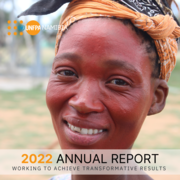
Access to safe and voluntary family planning is an inalienable human right that
cannot be denied. In 2022, UNFPA continued to work with Government and partners
to make this a reality in Namibia by providing strategic support to the national family
planning programme and ensuring universal access ...

A historic funding crisis is threatening to unravel decades of progress unless countries can make radical shifts to HIV programming and funding. The report highlights the impact that the sudden, large-scale funding cuts from international donors are having on countries most affected by HIV. Yet it a...
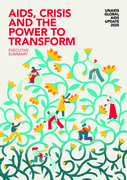
A historic funding crisis is threatening to unravel decades of progress unless countries can make radical shifts to HIV programming and funding. The report highlights the impact that the sudden, large-scale funding cuts from international donors are having on countries most affected by HIV. Yet it a...

These guidelines promote the delivery of people-centred health services for STIs by providing evidence-based recommendations related to decentralization, integration, task sharing and digital health. These recommendations complement existing WHO guidelines for STI testing, treatment and management, ...

This publication provides guidance for planning country-specific programming to achieve the triple elimination of mother-to-child (or vertical) transmission of HIV, syphilis and hepatitis B virus. It is based on the WHO Triple Elimination Framework, which promotes an integrated, person-centred appro...

Adolescents and young adults aged 10-24 remain underserved in the global response against HIV. Combination prevention, treatment and care programmes use a mix of evidence-based interventions to meet the current HIV prevention needs of adolescents and young adults. However, there needs to be a focus ...

Abrupt reductions in international HIV assistance in 2025 have deepened existing funding shortfalls. The OECD estimates that external health assistance is projected to drop by 30–40% in 2025 compared with 2023, causing immediate and even more severe disruption to health services in low- and middle...

The findings of the report are both urgent and devastating. At the current rate of progress, by 2040 we would still have 1.9 million new HIV infections and 990,000 AIDS-related deaths in children. But if funding for HIV prevention and treatment continues to fall as current trends suggest, the world ...

HIV testing is an essential health service and a gateway to lifesaving treatment and high-impact strategies that
stop new HIV infections. However, reductions in international funding for global health—including national HIV programs—are causing disruptions in service delivery. This FAQ, develop...

Developed through broad and inclusive consultation, and aligned with the WHO Global Health Sector Strategies and the Sustainable Development Goals, the framework promotes a people-centred approach and antimicrobial stewardship across 5 key domains: prevention and response, surveillance, research and...

These guidelines update earlier WHO recommendations to maximize the HIV prevention impact of safe VMMC services and aim to guide the transition to the sustained provision of interventions with a focus on the health and well-being of both adolescent boys and men.
We can't stop at almost. 2025 Goalkeeper Report
recommended
2025 is the first year of this century where child deaths will increase.
But we can stop this reversal before it becomes a trend, even in a time of tight budgets.
With proven solutions and next-generation innovations that do more with less, we can save millions of children's lives, protect the pro...

The objective of Health in the Americas: Overview of the Region of the Americas in the Context of the COVID-19 Pandemic is to respond to the need to address important public health issues in an increasingly timely manner, while serving as a platform with a close focus on specific issues of regional ...
