
Filter
3018
Text search:
respiratory
assessment
Featured
432
689
Language
2855
85
72
70
43
31
22
16
6
5
4
3
3
2
2
2
2
1
1
1
1
1
1
1
1
1
1
1
1
1
1
1
1
1
1
1
1
1
1
Document type
1300
682
530
199
126
66
59
33
10
6
4
3
Countries
165
151
101
74
69
61
56
53
52
51
50
49
47
44
43
40
39
39
38
36
35
31
28
28
28
27
24
24
20
19
19
19
18
18
17
15
14
14
13
12
12
11
11
11
10
9
9
9
8
7
7
7
6
6
6
6
6
5
5
5
5
5
5
5
5
4
4
4
4
4
4
3
3
3
3
3
3
3
3
3
3
3
3
2
2
2
2
2
2
2
2
2
2
2
2
2
2
2
2
2
2
2
2
1
1
1
1
1
1
1
1
1
1
1
1
1
1
1
1
1
1
1
1
1
Authors & Publishers
576
152
103
101
91
60
49
41
25
23
23
21
18
18
18
17
16
14
14
14
13
13
12
12
12
11
11
11
11
11
10
10
10
9
9
9
9
9
8
8
8
8
8
8
8
8
8
8
7
7
7
7
7
7
7
7
6
6
6
6
6
6
6
6
6
6
6
6
6
6
6
5
5
5
5
5
5
5
5
5
5
5
5
5
5
5
5
5
5
5
5
4
4
4
4
4
4
4
4
4
4
4
4
4
4
4
4
4
4
4
4
4
4
4
4
4
4
4
4
4
4
4
4
4
3
3
3
3
3
3
3
3
3
3
3
3
3
3
3
3
3
3
3
3
3
3
3
3
3
3
3
3
3
3
3
3
3
3
3
3
3
3
3
3
3
3
3
3
3
3
3
3
3
3
3
3
3
3
3
3
3
3
3
3
3
3
2
2
2
2
2
2
2
2
2
2
2
2
2
2
2
2
2
2
2
2
2
2
2
2
2
2
2
2
2
2
2
2
2
2
2
2
2
2
2
2
2
2
2
2
2
2
2
2
2
2
2
2
2
2
2
2
2
2
2
2
2
2
2
2
2
2
2
2
2
2
2
2
2
2
2
2
2
2
2
2
2
2
2
2
2
2
2
2
2
2
2
2
2
2
2
2
2
2
2
2
2
2
2
2
2
2
2
2
2
2
2
2
2
2
2
2
2
2
2
2
2
2
2
2
2
2
2
2
2
2
2
2
2
2
2
2
2
2
2
2
2
2
2
2
2
2
2
2
2
2
2
2
2
2
2
2
1
1
1
1
1
1
1
1
1
1
1
1
1
1
1
1
1
1
1
1
1
1
1
1
1
1
1
1
1
1
1
1
1
1
1
1
1
1
1
1
1
1
1
1
1
1
1
1
1
1
1
1
1
1
1
1
1
1
1
1
1
1
1
1
1
1
1
1
1
1
1
1
1
1
1
1
1
1
1
1
1
1
1
1
1
1
1
1
1
1
1
1
1
1
1
1
1
1
1
1
1
1
1
1
1
1
1
1
1
1
1
1
1
1
1
1
1
1
1
1
1
1
1
1
1
1
1
1
1
1
1
1
1
1
1
1
1
1
1
1
1
1
1
1
1
1
1
1
1
1
1
1
1
1
1
1
1
1
1
1
1
1
1
1
1
1
1
1
1
1
1
1
1
1
1
1
1
1
1
1
1
1
1
1
1
1
1
1
1
1
1
1
1
1
1
1
1
1
1
1
1
1
1
1
1
1
1
1
1
1
1
1
1
1
1
1
1
1
1
1
1
1
1
1
1
1
1
1
1
1
1
1
1
1
1
1
1
1
1
1
1
1
1
1
1
1
1
1
1
1
1
1
1
1
1
1
1
1
1
1
1
1
1
1
1
1
1
1
1
1
1
1
1
1
1
1
1
1
1
1
1
1
1
1
1
1
1
1
1
1
1
1
1
1
1
1
1
1
1
1
1
1
1
1
1
1
1
1
1
1
1
1
1
1
1
1
1
1
1
1
1
1
1
1
1
1
1
1
1
1
1
1
1
1
1
1
1
1
1
1
1
1
1
1
1
1
1
1
1
1
1
1
1
1
1
1
1
1
1
1
1
1
1
1
1
1
1
1
1
1
1
1
1
1
1
1
1
1
1
1
1
1
1
1
1
1
1
1
1
1
1
1
1
1
1
1
1
1
1
1
1
1
1
1
1
1
1
1
1
1
1
1
1
1
1
1
1
1
1
1
1
1
1
1
1
1
1
1
1
1
1
1
1
1
1
1
1
1
1
1
1
1
1
1
1
1
1
1
1
1
1
1
1
1
1
1
1
1
1
1
1
1
1
1
1
1
1
1
1
1
1
1
1
1
1
1
1
1
1
1
1
1
1
1
1
1
1
1
1
1
1
1
1
1
1
1
1
1
1
1
1
1
1
1
1
1
1
1
1
1
1
1
1
1
1
1
1
1
1
1
1
1
1
1
1
1
1
1
1
1
1
1
1
1
1
1
1
1
1
1
1
1
1
1
1
1
1
1
1
1
1
1
1
1
1
1
1
1
1
1
1
1
1
1
1
1
1
1
1
1
1
1
1
1
1
1
1
1
1
1
1
1
1
1
1
1
1
1
1
1
1
1
1
1
1
1
1
1
1
1
1
1
1
1
1
1
1
1
1
1
1
1
1
1
1
1
1
1
1
1
1
1
1
1
1
1
1
1
1
1
1
1
1
1
1
1
1
1
1
1
1
1
1
1
1
1
1
1
1
1
1
1
1
1
1
1
1
1
1
1
1
1
1
1
1
1
1
1
1
1
1
1
1
1
1
1
1
1
1
1
1
1
1
1
1
1
1
1
1
1
1
1
1
1
1
1
1
1
1
1
1
1
1
1
1
1
1
1
1
1
1
1
1
1
1
1
1
1
1
1
1
1
1
1
1
1
1
1
1
1
1
1
1
1
1
1
1
1
1
1
1
1
1
1
1
1
1
1
1
1
1
1
1
1
1
1
1
1
1
1
1
1
1
1
1
1
1
1
1
1
1
1
1
1
1
1
1
1
1
1
1
1
1
1
1
1
1
1
1
1
1
1
1
1
1
1
1
1
1
1
1
1
1
1
1
1
1
1
1
1
1
1
1
1
1
1
1
1
1
1
1
1
1
1
1
1
1
1
1
1
1
1
1
1
1
1
1
1
1
1
1
1
1
1
1
1
1
1
1
1
1
1
1
1
1
1
1
1
1
1
1
1
1
1
1
1
1
1
1
1
1
1
1
1
1
1
1
1
1
1
1
1
1
1
1
1
1
1
1
1
1
1
1
1
1
1
1
1
1
1
1
1
1
1
1
1
1
1
1
1
1
1
1
1
1
1
1
1
1
1
1
1
1
1
1
1
1
1
1
1
1
1
1
1
1
1
1
1
1
1
1
1
1
1
1
1
1
1
1
1
1
1
1
1
1
1
1
1
1
1
1
1
1
1
1
1
1
1
1
1
1
1
1
1
1
1
1
1
1
1
1
1
1
1
1
1
1
1
1
1
1
1
1
1
1
1
1
1
1
1
1
1
1
1
1
1
1
1
1
1
1
1
1
1
1
1
1
1
1
1
1
1
1
1
1
1
1
1
1
1
1
1
1
1
1
1
1
1
1
1
1
1
1
1
1
1
1
1
1
1
1
1
1
1
1
1
1
1
1
1
1
1
1
1
1
1
1
1
1
1
1
1
1
1
1
1
1
1
1
1
1
1
1
1
1
1
1
1
1
1
1
1
1
1
1
1
1
1
1
1
1
1
1
1
1
1
1
1
1
1
1
1
1
1
1
1
1
1
1
1
1
1
1
1
1
1
1
1
1
1
1
1
1
1
1
1
1
1
1
1
1
1
1
1
1
1
1
1
1
1
1
1
1
1
1
1
1
1
1
1
1
1
1
1
1
1
1
1
1
1
1
1
1
1
1
1
1
1
1
1
1
1
1
1
1
1
1
1
1
1
1
1
1
1
1
1
1
1
1
1
1
1
1
1
1
1
1
1
1
1
1
1
1
1
1
1
1
1
1
1
1
1
1
1
1
1
1
1
1
1
1
1
1
1
1
1
1
1
1
1
1
1
1
1
1
1
1
1
1
1
1
1
1
1
1
1
1
1
1
1
1
1
1
1
1
1
1
1
1
1
1
1
1
1
1
1
1
1
1
1
1
1
1
1
1
1
1
1
1
1
1
1
1
1
1
1
1
1
1
1
1
1
1
1
1
1
1
1
1
1
1
1
1
1
1
1
1
1
1
1
1
1
1
1
1
1
1
1
1
1
1
1
1
1
1
1
1
1
1
1
1
1
1
1
1
1
1
1
1
1
1
1
1
1
1
1
1
1
1
1
1
1
1
1
1
1
1
1
1
1
1
1
1
1
1
1
1
1
1
1
1
1
1
1
1
1
1
1
1
1
1
1
1
1
1
1
1
1
1
1
1
1
1
1
1
1
1
1
1
1
1
1
1
1
1
1
1
1
1
1
1
1
1
1
1
1
1
1
1
1
1
1
1
1
1
1
1
1
1
1
1
1
1
1
1
1
1
1
1
1
1
1
1
1
1
1
1
1
1
1
1
1
1
1
1
1
1
1
1
1
1
1
1
1
1
1
1
1
1
1
1
1
1
1
1
1
1
1
1
1
1
1
1
1
1
1
1
1
1
1
1
1
1
1
1
1
1
1
1
1
1
1
1
1
1
1
1
1
1
1
1
1
1
1
1
1
1
1
1
1
1
1
1
1
1
1
1
1
1
1
1
1
1
1
1
1
1
1
1
1
1
1
1
1
1
1
1
1
1
1
1
1
1
1
1
1
1
1
1
1
1
1
1
1
1
1
1
1
1
1
1
1
1
1
1
1
1
1
1
1
1
1
1
1
1
1
1
1
1
1
1
1
1
1
1
1
1
1
1
1
1
1
1
1
1
1
1
1
1
1
1
1
1
1
1
1
1
1
1
1
1
1
1
1
1
1
1
1
1
1
1
1
1
1
1
1
1
1
1
1
1
1
1
1
1
1
1
1
1
1
1
1
1
1
1
1
1
1
1
1
1
1
1
1
1
1
1
1
1
1
1
1
1
1
1
1
1
1
1
1
1
1
1
1
1
1
1
1
1
1
1
1
1
1
1
1
1
1
1
1
1
1
1
1
1
1
1
1
1
1
1
1
1
1
1
1
1
1
1
1
1
1
1
1
1
1
1
1
1
1
1
1
1
1
1
1
1
1
1
1
1
1
1
1
1
1
1
1
1
1
1
1
1
1
1
1
1
1
1
1
1
1
1
1
1
1
1
1
1
1
1
1
1
1
1
1
1
1
1
1
1
1
1
1
1
1
1
1
1
1
1
1
1
1
1
1
1
1
1
1
1
1
1
1
1
1
1
Publication Years
1154
1559
285
20
Category
1221
292
205
160
157
50
44
Toolboxes
526
216
163
125
114
112
104
85
83
73
66
59
53
43
37
36
35
34
31
19
16
13
13
12
2
1
The protection of children and educational facilities is particularly important. Precautions are necessary to prevent the potential spread of COVID-19 in school settings; however, care must also be taken to avoid stigmatizing students and staff who may have been exposed to the virus. It is important
...
to remember that COVID-19 does not differentiate between borders, ethnicities, disability status, age or gender. Education settings should continue to be welcoming, respectful, inclusive, and supportive environments to all. Measures taken by schools can prevent the entry and spread of COVID-19 by students and staff who may have been exposed to the virus, while minimizing disruption and protecting students and staff from discrimination.
more

South Africa has faced many challenges over the past two decades, accomplishing profound positive changes in the social structure and government of the nation. This has not yet fully translated into better health for the population, however, particularly the poorest segment. In fact, the p
...
opulation has lost ground since the 1990s in virtually all important health indicators, leaving South Africa with a high burden of infectious disease.
August 2011, Vol. 101, No. 8 SAMJ
more

Guidelines on Clinical Management of COVID – 19
Government of India Ministry of Health & Family Welfare Directorate General of Health Services (EMR Division)
Government of India Ministry of Health & Family Welfare Directorate General of Health Services (EMR Division)
(2020)
C2
17th March 2020
COVID-19 severity scoring - Tool user guide
AFEM African Federation For Emergency Medicine Fédération Africaine de Médecine d'Urgence
AFEM African Federation For Emergency Medicine Fédération Africaine de Médecine d'Urgence
(2020)
C2
Accessed: 06.04.2020
COVID -19 Outbreak Guidelines for Setting up Isolation Facility/Ward
Ministry of Health & Family Welfare Government of India; National Centre for Disease Control
Ministry of Health & Family Welfare Government of India; National Centre for Disease Control
(2020)
C2
Accessed: 16.04.2020

Научная справка
8 апреля 2020 г.
В ответ на растущую пандемию COVID-19 и нехватку ресурсов и реагентов для молекулярного тестирования, многие производители диагностичÐ
...
µских тестов разработали и начали продавать простые в использовании экспресс-системы, позволяющие выполнять тестирование вне лабораторий. Эти простые тестовые наборы основаны либо на обнаружении белков вируса COVID-19 в респираторных образцах (например, мокроте, мазке из зева), либо на обнаружении в крови или сыворотке человека антител, образующихся в ответ на инфекцию.
more
Научная справка
24 апреля 2020 г.
При инфицировании в естественных условиях выработка иммунитета к патогенному микроорганизму проходит в несколько этапов и занимÐ
...
°ет от 1 до 2 недель. При вирусной инфекции врожденный иммунитет обеспечивает немедленную реакцию организма, которая заключается в активации неспецифического иммунного ответа, приводящего к замедлению инфекционного процесса макрофагами, нейтрофилами и дендритными клетками, и которая в ряде случаев обусловливает бессимптомное течение инфекции. Затем происходит активация адаптивного иммунного ответа, при котором в организме начинается выработка специфических антител, способных к связыванию с вирусными частицами. Данные антитела являются белками и носят название иммуноглобулинов. Кроме того, в организме образуются Т-клетки, способные распознавать и уничтожать другие клетки, пораженные вирусом. Это звено иммунитета носит название клеточного. Функционирование нескольких звеньев иммунитета при адаптивном ответе может способствовать элиминации вируса из организма, а при достаточной активности реакции – препятствовать переходу заболевания в тяжелую форму и повторному заражению той же инфекцией. Количественной мерой данного процесса является уровень антител в крови.
more
Algorithm for COVID-19 triage and referral
recommended
Efficient triage of patients with COVID-19 at all health facility levels (primary, secondary and tertiary) will help the national response planning and case management system cope with patient influx, direct necessary medical resources to efficiently support the critically ill and protect the safety
...
of health-care workers. The objective of this algorithm is to give overall guidance for the triage and referral of symptomatic COVID-19 patients. Intended for use by ministries of health, hospital administrators and health workers involved in response planning for COVID-19 and/or patient triage, management and referral, this algorithm provides a general framework to be adapted to local health systems in countries.
more
Accessed: 02.05.2020
These consolidated guidelines provide recommendations for comprehensive prevention and case management strategies in Kenya
Scope of the Guidelines: Infection prevention and control Patient triage Emergency Medical Services Case management Laboratory testing algorithm
Target
...
Audience: Health care workers taking care of patients suspected or confirmed to have COVID-19
These guidelines combine both preventive and clinical management of the disease in Kenyan context. The protocol borrows various international recommendations including the World Health Organization, from experience of other countries such as China that has struggled with the outbreak for a longer time and from principles of virology and infectious disease management.
more
30 January 2020
This document outlines the standard operating procedures for detection and response to case/s of suspected novel coronavirus disease (2019-nCoV) in South Africa. The content of this document should inform provincial preparedness plans.

Accessed: 02.05.2020
These interim IPC recommendations for health settings have been developed through the contributions of many individuals and institutions, such as the Centers for Disease Control-Kenya; ITECH; US Agency for International Development (USAID) Medicines, Technologies, and Pharmaceu
...
tical Services (MTaPS) Program; and WHO that are committed to ensuring that the transmission of COVID-19 to HCWs and the public within the health care setting is limited. The Ministry of Health (MOH) through the Directorate of Health Standards Quality Assurance and Regulations wishes to thank all the contributing authors led by the sub-committee on case management and IPC for the COVID-19 response for their expertise and time given to writing these guidelines.
more
Considerations for public health and social measures in the workplace in the context of COVID-19
recommended
Annex to Considerations in adjusting public health and social measures in the context of COVID-19
This document aims to help EU/EEA public health authorities in the tracing and management of persons, including healthcare workers, who had contact with COVID-19 cases. It outlines the key steps of contact tracing, including contact identification, listing and follow-up, in the context of the COVID-
...
19 response.
more
The following is a breakdown of key considerations to guide planning and resource allocation for COVID-19 preparedness and response to support UNHCR regional and country operations in Public Health, WASH, Shelter and Settlements programmes. While some of the activities are more relevant in camps or
...
settlements it is important to assess the availability of all services outlined. These are based on the Strategic preparedness and Response Plan for COVID 19 and UNHCR guidance for operations and, where relevant, operation or site level outbreak preparedness and response plans.
more

a systematic review and meta-analysis Derek K Chu et al. on behalf of the COVID-19 Systematic Urgent Review Group Effort (SURGE) study authors.
Published: The Lancet June 01, 2020 DOI: https://doi.org/10.1016S0140-6736(20)31142-9
'We did a systematic review of 172 observational studies in health-
...
care and non-health-care settings across 16 countries and six continents... Physical distancing of 1 m or more was associated with a much lower risk of infection, as was use of face masks (including N95 respirators or similar and surgical or similar masks [eg, 12–16-layer cotton or gauze masks]) and eye protection (eg, goggles or face shields)...'
more
The speed of developing diagnostics for SARS-CoV-2, the causative agent of coronavirus disease 2019 (COVID-19), has been quite remarkable. Diagnostics have focused on nucleic acid amplification testing (NAAT) to identify infected individuals in acute-phase disease for timely implementation of mitiga
...
tion strategies and case management. More and more immunodiagnostics, mostly rapid diagnostic tests, are being made available as an alternative to NAATs. This type of test can be used out-of-laboratory conditions at large scale.
more

Updated July 3, 2020
Guidelines for Critical Care of Seriously Ill Adult Patients with Coronavirus (COVID-19) in the Americas
recommended
Short Version
This clinical practice guideline was developed in order to provide recommendations for the management of critically ill adult patients with COVID-19 in intensive care units (ICUs).
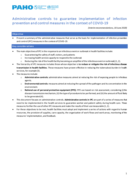
Objective of this document: Present a summary of the administrative measures that serve as the basis for implementation of infection prevention and control (IPC)measures in the context of COVID-19
