
Filter
6864
Filtered Results: 6864
Text search:
morbidity
Featured
Recommendations
568
New Publications
1743
Language
Document type
No document type
3710
Studies & Reports
1240
Guidelines
906
Strategic & Response Plan
349
Manuals
311
Fact sheets
131
Training Material
87
Situation Updates
58
Resource Platforms
24
Infographics
22
Brochures
13
Online Courses
8
Dashboards/Maps
3
App
1
Videos
1
Countries / Regions
India
331
Global
283
Kenya
175
Ethiopia
155
South Africa
145
Uganda
128
Nepal
121
Nigeria
117
Sierra Leone
110
Africa
110
Congo, Democratic Republic of
110
Liberia
107
Tanzania
101
Latin America and the Carribbean
99
Western and Central Europe
98
Senegal
95
Bangladesh
93
Malawi
92
Myanmar / Burma
85
Zambia
83
Rwanda
82
Ghana
75
Haiti
70
Syria
65
Burkina Faso
65
Philippines
65
Namibia
65
Indonesia
62
Ukraine
61
Benin
56
Cameroon
47
Zimbabwe
46
Lesotho
43
South–East Asia Region
42
South Sudan
41
Mozambique
39
Brazil
39
Asia
38
Cambodia
37
Venezuela
36
Guinea
35
Eastern Europe
35
West and Central Africa
29
East and Southern Africa
29
Yemen
27
Central African Republic
26
Madagascar
26
Germany
25
Colombia
23
Botswana
23
Pakistan
23
Russia
20
Afghanistan
19
Middle East and North Africa
19
Lebanon
19
Mali
18
Western Pacific Region
17
Eswatini/ Swaziland
17
Niger
15
Somalia
15
Eastern Europe and Central Asia
14
Vietnam
14
Sudan
14
Thailand
13
Togo
13
Jordan
12
Iraq
12
USA
10
North America
10
Côte d’Ivoire / Ivory Coast
10
China
8
Laos
8
Paraguay
8
Moldova
8
Palestine
8
Chile
7
Albania
7
Peru
7
Argentina
7
Ecuador
7
Turkey
6
Iran
6
Burundi
6
France
6
Papua New Guinea
6
Sri Lanka
6
Georgia
6
Libya
6
North Macedonia
5
Tajikistan
5
Timor Leste/ East Timor
5
Mexico
5
United Kingdom
5
Bolivia
5
Egypt
5
Chad
5
Kazakhstan
4
Romania
4
Poland
4
Bhutan
4
Guatemala
4
Gambia
3
Congo-Brazzaville
3
Armenia
3
Tunisia
3
Belarus
3
Southern Africa
3
Djibouti
3
North Korea
2
Canada
2
Fiji
2
Kyrgyzstan
2
Uzbekistan
2
Morocco
2
Mongolia
2
Guinea-Bissau
2
Hungary
2
Saudi Arabia
2
Turkmenistan
2
Jamaica
2
Mauritius
2
Portugal
2
Spain
2
Bosnia and Herzegovina
2
Angola
2
El Salvador
1
Serbia
1
Singapore
1
Vanuatu
1
Qatar
1
Bulgaria
1
Mauritania
1
Italy
1
Dominican Republic
1
Croatia
1
Lithuania
1
Ireland
1
Gabon
1
Japan
1
Denmark
1
Algeria
1
Azerbaijan
1
Israel
1
Belize
1
Costa Rica
1
Panama
1
Nicaragua
1
Slovakia
1
Greece
1
Honduras
1
Solomon Islands
1
Authors & Publishers
Publication Years
Category
Countries
2874
Clinical Guidelines
553
Public Health
439
Women & Child Health
368
Key Resources
320
Capacity Building
100
Pharmacy & Technologies
44
Toolboxes
COVID-19
598
HIV
399
Mental Health
376
Disability
361
TB
325
NTDs
243
Planetary Health
225
NCDs
200
Conflict
178
Caregiver
172
AMR
168
Ebola & Marburg
157
Malaria
143
Rapid Response
127
Refugee
121
Global Health Education
101
Natural Hazards
72
Pharmacy
72
2.0 Rapid Response
66
Health Financing Toolbox
46
Cholera
44
Zika
34
Specific Hazards
31
Polio
27
Social Ethics
8
Typhoon
4
South Sudan
1
WHO published the first COVID-19 Strategic Response and Preparedness Plan (SPRP) on 3 February, 2020. This report highlights the main points of progress that were made up to 30 June 2020 under the three objectives outlined in the SPRP: scaling up international coordination and support; scaling up co...
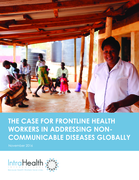
Frontline health workers (FHWs) provide services directly to communities where they are most needed, especially in remote and rural areas. Many are community health workers and midwives, though they can also include local emergency responders/paramedics, pharmacists, nurses, and doctors who serve in...

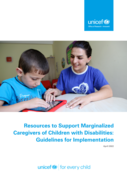
These guidelines have been compiled for education ministries or other educational leaders (including development partners, non-governmental or private organizations working with schools or directly with caregivers) who want to adapt and adopt resources to support the marginalized caregivers of child...

The GAP articulates five objectives for tackling AMR, and sets out the tasks required to achieve them, highlighting
roles and responsibilities for country governments, the One Health Tripartite organizations (FAO, OIE and WHO) and other national and international partners. To ensure that all stakeh...

Over the past 20 years, the Global Initiative for Asthma (GINA) has regularly published and annually updated a global strategy for asthma management and prevention that has formed the basis for many national guidelines. However, uptake of existing guidelines is poor. A major revision of the GINA r...
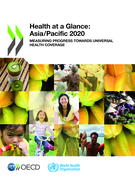
Measuring progress towards universal health coverage.
This sixth edition of Health at a Glance Asia/Pacific presents a set of key indicators of health status, the determinants of health, health care resources and utilisation, health care expenditure and financing and quality of care across 27 Asia-...

Interim rapid response guidance, 10 June 2022.
It includes considerations for certain populations such as patients with mild disease with considerations for community care, patients with moderate to severe disease, sexually active persons, pregnant or breastfeeding women, children and young persons...

This policy brief aims to provide a review of the current progress on implementing the Kenya national action plan on AMR, identifies critical gaps, and highlights findings to accelerate further progress in the human health sector. The target audience includes all those concerned with implementing ac...
The longlist of knowledge gaps is based on existing research agendas published in 2015 or later and expert input from reviewers of the first draft of the longlist. It only includes knowledge gaps focussing on a better
understanding of the relationship between global environmental change and human h...
Financing Global Health 2015 is the seventh edition of IHME’s annual series on global health financing. This report captures trends in development assistance for health (DAH) and government health expenditure as source (GHE-S) in low- and middle-income countries. Annually updated GHE-S and DAH est...

: Development assistance for health (DAH) is one of the most important means for Japan to promote
diplomacy with developing countries and contribute to the international community. This study, for the first time,
estimated the gross disbursement of Japan’s DAH from 2012 to 2016 and clarified its...
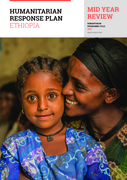
Ethiopia saw a six-fold increase in confirmed COVID-19 cases between June and August, with 5,689 cases by end June compared to 34,058 cases as of 19 August. Ethiopia also registered more than 13,000 recoveries and more than 600 deaths. As of the last week of August, Ethiopia was leading eastern Afri...
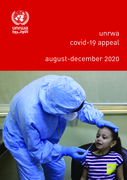
COVID-19 has resulted in an unprecedented global crisis. As the pandemic spreads and countries around the world continue to struggle to contain its health and socio-economic consequences, UNRWA is issuing a new humanitarian appeal from August through December 2020 to address the worst impacts of the...
This document aims to provide interim guidance for microbiology and virology experts, other laboratory professionals, laboratory managers, infectious disease programme managers, public health professionals and other stakeholders that provide primary, confirmatory or advanced testing for SARS-CoV-2, ...

The pandemic has emphasized the high risk of avoidable harm to patients, health workers, and the general public, and has identified a range of safety gaps across all core components of health systems at all levels.
The rapid review ‘Implications of the COVID-19 pandemic for patient safety’ ex...

This report has been prepared in response to informal requests by SIDS Member States and territories for WHO assistance in confronting the stark and dire situation which climate change has created in their countries and the impact it is having on their peoples

Yaws is a disfiguring non-venereal disease caused by infection with the spirochaete. Treponema pallidum subspecies pertenue which is closely related to the causative agent of syphilis and those of the other endemic treponematoses, bejel and pinta. The disease is endemic in certain areas of the World...
This document, Programme and curriculum development guide, presents a systematic approach to developing programmes and curricula for implementation of the family planning (FP) and comprehensive abortion care (CAC) competencies,and the theory behind the approach. Specifically, the aim is for effectiv...
