
Filter
5296
Text search:
drug
development
Featured
492
1416
Language
5009
131
114
106
39
33
31
16
10
9
6
5
5
5
5
5
4
4
4
4
4
3
3
3
3
2
2
2
2
2
2
2
2
2
2
2
2
1
1
1
1
1
1
1
1
1
1
1
1
1
1
1
1
1
1
1
1
1
1
Document type
3035
872
701
264
184
88
83
21
12
11
10
5
2
1
1
Countries / Regions
309
197
169
133
132
130
120
107
102
99
91
89
86
83
79
74
73
71
69
55
52
52
47
43
41
38
36
36
34
32
31
29
26
24
24
22
22
20
19
19
18
18
17
17
14
14
14
12
12
12
12
10
10
10
10
9
9
8
8
8
8
7
7
7
7
7
6
6
6
6
5
5
5
5
4
4
4
4
4
4
4
4
4
4
4
3
3
3
3
3
3
3
3
3
3
2
2
2
2
2
2
2
2
2
2
2
2
2
2
2
2
2
2
2
2
1
1
1
1
1
1
1
1
1
1
1
1
1
1
1
1
1
1
1
1
1
1
1
1
1
1
1
1
1
Authors & Publishers
656
280
228
147
114
101
98
82
80
66
60
41
39
31
28
28
27
26
26
26
26
26
22
22
22
21
21
21
19
19
19
18
18
17
17
17
17
17
17
16
16
16
16
15
15
15
15
15
14
14
13
12
12
12
11
11
11
11
10
10
10
10
10
10
10
10
10
9
9
9
9
9
9
9
9
9
9
9
9
9
9
9
9
8
8
8
8
8
8
8
8
7
7
7
7
7
7
7
7
7
7
7
7
7
7
7
7
7
6
6
6
6
6
6
6
6
6
6
6
6
6
6
6
5
5
5
5
5
5
5
5
5
5
5
5
5
5
5
5
5
5
5
5
5
5
5
5
5
5
5
5
5
5
5
5
5
5
4
4
4
4
4
4
4
4
4
4
4
4
4
4
4
4
4
4
4
4
4
4
4
4
4
4
4
4
4
4
4
4
4
4
4
4
4
4
4
4
4
4
4
4
4
4
4
4
4
4
4
4
4
4
4
4
4
4
4
4
4
4
4
3
3
3
3
3
3
3
3
3
3
3
3
3
3
3
3
3
3
3
3
3
3
3
3
3
3
3
3
3
3
3
3
3
3
3
3
3
3
3
3
3
3
3
3
3
3
3
3
3
3
3
3
3
3
3
3
3
3
3
3
3
3
3
3
3
3
3
3
3
3
3
3
3
3
3
3
3
3
3
3
3
3
3
3
3
3
3
3
3
3
3
3
3
3
3
3
3
3
3
3
3
3
3
3
3
3
3
3
3
3
3
3
3
3
3
3
3
3
2
2
2
2
2
2
2
2
2
2
2
2
2
2
2
2
2
2
2
2
2
2
2
2
2
2
2
2
2
2
2
2
2
2
2
2
2
2
2
2
2
2
2
2
2
2
2
2
2
2
2
2
2
2
2
2
2
2
2
2
2
2
2
2
2
2
2
2
2
2
2
2
2
2
2
2
2
2
2
2
2
2
2
2
2
2
2
2
2
2
2
2
2
2
2
2
2
2
2
2
2
2
2
2
2
2
2
2
2
2
2
2
2
2
2
2
2
2
2
2
2
2
2
2
2
2
2
2
2
2
2
2
2
2
2
2
2
2
2
2
2
2
2
2
2
2
2
2
2
2
2
2
2
2
2
2
2
2
2
2
2
2
2
2
2
2
2
2
2
2
2
2
2
2
2
2
2
2
2
2
2
2
2
2
2
2
2
2
2
2
2
2
2
2
2
2
2
2
2
2
2
2
2
2
2
2
2
2
2
2
2
2
2
2
2
2
2
2
2
2
2
2
2
2
2
2
2
2
2
2
2
2
2
2
2
2
2
2
2
2
2
2
2
2
2
2
2
2
2
2
2
2
2
2
2
2
2
2
2
2
2
2
2
2
2
2
2
2
2
2
2
2
2
2
2
2
2
2
2
2
2
2
2
2
2
2
2
2
2
2
2
2
2
2
2
2
2
2
2
2
2
2
2
2
2
2
2
2
2
2
2
2
2
2
2
2
2
2
2
2
2
1
1
1
1
1
1
1
1
1
1
1
1
1
1
1
1
1
1
1
1
1
1
1
1
1
1
1
1
1
1
1
1
1
1
1
1
1
1
1
1
1
1
1
1
1
1
1
1
1
1
1
1
1
1
1
1
1
1
1
1
1
1
1
1
1
1
1
1
1
1
1
1
1
1
1
1
1
1
1
1
1
1
1
1
1
1
1
1
1
1
1
1
1
1
1
1
1
1
1
1
1
1
1
1
1
1
1
1
1
1
1
1
1
1
1
1
1
1
1
1
1
1
1
1
1
1
1
1
1
1
1
1
1
1
1
1
1
1
1
1
1
1
1
1
1
1
1
1
1
1
1
1
1
1
1
1
1
1
1
1
1
1
1
1
1
1
1
1
1
1
1
1
1
1
1
1
1
1
1
1
1
1
1
1
1
1
1
1
1
1
1
1
1
1
1
1
1
1
1
1
1
1
1
1
1
1
1
1
1
1
1
1
1
1
1
1
1
1
1
1
1
1
1
1
1
1
1
1
1
1
1
1
1
1
1
1
1
1
1
1
1
1
1
1
1
1
1
1
1
1
1
1
1
1
1
1
1
1
1
1
1
1
1
1
1
1
1
1
1
1
1
1
1
1
1
1
1
1
1
1
1
1
1
1
1
1
1
1
1
1
1
1
1
1
1
1
1
1
1
1
1
1
1
1
1
1
1
1
1
1
1
1
1
1
1
1
1
1
1
1
1
1
1
1
1
1
1
1
1
1
1
1
1
1
1
1
1
1
1
1
1
1
1
1
1
1
1
1
1
1
1
1
1
1
1
1
1
1
1
1
1
1
1
1
1
1
1
1
1
1
1
1
1
1
1
1
1
1
1
1
1
1
1
1
1
1
1
1
1
1
1
1
1
1
1
1
1
1
1
1
1
1
1
1
1
1
1
1
1
1
1
1
1
1
1
1
1
1
1
1
1
1
1
1
1
1
1
1
1
1
1
1
1
1
1
1
1
1
1
1
1
1
1
1
1
1
1
1
1
1
1
1
1
1
1
1
1
1
1
1
1
1
1
1
1
1
1
1
1
1
1
1
1
1
1
1
1
1
1
1
1
1
1
1
1
1
1
1
1
1
1
1
1
1
1
1
1
1
1
1
1
1
1
1
1
1
1
1
1
1
1
1
1
1
1
1
1
1
1
1
1
1
1
1
1
1
1
1
1
1
1
1
1
1
1
1
1
1
1
1
1
1
1
1
1
1
1
1
1
1
1
1
1
1
1
1
1
1
1
1
1
1
1
1
1
1
1
1
1
1
1
1
1
1
1
1
1
1
1
1
1
1
1
1
1
1
1
1
1
1
1
1
1
1
1
1
1
1
1
1
1
1
1
1
1
1
1
1
1
1
1
1
1
1
1
1
1
1
1
1
1
1
1
1
1
1
1
1
1
1
1
1
1
1
1
1
1
1
1
1
1
1
1
1
1
1
1
1
1
1
1
1
1
1
1
1
1
1
1
1
1
1
1
1
1
1
1
1
1
1
1
1
1
1
1
1
1
1
1
1
1
1
1
1
1
1
1
1
1
1
1
1
1
1
1
1
1
1
1
1
1
1
1
1
1
1
1
1
1
1
1
1
1
1
1
1
1
1
1
1
1
1
1
1
1
1
1
1
1
1
1
1
1
1
1
1
1
1
1
1
1
1
1
1
1
1
1
1
1
1
1
1
1
1
1
1
1
1
1
1
1
1
1
1
1
1
1
1
1
1
1
1
1
1
1
1
1
1
1
1
1
1
1
1
1
1
1
1
1
1
1
1
1
1
1
1
1
1
1
1
1
1
1
1
1
1
1
1
1
1
1
1
1
1
1
1
1
1
1
1
1
1
1
1
1
1
1
1
1
1
1
1
1
1
1
1
1
1
1
1
1
1
1
1
1
1
1
1
1
1
1
1
1
1
1
1
1
1
1
1
1
1
1
1
1
1
1
1
1
1
1
1
1
1
1
1
1
1
1
1
1
1
1
1
1
1
1
1
1
1
1
1
1
1
1
1
1
1
1
1
1
1
1
1
1
1
1
1
1
1
1
1
1
1
1
1
1
1
1
1
1
1
1
1
1
1
1
1
1
1
1
1
1
1
1
1
1
1
1
1
1
1
1
1
1
1
1
1
1
1
1
1
1
1
1
1
1
1
1
1
1
1
1
1
1
1
1
1
1
1
1
1
1
1
1
1
1
1
1
1
1
1
1
1
1
1
1
1
1
1
1
1
1
1
1
1
1
1
1
1
1
1
1
1
1
1
1
1
1
1
1
1
1
1
1
1
1
1
1
1
1
1
1
1
1
1
1
1
1
1
1
1
1
1
1
1
1
1
1
1
1
1
1
1
1
1
1
1
1
1
1
1
1
1
1
1
1
1
1
1
1
1
1
1
1
1
1
1
1
1
1
1
1
1
1
1
1
1
1
1
1
1
1
1
1
1
1
1
1
1
1
1
1
1
1
1
1
1
1
1
1
1
1
1
1
1
1
1
1
1
1
1
1
1
1
1
1
1
1
1
1
1
1
1
1
1
1
1
1
1
1
1
1
1
1
1
1
1
1
1
1
1
1
1
1
1
1
1
1
1
1
1
1
1
1
1
1
1
1
1
1
1
1
1
1
1
1
1
1
1
1
1
1
1
1
1
1
1
1
1
1
1
1
1
1
1
1
1
1
1
1
1
1
1
1
1
1
1
1
1
1
1
1
1
1
1
1
1
1
1
1
1
1
1
1
1
1
1
1
1
1
1
1
1
1
1
1
1
1
1
1
1
1
1
1
1
1
1
1
1
1
1
1
1
1
1
1
1
1
1
1
1
1
1
1
1
1
1
1
1
1
1
1
1
1
1
1
1
1
1
1
1
1
1
1
1
1
1
1
1
1
1
1
1
1
1
1
1
1
1
1
1
1
1
1
1
1
1
1
1
1
1
1
1
1
1
1
1
1
1
1
1
1
1
1
1
1
1
1
1
1
1
1
1
1
1
1
1
1
1
1
1
1
1
1
1
1
1
1
1
1
1
1
1
1
1
1
1
1
1
1
1
1
1
1
1
1
1
1
1
1
1
1
1
1
1
1
1
1
1
1
1
1
1
1
1
1
1
1
1
1
1
1
1
1
1
1
1
1
1
1
1
1
1
1
1
1
1
1
1
1
1
1
1
1
1
1
1
1
1
1
1
1
1
1
1
1
1
1
1
1
1
1
1
1
1
1
1
1
1
1
1
1
1
1
1
1
1
1
1
1
1
1
1
1
1
1
1
1
1
1
1
1
1
1
1
1
1
1
1
1
1
1
1
1
1
1
1
1
1
1
1
1
1
1
1
1
1
1
1
1
1
1
1
1
1
1
1
1
1
1
1
1
1
1
1
1
1
1
1
1
1
1
1
1
1
1
1
1
1
1
1
1
1
1
1
1
1
1
1
1
1
1
1
1
1
1
1
1
1
1
1
1
1
1
1
1
1
1
1
1
1
1
1
1
1
1
1
1
1
1
1
1
1
1
1
1
1
1
1
1
1
1
1
1
1
1
1
1
1
1
1
1
1
1
1
1
1
1
1
1
1
1
1
1
1
1
1
1
1
1
1
1
1
1
1
1
1
1
1
1
1
1
1
1
1
1
1
1
1
1
1
1
1
1
1
1
1
1
1
1
1
1
1
1
1
1
1
1
1
1
1
1
1
1
1
1
1
1
1
1
1
1
1
1
1
1
1
1
1
1
1
1
1
1
1
1
1
1
1
1
1
1
1
1
1
1
1
1
1
1
1
1
1
1
1
1
1
1
1
1
1
1
1
1
1
1
1
1
1
1
1
1
1
1
1
1
1
1
1
1
1
1
1
1
1
1
1
1
1
1
1
1
1
1
1
1
1
1
1
1
1
1
1
1
1
1
1
1
1
1
1
1
1
1
1
1
1
1
1
1
1
1
1
1
1
1
1
1
1
1
1
1
1
1
1
1
1
1
1
1
1
1
1
1
1
1
1
1
1
1
1
1
1
1
1
1
1
1
1
1
1
1
1
1
1
1
1
1
1
1
1
1
1
1
1
1
1
1
1
1
1
1
1
1
1
1
1
1
1
1
1
1
1
1
1
1
1
1
1
1
1
1
1
1
1
1
1
1
1
1
1
1
1
1
1
1
1
1
1
1
1
1
1
1
1
1
1
1
1
1
1
1
1
1
1
1
1
1
1
1
1
1
1
1
1
1
1
1
1
1
1
1
1
1
1
1
1
1
1
1
1
1
1
1
1
1
1
1
1
1
1
1
1
1
1
1
1
1
1
1
1
1
1
1
1
1
1
1
1
1
1
1
1
1
1
1
1
1
1
1
1
1
1
1
1
1
1
1
1
1
1
1
1
1
1
1
1
1
1
1
1
1
1
1
1
1
1
1
1
1
1
1
1
1
1
1
1
1
1
1
1
1
1
1
1
1
1
1
1
1
1
1
1
1
1
1
1
1
1
1
1
1
1
1
1
1
1
1
1
1
1
1
1
1
1
1
1
1
1
1
1
1
1
1
1
1
1
1
1
1
1
1
1
1
1
1
1
1
1
1
1
1
1
1
1
1
1
1
1
1
1
1
1
1
1
1
1
1
1
1
1
1
1
1
1
1
1
1
1
1
1
1
1
1
1
1
1
1
1
1
1
1
1
1
1
1
1
1
1
1
1
1
1
1
1
1
1
1
1
1
1
1
1
1
1
1
1
1
1
1
1
1
1
1
1
1
1
1
1
1
1
1
1
1
1
1
1
1
1
1
1
1
1
1
1
1
1
1
1
1
1
1
1
1
1
1
1
1
1
1
1
1
1
1
1
1
1
1
1
1
1
1
1
1
1
1
1
1
1
1
1
1
1
1
1
1
1
1
1
1
1
1
1
1
1
1
1
1
1
1
1
1
1
1
1
1
1
1
1
1
1
1
1
1
1
1
1
1
1
1
1
1
1
1
1
1
1
1
1
1
1
1
1
1
1
1
1
1
1
1
1
1
1
1
1
1
1
1
1
1
1
1
1
1
1
1
1
1
1
1
1
1
1
1
1
1
1
1
1
1
1
1
1
1
1
1
1
1
1
1
1
1
1
1
1
1
1
1
1
1
1
1
1
1
1
1
1
1
1
1
1
1
1
1
1
1
1
1
1
1
1
1
1
1
1
1
1
1
1
1
1
1
1
1
1
1
1
1
1
1
1
1
1
1
1
1
1
1
1
1
1
1
1
1
1
1
1
1
1
1
1
1
1
1
1
1
1
1
1
1
1
1
1
1
1
1
1
1
1
1
1
1
1
1
1
1
1
1
1
1
1
1
1
1
1
1
1
1
1
1
1
1
1
1
1
1
1
1
1
1
1
1
1
1
1
1
1
1
1
1
1
1
1
1
1
1
1
1
1
1
1
1
1
1
1
1
1
1
1
1
1
1
1
1
1
1
1
1
1
1
1
1
1
1
1
1
1
1
1
1
1
1
1
1
1
1
1
1
1
1
1
1
1
1
1
1
1
1
1
1
1
1
1
1
1
1
1
1
1
1
1
1
1
1
1
1
1
1
1
1
1
1
1
1
1
1
1
1
1
1
1
1
1
1
1
1
1
1
1
1
1
1
1
1
1
1
1
1
1
1
1
1
1
1
1
1
1
1
1
1
1
1
1
1
1
1
1
1
1
1
1
1
1
1
1
1
1
1
1
1
1
1
1
1
1
1
1
1
1
1
1
1
1
1
1
1
1
1
1
1
1
1
1
1
1
1
1
1
1
1
1
1
1
1
1
1
1
1
1
1
1
1
1
1
1
1
1
1
1
1
1
1
1
1
1
1
1
1
1
1
1
1
1
1
1
1
1
1
1
1
1
1
1
1
1
1
1
1
1
1
1
1
1
1
1
1
1
1
1
1
1
1
1
1
1
1
1
1
1
1
1
1
1
1
1
1
1
1
1
1
1
1
1
1
1
1
1
1
1
1
1
1
1
1
1
1
1
1
1
1
1
1
1
1
1
1
1
1
1
1
1
1
1
1
1
1
1
1
1
1
1
1
1
1
1
1
1
1
1
1
1
1
1
1
1
1
1
1
1
1
1
1
1
1
1
1
1
1
1
1
1
1
1
1
1
1
1
1
1
1
1
1
1
1
1
1
1
1
1
1
1
1
1
1
1
1
1
1
1
1
1
1
1
1
1
1
1
1
1
1
1
1
1
1
1
1
1
1
1
1
1
1
1
1
1
1
1
1
1
1
1
1
1
1
1
1
1
1
1
1
1
1
1
1
1
1
1
1
1
1
1
1
1
1
1
1
1
1
1
1
1
1
1
1
1
1
1
1
1
1
1
1
1
1
1
1
1
1
1
1
1
1
1
1
1
1
1
1
1
1
1
1
1
1
1
1
1
1
1
1
1
1
1
1
1
1
1
1
1
1
1
1
1
1
1
1
1
1
1
1
1
1
1
1
1
1
1
1
1
1
1
1
1
1
1
1
1
1
1
1
1
1
1
1
1
1
1
1
1
1
1
1
1
1
1
1
1
1
1
1
1
1
1
1
1
1
1
1
1
1
1
1
1
1
1
1
1
1
1
1
1
1
1
1
1
1
1
1
1
1
1
1
1
1
1
1
1
1
1
1
1
1
1
1
1
1
1
1
1
1
1
1
1
1
1
1
1
1
1
1
1
1
1
1
1
1
1
1
1
1
1
1
1
1
1
1
1
1
1
1
1
1
1
1
1
1
1
1
1
1
1
1
1
1
1
1
1
1
1
1
1
1
1
1
1
1
1
1
1
1
1
1
1
1
1
1
1
1
1
1
1
1
1
1
1
1
1
1
1
1
1
1
1
1
1
1
1
1
1
1
1
1
1
1
1
1
1
1
1
1
1
1
1
1
1
1
1
1
1
1
1
1
1
1
1
1
1
1
1
1
1
1
1
1
1
1
1
1
1
1
1
1
1
1
1
1
1
1
1
1
1
1
1
1
1
1
1
1
1
1
1
1
1
1
1
1
1
1
1
1
1
1
1
1
1
1
1
1
1
1
1
1
1
1
1
1
1
1
1
1
1
1
1
1
1
1
1
1
1
1
1
1
1
1
1
1
1
1
1
1
1
1
1
1
1
1
1
1
1
1
1
1
1
1
1
1
1
1
1
1
1
1
1
1
1
1
1
1
1
1
1
1
1
1
1
1
1
1
1
1
1
1
1
1
1
1
1
1
1
1
1
1
1
1
1
1
1
1
1
1
1
1
1
1
1
1
1
1
1
1
1
1
1
1
1
1
1
1
1
1
1
1
1
1
1
1
1
1
1
1
1
1
1
1
1
1
1
1
1
1
1
1
1
1
1
1
1
1
1
1
1
1
1
1
1
1
1
1
1
1
1
1
1
1
1
1
1
1
1
1
1
1
1
1
1
1
1
1
1
1
1
1
1
1
1
1
1
1
1
1
1
1
1
1
1
1
1
1
1
1
1
1
1
1
1
1
1
1
1
1
1
1
1
1
1
1
1
1
1
1
1
1
1
1
1
1
1
1
1
1
1
1
1
1
1
1
1
1
1
1
1
1
1
1
1
1
1
1
1
1
1
1
1
1
1
1
1
1
1
1
1
1
1
1
1
1
1
1
1
1
1
1
1
1
1
1
1
1
1
1
1
1
1
1
1
1
1
1
1
1
1
1
1
1
1
1
1
1
1
1
1
1
1
1
1
1
1
1
1
1
1
1
1
1
1
1
1
1
1
1
1
1
1
1
1
1
1
1
1
1
1
1
1
1
1
1
1
1
1
1
1
1
1
1
1
1
1
1
1
1
1
1
1
1
1
1
1
1
1
1
1
1
1
1
1
1
1
1
1
1
1
1
1
1
1
1
1
1
1
1
1
1
1
1
1
1
1
1
1
1
1
1
1
1
1
1
1
1
1
1
1
1
1
1
1
1
1
1
1
1
1
1
1
1
1
1
1
1
1
1
1
1
1
1
1
1
1
1
1
1
1
1
1
1
1
1
1
1
1
1
1
1
1
1
1
1
1
1
1
1
1
1
1
1
1
1
1
1
1
1
1
1
1
1
1
1
1
1
1
1
1
1
1
1
1
1
1
1
1
1
1
1
1
1
1
1
1
1
1
1
1
1
1
1
1
1
1
1
1
1
1
1
1
1
1
1
1
1
1
1
1
1
1
1
1
1
1
1
1
1
1
1
1
1
1
1
1
1
1
1
1
1
1
1
1
1
1
1
1
1
1
1
1
1
1
1
1
1
1
1
1
1
1
1
1
1
1
1
1
1
1
1
1
1
1
1
1
1
1
1
1
1
1
1
1
1
1
1
1
1
1
1
1
1
1
1
1
1
1
1
1
1
1
1
1
1
1
1
1
1
1
1
1
1
1
1
1
1
1
1
1
1
1
1
1
1
1
1
1
1
1
1
1
1
1
1
1
1
1
1
1
1
1
1
1
1
1
1
1
1
1
1
1
1
1
1
1
1
1
1
1
1
1
1
1
1
1
1
1
1
1
1
1
1
1
1
1
1
1
1
1
1
1
1
1
1
1
1
1
1
1
1
Publication Years
1253
3451
560
30
2
Category
2146
437
264
211
156
86
65
1
Toolboxes
553
517
442
286
245
202
159
119
112
102
79
78
68
64
61
57
55
46
27
22
20
16
16
16
15
Formation sur le suivi et l’évaluation épidémiologique du traitement médicamenteux de masse pour l’élimination de la filariose lymphatique : guide des apprenants. Organisation mondiale de la Santé.
Chagas disease is currently endemic and also predicted to be at increased transmission risk under future climate change scenarios. Similarly, an expansion of areas in the United States at increased risk for Chagas disease transmission is also expected over the next several decades under climate chan
...
ge scenarios. Of particular interest is the predicted northern shift of triatomine species to central regions of the United States with historically unsuitable climates for T. cruzi vectors. The weight of evidence regarding the influences climate change may pose on T. cruzi vector species distributions demonstrates the sensitivity of Chagas disease transmission to future climate variability. In order to advance forecasts for the impact climate change may have on Chagas disease transmission in the Americas, it is imperative to
further develop, utilize, and perhaps combine predictive species distribution modeling approaches that integrate accurate, long term data on climate variables, vector species distributions, Chagas disease incidence, as well as other socio-ecological variables.
more
Operational guide: use of referral laboratories for the analysis of foodborne hazards in the Pacific
The Operational guide: use of referral laboratories for the analysis of foodborne hazards in the Pacific aims to strengthen the food analysis capacity of Pacific Island countries and areas by identifying national and reference laboratories capable of testing for priority foodborne hazards. The Pacif
...
ic Island countries and areas are often vulnerable to food safety incidents and emergencies due to their geographical distribution and dependence on food imports. The guide outlines key considerations for selecting referral laboratories and submitting samples to them, enabling continuous improvement of food safety systems and providing safe food for all. The target audiences are health and food safety authorities.
more
Malgré les progrès récents vers la mise au point d’un traitement hautement efficace et abordable contre le virus de l’hépatite C, beaucoup de personnes infectées par ce virus ne connaissent pas leur statut. L’Organisation mondiale de la Santé (OMS) estime qu’en 2019, 58 millions
...
de personnes à travers le monde étaient atteintes d’une infection chronique par le virus de l’hépatite C, et qu’à peine 21 % d’entre elles avaient été diagnostiquées. Le défaut de sensibilisation, l’accès limité aux services de dépistage et de traitement, la stigmatisation, la discrimination et d’autres obstacles structurels contribuent au faible taux d’utilisation des services de dépistage du virus de l’hépatite C.
more

WASH and Health working together: a ‘how-to’ guide for neglected tropical disease programmes
recommended
2nd edition. This toolkit provides step-by-step guidance to NTD programme managers and partners on how to engage and work collaboratively with the WASH community to improve delivery of water, sanitation and hygiene services to underserved population affected by many neglected tropical diseases. The
...
toolkit draws on tools and practices used in the delivery of coordinated and integrated programmes for control, elimination and eradication of NTDs. This second edition include revisions and new tools based on experiences of using the toolkit in more than 20 countries.
more
The Lancet Volume 390, Issue 10110p2397-2409November 25, 2017.
Human African trypanosomiasis (HAT), also called sleeping sickness, is a parasitic infection that almost invariably progresses to death, unless treatment is provided. HAT caused devastating epidemics during the 20th century. Thanks to
...
sustained and coordinated efforts during the past 15 years the number of reported cases has fallen to a historic low. Fewer than 3,000 cases were reported in 2015, and the disease is targeted for elimination by the World Health Organization. Despite recent success, HAT still poses a heavy burden on the rural communities where this highly focal disease occurs, most notably in Central Africa. Since patients are also reported from non-endemic countries outside Africa, HAT should be considered in differential diagnosis for all travellers, tourists, migrants and expatriates who have visited or lived in endemic areas. In the absence of a vaccine, disease control relies on case detection and treatment, and vector control. Available drugs are sub-optimal, but ongoing clinical trials give hope for safer and simpler treatments.
more
The availability of controlled medicines is crucial for patients requiring palliative care, pain relief and symptom management. Many individuals worldwide, especially in low- and middle-income countries, continue to experience limited access to these essential medicines. Enhancing access to controll
...
ed medicines is paramount in promoting universal health coverage. This report offers a detailed situational analysis of policies and programmes aimed at improving access to affordable, high-quality controlled medicines for pain management in the WHO South-East Asia Region. The report identifies the existing barriers, challenges and possible solutions to facilitate access to such medicines across all Member States.
more
The report aims to capture lessons from the COVID-19 pandemic and to highlight the opportunity for more ambitious global action: expanding sustainable access to vaccines for all towards the Immunization Agenda 2030 and pandemic prevention, preparedness and response efforts. The report is organized i
...
n two sections: the first section provides WHO insights on global vaccine market dynamics, drawing from data provided by Member States, which are, in turn, analysed and displayed in the second section.
more

Due to high routine vaccination coverage, overall counts of diphtheria case have significantly declined in the Western Pacific Region recently. However, diphtheria is still prevalent in several countries and areas of the Region and remains a public health issue due to its high case fatality rate.
...
This Field Guide for Preparedness and Response to Diphtheria Outbreaks in the Western Pacific Region is a reference resource for Member States to develop national guidelines adapted to their local context. Countries may also use this Guide to facilitate outbreak preparedness and public health responses to reduce morbidity and mortality due to diphtheria.
more

Cystic echinococcosis (CE) is a well-known neglected parasitic disease. However, evidence supporting the four current treatment modalities is inadequate, and treatment options remain controversial. The aim of this work is to analyse the available data to answer clinical questions regarding medical t
...
reatment of CE.
more
COVID-19 has altered health sector capacity in low-income and middle-income countries (LMICs). Cost data to inform evidence-based priority setting are urgently needed. Consequently, in this paper, we calculate the full economic health sector costs of COVID-19 clinical management in 79 LMICs under di
...
fferent epidemiological scenarios.
more
This policy brief describes key HIV viral load thresholds and the available viral load testing approaches for monitoring how well antiretroviral therapy is working for people living with HIV. It provides clarification for and elaborates upon the current treatment monitoring algorithm from the Consol
...
idated guidelines on HIV prevention, testing, treatment, service delivery and monitoring: recommendations for a public health approach.
This information can help people living with HIV to live healthy lives, ensure that HIV is not transmitted to other people and support policy-makers in determining the optimal allocation of resources for viral load testing and communicating the results.
more

This document provides technical guidance on concepts, definitions, indicators, criteria, milestones and tools to assist leprosy programmes in their journey towards the goals of interruption of transmission and elimination of leprosy disease and through the post-elimination period. Importantly, it p
...
rovides criteria with benchmarks, where possible, for all key aspects of leprosy programmes and services. Not only those related to elimination efforts, but also those related to diagnosis and management of leprosy, leprosy-related disabilities, mental wellbeing, stigma and discrimination and inclusion and participation of persons affected by leprosy. The document emphasises that the elimination of leprosy is a long-term, continuous journey on the one hand, while, on the other, clear milestones can be recognised on the way and programme implementation can be assessed against benchmarks, guiding appropriate action to keep the programme on track.
more
Since the 1970s, voluntary contributions have become an increasingly important component of WHO's budget. As voluntary contributions tend to be earmarked for donor-specified programmes and projects, there are concerns that this trend has diverted focus away from WHO's strategic priorities, made coor
...
dination and attaining coherence more difficult, undermined WHO's democratic structures and given undue power to a handful of wealthy donors. In the past few years, the WHO Secretariat has pushed for donors to increase the amount of flexible funding they provide.
more
The burden of diabetes is enormous, positioning it as one of the main challenges facing public health today. Currently, it is estimated that 62 million people are living with diabetes in the Region of the Americas and projections show its prevalence will continue rising over the following years. The
...
Region shows the highest number of years of healthy life lost (through either disability or premature death) due to diabetes worldwide. The high costs associated with its treatment produce a heavy economic burden. Its complications can seriously affect the quality of life of people living with diabetes, their families, and society and overload health systems. This report shows the latest internationally comparable data on diabetes and its main risk factors by year, country, and sex.
more
La carga de la diabetes es enorme, posicionándola como uno de los principales desafíos que enfrenta la salud pública en la actualidad. Actualmente, se estima que 62 millones de personas viven con diabetes en la Región de las Américas y las proyecciones muestran que su prevalencia seguirá aumen
...
tando en los próximos años. La Región muestra el mayor número de años de vida saludable perdidos (ya sea por discapacidad o muerte prematura) debido a la diabetes en todo el mundo. Los altos costes asociados a su tratamiento producen una pesada carga económica. Sus complicaciones pueden afectar seriamente la calidad de vida de las personas que viven con diabetes, sus familias y la sociedad y sobrecargar los sistemas de salud. Este informe muestra los últimos datos comparables internacionalmente sobre la diabetes y sus principales factores de riesgo por año, país y sexo. También incluye un resumen de la respuesta de los sistemas de salud de los países a la diabetes, incluidos planes nacionales, objetivos, vigilancia, directrices y acceso a medicamentos y tecnologías esenciales, y sintetiza información sobre las complicaciones relacionadas con la diabetes y la estrecha relación entre la diabetes y otras patologías, como enfermedades cardiovasculares, tuberculosis y COVID-19.
more

WHO/Europe has launched a new guide, providing support to countries on how to apply behavioural and cultural insights (BCI) for health. It presents a simple step-wise approach, complemented by a rich collection of detailed considerations, tools and exercises. The guide is the first of its kind, spec
...
ifically developed for use by public health professionals developing policies, services and communications informed by BCI across health topics.
Some of the most persistent public health challenges involve human behaviour. Using a BCI lens means that health policies, services and communications can be tailored to the needs and circumstances of people and communities, and thereby help combat these challenges. The new Tailoring Health Programmes (THP) guide describes how this can be done.
Building on several topic-specific guides that focused on applying BCI to routine and influenza vaccination and tackling antimicrobial resistance, as well as external evaluations and a rigorous peer-review process, this guide is the result of over a decade of work by WHO/Europe. The THP approach has already been adopted in over 20 countries and has received positive feedback from public health agencies.
“This guide is the culmination of a decade of work involving many colleagues at country, regional and global levels. The guide is our “BCI bible”, guiding our work with and in countries to help tackle persistent health challenges,” said Katrine Bach Habersaat, Regional Advisor for BCI at WHO/Europe.
Karina Godoy, Senior Analyst and National Focal Point for Behavioural Insights at the Public Health Agency of Sweden, who is employing the approach described in the guide across several health projects, comments: “The THP guide is easy to use and at the same time provides detailed guidance and inspiration where needed. We have decided to translate the document into Swedish and use the approach widely”.
more
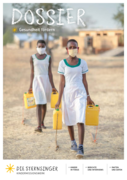
Im Hinblick auf die Finanzierung von Gesundheit im Allgemeinen und von Kindergesundheit im Speziellen ist zunächst zu berücksichtigen, ob die Gelder aus öffentlichen oder privaten Quellen stammen. Denn daraus ergeben sich grundsätzliche Unterschiede. Da private Krankenversicherungen gewinnorient
...
iert handeln, sind sie daran interessiert, in ihren Versicherungssystemen vor allem von gesunden Menschen mit ausreichend finanziellen Mitteln zu profitieren. Dies führt oft dazu, dass ausgerechnet die Menschen, die eine Gesundheitsversorgung am nötigsten brauchen – nämlich arme und gesundheitlich beeinträchtigte Menschen – außen vor gelassen werden.
more

The environment in which young people live, learn and play significantly affects their decisions about whether to consume alcohol. Environmental factors are the main risk factors driving alcohol consumption and related harm among young people. Environments that normalize alcohol consumption – term
...
ed alcogenic environments – include contexts with unregulated advertising and marketing of alcoholic beverages, higher alcohol outlet density, products designed to facilitate affordability and low prices of alcoholic beverages. A recent body of research evidence has emerged related to the measurement, functional significance and consequences of living in alcogenic environments. This includes findings on the complex and bidirectional interactions among alcohol acceptability, availability and affordability and how they create and perpetuate alcogenic environments. Comprehensive and enforced alcohol control policies are effective at delaying the age of onset and lowering alcohol prevalence and frequency among young people. Evidence consistently confirms the effectiveness of designing and implementing alcohol control policies that regulate upstream the drivers of alcogenic environment, including alcohol availability, acceptability and affordability. These policies need to be multipronged and address the complex interactions between these drivers and the local alcohol culture
more

While there has been real progress in addressing the burden of disease in the WHO African region, the COVID-19 pandemic has highlighted the link between health, economics and security, as the region saw decades of progress threatened, including positive trends in decreasing inequality. In the Africa
...
n Region the momentum towards achieving the 2030 SDG disease burden reduction targets (SDG targets 3.3, 3.4 and 3B) has stalled.
The COVID-19 pandemic was also a major threat to gains made, such as the eradication of polio in the region, declared in 2020; reduced numbers of new HIV infections in 2021 compared to 2010; and passing the 2020 milestone of the End TB Strategy, with a 22% reduction in new cases compared with 2015. However, the pandemic also disrupted essential health services in 92% of countries globally, 22.7 million children missed basic immunization, there was an increase in malaria and TB, and global deaths from TB rose for the first time since 2015.
more
