
Filter
5030
Text search:
legal
capacity
Featured
Recommendations
438
New Publications
1328
Language
Document type
No document type
2673
Studies & Reports
893
Guidelines
644
Manuals
333
Strategic & Response Plan
264
Training Material
95
Fact sheets
62
Situation Updates
39
Resource Platforms
12
Infographics
8
Brochures
4
Online Courses
2
App
1
Countries / Regions
Global
252
India
157
Kenya
137
Western and Central Europe
120
South Africa
95
Uganda
93
Nepal
89
Myanmar / Burma
88
Ethiopia
83
Nigeria
78
Africa
77
Syria
76
Rwanda
75
Ukraine
74
Sierra Leone
73
Liberia
73
Latin America and the Carribbean
67
Zambia
66
Bangladesh
61
Ghana
57
Tanzania
55
Malawi
47
Namibia
47
South–East Asia Region
44
Congo, Democratic Republic of
41
Eastern Europe
41
South Sudan
38
Indonesia
35
Lesotho
34
Philippines
33
Asia
33
Yemen
29
Venezuela
29
Zimbabwe
28
East and Southern Africa
26
West and Central Africa
26
Cambodia
24
Mozambique
24
Eastern Europe and Central Asia
24
Guinea
21
Afghanistan
21
Senegal
20
Germany
20
Botswana
20
Lebanon
19
Pakistan
18
Middle East and North Africa
18
Haiti
17
Jordan
15
Colombia
15
Somalia
14
Western Pacific Region
14
Burkina Faso
13
Cameroon
12
Thailand
12
Central African Republic
12
Russia
12
Moldova
12
Vietnam
12
Eswatini/ Swaziland
11
Brazil
11
Albania
11
Sudan
10
Laos
10
Iraq
9
Turkey
9
Peru
9
Paraguay
9
Greece
8
Palestine
8
Tajikistan
8
Iran
8
Mali
7
China
6
Sri Lanka
6
Guinea-Bissau
5
North Macedonia
5
Burundi
5
Ecuador
5
Madagascar
5
Kyrgyzstan
5
Georgia
5
Côte d’Ivoire / Ivory Coast
4
Egypt
4
Chad
4
Papua New Guinea
4
Benin
4
Argentina
4
Bolivia
4
Angola
4
Poland
4
Southern Africa
4
Timor Leste/ East Timor
4
Romania
4
Kazakhstan
4
North America
4
Turkmenistan
4
Jamaica
4
USA
3
Libya
3
Mexico
3
Chile
3
Bhutan
3
United Kingdom
3
Niger
2
Togo
2
Gambia
2
Malaysia
2
Mauritania
2
Singapore
2
Serbia
2
Hungary
2
Croatia
2
North Korea
2
Djibouti
2
Canada
2
Estonia
2
Lithuania
2
Uzbekistan
2
Japan
2
Mauritius
2
Portugal
2
Spain
2
Belarus
2
Saudi Arabia
1
Ireland
1
Vanuatu
1
Honduras
1
El Salvador
1
Guatemala
1
Other region
1
Fiji
1
Solomon Islands
1
Italy
1
Mongolia
1
Qatar
1
Bulgaria
1
Azerbaijan
1
Israel
1
Bosnia and Herzegovina
1
Authors & Publishers
Publication Years
Category
Countries
1684
Key Resources
414
Clinical Guidelines
337
Public Health
324
Women & Child Health
288
Capacity Building
93
Pharmacy & Technologies
65
Toolboxes
HIV
437
Mental Health
393
COVID-19
333
Disability
252
TB
238
Planetary Health
205
Conflict
188
Refugee
143
Caregiver
129
AMR
119
NTDs
118
Rapid Response
117
Global Health Education
113
Ebola & Marburg
101
Natural Hazards
89
2.0 Rapid Response
88
Pharmacy
87
NCDs
64
Health Financing Toolbox
61
Malaria
61
Specific Hazards
31
Zika
25
Polio
24
Cholera
16
Social Ethics
10
Typhoon
3
South Sudan
1

Development assistance for health (DAH)
plays a vital role in supporting health programmes in lowand middle-income countries. While DAH has historically
focused on infectious diseases and maternal and child
health, there is a lack of comprehensive analysis of DAH
trends, strategic shifts and the
...
Most foreign aid comes in one of two forms: either we pay a person or an institution today in exchange for delivering some beneficial activity in the future, or we observe something bad happen to them and then give them support to recover from it. This kind of aid is simple to design and deliver,
b
...

The world is facing a sustainable development crisis. The 2024 Financing for Sustainable Development Report: Financing for Development at a Crossroads finds that financing challenges are at the heart of the crisis and imperil the SDGs and climate action. The window to rescue the SDGs and prevent a c
...

In 2022, Namibia had an estimated population of 2.6 million people, where 51 per cent per cent are females and 52.5 per cent of households in urban areas, with fast-growing urban informal settlements which lack access to basic services. Namibia has a young population; 42 per cent are children (0-17
...
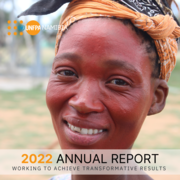
Access to safe and voluntary family planning is an inalienable human right that
cannot be denied. In 2022, UNFPA continued to work with Government and partners
to make this a reality in Namibia by providing strategic support to the national family
planning programme and ensuring universal access
...

Anopheles stephensi is an invasive mosquito species which has been found spreading across Africa. While this species presents a new challenge for malaria control on the continent, its surveillance and management have been ongoing in Asia for many years. This document aims to summarize key lessons fr
...

The Rwanda Malaria Strategic Plan 2020–2024 outlines Rwanda’s national strategy to reduce malaria morbidity and mortality by at least 50% compared to 2019 levels. The vision is a malaria-free Rwanda contributing to socioeconomic development.
The plan includes strengthening prevention through lo
...
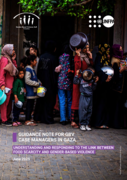
The Gaza Strip is experiencing one of the most severe food security crises globally, with the entire population of approximately 2.1 million people now facing crisis-level food insecurity or worse (IPC Phase 3+). As of May 2025, more than one in five Gazans—about
470,000 people—are at risk of s
...

The Compendium of Solid Waste Management in Humanitarian Contexts is a comprehensive, structured and userfriendly manual and planning guide that provides a systematic overview of existing Solid Waste Management (SWM) technologies and approaches appropriate for use in humanitarian contexts.
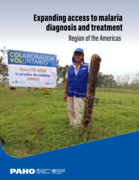
The overall objective of this approach is to accelerate efforts toward malaria elimination by increasing
access to early diagnosis and treatment. The specific objectives are to: Minimize the barriers that the population faces in accessing timely, quality diagnosis and treatment. Reduce the time bet
...

Non-Communicable Diseases (NCDs) have emerged as conditions of great public health concern in Kenya accounting for 39% of deaths annually. The Ministry of Health through the Department of Non-Communicable Diseases has adopted the vision of achieving a nation free from preventable burden of NCDs. Fur
...
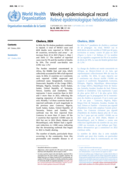
The global cholera statistics for 2024, showing an increase in both the number of people who fell sick and died from the disease.
Reported cholera cases rose by 5% and deaths by 50% in 2024 compared to 2023, with more than 6000 people dying from a disease that is both preventable and treatable. Whi
...
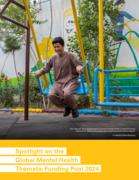
Promoting and protecting the mental health and psychosocial wellbeing of children, adolescents, and their caregivers remains undamental to achieving the Sustainable Development Goals (SDGs), with a direct contribution to SDG 3 (Good Health and Well- eing). In 2024, UNICEF accelerated the scale-up o
...

The health impacts of climate change are no longer a distant threat. They are being felt here and now and becoming more extreme.
To address these threats, the WHO Asia-Pacific Centre for Environment and Health in the Western Pacific Region (ACE) was established in 2019 through a partnership with
...

he UNFPA “Programmatic guidelines: Cash and Voucher Assistance in Sexual and Reproductive Health programming in Emergencies” explains how CVA can be effectively integrated into humanitarian responses to help women, girls, and other vulnerable groups access lifesaving and comprehensive SRH servic
...

Abrupt reductions in international HIV assistance in 2025 have deepened existing funding shortfalls. The OECD estimates that external health assistance is projected to drop by 30–40% in 2025 compared with 2023, causing immediate and even more severe disruption to health services in low- and middle
...

Program Considerations

These guidelines update earlier WHO recommendations to maximize the HIV prevention impact of safe VMMC services and aim to guide the transition to the sustained provision of interventions with a focus on the health and well-being of both adolescent boys and men.
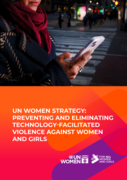
Technology and digital tools are transforming everyday life, opening new opportunities for women and girls—but they are also being weaponized to harass, threaten, and silence them online. Technology-facilitated violence against women and girls (TF VAWG) is now a defining challenge for gender equal
...

In response to the growing necessity for accurate and timely information regarding deaths categorized by age, sex, and cause of death, underscored by the profound impact of the COVID-19 pandemic, the Africa Centres for Disease Control and Prevention (Africa CDC) developed the Continental Framework d
...
