
Filter
3956
Text search:
World
Bank
Featured
258
1108
Language
3722
125
91
74
57
36
26
22
10
8
7
5
4
3
3
2
2
2
2
2
2
2
2
2
1
1
1
1
1
1
1
1
1
1
1
1
1
1
1
1
1
1
1
1
Document type
2128
971
303
180
172
72
53
46
15
8
3
1
1
Countries
249
154
108
105
104
99
96
90
78
76
75
74
61
59
54
52
51
48
47
45
45
44
42
36
34
34
34
33
33
33
32
31
31
28
28
28
24
24
22
22
21
18
18
17
15
15
15
14
14
14
13
13
12
12
12
12
11
11
10
10
10
9
8
8
8
7
6
6
6
5
5
5
5
5
5
5
4
4
4
4
4
4
4
3
3
3
3
3
3
3
3
2
2
2
2
2
2
2
2
2
2
2
2
2
1
1
1
1
1
1
1
1
1
1
1
1
1
1
1
1
1
1
1
1
1
1
1
1
1
1
Authors & Publishers
452
141
140
125
121
100
68
54
48
47
42
27
24
23
21
19
19
18
18
18
16
16
16
15
14
14
13
13
12
12
12
11
11
11
11
11
10
10
10
10
10
10
10
10
9
9
9
9
9
8
8
8
8
8
8
8
8
8
8
8
7
7
7
7
7
7
7
7
7
7
7
7
7
6
6
6
6
6
6
6
6
6
6
6
6
6
6
6
6
6
6
6
5
5
5
5
5
5
5
5
5
5
5
5
5
5
5
5
5
5
5
5
5
5
5
5
4
4
4
4
4
4
4
4
4
4
4
4
4
4
4
4
4
4
4
4
4
4
4
4
4
4
4
4
4
4
4
4
4
4
4
4
3
3
3
3
3
3
3
3
3
3
3
3
3
3
3
3
3
3
3
3
3
3
3
3
3
3
3
3
3
3
3
3
3
3
3
3
3
3
3
3
3
3
3
3
3
3
3
3
3
3
3
3
3
3
3
3
3
3
3
3
3
3
3
3
3
3
3
3
3
3
3
3
3
3
3
3
3
3
3
3
3
3
3
3
3
3
3
3
3
2
2
2
2
2
2
2
2
2
2
2
2
2
2
2
2
2
2
2
2
2
2
2
2
2
2
2
2
2
2
2
2
2
2
2
2
2
2
2
2
2
2
2
2
2
2
2
2
2
2
2
2
2
2
2
2
2
2
2
2
2
2
2
2
2
2
2
2
2
2
2
2
2
2
2
2
2
2
2
2
2
2
2
2
2
2
2
2
2
2
2
2
2
2
2
2
2
2
2
2
2
2
2
2
2
2
2
2
2
2
2
2
2
2
2
2
2
2
2
2
2
2
2
2
2
2
2
2
2
2
2
2
2
2
2
2
2
2
2
2
2
2
2
2
2
2
2
2
2
2
2
2
2
2
2
2
2
2
2
2
2
2
2
2
2
2
2
2
2
2
2
2
2
2
2
2
2
2
2
2
2
2
2
2
2
2
2
2
2
2
2
2
2
2
2
2
2
2
2
2
2
2
2
2
2
2
2
2
2
2
2
2
1
1
1
1
1
1
1
1
1
1
1
1
1
1
1
1
1
1
1
1
1
1
1
1
1
1
1
1
1
1
1
1
1
1
1
1
1
1
1
1
1
1
1
1
1
1
1
1
1
1
1
1
1
1
1
1
1
1
1
1
1
1
1
1
1
1
1
1
1
1
1
1
1
1
1
1
1
1
1
1
1
1
1
1
1
1
1
1
1
1
1
1
1
1
1
1
1
1
1
1
1
1
1
1
1
1
1
1
1
1
1
1
1
1
1
1
1
1
1
1
1
1
1
1
1
1
1
1
1
1
1
1
1
1
1
1
1
1
1
1
1
1
1
1
1
1
1
1
1
1
1
1
1
1
1
1
1
1
1
1
1
1
1
1
1
1
1
1
1
1
1
1
1
1
1
1
1
1
1
1
1
1
1
1
1
1
1
1
1
1
1
1
1
1
1
1
1
1
1
1
1
1
1
1
1
1
1
1
1
1
1
1
1
1
1
1
1
1
1
1
1
1
1
1
1
1
1
1
1
1
1
1
1
1
1
1
1
1
1
1
1
1
1
1
1
1
1
1
1
1
1
1
1
1
1
1
1
1
1
1
1
1
1
1
1
1
1
1
1
1
1
1
1
1
1
1
1
1
1
1
1
1
1
1
1
1
1
1
1
1
1
1
1
1
1
1
1
1
1
1
1
1
1
1
1
1
1
1
1
1
1
1
1
1
1
1
1
1
1
1
1
1
1
1
1
1
1
1
1
1
1
1
1
1
1
1
1
1
1
1
1
1
1
1
1
1
1
1
1
1
1
1
1
1
1
1
1
1
1
1
1
1
1
1
1
1
1
1
1
1
1
1
1
1
1
1
1
1
1
1
1
1
1
1
1
1
1
1
1
1
1
1
1
1
1
1
1
1
1
1
1
1
1
1
1
1
1
1
1
1
1
1
1
1
1
1
1
1
1
1
1
1
1
1
1
1
1
1
1
1
1
1
1
1
1
1
1
1
1
1
1
1
1
1
1
1
1
1
1
1
1
1
1
1
1
1
1
1
1
1
1
1
1
1
1
1
1
1
1
1
1
1
1
1
1
1
1
1
1
1
1
1
1
1
1
1
1
1
1
1
1
1
1
1
1
1
1
1
1
1
1
1
1
1
1
1
1
1
1
1
1
1
1
1
1
1
1
1
1
1
1
1
1
1
1
1
1
1
1
1
1
1
1
1
1
1
1
1
1
1
1
1
1
1
1
1
1
1
1
1
1
1
1
1
1
1
1
1
1
1
1
1
1
1
1
1
1
1
1
1
1
1
1
1
1
1
1
1
1
1
1
1
1
1
1
1
1
1
1
1
1
1
1
1
1
1
1
1
1
1
1
1
1
1
1
1
1
1
1
1
1
1
1
1
1
1
1
1
1
1
1
1
1
1
1
1
1
1
1
1
1
1
1
1
1
1
1
1
1
1
1
1
1
1
1
1
1
1
1
1
1
1
1
1
1
1
1
1
1
1
1
1
1
1
1
1
1
1
1
1
1
1
1
1
1
1
1
1
1
1
1
1
1
1
1
1
1
1
1
1
1
1
1
1
1
1
1
1
1
1
1
1
1
1
1
1
1
1
1
1
1
1
1
1
1
1
1
1
1
1
1
1
1
1
1
1
1
1
1
1
1
1
1
1
1
1
1
1
1
1
1
1
1
1
1
1
1
1
1
1
1
1
1
1
1
1
1
1
1
1
1
1
1
1
1
1
1
1
1
1
1
1
1
1
1
1
1
1
1
1
1
1
1
1
1
1
1
1
1
1
1
1
1
1
1
1
1
1
1
1
1
1
1
1
1
1
1
1
1
1
1
1
1
1
1
1
1
1
1
1
1
1
1
1
1
1
1
1
1
1
1
1
1
1
1
1
1
1
1
1
1
1
1
1
1
1
1
1
1
1
1
1
1
1
1
1
1
1
1
1
1
1
1
1
1
1
1
1
1
1
1
1
1
1
1
1
1
1
1
1
1
1
1
1
1
1
1
1
1
1
1
1
1
1
1
1
1
1
1
1
1
1
1
1
1
1
1
1
1
1
1
1
1
1
1
1
1
1
1
1
1
1
1
1
1
1
1
1
1
1
1
1
1
1
1
1
1
1
1
1
1
1
1
1
1
1
1
1
1
1
1
1
1
1
1
1
1
1
1
1
1
1
1
1
1
1
1
1
1
1
1
1
1
1
1
1
1
1
1
1
1
1
1
1
1
1
1
1
1
1
1
1
1
1
1
1
1
1
1
1
1
1
1
1
1
1
1
1
1
1
1
1
1
1
1
1
1
1
1
1
1
1
1
1
1
1
1
1
1
1
1
1
1
1
1
1
1
1
1
1
1
1
1
1
1
1
1
1
1
1
1
1
1
1
1
1
1
1
1
1
1
1
1
1
1
1
1
1
1
1
1
1
1
1
1
1
1
1
1
1
1
1
1
1
1
1
1
1
1
1
1
1
1
1
1
1
1
1
1
1
1
1
1
1
1
1
1
1
1
1
1
1
1
1
1
1
1
1
1
1
1
1
1
1
1
1
1
1
1
1
1
1
1
1
1
1
1
1
1
1
1
1
1
1
1
1
1
1
1
1
1
1
1
1
1
1
1
1
1
1
1
1
1
1
1
1
1
1
1
1
1
1
1
1
1
1
1
1
1
1
1
1
1
1
1
1
1
1
1
1
1
1
1
1
1
1
1
1
1
1
1
1
1
1
1
1
1
1
1
1
1
1
1
1
1
1
1
1
1
1
1
1
1
1
1
1
1
1
1
1
1
1
1
1
1
1
1
1
1
1
1
1
1
1
1
1
1
1
1
1
1
1
1
1
1
1
1
1
1
1
1
1
1
1
1
1
1
1
1
1
1
1
1
1
1
1
1
1
1
1
1
1
1
1
1
1
1
1
1
1
1
1
1
1
1
1
1
1
1
1
1
1
1
1
1
1
1
1
1
1
1
1
1
1
1
1
1
1
1
1
1
1
1
1
1
1
1
1
1
1
1
1
1
1
1
1
1
1
1
1
1
1
1
1
1
1
1
1
1
1
1
1
1
1
1
1
1
1
1
1
1
1
1
1
1
1
1
1
1
1
1
1
1
1
1
1
1
1
1
1
1
1
1
1
1
1
1
1
1
1
1
1
1
1
1
1
1
1
1
1
1
1
1
1
1
1
1
1
1
1
1
1
1
1
1
1
1
1
1
1
1
1
1
1
1
1
1
1
1
1
1
1
1
1
1
1
1
1
1
1
1
1
1
1
1
1
1
1
1
1
1
1
1
1
1
1
1
1
1
1
1
1
1
1
1
1
1
1
1
1
1
1
1
1
1
1
1
1
1
1
1
1
1
1
1
1
1
1
1
1
1
1
1
1
1
1
1
1
1
1
1
1
1
1
1
1
1
1
1
1
1
1
1
1
1
1
1
1
1
1
1
1
1
1
1
1
1
1
1
1
1
1
1
1
1
1
1
1
1
1
1
1
1
1
1
1
1
1
1
1
1
1
1
1
1
1
1
1
1
1
1
1
1
1
1
1
1
1
1
1
1
1
1
1
1
1
1
1
1
1
1
1
1
1
1
1
1
1
1
1
1
1
1
1
1
1
1
1
1
1
1
1
1
1
1
1
1
1
1
1
1
1
1
1
1
1
1
1
1
1
1
1
1
1
1
1
1
1
1
1
1
1
1
1
1
1
1
1
1
1
1
1
1
1
1
1
1
1
1
1
1
1
1
1
1
1
1
1
1
1
1
1
1
1
1
1
1
1
1
1
1
1
1
1
1
1
1
1
1
1
1
1
1
1
1
1
1
1
1
1
1
1
1
1
1
1
1
1
1
1
1
1
1
1
1
1
1
1
1
1
1
1
1
1
1
1
1
1
1
1
1
1
1
1
1
1
1
1
1
1
1
1
1
1
1
1
1
1
1
1
1
1
1
1
1
1
1
1
1
1
1
1
1
1
1
1
1
1
1
1
1
1
1
1
1
1
1
1
1
1
1
1
1
1
1
1
1
1
1
1
1
1
1
1
1
1
1
1
1
1
1
1
1
1
1
1
1
1
1
1
1
1
1
1
1
1
1
1
1
1
1
1
1
1
1
1
1
1
1
1
1
1
1
1
1
1
1
1
1
1
1
1
1
1
1
1
1
1
1
1
1
1
1
1
1
1
1
1
1
1
1
1
1
1
1
1
1
1
1
1
1
1
1
1
1
1
1
1
1
1
1
1
1
1
1
1
1
1
1
1
1
1
1
1
1
1
1
1
1
1
1
1
1
1
1
1
1
1
1
1
1
1
1
1
1
1
1
1
1
1
1
1
1
1
1
1
1
1
1
1
1
1
1
1
1
1
1
1
1
1
1
1
1
1
1
1
1
1
1
1
1
1
1
1
1
1
1
1
1
1
1
1
1
1
1
1
1
1
1
1
1
1
1
1
1
1
1
1
1
1
1
1
1
1
1
1
1
1
1
1
1
1
1
1
1
1
1
1
1
1
1
1
1
1
1
1
1
1
1
1
1
1
1
1
1
1
1
1
1
1
1
1
1
1
1
1
1
1
1
1
1
1
1
1
1
1
1
1
1
1
1
1
1
1
1
1
1
1
1
1
1
1
1
1
1
1
1
1
1
1
1
1
1
1
1
1
1
1
1
1
1
1
1
1
1
1
1
1
1
1
1
1
1
1
1
1
1
1
1
1
1
1
1
1
1
1
1
1
1
1
1
1
1
1
1
1
1
1
1
1
1
1
1
1
1
1
1
1
1
1
1
1
1
1
1
1
1
1
1
1
1
1
1
1
1
1
1
1
1
1
1
1
1
1
1
1
1
1
1
1
1
1
1
1
1
1
1
1
1
1
1
1
1
1
1
1
1
1
1
1
1
1
1
1
1
1
1
1
1
1
1
1
1
1
1
1
1
1
1
1
1
1
1
1
1
1
1
1
1
1
1
1
1
1
1
1
1
1
1
1
1
1
1
1
1
1
1
1
1
1
1
1
1
1
1
1
1
1
1
1
1
1
1
1
1
1
1
1
1
1
1
1
1
1
1
1
1
1
1
1
1
1
1
1
1
1
1
1
1
1
1
1
1
1
1
1
1
1
1
1
1
1
1
1
1
1
1
1
1
1
1
1
1
1
1
1
1
1
1
1
1
1
1
1
1
1
1
1
1
1
1
1
1
1
1
1
1
1
1
1
1
1
1
1
1
1
1
1
1
1
1
1
1
1
1
1
1
1
1
1
1
1
1
1
1
1
1
1
1
1
1
1
1
1
1
1
1
1
1
1
1
1
1
1
1
1
1
1
1
1
1
1
1
1
1
1
1
1
1
1
1
1
1
1
1
1
1
1
1
1
1
1
1
1
1
1
1
1
1
1
1
1
1
1
1
1
1
1
1
1
1
1
1
1
1
1
1
1
1
1
1
1
1
1
1
1
1
1
1
1
1
1
1
1
1
1
1
1
1
1
1
1
1
1
1
1
1
1
1
1
1
1
1
1
1
1
1
1
1
1
1
1
1
1
1
1
1
1
1
1
1
1
1
1
1
1
1
1
1
1
1
1
1
1
1
1
1
1
1
1
1
1
1
1
1
1
1
1
1
1
1
1
1
1
1
1
1
1
1
1
1
1
1
1
1
1
1
1
1
1
1
1
1
1
1
1
1
1
1
1
1
1
1
1
1
1
1
1
1
1
1
1
1
1
1
1
1
1
1
1
1
1
1
1
1
1
1
1
1
1
1
1
1
1
1
1
1
1
1
1
1
1
1
1
1
1
1
1
1
1
1
1
1
1
1
1
1
1
1
1
1
1
1
1
1
1
1
1
1
1
1
1
1
1
1
1
1
1
1
1
1
1
1
1
1
1
1
1
1
1
1
1
1
1
1
1
1
1
1
1
1
1
1
1
1
1
1
1
1
1
1
1
1
1
1
1
1
1
1
1
1
1
1
1
1
1
1
1
1
1
1
1
1
1
1
1
1
1
1
1
1
1
1
1
1
1
1
1
1
1
1
1
1
1
1
1
1
1
1
1
1
1
1
1
1
1
1
1
1
1
1
1
1
1
1
1
1
1
1
1
1
1
1
1
1
1
1
1
1
1
1
1
1
1
1
1
1
1
1
1
1
1
1
1
1
1
1
1
1
1
1
1
1
1
1
1
1
1
1
1
1
1
1
1
1
1
1
1
1
1
1
1
1
1
1
1
1
1
1
1
1
1
1
1
1
1
1
1
1
1
1
1
1
1
1
1
1
1
1
1
1
1
1
1
1
1
1
1
1
1
1
1
1
1
1
1
1
1
1
1
1
1
1
1
1
1
1
1
1
1
1
1
1
1
1
1
1
1
1
1
1
1
1
1
1
1
1
1
1
1
1
1
1
1
1
1
1
1
1
1
1
1
1
1
1
1
1
1
1
1
1
1
1
1
1
1
1
1
1
1
1
1
1
1
1
1
1
1
1
1
1
1
1
1
1
1
1
1
Publication Years
1235
2422
285
13
1
Category
1681
290
227
227
163
50
24
Toolboxes
307
267
233
220
156
145
136
111
102
94
89
73
73
70
61
54
51
47
39
28
17
12
11
10
8
2
2
Допомога при інсульті є пріоритетом в Україні. Рівень смертності від інсульту є
вищим, ніж у більшості Європейських країн. За підрахунками в Україні щороку
перено
...
сить інсульт близько 130 000 людей; у 2020 році показник
внутрішньолікарняної смертності становив 19,76% усіх госпіталізованих з
інсультом пацієнтів; 30–40% усіх пацієнтів помирали протягом першого місяця
після перенесення інсульту; в цілому інсульт був причиною 13% усіх смертей в
Україні.
more
The primary audience for these recommendations includes health professionals who are responsible for developing national and local health-care guidelines and protocols and health workers involved in the provision of care to women and their newborns during pregnancy, labour and childbirth; this inclu
...
des midwives, nurses, general medical practitioners and obstetricians. The primary audience also includes managers of maternal and child health programmes, and relevant staff in ministries of health and educational and training institutions, in all settings.
more
The primary audience for these recommendations includes health professionals who are responsible for developing national and local health-care guidelines and protocols and health workers involved in the provision of care to women and their newborns during pregnancy, labour and childbirth; this inclu
...
des midwives, nurses, general medical practitioners and obstetricians. The primary audience also includes managers of maternal and child health programmes, and relevant staff in ministries of health and educational and training institutions, in all settings.
more
The primary audience for these recommendations includes health professionals who are responsible for developing national and local health-care guidelines and protocols and health workers involved in the provision of care to women and their newborns during pregnancy, labour and childbirth; this inclu
...
des midwives, nurses, general medical practitioners and obstetricians. The primary audience also includes managers of maternal and child health programmes, and relevant staff in ministries of health and educational and training institutions, in all settings.
more

An estimated 1.3 billion people – or 16% of global population worldwide – experience a significant disability today. Persons with disabilities have the right to the highest attainable standard of health as those without disabilities. However, the WHO Global report on health equity for persons w
...
ith disabilities demonstrates that while some progress has been made in recent years, the world is still far from realizing this right for many persons with disabilities who continue to die earlier, have poorer health, and experience more limitations in everyday functioning than others. These poor health outcomes are due to unfair conditions faced by persons with disabilities in all facets of life, including in the health system itself. Countries have an obligation under international human rights law to address the health inequities faced by persons with disabilities. Furthermore, the Sustainable Development Goals and global health priorities will not progress without ensuring health for all.
more
The results of the report clearly show that in 2020, a year dominated by the emergence of COVID-19 and its associated health and economic crises, governments around the world rose to the challenge. Sharp increases in government spending on health at
...
all country income levels underpinned the rise in health spending to a new high of US $9 trillion (approximately 11% of global GDP). Government health spending generally increased and offset declines in out-of-pocket spending. Importantly, the rise in government health spending was part of a much broader fiscal response to the pandemic. In high income and upper-middle income countries social protection spending also increased sharply in as governments attempted to cushion populations from the economic impacts of COVID-19. In contrast to health and social protection, growth in education spending was relatively subdued. Countries face the further challenge of sustaining increased public spending on health and other social sectors in the face of deteriorating macroeconomic conditions and rising debt servicing. This also includes the challenge of sustaining external support for low income countries, which is essential for reducing ensuring poverty, ensuring access to health services and strengthening pandemic preparedness.
more

Atlas of African Health Statistics 2022: Health situation analysis of the WHO African Region
Since 2019, we have been implementing Phase 2 of the regional Transformation Agenda, which informs and aligns with the global WHO Transformation, to ensure WHO is accountable, driven by re- sults and provid
...
ing value for money in the pursuit of better health. Our global priority in this period is to contribute to delivering on the triple billion targets of expanding universal health coverage, protecting people from emergencies, and promoting health and well-being for people across the Region.
This year’s Atlas of African Health Statistics is being produced in the context of the COVID-19 pandemic that we have been expe- riencing for over two years. The ongoing coronavirus pandemic, together with other health emergencies in the WHO African Re- gion, is yet again testing the strength and resilience of our health systems. Indeed, the impact of COVID-19 is visible in the disruption of services. The report also presents the latest data for more than 50 health-related indicators of the Sustainable Development Goals and WHO’s “triple billion” targets and provides comprehensive country-level statistics using the results chain of the AFRO frame- work of actions for strengthening health systems to achieve UHC and the health-related SDGs.
more

The World Health Organization's fourth Country Cooperation Strategy 2022-2026 is an outcome of a consultative process with inputs from the Ministry of Health, various agencies in the health sector, and other relevant stakeholders. It has been develo
...
ped to provide strategic direction and support toward achieving the priorities of the Government of the Kingdom of Eswatini.
It is designed to support the strengthening of health systems and services toward the attainment of Universal Health
Coverage (UHC) and the Sustainable Development Goals targets. The CCS 2022-2026 also presents the collaborative
agenda between the Kingdom of Eswatini and the three levels of WHO, aligns with the strategic priorities of WHO’s
13th General Programme of Work (2019 – 2025), as well as Eswatini’s United Nations Sustainable Development Cooperation Framework (UNSDCF) 2021-2025
more

As countries aim to progress towards the Sustainable Development Goals (SDGs) and achieving universal health coverage, health inequities driven by racial discrimination and intersecting factors remain pervasive. Inequities experienced by indigenous peoples as well as people of African descent, Roma
...
and other ethnic minorities are of concern globally; they are unjust, preventable and remediable.
Health systems themselves are important determinants of health and health equity. They can perpetuate health inequities by reflecting structural racism and discriminatory practices of wider society. For instance, systemic racism, implicit bias, misinformed clinical practice, or discrimination by health professionals contributes to health inequities. However, health systems can also be a leading force for tackling the inequities faced by populations experiencing racial discrimination.
Primary health care (PHC) is the essential strategy for reorientating health systems and societies to become healthier, equitable, effective and sustainable. In 2018, on the 40th anniversary of the Declaration of Alma-Ata, the World Health Organization (WHO) and the United Nations Children’s Fund (UNICEF) renewed the emphasis on PHC with their strategy,
WHO outlines 14 strategic and operational levers for policy-makers to strengthen PHC. Within each lever, there are multiple potential entry points for targeted actions to address racial discrimination, foster intercultural care, and reduce health inequities experienced by indigenous peoples as well as people of African descent, Roma and other ethnic minorities.
more
The Fifty-first World Health Assembly,
Recalling resolutions WHA22.29, WHA25.55 and WHA28.54 on the prevention of blindness, and
WHA45.10 on disability prevention and rehabilitation; Aware of previous efforts and progress made in the global fight
...
against infectious eye diseases, in particular trachoma; Noting that blinding trachoma still constitutes a serious public health problem amongst the poorest populations in 46 endemic countries.
more
These country profiles present progress on implementation of policy recommendations of the Global Action Plan on Physical Activity (GAPPA) 2018-2030 in each country. They also present an estimate of the cost to health systems of not taking action to improve physical activity levels and reinforce th
...
e urgency to position physical activity as a shared, whole-of-government priority, and to strengthen coordination and partnerships to promote physical activity.
more
The introduction of vaccines for coronavirus disease 2019 (COVID-19) added another measure to the existing set of
recommended preventive measures (wearing a mask in public, keeping a distance from other people and regular handwashing). The roll-out of the vaccines, however, raised concerns that vac
...
cination may lead to lower adherence to the existing
preventive measures. The advice from the World Health Organization (WHO) was to continue these public health and
social measures after being vaccinated.1 However, evidence from other epidemics suggests that there is lower adherence to
preventive measures when some level of protection exists (for example, individuals who use human immunodeficiency virus
pre-exposure prophylaxis
more

This document provides an overview of strategic purchasing of nutrition services within primary health care. It introduces key terms and payment methods for countries to use in preparing to transform their health financial systems to scale up nutrition services. It does so by introducing nutritional
...
perspectives to strategic health purchasing core areas: What to buy, From whom to buy and How to buy.
more
The Onchocerciasis Control Programme in West Africa (OCP) undertook regional and large scale frght against onchocerciasis in West Africa in 1974 using a vector control strategy. By 2002 OCP had succeeded in eliminating the disease as a public health, socio-economic and development problem in 10 out
...
of I I countries. This campaign was highly technical and expensive. ln 1987, Merck & Co.,lnc. committed themselves to provide ivermectin free of charge for as long as needed to onchocerciasis endemic countries. This made it possible to envrsage the extension of onchocerciasis control activities to the remaining endemic countries in Africa.
more
This report outlines the coordination and partnership between two key ministries (Education and Public Health) in Kenya, other line ministries, the private sector, NGOs and the community in implementing the first phase of a sub-national school-based deworming exercise. The areas targeted included Co
...
ast, Central, Western, Nyanza
and parts of Eastern provinces, covering over 45 districts in this first phase. The SBD programme is guided by the National School Health Policy and Guidelines launched in 2009.
more
Over the past decade, the reduction of maternal mortality in Latin America and the Caribbean has shown signs of a marked slowdown and in some cases a reversal, jeopardizing commitments made at the global and regional levels and by the Member States themselves, including those established in the Sust
...
ainable Development Goals.
more

This annual report gives an overview of WHO lesotho Country office's undertakings and achievements in the context of an extraordinary health emergency. As we walk another mile this year, may we embrace all lessonst leanred in the previous year, learn from what did not work so well and take on new op
...
portunities in championing health in the country.
more
The report summarizes the estimates of the burden of disease attributable to unsafe drinking water, sanitation, and hygiene for the year 2019 for four health outcomes - diarrhoea, acute respiratory infections, soil-transmitted helminthiases, and undernutrition - which are included in the reporting o
...
f the Sustainable Development Goal indicator 3.9.2. The report includes estimates at global, regional and country level for 183 WHO Member States.
more
To assess national-level responses to NCDs, WHO has implemented NCD country capacity surveys periodically since 2001. This report is the latest in that series. Since the first survey round, the NCD Country Capacity Survey (NCD CCS) has been conducted a further seven times, most recently in 2021. In
...
the survey, completed by the NCD focal point within each country’s ministry of health or similar agency, countries are asked to report on the following topics relating to NCDs: (i) public health infrastructure, partnerships and multisectoral collaboration; (ii) policies, strategies and action plans; (iii) health information systems and surveillance; (iv) health system capacity for detection, treatment and care; and, added for 2021, (v) the impact of the COVID-19 pandemic on NCD-related resources and activities. The questionnaire is web-based and requires supporting documentation wherever possible. In the 2021 round, data were collected from May onwards, with the last survey responses arriving in September. Validation was carried out by WHO regional offices and WHO headquarters. Country responses to previous rounds of the survey were incorporated into the analysis to assess progress since 2010. Although all 194 Member States responded to the survey, data comparisons were restricted to the 160 countries that had responded to all rounds of the survey since 2010.
more
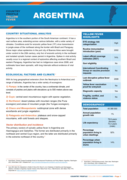
This country profile presents a summary and analysis of Argentina's status with yellow fever. It is part of a series of profiles on this topic, each focusing on a different country in the Region of the Americas. Argentina's geographical location presents a wide territorial extension throughout diffe
...
rent latitudes, which determines a wide climatic variety, maintaining the conditions for the enzootic transmission of the yellow fever virus in jungle areas of the northeast of the country bordering Brazil and Paraguay. After controlling the major urban epidemics that hit the port city of Buenos Aires in the 20th century, Argentina maintains foci of enzootic activity in the northeast and isolated human cases for jungle acquisition. The increases in viral activity usually occur in a regional context of epizootics that affect southern Brazil and eastern Paraguay. Argentina has not presented autochthonous cases since 2008. Outbreaks have been sporadic with long intervals without evidence of viral activity.
more
