
Filter
5053
Text search:
Global
Health
Network
Featured
Recommendations
416
New Publications
1226
Language
Document type
No document type
2574
Studies & Reports
1043
Guidelines
613
Manuals
280
Strategic & Response Plan
261
Fact sheets
87
Training Material
83
Situation Updates
62
Resource Platforms
26
Brochures
9
Online Courses
7
Infographics
5
App
1
Videos
1
Countries / Regions
Global
280
India
151
Kenya
125
Western and Central Europe
104
Sierra Leone
96
Nigeria
95
Ethiopia
92
Uganda
92
Liberia
91
Latin America and the Carribbean
90
Africa
89
Myanmar / Burma
86
Nepal
79
Bangladesh
72
Ukraine
72
Syria
70
South Africa
65
Zambia
60
Rwanda
60
Malawi
56
Tanzania
53
Eastern Europe
48
Congo, Democratic Republic of
44
South Sudan
42
Philippines
41
South–East Asia Region
41
Ghana
40
Namibia
39
Senegal
38
Guinea
37
Indonesia
34
Mozambique
32
Brazil
32
Zimbabwe
30
Russia
29
Lesotho
28
Asia
28
Cameroon
27
Haiti
27
East and Southern Africa
27
Cambodia
26
Yemen
26
Burkina Faso
24
West and Central Africa
23
Middle East and North Africa
22
Eastern Europe and Central Asia
20
Venezuela
20
Germany
19
Botswana
19
Pakistan
18
Afghanistan
18
Lebanon
18
Colombia
18
Jordan
16
Thailand
16
Vietnam
16
Somalia
13
Madagascar
13
Tajikistan
13
Sudan
12
Eswatini/ Swaziland
12
Mali
11
China
11
Central African Republic
11
Laos
11
Moldova
11
Benin
10
Western Pacific Region
10
Argentina
9
Sri Lanka
9
Côte d’Ivoire / Ivory Coast
8
Iraq
8
Chad
8
Angola
8
Chile
8
Georgia
8
USA
7
Peru
7
North Macedonia
7
Ecuador
7
Albania
7
Niger
6
Turkey
6
Iran
6
Guinea-Bissau
5
Mexico
5
Romania
5
Togo
4
Gambia
4
Hungary
4
Burundi
4
El Salvador
4
Poland
4
Southern Africa
4
Kyrgyzstan
4
Kazakhstan
4
North America
4
Portugal
4
Egypt
3
Malaysia
3
Papua New Guinea
3
Croatia
3
Bolivia
3
Bhutan
3
Palestine
3
Timor Leste/ East Timor
3
Turkmenistan
3
Japan
3
Spain
3
Belarus
3
Morocco
2
Saudi Arabia
2
Dominican Republic
2
Serbia
2
Honduras
2
Paraguay
2
Italy
2
Djibouti
2
Mongolia
2
Canada
2
Bulgaria
2
Estonia
2
Lithuania
2
Slovakia
2
Uzbekistan
2
Tunisia
2
United Kingdom
2
Mauritania
1
Singapore
1
Switzerland
1
Greece
1
Libya
1
Guatemala
1
Nicaragua
1
Other region
1
Fiji
1
North Korea
1
Qatar
1
Gabon
1
Jamaica
1
Denmark
1
France
1
Maldives
1
Mauritius
1
Norway
1
Azerbaijan
1
Bosnia and Herzegovina
1
Latvia
1
Belize
1
Costa Rica
1
Panama
1
Authors & Publishers
Publication Years
Category
Countries
1659
Key Resources
358
Public Health
298
Clinical Guidelines
274
Women & Child Health
240
Capacity Building
71
Pharmacy & Technologies
50
Toolboxes
HIV
479
COVID-19
475
Mental Health
374
TB
271
Planetary Health
256
Disability
218
Conflict
173
AMR
172
Global Health Education
134
Ebola & Marburg
127
NTDs
118
Rapid Response
108
Caregiver
106
Refugee
97
NCDs
92
Health Financing Toolbox
85
2.0 Rapid Response
82
Natural Hazards
77
Malaria
64
Pharmacy
59
Polio
39
Cholera
27
Zika
26
Social Ethics
24
Specific Hazards
20
South Sudan
1
Typhoon
1
DR-TB drugs under the microscope: Sources and prices for drug-resistant tuberculosis medicines
recommended
Issue Brief 8th edition.

In disaster preparedness, the participation of women, children, older people, persons with disabilities (PWDs), and other minority groups and sectors is important because they are the most vulnerable against disasters. Inclusive disaster preparedness provides technical and logical frameworks that as
...
Prepared as an outcome of ICMR Subcommittee on Cancer Cervix | This consensus document on management of cervix cancer summarizes the modalities of treatment including the site-specific anti-cancer therapies, supportive and palliative care and molecular markers and research questions. It also interwe
...
The European Resuscitation Council Guidelines for Resuscitation provide specific instructions for how resuscitation should be practiced and take into account ease of teaching and learning, as well as the science. They were developed by Europeans and have been specifically written with European pract
...
Les modules de formation et d’orientation QualityRights ont été élaborés pour renforcer les connaissances, les compétences et la compréhension des principales parties prenantes sur la manière de promouvoir les droits des personnes en situation de handicap psychosocial, intellectuel ou cogni
...
4ª edição
Nos próximos meses, a COVID Reference apresentará atualizações regulares e narrará os dados científicos o mais coerente possível.
It explains the importance of faecal sludge management in urban areas in which many people rely on on-site and decentralized sanitation facilities and emphasizes the place of treatment in the overall sanitation service chain. It defines terms used throughout the book, explains why faecal sludge and
...
How do local authorities and humanitarian agencies collaborate when refugees are in transit? An IIED-supported research project is looking at the transit refugee response in Croatia.
COVID Reference 2021.6 EN
recommended
6th edition 13 January 2021 CR 2021.6.10, uploaded on 27 May 2021
Find eight editions: Deutsch | English | Español | Français | Italiano | Português | Tiếng Việt | Türkçe
https://covidreference.com/download
Findings from a cross-sectional qualitative study of HIV vulnerabilities among People Who Inject Drugs and their sex partners in Bihar and Manipur, India. The study is one of the first qualitative comparative studies to seek an in-depth understanding of the vulnerabilities to HIV acquisition among P
...
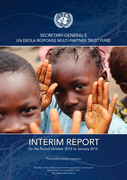
The report will describe how the Ebola Response MPTF, which has attracted contributions from 38 Member States, one business and many individuals, has offered a transparent and strategic tool to support the Ebola response. As of 31 January 2015, the Fund had total pledges amounting to US$142 million,
...
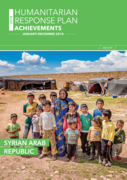
The 2018 Humanitarian Response Plan (HRP) aimed to assist 10.5 million people with direct assistance and 11.2 million people with improved access to basic services. In an effort to meet humanitarian needs, humanitarian partners provided various types of humanitarian life-saving and life-sustaining
...
Updated 8 June 2021. Coronavirus is spreading globally. How can individuals, communities, humanitarian actors, local and national authorities best respond to uphold the rights of all affected people?
With 71 million people forcibly displaced around the world and aid budgets woefully underfunded, how do humanitarian agencies decide whom to help and for how long?
