
Filter
11132
Text search:
Children
for
Health
Featured
Recommendations
928
New Publications
2883
Language
Document type
No document type
6360
Studies & Reports
1782
Guidelines
1213
Manuals
520
Strategic & Response Plan
355
Fact sheets
304
Training Material
238
Situation Updates
137
Infographics
84
Brochures
57
Resource Platforms
55
Videos
14
Online Courses
10
App
2
Dashboards/Maps
1
Countries / Regions
Global
469
India
454
Kenya
304
Nepal
240
Ethiopia
237
South Africa
222
Nigeria
218
Sierra Leone
213
Uganda
211
Myanmar / Burma
187
Liberia
185
Malawi
178
Syria
175
Bangladesh
174
Tanzania
170
Rwanda
167
Western and Central Europe
166
Zambia
165
Latin America and the Carribbean
144
Africa
144
Ghana
126
Ukraine
126
Congo, Democratic Republic of
117
Namibia
114
Philippines
100
South Sudan
92
Indonesia
84
Mozambique
83
Yemen
82
Lesotho
79
Senegal
78
Zimbabwe
78
Haiti
74
Cambodia
74
Russia
74
Germany
67
Eastern Europe
66
Asia
63
Burkina Faso
61
Venezuela
60
South–East Asia Region
54
Brazil
52
Guinea
50
Middle East and North Africa
49
Cameroon
41
Eastern Europe and Central Asia
41
West and Central Africa
40
Afghanistan
39
Botswana
39
Pakistan
38
Lebanon
36
Central African Republic
35
East and Southern Africa
35
Colombia
33
Somalia
31
Sudan
31
Eswatini/ Swaziland
31
Jordan
29
Mali
26
Paraguay
24
Iraq
22
Vietnam
21
China
20
Benin
19
Thailand
18
Argentina
18
Turkey
17
Angola
17
USA
16
Tajikistan
16
Moldova
16
Côte d’Ivoire / Ivory Coast
15
Peru
14
Sri Lanka
14
Albania
14
Laos
14
Madagascar
13
Palestine
13
Niger
12
Togo
12
Western Pacific Region
12
Chile
11
Egypt
10
Papua New Guinea
10
Burundi
10
Greece
10
Libya
10
Portugal
10
Ecuador
9
Georgia
9
North America
9
Spain
9
Guinea-Bissau
8
Mexico
8
Iran
8
Romania
7
Kazakhstan
7
Chad
6
Malaysia
6
Bolivia
6
Poland
6
Southern Africa
6
Timor Leste/ East Timor
6
Kyrgyzstan
6
Singapore
5
North Macedonia
5
Serbia
5
Turkmenistan
5
Saudi Arabia
4
Gambia
4
Hungary
4
Honduras
4
Guatemala
4
Bhutan
4
Armenia
4
Estonia
4
Uzbekistan
4
Japan
4
Tunisia
4
Belarus
4
Croatia
3
Italy
3
Djibouti
3
Canada
3
United Kingdom
3
Bosnia and Herzegovina
3
Morocco
2
Dominican Republic
2
Switzerland
2
El Salvador
2
Nicaragua
2
Fiji
2
Mongolia
2
Qatar
2
Bulgaria
2
Lithuania
2
Slovakia
2
Gabon
2
France
2
Maldives
2
Mauritius
2
Azerbaijan
2
Israel
2
Ireland
1
Other region
1
Solomon Islands
1
North Korea
1
Uruguay
1
Denmark
1
South Korea
1
Algeria
1
Latvia
1
Guyana
1
Oman
1
Authors & Publishers
Publication Years
Category
Countries
4390
Clinical Guidelines
737
Women & Child Health
680
Key Resources
585
Public Health
505
Capacity Building
251
Pharmacy & Technologies
56
Annual Report MEDBOX
3
Toolboxes
Mental Health
960
COVID-19
908
HIV
782
Disability
553
TB
505
Conflict
383
NTDs
332
Planetary Health
310
Refugee
299
Ebola & Marburg
266
Caregiver
249
NCDs
194
Global Health Education
169
Natural Hazards
162
Malaria
160
AMR
159
Rapid Response
142
Pharmacy
121
Cholera
109
Health Financing Toolbox
103
Polio
82
Zika
65
2.0 Rapid Response
65
Social Ethics
42
Specific Hazards
40
Typhoon
7
South Sudan
2
Key questions
What is already known?
Critical illness is common throughout the world and COVID-19 has caused a global surge of critically ill patients.
There are large gaps in the quality of care for critically ill patients, especially in
...
A qualitative assessment of knowledge gaps about female genital schistosomiasis among communities living in Schistosoma haematobium endemic districts of Zanzibar and Northwestern Tanzania.
PloS Neglected Tropical Diseases September 30, 2021 https://doi.org/10.1371/journal.pntd.0009789
Schistosoma
...
Interim Guidcance March 2020
People affected by humanitarian crises, particularly those displaced and/or living in camps and camp-like settings, are often faced with specific challenges and vulnerabilities that must be taken into consideration when planning
...
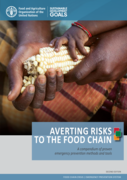
As the number of transboundary pest and animal and foodborne disease outbreaks rises, so does the number of people who are chronically hungry due to these and other factors. The correlation can be explained by the link between our health and that of
...

Non-communicable diseases (NCDs) are the second common cause of death in sub-Saharan Africa (SSA) accounting for about 35% of all deaths, after a composite of communicable, maternal, neonatal, and nutritional diseases. Despite prior perception of lo
...

Antibiotics and other antimicrobial agents are invaluable life savers, particularly in resource-limited countries where infectious diseases are abundant. Both uncomplicated and severe infections are potentially curable as long as the aetiological agents are susceptible to the
...
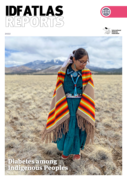
The IDF Diabetes Atlas report highlights the disproportionate prevalence of type 2 diabetes (T2D) among Indigenous Peoples globally. It emphasizes the social and health disparities resulting from colonization, loss of traditional practices, and syst
...
Aligned to the Lancet Migration Global Statement to include migrants and refugees incountries’response to COVID-19, this update focuses on Mexico’s challenges and opportunities to build an inclusive response that is based on a contextualized adaptation of there commendations published by th
...
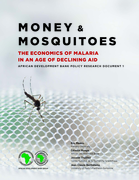
The report examines financing in the battle against malaria, focusing on the role of foreign aid. It analyzes whether or not a disease such as malaria can be controlled or eliminated in Africa without health aid. It also presents a theoretical model
...
On 19 August 2016, the former UN Secretary-General announced a new approach to cholera in Haiti, consisting of two tracks. Track 1 focuses on reducing cholera transmission, improving access to care, and addressing water, sanitation, and health syste
...
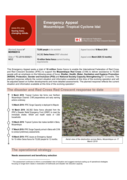
The disaster and Red Cross Red Crescent response to date
9 March 2019: Tropical Cyclone Idai forms over Northern Mozambique Channel. CVM preparedness and early warning actions underway
13 March 2019: IFRC Surge Capacity is deployed to Maputo
14 March 2019: 342,562 Swiss francs allocated from th
...
Schistosomiasis is a helminthic infection and one of the neglected tropical diseases (NTDs). It is caused by blood flukes of the genus Schistosoma. It is an important public health problem, particularly in poverty-stricken areas, especially those wi
...
The Cholera Outbreak Guidelines: Preparedness, Prevention, and Control provide a practical field guide for responding to cholera outbreaks. Developed by Oxfam GB, the guidelines combine lessons from past cholera interventions and best practices
...

Integrated Outbreak Analytics (IOA) applies a multidisciplinary approach to understanding outbreak dynamics and to inform outbreak response. It aims to drive comprehensive, accountable, and effective public health and clinical strategies by enabling
...

Second interim report to the SMAC program, DFID Freetown
This report provides further output from an anthropological study of 25 villages affected by Ebola Virus Disease in eastern and central Sierra Leone, undertaken as part of the DFID-funded social mobilization initiative
...
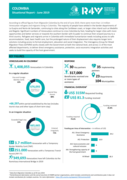
According to official figures from Migración Colombia by the end of June 2019, there were more than 1.4 million Venezuelan refugees and migrants living in Colombia. The majority of people have settled in the border departments of La Guajira and Norte de Santander, continuing to cities along the Car
...
Findings from this report reveal that, rates of early marriage are high, a significant percentage of children contribute to the household’s income or are its main source of income, and restrictions on the mobility of women and girls constrain thei
...
Key Messages and Recommendations.
The Report, Todos y todas sin excepción, produced by the Global Education Monitoring (GEM) Report and the Regional Bureau for Education in Latin America and the Caribbean (OREALC /UNESCO Santiago), along with the
...
he aetiology of asthma and allergic disease remains poorly understood, despite considerable research. The International Study of Asthma and Allergies in Childhood (ISAAC), was founded to maximize the value of epidemiological research into asthma and allergic disease, by establishing a standardized m
...
In recent years Terre des Hommes Netherlands observed the steady rise of a new form of child sexual exploitation. One that is enabled and fuelled by rapid technological advances, increasing global connectivity, persisting poverty rates, and growing disparity in the global distribution of resources.
...
