
Filter
2673
Text search:
equitable
Featured
209
687
Language
2597
99
75
48
45
28
27
12
4
3
3
3
3
3
2
2
2
2
2
2
2
2
1
1
1
1
1
1
1
1
1
1
1
1
1
1
1
1
1
1
1
1
1
1
1
1
Document type
1253
612
282
213
137
81
40
25
12
5
3
3
2
Countries
212
102
63
62
61
61
61
54
49
47
47
47
46
43
42
39
39
37
33
32
27
23
23
22
19
17
16
16
15
14
14
14
13
12
12
11
11
11
11
10
10
9
9
8
7
6
6
6
6
6
6
6
5
5
5
5
4
4
4
4
4
4
4
4
4
3
3
3
3
3
3
3
3
2
2
2
2
2
2
2
2
2
2
2
1
1
1
1
1
1
1
1
1
1
1
1
1
1
1
1
1
1
1
1
1
1
1
Authors & Publishers
408
106
87
78
65
62
49
42
33
21
21
19
18
17
15
15
14
13
13
13
13
12
12
12
12
11
10
10
10
9
9
9
9
9
9
9
8
8
8
8
8
7
7
7
7
7
7
7
7
7
7
6
6
6
6
6
6
6
6
6
6
6
6
6
6
6
6
6
5
5
5
5
5
5
5
5
5
5
5
5
5
5
5
5
4
4
4
4
4
4
4
4
4
4
4
4
4
4
4
4
4
4
4
4
4
3
3
3
3
3
3
3
3
3
3
3
3
3
3
3
3
3
3
3
3
3
3
3
3
3
3
3
3
3
3
3
3
3
3
3
3
3
3
3
3
3
3
3
3
3
3
3
3
3
3
3
3
3
3
3
3
3
3
3
3
3
3
2
2
2
2
2
2
2
2
2
2
2
2
2
2
2
2
2
2
2
2
2
2
2
2
2
2
2
2
2
2
2
2
2
2
2
2
2
2
2
2
2
2
2
2
2
2
2
2
2
2
2
2
2
2
2
2
2
2
2
2
2
2
2
2
2
2
2
2
2
2
2
2
2
2
2
2
2
2
2
2
2
2
2
2
2
2
2
2
2
2
2
2
2
2
2
2
2
2
2
2
2
2
2
2
2
2
2
2
2
2
2
2
2
2
2
2
2
2
2
2
2
2
2
2
2
2
2
2
2
2
2
2
2
2
2
2
2
2
2
2
2
2
2
2
2
2
1
1
1
1
1
1
1
1
1
1
1
1
1
1
1
1
1
1
1
1
1
1
1
1
1
1
1
1
1
1
1
1
1
1
1
1
1
1
1
1
1
1
1
1
1
1
1
1
1
1
1
1
1
1
1
1
1
1
1
1
1
1
1
1
1
1
1
1
1
1
1
1
1
1
1
1
1
1
1
1
1
1
1
1
1
1
1
1
1
1
1
1
1
1
1
1
1
1
1
1
1
1
1
1
1
1
1
1
1
1
1
1
1
1
1
1
1
1
1
1
1
1
1
1
1
1
1
1
1
1
1
1
1
1
1
1
1
1
1
1
1
1
1
1
1
1
1
1
1
1
1
1
1
1
1
1
1
1
1
1
1
1
1
1
1
1
1
1
1
1
1
1
1
1
1
1
1
1
1
1
1
1
1
1
1
1
1
1
1
1
1
1
1
1
1
1
1
1
1
1
1
1
1
1
1
1
1
1
1
1
1
1
1
1
1
1
1
1
1
1
1
1
1
1
1
1
1
1
1
1
1
1
1
1
1
1
1
1
1
1
1
1
1
1
1
1
1
1
1
1
1
1
1
1
1
1
1
1
1
1
1
1
1
1
1
1
1
1
1
1
1
1
1
1
1
1
1
1
1
1
1
1
1
1
1
1
1
1
1
1
1
1
1
1
1
1
1
1
1
1
1
1
1
1
1
1
1
1
1
1
1
1
1
1
1
1
1
1
1
1
1
1
1
1
1
1
1
1
1
1
1
1
1
1
1
1
1
1
1
1
1
1
1
1
1
1
1
1
1
1
1
1
1
1
1
1
1
1
1
1
1
1
1
1
1
1
1
1
1
1
1
1
1
1
1
1
1
1
1
1
1
1
1
1
1
1
1
1
1
1
1
1
1
1
1
1
1
1
1
1
1
1
1
1
1
1
1
1
1
1
1
1
1
1
1
1
1
1
1
1
1
1
1
1
1
1
1
1
1
1
1
1
1
1
1
1
1
1
1
1
1
1
1
1
1
1
1
1
1
1
1
1
1
1
1
1
1
1
1
1
1
1
1
1
1
1
1
1
1
1
1
1
1
1
1
1
1
1
1
1
1
1
1
1
1
1
1
1
1
1
1
1
1
1
1
1
1
1
1
1
1
1
1
1
1
1
1
1
1
1
1
1
1
1
1
1
1
1
1
1
1
1
1
1
1
1
1
1
1
1
1
1
1
1
1
1
1
1
1
1
1
1
1
1
1
1
1
1
1
1
1
1
1
1
1
1
1
1
1
1
1
1
1
1
1
1
1
1
1
1
1
1
1
1
1
1
1
1
1
1
1
1
1
1
1
1
1
1
1
1
1
1
1
1
1
1
1
1
1
1
1
1
1
1
1
1
1
1
1
1
1
1
1
1
1
1
1
1
1
1
1
1
1
1
1
1
1
1
1
1
1
1
1
1
1
1
1
1
1
1
1
1
1
1
1
1
1
1
1
1
1
1
1
1
1
1
1
1
1
1
1
1
1
1
1
1
1
1
1
1
1
1
1
1
1
1
1
1
1
1
1
1
1
1
1
1
1
1
1
1
1
1
1
1
1
1
1
1
1
1
1
1
1
1
1
1
1
1
1
1
1
1
1
1
1
1
1
1
1
1
1
1
1
1
1
1
1
1
1
1
1
1
1
1
1
1
1
1
1
1
1
1
1
1
1
1
1
1
1
1
1
1
1
1
1
1
1
1
1
1
1
1
1
1
1
1
1
1
1
1
1
1
1
1
1
1
1
1
1
1
1
1
1
1
1
1
1
1
1
1
1
1
1
1
1
1
1
1
1
1
1
1
1
1
1
1
1
1
1
1
1
1
1
1
1
1
1
1
1
1
1
1
1
1
1
1
1
1
1
1
1
1
1
1
1
1
1
1
1
1
1
1
1
1
1
1
1
1
1
1
1
1
1
1
1
1
1
1
1
1
1
1
1
1
1
1
1
1
1
1
1
1
1
1
1
1
1
1
1
1
1
1
1
1
1
1
1
1
1
1
1
1
1
1
1
1
1
1
1
1
1
1
1
1
1
1
1
1
1
1
1
1
1
1
1
1
1
1
1
1
1
1
1
1
1
1
1
1
1
1
1
1
1
1
1
1
1
1
1
1
1
1
1
1
1
1
1
1
1
1
1
1
1
1
1
1
1
1
1
1
1
1
1
1
1
1
1
1
1
1
1
1
1
1
1
1
1
1
1
1
1
1
1
1
1
1
1
1
1
1
1
1
1
1
1
1
1
1
1
1
1
1
1
1
1
1
1
1
1
1
1
1
1
1
1
1
1
1
1
1
1
1
1
1
1
1
1
1
1
1
1
1
1
1
1
1
1
1
1
1
1
1
1
1
1
1
1
1
1
1
1
1
1
1
1
1
1
1
1
1
1
1
1
1
1
1
1
1
1
1
1
1
1
1
1
1
1
1
1
1
1
1
1
1
1
1
1
1
1
1
1
1
1
1
1
1
1
1
1
1
1
1
1
1
1
1
1
1
1
1
1
1
1
1
1
1
1
1
1
1
1
1
1
1
1
1
1
1
1
1
1
1
1
1
1
1
1
1
1
1
1
1
1
1
1
1
1
1
1
1
1
1
1
1
1
1
1
1
1
1
1
1
1
1
1
1
1
1
1
1
1
1
1
1
1
1
1
1
1
1
1
1
1
1
1
1
1
1
1
1
1
1
1
1
1
1
1
1
1
1
1
1
1
1
1
1
1
1
1
1
1
1
1
1
1
1
1
1
1
1
1
1
1
1
1
1
1
1
1
1
1
1
1
1
1
1
1
1
1
1
1
1
1
1
1
1
1
1
1
1
1
1
1
1
1
1
1
1
1
1
1
1
1
1
1
1
1
1
1
1
1
1
1
1
1
1
1
1
1
1
1
1
1
1
1
1
1
1
1
1
1
1
1
1
1
1
1
1
1
1
1
1
1
1
1
1
1
1
1
1
1
1
1
1
1
1
1
1
1
1
1
1
1
1
1
1
1
1
1
1
1
1
1
1
1
1
1
1
1
1
1
1
1
1
1
1
1
1
1
1
1
1
1
1
1
1
1
1
1
1
1
1
1
1
1
1
1
1
1
1
1
1
1
1
1
1
1
1
1
1
1
1
1
1
1
1
1
1
1
1
1
1
1
1
1
1
1
1
1
1
1
1
1
1
1
1
1
1
1
1
1
1
1
1
1
1
1
1
1
1
1
1
1
1
1
1
1
1
1
1
1
1
1
1
1
1
1
1
1
1
1
1
1
1
1
1
1
1
1
1
1
1
1
1
1
1
1
1
1
1
1
1
1
1
1
1
1
1
1
1
1
1
1
1
1
1
1
1
1
1
1
1
1
1
1
1
1
1
1
1
1
1
1
1
1
1
1
1
1
1
1
1
1
1
1
1
1
1
1
1
1
1
1
1
1
1
1
1
1
1
1
1
1
1
1
1
1
1
1
1
1
1
1
1
1
1
1
1
1
1
1
1
1
1
1
1
1
1
1
1
1
1
1
1
1
1
1
1
1
1
1
1
1
1
1
1
1
1
1
1
1
1
1
1
1
1
1
1
1
1
1
1
1
1
1
1
1
1
1
1
1
1
1
1
1
1
1
1
1
1
1
1
1
1
1
1
1
1
1
1
1
1
1
1
1
1
1
1
1
1
1
1
1
1
1
1
1
1
1
1
1
1
1
1
1
1
1
1
1
1
1
1
1
1
1
1
1
1
1
1
1
1
1
1
1
1
1
1
1
1
1
1
1
1
1
1
1
1
1
1
1
1
1
1
1
1
1
1
1
1
1
1
1
1
1
1
1
1
1
1
1
1
1
1
1
1
1
1
1
1
1
1
1
1
1
1
1
1
1
1
1
1
1
1
1
1
1
1
1
1
1
1
1
1
1
1
1
1
Publication Years
1104
1377
179
11
1
1
Category
1065
199
186
131
130
35
17
1
Toolboxes
275
175
173
116
107
94
87
86
80
80
55
53
50
37
37
36
34
32
30
29
16
11
8
4
3
1
1
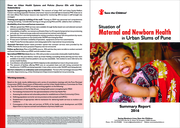
Save the Children in collaboration with the Pune Municipal Corporation (PMC) and the state National Health Mission (NHM) undertook this study in the urban slums of Pune City to generate learnings for designing a city-specific public health approach to improve MNH services for the urban poor.

Nepal has made substantial progress in reducing under-five mortality and is on track to achieve Millennium Development Goal 4, but advances in neonatal health are less encouraging. The objectives of this study were to assess relative and absolute inequalities in neonatal mortality over time, and to
...
review experience with major programs to promote neonatal health.
more

The role of an essential health benefit in health systems in east and southern Africa: Learning from regional research
R. Loewenson, M. Mamdani and others
Regional Network for Equity in Health in east and southern Africa (EQUINET)
(2018)
C1
Regional Network for Equity in Health in east and southern Africa (EQUINET): Disussion Paper 113
This report synthesises the learning across the full programme of work. It presents the methods used, the context and policy motivations for developing EHBs; how they are being defined, costed, di ... sseminated and used in health systems, including for service provision and quality, resourcing and purchasing services and monitoring and accountability on service delivery and performance, and for learning, useful practice and challenges faced. more
This report synthesises the learning across the full programme of work. It presents the methods used, the context and policy motivations for developing EHBs; how they are being defined, costed, di ... sseminated and used in health systems, including for service provision and quality, resourcing and purchasing services and monitoring and accountability on service delivery and performance, and for learning, useful practice and challenges faced. more
Oral diseases are among the most common chronic diseases worldwide and constitute a major public health problem due to the huge health and economic burden on individuals, families, societies, and health care systems. The recent emphasis on the role of determinants of health, common risk factors and
...
their recognition in the context of the growing burden of noncommunicable diseases (NCDs) provides good opportunities for integrating oral health into NCD prevention and control efforts. This Strategy for oral health in South-East Asia, 2013-2020, presents guidance to Member States in developing national policy and action plans to improve oral health within existing socioeconomic, cultural, political and health system contexts. It expresses the consensus on major strategies in the area of oral health promotion as well as oral disease prevention and control for the South-East Asia Region aiming at reducing the health and socioeconomic burden resulting from oral diseases, reducing oral health inequities, and improving the quality of life of the population.
more
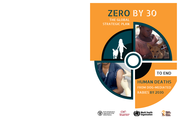
An estimated 59 000 people die from rabies each year. That’s one person every nine minutes of every day, 40% of whom are children living in Asia and Africa. As dog bites cause almost all human cases, we can prevent rabies deaths by increasing awareness, vaccinating dogs to prevent the disease at i
...
ts source and administering life-saving treatment after people have been bitten. We have the vaccines, medicines, tools and technologies to prevent people from dying from dog-mediated rabies. For a relatively low cost it is possible to break the disease cycle and save lives
more
The purpose of this strategy is to guide the planning, management and development of human resources for health in Rwanda for the period 2011 - 2016. The overall aim of the plan is to increase the number of appropriately skilled, motivated and equitably distributed health service providers for Rwand
...
a.
more
Inclusive Project Cycle Management
Many of the countries in the European Region receiving refugees from Ukraine are already offering vaccination services to children and adults. This is important to mitigate the risk of COVID-19 transmission among people travelling or living in close quarters, to protect the refugees from diseases th
...
at may be circulating in the host country, and prevent any outbreaks of vaccine-preventable diseases such as measles and polio.
more
Punjab Province Report: Nutrition Political Economy, Pakistan
Zaidi, Shehla; Bhutta, Zulfiqar et al.
Institute of Development Studies, Aga Khan University
(2015)
C1
In this report a nutrition governance framework was applied to research and analyse the provincial experience with nutrition policy in Pakistan, looking both at chronic and acute malnutrition. Twenty-one in-depth interviews with key stakeholders were also conducted along with a review of published a
...
nd grey literature. Findings were validated and supplemented by consultative provincial roundtable meetings. Punjab’s nutritional puzzle is that it has high levels of chronic malnutrition and micro-nutrient deficiencies despite a surplus production of food and a low poverty level. Under-nutrition is mainly linked to insufficient attention to preventive health strategies and to a lack of connection between relevant sectors such as Education, Health, Poverty, Safe Water and Sanitation, and Food. Strategic opportunities are recommended which include cross-party political support and ownership for nutrition, with steering by executive leadership; multi-sectoral action and functional integration of various departments and programmes with the creation of a central convening structure for effective cross-sectoral coordination; broadening of nutritional activities beyond salt iodization and vitamin A coverage; central co-ordination of monitoring and evaluation and effective partnerships between the state and non-state sector around data production, awareness, advocacy, and monitoring.
more
UNICEF analysis indicates that:
- Investments that increase access to high-impact health and nutrition interventions by poor groups have saved almost twice as many lives as equivalent investments in non-poor groups.
- Access to high-impact health and nutrition interventions has improved ra ... pidly among poor groups in recent years, leading to substantial improvements in equity.
- During the period studied, absolute reductions in under-five mortality rates associated with improvements in intervention coverage were three times faster among poor groups than non-poor groups.
- Because birth rates were higher among the poor, the reduction in the under-five mortality rate translated into 4.2 times more lives saved for every 1 million people. Indeed, of the 1.1 million lives saved across the 51 countries during the final year studied for each country, nearly 85 per cent were among the poor.
- Intensified focus on equity-enhancing policies and investments can help countries achieve the Sustainable Development Goal newborn and child mortality targets (SDG3.2). more
- Investments that increase access to high-impact health and nutrition interventions by poor groups have saved almost twice as many lives as equivalent investments in non-poor groups.
- Access to high-impact health and nutrition interventions has improved ra ... pidly among poor groups in recent years, leading to substantial improvements in equity.
- During the period studied, absolute reductions in under-five mortality rates associated with improvements in intervention coverage were three times faster among poor groups than non-poor groups.
- Because birth rates were higher among the poor, the reduction in the under-five mortality rate translated into 4.2 times more lives saved for every 1 million people. Indeed, of the 1.1 million lives saved across the 51 countries during the final year studied for each country, nearly 85 per cent were among the poor.
- Intensified focus on equity-enhancing policies and investments can help countries achieve the Sustainable Development Goal newborn and child mortality targets (SDG3.2). more
The overall goal of the Kenya Health Sector Referral Strategy is to improve client access to referral. The objectives of the strategy are to realise improved capacity of health providers to identify clients who require referral, develop protocols that will lead to referral system efficiency and effe
...
ctiveness, and promote and facilitate information and communication technology (ICT) to manage referrals, improve care, enhance capacity of the referral system in Kenya, provide communication and related equipment, and promote research and innovation for referrals.
more

A companion to the Child Friendly Schools Manual
WASH in Schools aims to improve the health and learning performance of school-aged children – and, by extension, that of their families – by reducing the incidence of water and sanitation-related diseases. Every child friendly school r ... equires appropriate WASH initiatives that keep the school environment clean and free of smells and inhibit the transmission of harmful bacteria, viruses and parasites. more
WASH in Schools aims to improve the health and learning performance of school-aged children – and, by extension, that of their families – by reducing the incidence of water and sanitation-related diseases. Every child friendly school r ... equires appropriate WASH initiatives that keep the school environment clean and free of smells and inhibit the transmission of harmful bacteria, viruses and parasites. more
A review of proactive risk assessment and risk management practices to ensure the safety of drinking-water
Based on information gathered from 118 countries representing every region of the globe, this report provides a picture of WSP uptake worldwide. It presents information on WSP implementati ... on and the integration of WSPs into the policy environment. It also explores WSP benefits, challenges and future priorities. more
Based on information gathered from 118 countries representing every region of the globe, this report provides a picture of WSP uptake worldwide. It presents information on WSP implementati ... on and the integration of WSPs into the policy environment. It also explores WSP benefits, challenges and future priorities. more
Policy Note #3: Myanmar Health Systems in Transition Policy Notes Series
A network of basic health facilities has been established in each of the 330 townships, covering both rural and urban areas. For the vast majority of Myanmar’s people, particularly the 70% who reside in rural areas, the ... township health system (THS) is the only government-funded source of preventive, promotive and curative services.
To achieve the national policy objective of progressing towards universal health coverage (UHC) through a primary health-care approach by 2030, the THS is critical to success. It is responsible for the bulk of health care delivery – particularly in rural areas – and is at the heart of national health development in Myanmar. However, if the THS is to be the backbone of health care provision, it currently suffers from a severe case of osteoporosis. more
A network of basic health facilities has been established in each of the 330 townships, covering both rural and urban areas. For the vast majority of Myanmar’s people, particularly the 70% who reside in rural areas, the ... township health system (THS) is the only government-funded source of preventive, promotive and curative services.
To achieve the national policy objective of progressing towards universal health coverage (UHC) through a primary health-care approach by 2030, the THS is critical to success. It is responsible for the bulk of health care delivery – particularly in rural areas – and is at the heart of national health development in Myanmar. However, if the THS is to be the backbone of health care provision, it currently suffers from a severe case of osteoporosis. more

Project Programs:
A. Medical Care Program
B. Community Health Promotion and Prevention Program
C. Maternal and Child Health Program
Target Population: 228,000 people living within the Mon, Kayah, Kayan, Karen,Shan, Kachin, Pa O, Chin and Arakan areas
Projec ... t Duration:January to December 2016 more
A. Medical Care Program
B. Community Health Promotion and Prevention Program
C. Maternal and Child Health Program
Target Population: 228,000 people living within the Mon, Kayah, Kayan, Karen,Shan, Kachin, Pa O, Chin and Arakan areas
Projec ... t Duration:January to December 2016 more

The publication aims to establish the rationale for inclusion and provides technical advice and tools for putting theory into practice. It is intended to be used as a reference during organizational and program/project development with a focus on gender responsiveness and disability inclusion as wel
...
l as a tool to support good practice in implementation.
This first part guides the reader through the process of assessing whether or not the organization is ready to change towards becoming a more inclusive organization. The second part introduces the ACAP framework, which sets up a way of approaching inclusion via focus on the areas: Access, Communication, Attitude and Participation. It then demonstrates how the framework can be applied to projects and programmes. The third part provides guidelines for the people who will guide organizations through the process of change towards becoming inclusive of persons from marginalized groups. more
This first part guides the reader through the process of assessing whether or not the organization is ready to change towards becoming a more inclusive organization. The second part introduces the ACAP framework, which sets up a way of approaching inclusion via focus on the areas: Access, Communication, Attitude and Participation. It then demonstrates how the framework can be applied to projects and programmes. The third part provides guidelines for the people who will guide organizations through the process of change towards becoming inclusive of persons from marginalized groups. more
The National Health Plan (NHP) aims to strengthen the country’s health system and pave the way towards Universal Health Coverage (UHC),choosing a path that is explicitly pro-poor. The main goal of NHP 2017-2021 is to extend access to a Basic Essential Package of Health Services (EPHS) to the entir
...
e population by 2020 while increasing financial protection.
more

A nationwide survey of a representative sample of health facilities across public health services in all states and regions of Myanmar has been undertaken since 2014 to track Reproductive Health Commodity Security (RHCS) indicators, such as the availability of reproductive health (RH) commodities; t
...
he supply chain (including cold chain systems); staff training and supervision; availability of guidelines and protocols; information and communication technologies; methods of waste disposal; and user fees. The surveys have also obtained the views of clients about the quality and cost of services through exit interviews. This is the third report for Myanmar, which is an assessment of the situation in 2016.
more
