
Filter
4363
Text search:
space
Featured
Recommendations
411
New Publications
1088
Language
Document type
No document type
2329
Studies & Reports
756
Guidelines
558
Manuals
287
Strategic & Response Plan
142
Training Material
116
Fact sheets
89
Situation Updates
42
Infographics
22
Resource Platforms
12
Brochures
7
Online Courses
3
Countries / Regions
India
236
Global
190
Kenya
110
South Africa
95
Ethiopia
93
Sierra Leone
92
Uganda
92
Myanmar / Burma
89
Liberia
88
Nepal
82
Bangladesh
75
Nigeria
74
Syria
72
Tanzania
67
Zambia
62
Malawi
62
Western and Central Europe
57
Latin America and the Carribbean
51
Ghana
45
Ukraine
45
Africa
41
South Sudan
39
Philippines
36
Rwanda
36
Namibia
34
Congo, Democratic Republic of
33
Zimbabwe
27
Guinea
24
Haiti
23
Lebanon
23
West and Central Africa
22
Germany
21
Indonesia
20
South–East Asia Region
20
Asia
20
Venezuela
20
Mozambique
19
Lesotho
19
Yemen
19
Cambodia
18
Botswana
18
East and Southern Africa
18
Middle East and North Africa
18
Brazil
17
Eastern Europe
17
Jordan
15
Afghanistan
15
Senegal
14
Cameroon
14
Central African Republic
14
Burkina Faso
13
USA
11
Sudan
11
Eastern Europe and Central Asia
11
Somalia
10
Pakistan
10
Western Pacific Region
10
Vietnam
10
Iraq
9
China
9
Colombia
9
Moldova
9
Mali
8
Thailand
8
Eswatini/ Swaziland
8
Benin
7
Sri Lanka
7
Russia
7
Greece
6
Laos
6
Iran
6
Côte d’Ivoire / Ivory Coast
5
Niger
5
Papua New Guinea
5
Poland
5
Palestine
5
Kyrgyzstan
5
Jamaica
5
Turkey
4
Chad
4
North Macedonia
4
Hungary
4
Burundi
4
Madagascar
4
Mexico
4
Albania
4
Romania
4
United Kingdom
4
Spain
4
Peru
3
Ecuador
3
Libya
3
Tajikistan
3
Turkmenistan
3
Portugal
3
Bosnia and Herzegovina
3
Morocco
2
Egypt
2
Gambia
2
Malaysia
2
Ireland
2
Singapore
2
Argentina
2
Croatia
2
Angola
2
Paraguay
2
Fiji
2
Armenia
2
Southern Africa
2
Timor Leste/ East Timor
2
Georgia
2
North America
2
Japan
2
Belarus
2
Saudi Arabia
1
Togo
1
Switzerland
1
Serbia
1
Honduras
1
El Salvador
1
Bolivia
1
Guatemala
1
Chile
1
Bhutan
1
Italy
1
Canada
1
Qatar
1
Bulgaria
1
Estonia
1
Lithuania
1
Slovakia
1
Kazakhstan
1
France
1
Tunisia
1
Norway
1
Azerbaijan
1
Authors & Publishers
Publication Years
Category
Countries
1593
Key Resources
323
Clinical Guidelines
257
Women & Child Health
250
Public Health
202
Capacity Building
150
Pharmacy & Technologies
46
Toolboxes
COVID-19
444
Mental Health
292
HIV
237
Planetary Health
227
Disability
187
Conflict
177
TB
154
Ebola & Marburg
132
Caregiver
124
Refugee
113
NTDs
109
Natural Hazards
89
Global Health Education
83
Rapid Response
76
Health Financing Toolbox
74
Pharmacy
60
2.0 Rapid Response
53
AMR
48
Malaria
46
Specific Hazards
44
NCDs
41
Social Ethics
40
Cholera
28
Zika
28
Polio
17
Typhoon
2
South Sudan
1
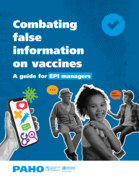
The document "Combating False Information on Vaccines: A Guide for EPI Managers" is designed to help Expanded Program on Immunization (EPI) managers address vaccine misinformation. It begins by defining misinformation and explaining why it spreads rapidly, often due to its emotional appeal and simpl
...

The Compendium of Solid Waste Management in Humanitarian Contexts is a comprehensive, structured and userfriendly manual and planning guide that provides a systematic overview of existing Solid Waste Management (SWM) technologies and approaches appropriate for use in humanitarian contexts.

This guide aims to provide an overview of successful practice from the field for the disaster risk reduction/management practitioner interested in EWS. It presents guiding principles that will build a strong foundation for the design or strengthening of EWS at any level. It is not an operational, bu
...

The Training Toolkit for Community Early Warning Systems is an operational manual that aims to strengthen early warning systems in a developing country context. It accompanies and should put into practice the guiding strategic principles found in the Community Early Warning Systems: Guiding Principl
...

The Multi-Hazard Early Warning System (MHEWS) Checklist is a practical tool consisting of major components and actions that national governments, community organizations and partners within
and across all sectors can refer when developing or evaluating early warning systems

Growing emergencies and displacements across the world demand increasingly complex interventions and responses. The World Health Organization (WHO) has developed Malaria control in emergencies: a field manual to provide technical guidance to help partners respond effectively to malaria in emergency
...

Despite being a preventable and curable infectious disease, tuberculosis (TB) has continued to elude global controll efforts. In 2023, 8.2 milion people with TB were diagnosed and notified to the WHO, the hightest number ever reported since WHO began tracking.

This document on logistics management information systems (LMIS) was developed to address the increasing need for harmonization and standardization of core indicators for managing medicines and health products for neglected tropical diseases (NTDs) at country level (i.e. for last-mile logistics). It
...

Breastfeeding is a cornerstone of healthy infant nutrition, development and survival. It is critical for countries* to improve breastfeeding rates in order to achieve global targets for newborn and child health and survival, as well as economic growth and environmental sustainability
Exposure to air pollution has significant adverse health effects, leading to nearly 1 in every 8 deaths globally. Air pollution affects all age groups, from unborn children to older people, in both high- and low-income nations.

The ongoing global pandemic of SARS-CoV-2 (Covid-19) poses unique diagnostic and clinical management challenges in regions where seasonal epidemic-prone diseases are endemic. Diseases such as dengue, malaria, seasonal influenza, leptospirosis, chikungunya, scrub typhus and bacterial infections often
...

Early Adolescent Skills for Emotions (EASE) is an evidence-based group psychological intervention to help 10–15-year-olds affected by internalizing problems (e.g. stress and symptoms of anxiety, depression) in communities exposed to adversity. Published by the World Health Organization (WHO) and U
...

Malaria remains a significant public health concern in the SADC region, accounting for 20% of childhood deaths, as well as prompting numerous outpatient visits and hospitalisations. Around three-quarters of the population, including 35 million children under the age of five and 8.5 million pregnant
...
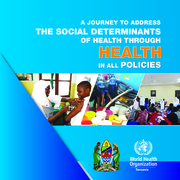
Health in All Policies (HiAP) promotes health and equity. It is based on the recognition that our greatest health challenges for example, non-communicable diseases, health inequities and inequalities, climate change, and spiraling health care costs are highly complex and often linked through the soc
...

The guide helps patients to understand their rights in relation to the care received and provides insights into the common legal and
human rights issues they may encounter, and encourages them to share these with the health care provider for support. This booklet covers key issues that you mig
...
These guidelines have been developed in simple, user-friendly language and they explain the procedures for patients’ access to and the safe management of Schedule I and II drugs that are necessary for the treatment and relief of moderate to severe pain. They provide both procedures for acquisition
...

To contribute to the availability of basic knowledge and skills for the provision of palliative care in
the African region, the African Palliative Care Association (APCA) has developed a competencybased core curriculum framework for use in introductory training on palliative care. The curriculum
...

IDMC's Global Report on Internal Displacement (GRID) is the authoritative source for data and analysis on the state of internal displacement for the previous year.

Drawing on the World Health Organization’s package of NCD best buys, the report demonstrates how these evidence-based measures can help countries reduce premature deaths, strengthen health systems, and advance progress towards the Sustainable Development Goals. It provides policymakers, donors, ad
...

Lesotho’s Social and Behaviour Change Communication Strategy is a strategic response to the high levels of HIV and TB prevalence in the country that are exacerbated by the persistence of structural and sio-economic difficulties, such as poverty, unemployment, gender inequality and more. This strat
...
