
Filter
2332
Text search:
pain
control
Featured
310
592
Language
2245
71
66
33
31
16
12
9
8
6
6
6
6
5
5
5
5
4
4
4
4
3
3
3
3
3
3
3
3
3
3
3
2
2
2
2
2
2
2
2
2
2
2
2
1
1
1
1
1
1
1
1
1
1
1
Document type
1269
438
254
165
73
50
45
18
8
7
4
1
Countries
181
91
62
59
59
51
51
46
35
34
33
32
32
31
25
25
25
22
20
20
20
17
16
15
15
14
13
11
10
9
8
8
8
8
8
8
8
7
7
7
7
7
7
7
6
6
5
5
5
5
5
5
4
4
4
4
4
4
3
3
3
3
3
3
3
3
3
3
2
2
2
2
2
2
2
2
2
2
2
2
2
2
2
2
2
1
1
1
1
1
1
1
1
1
1
1
1
1
1
1
1
1
1
1
1
1
1
1
1
1
Authors & Publishers
333
129
62
59
56
39
38
37
32
27
27
24
18
16
13
13
12
11
11
11
11
11
11
11
10
10
10
9
9
9
8
8
8
8
7
7
7
7
7
7
7
7
6
6
6
6
6
6
6
6
6
6
6
6
5
5
5
5
5
5
5
5
4
4
4
4
4
4
4
4
4
4
4
4
4
4
4
4
4
4
4
4
4
4
4
4
4
4
4
4
4
3
3
3
3
3
3
3
3
3
3
3
3
3
3
3
3
3
3
3
3
3
3
3
3
3
3
3
3
3
3
3
3
3
3
3
3
3
3
3
3
3
3
2
2
2
2
2
2
2
2
2
2
2
2
2
2
2
2
2
2
2
2
2
2
2
2
2
2
2
2
2
2
2
2
2
2
2
2
2
2
2
2
2
2
2
2
2
2
2
2
2
2
2
2
2
2
2
2
2
2
2
2
2
2
2
2
2
2
2
2
2
2
2
2
2
2
2
2
2
2
2
2
2
2
2
2
2
2
2
2
2
2
2
2
2
2
2
2
2
2
2
2
2
2
2
2
2
2
2
2
2
2
2
2
2
2
2
2
2
2
2
2
2
2
2
2
2
2
2
2
2
2
2
2
2
2
2
2
2
2
2
2
2
2
2
1
1
1
1
1
1
1
1
1
1
1
1
1
1
1
1
1
1
1
1
1
1
1
1
1
1
1
1
1
1
1
1
1
1
1
1
1
1
1
1
1
1
1
1
1
1
1
1
1
1
1
1
1
1
1
1
1
1
1
1
1
1
1
1
1
1
1
1
1
1
1
1
1
1
1
1
1
1
1
1
1
1
1
1
1
1
1
1
1
1
1
1
1
1
1
1
1
1
1
1
1
1
1
1
1
1
1
1
1
1
1
1
1
1
1
1
1
1
1
1
1
1
1
1
1
1
1
1
1
1
1
1
1
1
1
1
1
1
1
1
1
1
1
1
1
1
1
1
1
1
1
1
1
1
1
1
1
1
1
1
1
1
1
1
1
1
1
1
1
1
1
1
1
1
1
1
1
1
1
1
1
1
1
1
1
1
1
1
1
1
1
1
1
1
1
1
1
1
1
1
1
1
1
1
1
1
1
1
1
1
1
1
1
1
1
1
1
1
1
1
1
1
1
1
1
1
1
1
1
1
1
1
1
1
1
1
1
1
1
1
1
1
1
1
1
1
1
1
1
1
1
1
1
1
1
1
1
1
1
1
1
1
1
1
1
1
1
1
1
1
1
1
1
1
1
1
1
1
1
1
1
1
1
1
1
1
1
1
1
1
1
1
1
1
1
1
1
1
1
1
1
1
1
1
1
1
1
1
1
1
1
1
1
1
1
1
1
1
1
1
1
1
1
1
1
1
1
1
1
1
1
1
1
1
1
1
1
1
1
1
1
1
1
1
1
1
1
1
1
1
1
1
1
1
1
1
1
1
1
1
1
1
1
1
1
1
1
1
1
1
1
1
1
1
1
1
1
1
1
1
1
1
1
1
1
1
1
1
1
1
1
1
1
1
1
1
1
1
1
1
1
1
1
1
1
1
1
1
1
1
1
1
1
1
1
1
1
1
1
1
1
1
1
1
1
1
1
1
1
1
1
1
1
1
1
1
1
1
1
1
1
1
1
1
1
1
1
1
1
1
1
1
1
1
1
1
1
1
1
1
1
1
1
1
1
1
1
1
1
1
1
1
1
1
1
1
1
1
1
1
1
1
1
1
1
1
1
1
1
1
1
1
1
1
1
1
1
1
1
1
1
1
1
1
1
1
1
1
1
1
1
1
1
1
1
1
1
1
1
1
1
1
1
1
1
1
1
1
1
1
1
1
1
1
1
1
1
1
1
1
1
1
1
1
1
1
1
1
1
1
1
1
1
1
1
1
1
1
1
1
1
1
1
1
1
1
1
1
1
1
1
1
1
1
1
1
1
1
1
1
1
1
1
1
1
1
1
1
1
1
1
1
1
1
1
1
1
1
1
1
1
1
1
1
1
1
1
1
1
1
1
1
1
1
1
1
1
1
1
1
1
1
1
1
1
1
1
1
1
1
1
1
1
1
1
1
1
1
1
1
1
1
1
1
1
1
1
1
1
1
1
1
1
1
1
1
1
1
1
1
1
1
1
1
1
1
1
1
1
1
1
1
1
1
1
1
1
1
1
1
1
1
1
1
1
1
1
1
1
1
1
1
1
1
1
1
1
1
1
1
1
1
1
1
1
1
1
1
1
1
1
1
1
1
1
1
1
1
1
1
1
1
1
1
1
1
1
1
1
1
1
1
1
1
1
1
1
1
1
1
1
1
1
1
1
1
1
1
1
1
1
1
1
1
1
1
1
1
1
1
1
1
1
1
1
1
1
1
1
1
1
1
1
1
1
1
1
1
1
1
1
1
1
1
1
1
1
1
1
1
1
1
1
1
1
1
1
1
1
1
1
1
1
1
1
1
1
1
1
1
1
1
1
1
1
1
1
1
1
1
1
1
1
1
1
1
1
1
1
1
1
1
1
1
1
1
1
1
1
1
1
1
1
1
1
1
1
1
1
1
1
1
1
1
1
1
1
1
1
1
1
1
1
1
1
1
1
1
1
1
1
1
1
1
1
1
1
1
1
1
1
1
1
1
1
1
1
1
1
1
1
1
1
1
1
1
1
1
1
1
1
1
1
1
1
1
1
1
1
1
1
1
1
1
1
1
1
1
1
1
1
1
1
1
1
1
1
1
1
1
1
1
1
1
1
1
1
1
1
1
1
1
1
1
1
1
1
1
1
1
1
1
1
1
1
1
1
1
1
1
1
1
1
1
1
1
1
1
1
1
1
1
1
1
1
1
1
1
1
1
1
1
1
1
1
1
1
1
1
1
1
1
1
1
1
1
1
1
1
1
1
1
1
1
1
1
1
1
1
1
1
1
1
1
1
1
1
1
1
1
1
1
1
1
1
1
1
1
1
1
1
1
1
1
1
1
1
1
1
1
1
1
1
1
1
1
1
1
1
1
1
1
1
1
1
1
1
1
1
1
1
1
1
1
1
1
1
1
1
1
1
1
1
1
1
1
1
1
1
1
1
1
1
1
1
1
1
1
1
1
1
1
1
1
1
1
1
1
1
1
1
1
1
1
1
1
1
1
1
1
1
1
1
1
1
1
1
1
1
1
1
1
1
1
1
1
1
1
1
1
1
1
1
1
1
1
1
1
1
1
1
1
1
1
1
1
1
1
1
1
1
1
1
1
1
1
1
1
1
1
1
1
1
1
1
1
1
1
1
1
1
1
1
1
1
1
1
1
1
1
1
1
1
1
1
1
1
1
1
1
1
1
1
1
1
1
1
1
1
1
1
1
1
1
1
1
1
1
1
1
1
1
1
1
1
1
1
1
1
1
1
1
1
1
1
1
1
1
1
1
1
1
1
1
1
1
1
1
1
1
1
1
1
1
1
1
1
1
1
1
1
1
1
1
1
1
1
1
1
1
1
1
1
1
1
1
1
1
1
1
1
1
1
1
1
1
1
1
1
1
1
1
1
1
1
1
1
1
1
1
1
1
1
1
1
1
1
1
1
1
1
1
1
1
1
1
1
1
1
1
1
1
1
1
1
1
1
1
1
1
1
1
1
1
1
1
1
1
1
1
1
1
1
1
1
1
1
1
1
1
1
1
1
1
1
1
1
1
1
1
1
1
1
1
1
1
1
1
1
1
1
1
1
1
1
1
1
1
1
1
1
1
1
1
1
1
1
1
1
1
1
1
1
1
1
1
1
1
1
1
1
1
1
1
1
1
1
1
1
1
1
1
1
1
1
1
1
1
1
1
1
1
1
1
1
1
1
1
1
1
1
1
1
1
1
1
1
1
1
1
1
1
1
1
1
1
1
1
1
1
1
1
1
1
1
1
1
1
1
1
1
1
1
1
1
1
1
1
1
1
1
1
1
1
1
1
1
1
1
1
1
1
1
1
1
1
1
1
1
1
1
1
1
1
1
1
1
1
1
1
1
1
1
1
1
1
1
1
1
1
1
1
1
1
1
1
1
1
1
1
1
1
1
1
1
1
1
1
1
1
1
1
1
1
1
1
1
1
1
1
1
1
1
1
1
1
1
1
1
1
1
1
1
1
1
1
1
1
1
1
1
1
1
1
1
1
1
1
1
1
1
1
1
1
1
1
1
1
1
1
1
1
1
1
1
1
1
1
1
1
1
1
1
1
1
1
1
1
1
1
1
1
1
1
1
1
1
1
1
1
1
1
1
1
1
1
1
1
1
1
1
1
1
1
1
1
1
1
1
1
1
1
1
1
1
1
1
1
1
1
1
1
1
1
1
1
1
1
1
1
1
1
1
1
1
1
1
1
1
1
1
1
1
1
1
1
1
1
1
1
1
1
Publication Years
614
1423
271
22
2
Category
768
350
176
124
79
71
12
1
Toolboxes
295
162
141
133
100
98
71
55
55
50
49
45
41
39
29
25
23
23
23
22
18
13
10
7
3

Malaria in pregnancy is a significant health problem in malaria-endemic areas. It not only causes substantial childhood morbidity and mortality but also increases the risks of adverse events for pregnant women and their developing fetuses. Most of the burden in these areas is due to infection with P
...
lasmodium falciparum. Artemisinin-based combination therapy (ACT) has been recommended as first-line treatment for uncomplicated P. falciparum malaria in all populations, including pregnant women in their second and third trimesters, since 2006. However, for women in their first trimester of pregnancy, WHO recommended as first-line treatment a combination of quinine and clindamycin.
Based on a review of the evidence conducted in 2022, WHO now recommends artemether–lumefantrine, the ACT with the most human safety data available, as the preferred treatment for uncomplicated P. falciparum malaria in the first trimester of pregnancy. This document presents all relevant evidence on the effects and safety in early pregnancy of artemisinins and partner medicines used in ACTs from both studies in experimental animals and observational studies in humans.
more

Module 2.1
Diarrhoea Treatment Guidelines
recommended
The WHO page addresses diarrhoeal diseases, one of the leading causes of death among children under five, which can be prevented through clean water, improved hygiene, and vaccinations. It emphasizes the importance of oral rehydration solutions (ORS) and zinc supplementation for treatment, as well a
...
s preventive measures like breastfeeding and handwashing. The WHO supports global strategies to reduce diarrhoea-related deaths through education and improved healthcare systems.
Including new recommendations for the use of ORS and zinc Supplementation for Clinic-Based Healthcare Workers.
more

The checklist is based on efforts by various national and international institutions, including WHO, CDC and UN OCHA. It
identifies 10 key components and tasks for both countries and the international community. This tool establishes timelines
within which to complete tasks of 30, 60 and 90 days r
...
espectively from the date of issuing this list, based on the priority level.
However, the periods should be redefined by national authorities on the basis of existing regional and national context. (Note:
this checklist will be updated based on the feedback received from countries).
more
Adapted from: Standard Treatment Guidelines and Essential Medicine List PHC. The syndromic approach to Sexually Transmitted Infections (STIs) diagnosis
and management is to treat the signs or symptoms (syndrome) of a group of
diseases rather than treating a specific disease. This allows for the tr
...
eatment
of one or more conditions that often occur at the same time and has been
accepted as the management of choice.
more

The WHO publication “Surveillance, case investigation and contact tracing for mpox: interim guidance” provides updated global technical guidance on monitoring and responding to mpox (formerly known as monkeypox). It explains how countries should conduct surveillance to detect new outbreaks, car
...
ry out case investigation including clinical assessment and lab specimen collection, and perform contact tracing to monitor people exposed to confirmed or probable cases in order to stop transmission and protect at-risk groups. The guidance includes practical recommendations for how long contacts should be monitored (e.g., daily for 21 days without requiring quarantine if symptom-free) and advising good hygiene and reduced exposure risk during the monitoring period. This interim guidance is intended to support public health authorities worldwide in strengthening mpox outbreak detection, response, and reporting.
more
Working document from an informal consultation of experts. A Protocol for risk assessment at the field level. The purpose of document is to provide guidance on the methodology to be used for assessing, at field level, the yellow fever virus circulation in areas at risk, and is primarily intended fo
...
r public health specialists
more
One of the many gender inequities in the health and care workforce that COVID-19 has exposed is around the fit and design of Personal Protective Equipment (PPE). The rapid onset and scale of COVID-19 led to shortages of PPE in most countries, causing preventable infection and mortality among healthc
...
are workers and others on the front lines. Even though most health workers are women, manufacturing specifications for medical PPE are usually drawn up based on the male body and there have been many reports of PPE not designed for women's bodies.
more
Due to high routine vaccination coverage, overall counts of diphtheria case have significantly declined in the Western Pacific Region recently. However, diphtheria is still prevalent in several countries and areas of the Region and remains a public health issue due to its high case fatality rate.
...
This Field Guide for Preparedness and Response to Diphtheria Outbreaks in the Western Pacific Region is a reference resource for Member States to develop national guidelines adapted to their local context. Countries may also use this Guide to facilitate outbreak preparedness and public health responses to reduce morbidity and mortality due to diphtheria.
more
The Democratic Republic of Timor-Leste has the highest TB incidence rate in the South East Asian Region - 498 per 100,000, which is the seventh highest in the world. In Timor-Leste TB is the eighth most common cause of death.
The salient observations are as follows:
In 2018, 487 (12.5%) of the
...
3906 notified TB patients were tested for RR-TB and only 12 lab confirmed RR-TB patients were initiated on standard MDR-TB treatment of 20-months duration, (a 3-fold increase in RR-TB detection compared with 2017). This amounts to treatment coverage of only 17% of 72 estimated MDR/RR-TB among notified TB patients (3906) and 5% of 240 estimated incident MDR-TB patients as compared to 62% treatment coverage of 6300 incident drug sensitive TB patients estimated in TLS. The treatment success in the 2016 annual cohort of 6 MDR-TB patients has been reported at 83%. 80% of TB patients know their HIV Status with around 1% TB-HIV co-infection, 37/ 77 (48%) TB-HIV Co-infection Detected. Of the 387 PLHIV currently alive on ART, exact status on TB screening and testing is unknown. % of PLHIV newly enrolled in HIV care who received IPT is not known.
In 2018, the mortality rate for TB was 94 deaths per 100,000 people (1200 per annum) in TL with an increasing mortality trend (Figure 1), despite TB services being available for nearly two decades.
A survey of catastrophic costs due to TB (2016) highlights that 83% of TB patients are reported to be facing catastrophic costs due to the disease. This is the highest rate in the world.
more
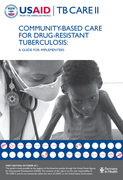
This guide provides practical, step-by-step guidance on how to organize, implement, and monitor community-based care for DR TB. It is equally useful for program planning or supervision. The target audience for this guide is TB Program Managers, governments, policy makers, nongovernmental organizatio
...
ns (NGOs), donors and TB advocates.
This guide does not replace other guidelines and documents that contain important medical information, such as Guidelines for the Programmatic Management of Drug-resistant TB (WHO, 2008 and 2011 updates), and Management of MDR-TB: A Field Guide (WHO, 2009).
more

Cholera is a diarrhoeal disease that is usually contracted when drinking water contaminated with Vibrio cholerae bacteria. The fight against this disease requires a multidisciplinary approach that combines a water, hygiene and sanitation (WaSH) response with a monitoring system, improved water suppl
...
y and quality, sanitation and hygiene, and a health response with the treatment of the disease itself.
more

Significant progress has been made in the eradication of three priority diseases in the African Region, as a result of extensive collaboration between the Regional Office, WHO country offices and countries. For example, in August 2020, the region was certified free of wild poliovirus. In the area of
...
neglected tropical diseases, Guinea worm disease is on the verge of eradication, and 12 member states are within reach of being certified as having eradicated yaws by the end of this year.
more

People affected by impairments and disabilities associated with TB are even more likely to belong to marginalized segments of society and are more likely to have their human rights unprotected. The challenges faced by people affected by TB include the consequences of impairment and disability associ
...
ated with the disease, its treatment as well as with the stigma and discrimination applied to people affected by TB. There is now compelling evidence that the disease and its treatment affect quality of life and life expectancy even after successful treatment.
The WHO Global Tuberculosis Programme has produced the first policy brief on TB-associated disability, building on the increasing evidence in recent years on the unaddressed needs of people with TB who experience impairment and disability while on TB treatment and after completing TB treatment.
more
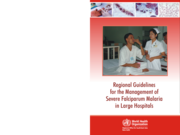
hese are two parallel guidelines, one for small hospitals and another one for large hospitals. In view of heavy burden of malaria and prevalence of drug resistant falciparum malaria in the South-East Asia Region, the guidelines were developed for use by medical personnel who treat severe malaria pat
...
ients, referred from lower-level health facilities. The guidelines were developed by the WHO Regional Office for South-East Asia and the WHO Collaborating Centre for the Clinical Management of Malaria, Faculty of Tropical Medicine, Mahidol University, Thailand. The guidelines are based on a review of current evidence, existing WHO guidelines and experience in the management of malaria in the Region
more
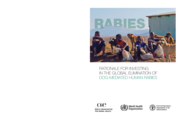
Rabies is a global public health problem with important socioeconomic impacts. Human rabies is preventable; almost all cases are transmitted through the bite of a rabid dog. Elimination of human rabies is possible. Technical support and tools are available. This report covers:
- Why investment ... is needed: key rationale.
- Investment purpose: global elimination of rabies.
- Investment in action: four case examples in Philippines, Kwa-Zulu Natal, South Africa, United Republic of Tanzania, Bangladesh.
- Summary results of case examples: Programme similarities and differences, and Health impact success stories from case examples. more
- Why investment ... is needed: key rationale.
- Investment purpose: global elimination of rabies.
- Investment in action: four case examples in Philippines, Kwa-Zulu Natal, South Africa, United Republic of Tanzania, Bangladesh.
- Summary results of case examples: Programme similarities and differences, and Health impact success stories from case examples. more
