
Filter
4246
Text search:
mental
health
access
to
care
Featured
442
926
Language
4114
104
100
72
60
31
27
24
13
8
7
7
6
5
5
5
5
5
5
5
4
4
4
4
4
4
4
3
3
3
3
3
3
3
2
2
2
2
2
2
2
2
2
2
2
2
2
1
1
1
1
1
1
1
1
1
1
1
1
1
1
1
1
1
1
1
Document type
2228
781
528
270
180
88
80
51
16
10
5
2
1
Countries
200
175
117
116
104
84
81
80
78
70
69
68
66
63
58
58
58
49
48
48
43
36
35
33
31
31
30
26
26
24
24
23
22
21
19
19
18
17
16
15
15
15
14
14
14
14
14
13
13
12
12
11
11
11
11
11
11
10
10
10
10
9
9
9
8
8
7
7
7
6
6
5
5
5
5
4
4
4
4
4
4
4
4
4
3
3
3
3
3
3
3
3
3
3
3
3
2
2
2
2
2
2
2
2
2
2
2
2
2
2
2
2
2
1
1
1
1
1
1
1
1
1
1
1
1
1
1
1
1
1
1
1
1
1
1
1
1
1
Authors & Publishers
585
150
150
115
115
83
77
61
60
45
32
30
30
29
29
27
25
24
24
24
22
21
20
19
19
19
19
18
17
16
16
15
15
14
14
13
13
12
12
12
12
12
12
12
11
11
11
11
10
10
10
10
10
10
10
9
9
9
9
9
9
9
8
8
8
8
8
8
8
8
8
7
7
7
7
7
7
7
7
7
7
7
7
7
7
7
7
7
7
7
6
6
6
6
6
6
6
6
6
6
6
6
6
6
6
6
6
6
5
5
5
5
5
5
5
5
5
5
5
5
5
5
5
5
5
5
5
5
5
5
5
5
5
5
5
5
5
5
4
4
4
4
4
4
4
4
4
4
4
4
4
4
4
4
4
4
4
4
4
4
4
4
4
4
4
4
4
4
4
4
4
4
4
4
4
4
4
4
4
4
3
3
3
3
3
3
3
3
3
3
3
3
3
3
3
3
3
3
3
3
3
3
3
3
3
3
3
3
3
3
3
3
3
3
3
3
3
3
3
3
3
3
3
3
3
3
3
3
3
3
3
3
3
3
3
3
3
3
3
3
3
3
3
3
3
3
3
3
3
2
2
2
2
2
2
2
2
2
2
2
2
2
2
2
2
2
2
2
2
2
2
2
2
2
2
2
2
2
2
2
2
2
2
2
2
2
2
2
2
2
2
2
2
2
2
2
2
2
2
2
2
2
2
2
2
2
2
2
2
2
2
2
2
2
2
2
2
2
2
2
2
2
2
2
2
2
2
2
2
2
2
2
2
2
2
2
2
2
2
2
2
2
2
2
2
2
2
2
2
2
2
2
2
2
2
2
2
2
2
2
2
2
2
2
2
2
2
2
2
2
2
2
2
2
2
2
2
2
2
2
2
2
2
2
2
2
2
2
2
2
2
2
2
2
2
2
2
2
2
2
2
2
2
2
2
2
2
2
2
2
2
2
2
2
2
2
2
2
2
2
2
2
2
2
2
2
2
2
2
2
2
2
2
2
2
2
2
2
2
2
2
2
2
2
2
2
2
2
2
2
2
2
2
2
2
2
2
1
1
1
1
1
1
1
1
1
1
1
1
1
1
1
1
1
1
1
1
1
1
1
1
1
1
1
1
1
1
1
1
1
1
1
1
1
1
1
1
1
1
1
1
1
1
1
1
1
1
1
1
1
1
1
1
1
1
1
1
1
1
1
1
1
1
1
1
1
1
1
1
1
1
1
1
1
1
1
1
1
1
1
1
1
1
1
1
1
1
1
1
1
1
1
1
1
1
1
1
1
1
1
1
1
1
1
1
1
1
1
1
1
1
1
1
1
1
1
1
1
1
1
1
1
1
1
1
1
1
1
1
1
1
1
1
1
1
1
1
1
1
1
1
1
1
1
1
1
1
1
1
1
1
1
1
1
1
1
1
1
1
1
1
1
1
1
1
1
1
1
1
1
1
1
1
1
1
1
1
1
1
1
1
1
1
1
1
1
1
1
1
1
1
1
1
1
1
1
1
1
1
1
1
1
1
1
1
1
1
1
1
1
1
1
1
1
1
1
1
1
1
1
1
1
1
1
1
1
1
1
1
1
1
1
1
1
1
1
1
1
1
1
1
1
1
1
1
1
1
1
1
1
1
1
1
1
1
1
1
1
1
1
1
1
1
1
1
1
1
1
1
1
1
1
1
1
1
1
1
1
1
1
1
1
1
1
1
1
1
1
1
1
1
1
1
1
1
1
1
1
1
1
1
1
1
1
1
1
1
1
1
1
1
1
1
1
1
1
1
1
1
1
1
1
1
1
1
1
1
1
1
1
1
1
1
1
1
1
1
1
1
1
1
1
1
1
1
1
1
1
1
1
1
1
1
1
1
1
1
1
1
1
1
1
1
1
1
1
1
1
1
1
1
1
1
1
1
1
1
1
1
1
1
1
1
1
1
1
1
1
1
1
1
1
1
1
1
1
1
1
1
1
1
1
1
1
1
1
1
1
1
1
1
1
1
1
1
1
1
1
1
1
1
1
1
1
1
1
1
1
1
1
1
1
1
1
1
1
1
1
1
1
1
1
1
1
1
1
1
1
1
1
1
1
1
1
1
1
1
1
1
1
1
1
1
1
1
1
1
1
1
1
1
1
1
1
1
1
1
1
1
1
1
1
1
1
1
1
1
1
1
1
1
1
1
1
1
1
1
1
1
1
1
1
1
1
1
1
1
1
1
1
1
1
1
1
1
1
1
1
1
1
1
1
1
1
1
1
1
1
1
1
1
1
1
1
1
1
1
1
1
1
1
1
1
1
1
1
1
1
1
1
1
1
1
1
1
1
1
1
1
1
1
1
1
1
1
1
1
1
1
1
1
1
1
1
1
1
1
1
1
1
1
1
1
1
1
1
1
1
1
1
1
1
1
1
1
1
1
1
1
1
1
1
1
1
1
1
1
1
1
1
1
1
1
1
1
1
1
1
1
1
1
1
1
1
1
1
1
1
1
1
1
1
1
1
1
1
1
1
1
1
1
1
1
1
1
1
1
1
1
1
1
1
1
1
1
1
1
1
1
1
1
1
1
1
1
1
1
1
1
1
1
1
1
1
1
1
1
1
1
1
1
1
1
1
1
1
1
1
1
1
1
1
1
1
1
1
1
1
1
1
1
1
1
1
1
1
1
1
1
1
1
1
1
1
1
1
1
1
1
1
1
1
1
1
1
1
1
1
1
1
1
1
1
1
1
1
1
1
1
1
1
1
1
1
1
1
1
1
1
1
1
1
1
1
1
1
1
1
1
1
1
1
1
1
1
1
1
1
1
1
1
1
1
1
1
1
1
1
1
1
1
1
1
1
1
1
1
1
1
1
1
1
1
1
1
1
1
1
1
1
1
1
1
1
1
1
1
1
1
1
1
1
1
1
1
1
1
1
1
1
1
1
1
1
1
1
1
1
1
1
1
1
1
1
1
1
1
1
1
1
1
1
1
1
1
1
1
1
1
1
1
1
1
1
1
1
1
1
1
1
1
1
1
1
1
1
1
1
1
1
1
1
1
1
1
1
1
1
1
1
1
1
1
1
1
1
1
1
1
1
1
1
1
1
1
1
1
1
1
1
1
1
1
1
1
1
1
1
1
1
1
1
1
1
1
1
1
1
1
1
1
1
1
1
1
1
1
1
1
1
1
1
1
1
1
1
1
1
1
1
1
1
1
1
1
1
1
1
1
1
1
1
1
1
1
1
1
1
1
1
1
1
1
1
1
1
1
1
1
1
1
1
1
1
1
1
1
1
1
1
1
1
1
1
1
1
1
1
1
1
1
1
1
1
1
1
1
1
1
1
1
1
1
1
1
1
1
1
1
1
1
1
1
1
1
1
1
1
1
1
1
1
1
1
1
1
1
1
1
1
1
1
1
1
1
1
1
1
1
1
1
1
1
1
1
1
1
1
1
1
1
1
1
1
1
1
1
1
1
1
1
1
1
1
1
1
1
1
1
1
1
1
1
1
1
1
1
1
1
1
1
1
1
1
1
1
1
1
1
1
1
1
1
1
1
1
1
1
1
1
1
1
1
1
1
1
1
1
1
1
1
1
1
1
1
1
1
1
1
1
1
1
1
1
1
1
1
1
1
1
1
1
1
1
1
1
1
1
1
1
1
1
1
1
1
1
1
1
1
1
1
1
1
1
1
1
1
1
1
1
1
1
1
1
1
1
1
1
1
1
1
1
1
1
1
1
1
1
1
1
1
1
1
1
1
1
1
1
1
1
1
1
1
1
1
1
1
1
1
1
1
1
1
1
1
1
1
1
1
1
1
1
1
1
1
1
1
1
1
1
1
1
1
1
1
1
1
1
1
1
1
1
1
1
1
1
1
1
1
1
1
1
1
1
1
1
1
1
1
1
1
1
1
1
1
1
1
1
1
1
1
1
1
1
1
1
1
1
1
1
1
1
1
1
1
1
1
1
1
1
1
1
1
1
1
1
1
1
1
1
1
1
1
1
1
1
1
1
1
1
1
1
1
1
1
1
1
1
1
1
1
1
1
1
1
1
1
1
1
1
1
1
1
1
1
1
1
1
1
1
1
1
1
1
1
1
1
1
1
1
1
1
1
1
1
1
1
1
1
1
1
1
1
1
1
1
1
1
1
1
1
1
1
1
1
1
1
1
1
1
1
1
1
1
1
1
1
1
1
1
1
1
1
1
1
1
1
1
1
1
1
1
1
1
1
1
1
1
1
1
1
1
1
1
1
1
1
1
1
1
1
1
1
1
1
1
1
1
1
1
1
1
1
1
1
1
1
1
1
1
1
1
1
1
1
1
1
1
1
1
1
1
1
1
1
1
1
1
1
1
1
1
1
1
1
1
1
1
1
1
1
1
1
1
1
1
1
1
1
1
1
1
1
1
1
1
1
1
1
1
1
1
1
1
1
1
1
1
1
1
1
1
1
1
1
1
1
1
1
1
1
1
1
1
1
1
1
1
1
1
1
1
1
1
1
1
1
1
1
1
1
1
1
1
1
1
1
1
1
1
1
1
1
1
1
1
1
1
1
1
1
1
1
1
1
1
1
1
1
1
1
1
1
1
1
1
1
1
1
1
1
1
1
1
1
1
1
1
1
1
1
1
1
1
1
1
1
1
1
1
1
1
1
1
1
1
1
1
1
1
1
1
1
1
1
1
1
1
1
1
1
1
1
1
1
1
1
1
1
1
1
1
1
1
1
1
1
1
1
1
1
1
1
1
1
1
1
1
1
1
1
1
1
1
1
1
1
1
1
1
1
1
1
1
1
1
1
1
1
1
1
1
1
1
1
1
1
1
1
1
1
1
1
1
1
1
1
1
1
1
1
1
1
1
1
1
1
1
1
1
1
1
1
1
1
1
1
1
1
1
1
1
1
1
1
1
1
1
1
1
1
1
1
1
1
1
1
1
1
1
1
1
1
1
1
1
1
1
1
1
1
1
1
1
1
1
1
1
1
1
1
1
1
1
1
1
1
1
1
1
1
1
1
1
1
1
1
1
1
1
1
1
1
1
1
1
1
1
1
1
1
1
1
1
1
1
1
1
1
1
1
1
1
1
1
1
1
1
1
1
1
1
1
1
1
1
1
1
1
1
1
1
1
1
1
1
1
1
1
1
1
1
1
1
1
1
1
1
1
1
1
1
1
1
1
1
1
1
1
1
1
1
1
1
1
1
1
1
1
1
1
1
1
1
1
1
1
1
1
1
1
1
1
1
1
1
1
1
1
1
1
1
1
1
1
1
1
1
1
1
1
1
1
1
1
1
1
1
1
1
1
1
1
1
1
1
1
1
1
1
1
1
1
1
1
1
1
1
1
1
1
1
1
1
1
1
1
1
1
1
1
1
1
1
1
1
1
1
1
1
1
1
1
1
1
1
1
1
1
1
1
1
1
1
1
1
1
1
1
1
1
1
1
1
1
1
1
1
1
1
1
1
1
1
1
1
1
1
1
1
1
1
1
1
1
1
1
1
1
1
1
1
1
1
1
1
1
1
1
1
1
1
1
1
1
1
1
1
1
1
1
1
1
1
1
1
1
1
1
1
1
1
1
1
1
1
1
1
1
1
1
1
1
1
1
1
1
1
1
1
1
1
1
1
1
1
1
1
1
1
1
1
1
1
1
1
1
1
1
1
1
1
1
1
1
1
1
1
1
1
1
1
1
1
1
1
1
1
1
1
1
1
1
1
1
1
1
1
1
1
1
1
1
1
1
1
1
1
1
1
1
1
1
1
1
1
1
1
1
1
1
1
1
1
1
1
1
1
1
1
1
1
1
1
1
1
1
1
1
1
1
1
1
1
1
1
1
1
1
1
1
1
1
1
1
1
1
1
1
1
1
1
1
1
1
1
1
1
1
1
1
1
1
1
1
1
1
1
1
1
1
1
1
1
1
1
1
1
1
1
1
1
1
1
1
1
1
1
1
1
1
1
1
1
1
1
1
1
1
1
1
1
1
1
1
1
1
1
1
1
1
1
1
1
1
1
1
1
1
1
1
1
1
1
1
1
1
1
1
1
1
1
1
1
1
1
1
1
1
1
1
1
1
1
1
1
1
1
1
1
1
1
1
1
1
1
1
1
1
1
1
1
1
1
1
1
1
1
1
1
1
1
1
1
1
1
1
1
1
1
1
1
1
1
1
1
1
1
1
1
1
1
1
1
1
1
1
1
1
1
1
1
1
1
1
1
1
1
1
1
1
1
1
1
1
1
1
1
1
1
1
1
1
1
1
1
1
1
1
1
1
1
1
1
1
1
1
1
1
1
1
1
1
1
1
1
1
1
1
1
1
1
1
1
1
1
1
1
1
1
1
1
1
1
1
1
1
1
1
1
1
1
1
1
1
1
1
1
1
1
1
1
1
1
1
1
1
1
1
1
1
1
1
1
1
1
1
1
1
1
1
1
1
1
1
1
1
1
1
1
1
1
1
1
1
1
1
1
1
1
1
1
1
1
1
1
1
1
1
1
1
1
1
1
1
1
1
1
1
1
1
1
1
1
1
1
1
1
1
1
1
1
1
1
1
1
1
1
1
1
1
1
1
1
1
1
1
1
1
1
1
1
1
1
1
1
1
1
1
1
1
1
1
1
1
1
1
1
1
1
1
1
1
1
1
1
1
1
1
1
1
1
1
1
1
1
1
1
1
1
1
1
1
1
1
1
1
1
1
1
1
1
1
1
1
1
1
1
1
1
1
1
1
1
1
1
1
1
1
1
1
1
1
1
1
1
1
1
1
1
1
1
1
1
1
1
1
1
1
1
1
1
1
1
1
1
1
1
1
1
1
1
1
1
1
1
1
1
1
1
1
1
1
1
1
1
1
1
1
1
1
1
1
1
1
1
1
1
1
1
1
1
1
1
1
1
1
1
1
1
1
1
1
1
1
1
1
1
1
1
1
1
1
1
1
1
1
1
1
1
1
1
1
1
1
1
1
1
1
1
1
1
1
1
1
1
1
1
1
1
1
1
1
1
1
1
1
1
1
1
1
1
1
1
1
1
1
1
1
1
1
1
1
1
1
1
1
1
1
1
1
1
1
1
1
1
1
1
1
1
1
1
1
1
1
1
1
1
1
1
1
1
1
1
1
1
1
1
1
1
1
1
1
1
1
1
1
1
1
1
1
1
1
1
1
1
1
1
1
1
1
1
1
1
1
1
1
1
1
1
1
1
1
1
1
1
1
1
1
1
1
1
1
1
1
1
1
1
1
1
1
1
1
1
1
1
1
1
1
1
1
1
1
1
1
1
1
1
1
1
1
1
1
1
1
1
1
1
1
1
1
1
1
1
1
1
1
1
1
1
1
1
1
1
1
1
1
1
1
1
1
1
1
1
1
1
1
1
1
1
1
1
1
1
1
1
1
1
1
1
1
1
1
1
1
1
1
1
1
1
1
1
1
1
1
1
1
1
1
1
1
1
1
1
1
1
1
1
1
1
1
1
1
1
1
1
1
1
1
1
1
1
1
1
1
1
1
1
1
1
1
1
1
1
1
1
1
1
1
1
1
1
1
1
1
1
1
1
1
1
1
1
1
1
1
1
1
1
1
1
1
1
1
1
1
1
1
1
1
1
1
1
1
1
1
1
1
1
Publication Years
1461
2390
375
19
1
Category
1510
264
245
227
219
102
13
3
Toolboxes
761
432
330
197
161
143
141
128
106
89
84
67
61
59
48
36
36
31
25
18
12
11
11
8
4
3
1
Mental Health Atlas 2024
recommended
The Mental Health Atlas 2024 is the seventh in a series that began in 2001, and draws on data from 144 countries to assess
...
mental health policies, laws, information systems, financing, workforce and services. It shows little change in investment: mental health accounts for only 2% of health budgets, unchanged since 2017. Spending disparities are wide, ranging from US$ 65 per person in high-income countries to US$ 0.04 in low-income countries. Workforce shortages remain critical, with a global median of just 13 workers per 100,000 people, and extreme shortages in low- and middle-income countries
more
Key messages include Effective communication skills should be used for everyone seeking health care,
including people with MNS conditions and their carers; Effective communication skills enable
...
health-care providers to build rapport and trust with people as well as enabling health-care providers to understand the health and social needs of people with MNS conditions; Health-care providers have a responsibility to promote the rights and dignity of
people with MNS conditions and more
more
Objective: To review research on associations of trauma type with PTSD in the WHO World Mental Health (WMH) surveys, a series of epidemiological su
...
rveys that obtained representative data on trauma-specific PTSD.
more

PLoS ONE 18(5): e0285031. https://doi.org/10.1371/journal.pone.0285031
The study aims to integrate HPV vaccination into routine care in adolescent HIV clinics.
...
To achieve success, we will co-design a package of implementation strategies using a previously successful implementation research approach developed for cervical cancer prevention in LMICs: the Integrative Systems Praxis for Implementation Research (INSPIRE). INSPIRE is a novel, comprehensive approach to develop, implement, and evaluate implementation science efforts
more
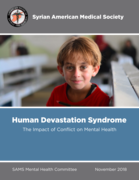
The magnitude and complexity of these mental health conditions caused by prolonged and extensive trauma requires a diagnosis fitting the unique context of the Syrian conflict. Over half a million pe
...
ople have been killed since the beginning of the conflict in 2011, and more than 6.4 million are internally displaced with over 5 million living as refugees. SAMS documents the multi-dimensional nature of mental health disorders afflicting Syrians, including accounts of refugee experiences from Eastern Ghouta, Idlib, and beyond. This qualitative report seeks to raise awareness about increasing mental health needs, while sharing personal stories of those who have been affected by the trauma of the conflict.
more
The COVID-19 pandemic and subsequent public health guidance to reduce the spread of the diseasehave wide-reaching implications for children’s health
...
and wellbeing. Furthermore, paediatric emergency departments(EDs) have rapidly adapted provision of care in response to the pandemic. This qualitative study utilized insight frommultidisciplinary frontline staff to understand the changes in paediatric emergency healthcare utilization duringCOVID-19 the experiences of working within the restructured health system.
more
IASC Guidelines on Mental Health and Psychosocial Support in Emergency Settings. Checklist
recommended
Armed conflicts and natural disasters cause significant psychological and social suffering to affected populations. The psychological and social impacts of emergencies may be acute in the short term, but they can also undermine the long-term
...
mental health and psychosocial well-being of the affected population. These impacts may threaten peace, human rights and development. One of the priorities in emergencies is thus to protect and improve people’s mental health and psychosocial well-being.
more
People with mental disorders in low-income countries are at risk of being left behind during efforts to expand universal health coverage. Aim is
...
to propose context-relevant strategies for moving towards universal health coverage for people with mental disorders in Ethiopia.
more
This study complements the growing amount of research on the psychosocial impact of war on chil-dren in Sierra Leone by examining local perceptions of child mental health, formal and informal
...
care systems, help-seeking behaviour and stigma
Yoder et al. Int J Ment Health Syst (2016) 10:48 DOI 10.1186/s13033-016-0080-8
more

Technical Note
Recently, the approach to hazardous events has undergone a considerable shift, away from reactive activities focused on managing and responding to events and towards a more proactive
...
process of emergency and disaster risk management (DRM). The ultimate goal of this shift in focus is to prevent new and reduce existing disaster risks, a process known as disaster risk reduction (DRR), while strengthening individual, community, societal and global resilience.
more
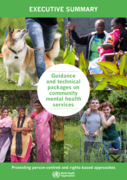
The WHO Guidance on community mental health services: Promoting person-centred and rights-based approaches document is part of the WHO Guidance and technical packages on community
...
mental health services set of publications. It provides a detailed description of person-centred and human rights-based approaches in mental health, and summary examples of good practice services around the world. It describes the linkages needed with housing, education, employment and social protection sectors, and presents examples of integrated regional and national networks of community-based mental health services. Specific recommendations and action steps are presented for developing community mental health services that respect human rights and focus on recovery. This comprehensive document is accompanied by a set of seven technical packages focused on specific categories of mental health services and guidance for setting up new services.
The WHO Guidance on community mental health services: Promoting person-centred and rights-based approaches is a set of publications that provides information and support to all stakeholders who wish to develop or transform their mental health system and services to align with international human rights standards including the UN Convention on the Rights of Persons with Disabilities.
more

The WHO Guidance on community mental health services: Promoting person-centred and rights-based approaches document is part of the WHO Guidance and technical packages on community
...
mental health services set of publications. It provides a detailed description of person-centred and human rights-based approaches in mental health, and summary examples of good practice services around the world. It describes the linkages needed with housing, education, employment and social protection sectors, and presents examples of integrated regional and national networks of community-based mental health services. Specific recommendations and action steps are presented for developing community mental health services that respect human rights and focus on recovery. This comprehensive document is accompanied by a set of seven technical packages focused on specific categories of mental health services and guidance for setting up new services.
The WHO Guidance on community mental health services: Promoting person-centred and rights-based approaches is a set of publications that provides information and support to all stakeholders who wish to develop or transform their mental health system and services to align with international human rights standards including the UN Convention on the Rights of Persons with Disabilities.
more
Annals of Global Health, 87(1), p.43. DOI: http://doi.org/10.5334/aogh.3269;
The aim of this study was to examine the prevalence of mental
...
health symptoms (anxiety, depression, and stress) in Bangladesh and the factors associated with these symptoms during the COVID-19 pandemic.
They found that about 64%, 87%, and 61% of the respondents in Bangladesh reported high levels of depression, anxiety, and stress, respectively and this varied between divisions (regions), more in women, those who self-quarantined, and those that experienced classical symptoms of COVID-19. We think there is a need for mental health support in this population to minimise the long term effects.
more
This resource is the third in a series of online guides for promoting positive mental health across the lifespan. This resource provides health and
...
social service providers (“practitioners”) with current evidence-based approaches in the application of mental health promotion concepts and principles for refugees. It is intended to support practitioners, caregivers and others in incorporating best practice approaches to mental health promotion initiatives or programs directed toward refugees.
more

To survive and thrive, children and adolescents need good health, adequate nutrition, security, safety and a supportive clean environment, opportunities for early learning and education, responsive
...
relationships and connectedness, and opportunities for personal autonomy and self-realization. To promote their health and wellbeing, children and adolescents need support from parents, families, communities, surrounding institutions, and an enabling environment. Scheduled well care visits provide a critical opportunity for support of individual children, adolescents, parents, caregivers and families promote health and wellbeing. This guidance on scheduled child and adolescent well-care visits is the first in a series of publications to support the operationalization of the comprehensive agenda for child and adolescent health and wellbeing. It provides guidance on what is required to strengthen health systems and services to ensure healthy growth and development of all children and adolescents, and to support their parents and caregivers.
The guidance focuses on scheduled routine contacts with providers to support children and adolescents in their growth and developmental trajectory, as well as their primary caregivers and families. It outlines the rationale and objectives of well care visits and proposes a minimum 17 scheduled visits; describes the expected tasks during a contact; provides age-specific content to be address during each contact; and proposes actions to build on and maximize existing opportunities and resources.
more
This manual was developed based on the recommendations of a global technical consultation on child health in humanitarian emergencies co-organized by WHO and UNICEF at the end of 2003. WHO in collaboration with the Centre for Refugee and Disaster Re
...
sponse, Bloomberg School of Public Health, Johns Hopkins University undertook a systematic review in 2004. It demonstrated that existing guidelines, including The Integrated Management of Childhood Illness (IMCI), do not cover all priority conditions in emergencies. The objective of this manual is to provide comprehensive guidance on child care in emergencies.
more
Who is where, when, doing what (4Ws) in mental health and psychosocial support : manual with activity codes
recommended
Humanitarian actors in emergencies often encounter challenges in knowing Who is Where, When, doing What (4Ws) with regard to mental health and psyc
...
hosocial support (MHPSS). Such knowledge is essential to inform coordination. 4Ws tools are used in many areas of aid to map activities conducted across large geographical areas". This manual outlines the 4Ws with regard to mental health and psychosocial support for humanitarian actors with MHPSS coordinating responsibilities. The tool exists in two parts: a 4Ws data collection spreadsheets application (in excel online) and this manual which describes how to collect the data
more
Refugee children and adolescents exhibit resilience despite a history of trauma. However, trauma can affect a refugee
child’s emotional and behavioral development. Mental health providers should
...
consider how the refugee experience (e.g.,
exposure to hunger, thirst, and lack of shelter; injury and illness; being a witness, victim, or perpetrator of violence; fleeing
your home and country; separating from family; living in a refugee camp; resettling in a new country; and navigating
between the new culture and the culture of origin) may contribute to a child or adolescent’s emotional or behavioral presentation
in a clinic, school, or community setting.
more
This Handbook is primarily for educators, to help them learn about mental health issues and better support them in educational environments. The Ha
...
ndbook aims to provide training to teachers, administrators, and people involved in the education of primary school children about the implementation of mental health literacy into daily school life. Such knowledge, skills and attitudes will equip all levels of educators with key tools to support student mental health, manage difficult classroom behavior, and promote students’ wellbeing and academic success.
more
A set of 5 training videos on child mental health created by the Ethiopian Federal Ministry of Health.
The research team produced five short train
...
ing videos, modelling an HEW interviewing mothers of children with autism or intellectual disability to demonstrate skills in early detection, supportive counselling and problem solving. The videos are produced in Amharic (the official Ethiopian language) – a version with English transcripts and subtitles is also available.
In addition, a ‘Mental Health Guide’ was produced that reinforces the training provided in the associated HEAT module, and extends training in childhood developmental and mental health problems.
more
