
Filter
1884
Text search:
brief
intervention
Featured
211
409
Language
1793
57
46
42
22
14
11
10
6
6
4
4
4
2
2
2
2
2
2
2
2
2
1
1
1
1
1
1
1
1
1
1
1
1
1
1
1
1
Document type
1016
280
263
159
58
54
38
6
6
2
1
1
Countries
97
77
51
40
34
33
31
29
28
26
26
24
23
23
23
21
20
19
17
16
16
15
15
15
14
12
12
11
10
9
9
8
7
7
7
6
6
6
5
5
5
5
5
5
5
5
5
4
4
4
4
3
3
3
3
3
3
3
3
3
2
2
2
2
2
2
2
2
2
2
2
2
2
2
2
2
2
2
1
1
1
1
1
1
1
1
1
1
1
1
1
1
1
Authors & Publishers
299
89
59
56
55
51
47
40
29
19
14
13
13
12
11
10
10
10
9
9
8
8
7
7
7
7
7
7
6
6
6
6
5
5
5
5
5
5
5
5
5
5
5
5
5
5
5
5
5
5
4
4
4
4
4
4
4
4
4
4
4
4
4
4
4
4
4
4
4
4
4
4
4
4
4
4
3
3
3
3
3
3
3
3
3
3
3
3
3
3
3
3
3
3
3
3
3
3
3
3
3
3
3
3
3
3
3
3
3
3
3
2
2
2
2
2
2
2
2
2
2
2
2
2
2
2
2
2
2
2
2
2
2
2
2
2
2
2
2
2
2
2
2
2
2
2
2
2
2
2
2
2
2
2
2
2
2
2
2
2
2
2
2
2
2
2
2
2
2
2
2
2
2
2
2
2
2
2
2
2
2
2
2
2
2
2
2
2
2
2
2
2
2
2
2
2
2
2
2
2
2
2
2
2
2
2
2
2
2
2
2
2
2
2
2
2
2
2
2
2
2
2
2
2
2
2
2
1
1
1
1
1
1
1
1
1
1
1
1
1
1
1
1
1
1
1
1
1
1
1
1
1
1
1
1
1
1
1
1
1
1
1
1
1
1
1
1
1
1
1
1
1
1
1
1
1
1
1
1
1
1
1
1
1
1
1
1
1
1
1
1
1
1
1
1
1
1
1
1
1
1
1
1
1
1
1
1
1
1
1
1
1
1
1
1
1
1
1
1
1
1
1
1
1
1
1
1
1
1
1
1
1
1
1
1
1
1
1
1
1
1
1
1
1
1
1
1
1
1
1
1
1
1
1
1
1
1
1
1
1
1
1
1
1
1
1
1
1
1
1
1
1
1
1
1
1
1
1
1
1
1
1
1
1
1
1
1
1
1
1
1
1
1
1
1
1
1
1
1
1
1
1
1
1
1
1
1
1
1
1
1
1
1
1
1
1
1
1
1
1
1
1
1
1
1
1
1
1
1
1
1
1
1
1
1
1
1
1
1
1
1
1
1
1
1
1
1
1
1
1
1
1
1
1
1
1
1
1
1
1
1
1
1
1
1
1
1
1
1
1
1
1
1
1
1
1
1
1
1
1
1
1
1
1
1
1
1
1
1
1
1
1
1
1
1
1
1
1
1
1
1
1
1
1
1
1
1
1
1
1
1
1
1
1
1
1
1
1
1
1
1
1
1
1
1
1
1
1
1
1
1
1
1
1
1
1
1
1
1
1
1
1
1
1
1
1
1
1
1
1
1
1
1
1
1
1
1
1
1
1
1
1
1
1
1
1
1
1
1
1
1
1
1
1
1
1
1
1
1
1
1
1
1
1
1
1
1
1
1
1
1
1
1
1
1
1
1
1
1
1
1
1
1
1
1
1
1
1
1
1
1
1
1
1
1
1
1
1
1
1
1
1
1
1
1
1
1
1
1
1
1
1
1
1
1
1
1
1
1
1
1
1
1
1
1
1
1
1
1
1
1
1
1
1
1
1
1
1
1
1
1
1
1
1
1
1
1
1
1
1
1
1
1
1
1
1
1
1
1
1
1
1
1
1
1
1
1
1
1
1
1
1
1
1
1
1
1
1
1
1
1
1
1
1
1
1
1
1
1
1
1
1
1
1
1
1
1
1
1
1
1
1
1
1
1
1
1
1
1
1
1
1
1
1
1
1
1
1
1
1
1
1
1
1
1
1
1
1
1
1
1
1
1
1
1
1
1
1
1
1
1
1
1
1
1
1
1
1
1
1
1
1
1
1
1
1
1
1
1
1
1
1
1
1
1
1
1
1
1
1
1
1
1
1
1
1
1
1
1
1
1
1
1
1
1
1
1
1
1
1
1
1
1
1
1
1
1
1
1
1
1
1
1
1
1
1
1
1
1
1
1
1
1
1
1
1
1
1
1
1
1
1
1
1
1
1
1
1
1
1
1
1
1
1
1
1
1
1
1
1
1
1
1
1
1
1
1
1
1
1
1
1
1
1
1
1
1
1
1
1
1
1
1
1
1
1
1
1
1
1
1
1
1
1
1
1
1
1
1
1
1
1
1
1
1
1
1
1
1
1
1
1
1
1
1
1
1
1
1
1
1
1
1
1
1
1
1
1
1
1
1
1
1
1
1
1
1
1
1
1
1
1
1
1
1
1
1
1
1
1
1
1
1
1
1
1
1
1
1
1
1
1
1
1
1
1
1
1
1
1
1
1
1
1
1
1
1
1
1
1
1
1
1
1
1
1
1
1
1
1
1
1
1
1
1
1
1
1
1
1
1
1
1
1
1
1
1
1
1
1
1
1
1
1
1
1
1
1
1
1
1
1
1
1
1
1
1
1
1
1
1
1
1
1
1
1
1
1
1
1
1
1
1
1
1
1
1
1
1
1
1
1
1
1
1
1
1
1
1
1
1
1
1
1
1
1
1
1
1
1
1
1
1
1
1
1
1
1
1
1
1
1
1
1
1
1
1
1
1
1
1
1
1
1
1
1
1
1
1
1
1
1
1
1
1
1
1
1
1
1
1
1
1
1
1
1
1
1
1
1
1
1
1
1
1
1
1
1
1
1
1
1
1
1
1
1
1
1
1
1
1
1
1
1
1
1
1
1
1
1
1
1
1
1
1
1
1
1
1
1
1
1
1
1
1
1
1
1
1
1
1
1
1
1
1
1
1
1
1
1
1
1
1
1
1
1
1
1
1
1
1
1
1
1
1
1
1
1
1
1
1
1
1
1
1
1
1
1
1
1
1
1
1
1
1
1
1
1
1
1
1
1
1
1
1
1
1
1
1
1
1
1
1
1
1
1
1
1
1
1
1
1
1
1
1
1
1
1
1
1
1
1
1
1
1
1
1
1
1
1
1
1
1
1
1
1
1
1
1
1
1
1
1
1
1
1
1
1
1
1
1
1
1
1
1
1
1
1
1
1
1
1
1
1
1
1
1
1
1
1
1
1
1
1
1
1
1
1
1
1
1
1
1
1
1
1
1
1
1
1
1
1
1
1
1
1
1
1
1
1
1
1
1
1
1
1
1
1
1
1
1
1
1
1
1
1
1
1
1
1
1
1
1
1
1
1
1
1
1
1
1
1
1
1
1
1
1
1
1
1
1
1
1
1
1
1
1
1
1
1
1
1
1
1
1
1
1
1
1
1
1
1
1
1
1
1
1
1
1
1
1
1
1
1
1
1
1
1
1
1
1
1
1
1
1
1
1
1
1
1
1
1
1
1
1
1
1
1
1
1
1
1
1
1
1
1
1
1
1
1
1
1
1
1
1
1
1
1
1
1
1
1
1
1
1
1
1
1
1
1
1
1
1
1
1
1
1
1
1
1
1
1
1
1
1
1
1
1
1
1
1
1
1
1
1
1
1
1
1
1
1
1
1
1
1
1
1
1
1
1
1
1
1
1
1
1
1
1
1
1
1
1
1
1
1
1
1
1
1
1
1
1
1
1
1
1
1
1
1
1
1
1
1
1
1
1
1
1
1
1
1
1
1
1
1
1
1
1
1
1
1
1
1
1
1
1
1
1
1
1
1
1
1
1
1
1
1
1
1
1
1
1
1
1
1
1
1
1
1
1
1
1
1
1
1
1
1
1
1
1
1
1
1
1
1
1
1
1
1
1
1
1
1
1
1
1
1
1
1
1
1
1
1
1
1
1
1
1
1
1
1
1
1
1
1
1
1
1
1
1
1
1
1
1
1
1
1
1
1
1
1
1
1
1
1
1
1
1
1
1
1
1
1
1
1
1
1
1
1
1
1
1
1
1
1
1
1
1
1
1
1
1
1
1
1
1
1
1
1
1
1
1
1
1
1
1
1
1
1
1
1
1
1
1
Publication Years
565
1122
189
7
1
Category
552
166
134
123
120
61
9
1
Toolboxes
368
118
96
73
68
65
59
48
46
37
35
33
32
32
29
24
23
17
16
10
7
7
5
5
4
2

In 2018, the WHO European Healthy Cities Network adopted the political vision of the Network until 2030 that is fully aligned with the United Nations 2030 Agenda for Sustainable Development: the Copenhagen Consensus of Mayors: Healthier and Happier Cities for All. The vision is built around six them
...
es. This compendium comprises tools, resources and networks that are related to one of the themes - place - from across the WHO European Healthy Cities Network and wider from 2010 to 2020. It is part of the support package for implementation of the place theme in Phase VII (2019–2024) of the WHO European Healthy Cities Network.
more
The authors conduct an integrated survey of Antimicrobial Resistant Organisms (AMR) in drinking water, wastewater and surface water in three settings in Bangladesh: rural households, rural poultry farms, and urban food markets. Results show that untreated water discharged from rural households, poul
...
try farms and urban markets are major contributors to surface water pollution and antibiotic resistant bacteria genes, calling for increased surveillance and monitoring.
more
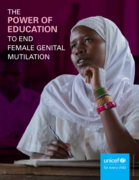
The practice of female genital mutilation (FGM) has proved remarkably tenacious, despite attempts spanning nearly a century to eliminate it. Nevertheless, a number of countries have seen some declines in the practice – at least up until the COVID-19 pandemic, the impact of which is yet to be fully
...
understood. Other changes in FGM are also evident. These include shifts in attitudes and in the ways the procedure is being carried out.
As the world rallies to accelerate progress against FGM, understanding what drives change in how people think about the practice and act is key to its elimination. Education is one such driver. It is an important mechanism to increase awareness of the dangers of FGM and of groups that do not practise it. Education also fosters questioning and discussion and provides opportunities for individuals to take on social roles that are not dependent on the practice of FGM for acceptance.
more
This short document summarizes the key content of the WHO report Reducing the harm from alcohol by regulating cross-border alcohol marketing, advertising and promotion. It outlines the way that alcohol is being marketed across national borders – often by digital means – and often regardless of t
...
he social, economic or cultural environment in receiving countries. It highlights how increasingly sophisticated advertising and promotion techniques, including linking alcohol brands to sports and cultural activities, sponsorships and use of e-mails, SMS and social media, are being used to increase customer loyalty and gain new customers. The summary also explains that young people and heavy drinkers are increasingly targeted by alcohol advertising, often to the detriment of their health, and highlights the need for more effective national regulations and better international collaboration.
more

The development of this Operational Roadmap has been driven by a growing consensus in Ukraine on the need to prioritize activities that are urgently required to address the mental health and psychosocial needs of the country’s population and also the importance of basing the response on existing s
...
tructures, resources and innovations introduced in reforms in past years.
more
The document provides Information on alcohol use (risk factors, evaluation alcohol use etc.) in a descriptive way.

This MHPSS in Emergencies training aims to prepare MHPSS responders, disaster managers, and emergency team leaders for work in the field by building understanding of basic concepts of MHPSS in emergencies as well as planning and implementing PSS activities. It is for MHPSS focal points from the Red
...
Cross and Red Crescent Societies Movement and humanitarian organizations responsible for initiating or supporting the overall mental health and psychosocial activities and interventions during emergencies. The training modules in this guide have been developed to be flexible and adapted to different contexts and training needs. The guide and accompanying materials include the information and materials you will need to design and facilitate MHPSS in Emergencies training.
more

Providing quality, stigma-free services is essential to equitable health care for all and achieving global HIV goals and broader Sustainable Development Goals related to health. Every person has the right to the highest attainable standard of physical and mental health. Countries have a legal obliga
...
tion to develop and implement legislation and policies that guarantee universal access to quality health services and address the root causes of health disparities, including poverty, stigma and discrimination.
The health sector is uniquely placed to lead in addressing inequity, assuring safe personcentred care for everyone and improving social determinants of health by overcoming taboos and discriminatory or stigmatizing behaviours associated with HIV, viral hepatitis and sexually transmitted infections (STIs). Improving health care quality and reducing stigma work together to enhance health outcomes for people living with HIV. Together, they make health care services more accessible, trustworthy and supportive. This encourages early diagnosis, consistent treatment and improved mental well-being. Thus, people living with HIV are more likely to engage with and benefit from health care services, leading to improved overall health.
more

Tuberculosis (TB) is among the top ten most common causes of death globally and as a single infectious disease it top among infectious diseases. Furthermore, it is noted as the top causes of death among people infected with the human immunodeficiency virus (HIV). Despite recent decreases in the numb
...
er of notified cases, Namibia still has a high TB burden and is included among the top 30 high-burden TB countries by the World Health Organisation (WHO). In the 2018 Global TB Report, the estimated incidence rate of TB in Namibia was 423/100,000. The same report estimated that 60 people per 100,000 populations died of TB in Namibia, which is a concern, for a disease that is curable and preventable.
more

PLoS Negl TropDis14(10): e0008837. https://doi.org/ 10.1371/journal.pntd.0008837.
We conducted alandscape analysis on parasitic and vector-borne disease elimination approaches with the aim toidentify evidence-based strategies, core components and key concepts for achieving and sustaining schistosom
...
iasis control and for progressing elimination efforts towards interruption oftransmission insubSaharan Africa.
more
PLoS ONE 18(5): e0285031. https://doi.org/10.1371/journal.pone.0285031
The study aims to integrate HPV vaccination into routine care in adolescent HIV clinics. To achieve success, we will co-design a package of implementation strategies using a previously successful implementation research approach
...
developed for cervical cancer prevention in LMICs: the Integrative Systems Praxis for Implementation Research (INSPIRE). INSPIRE is a novel, comprehensive approach to develop, implement, and evaluate implementation science efforts
more

Mozambique was the first country outside of the Sahel to successfully implement seasonal malaria chemoprevention (SMC) on a large scale. This learning paper captures some of the lessons drawn from the implementation process.
What works?
This training seeks to equip health workers who have contact with children in HIV settings with the knowledge and skills to better integrate violence against children (VAC) services into their work. It seeks to transmit information and skills to make them: feel comfortable talking with, providing se
...
rvices and making appropriate referrals to children and their caregivers who are at risk of or experiencing violence.
This three-day training package includes ten modules to be delivered to groups of 25-30 health workers. The training is aimed at different cadres of health workers, including: nurses and midwives; clinicians; HIV counselors; medical social workers; pharmacists; community health workers, and others who are involved in children’s health care in health settings
more
These guidelines focus on the provision of PrEP as part of comprehensive combination prevention,
drawing on implementation and research evidence and WHO recommendations.
Mental Health and Psychosocial Support in Humanitarian Emergencies: What Should Humanitarian Health Actors Know?
recommended
IASC Reference Group for Mental Health and Psychosocial Support
Inter-Agency Standing Committee
(2010)
C1
This document is for humanitarian health actors working at national and sub-national level in countries facing humanitarian emergencies. It applies to Health Cluster partners, including governmental and non-governmental health service providers.
Based on the IASC Guidelines on Mental Health and Psy
...
chosocial Support in Emergency Settings (IASC, 2007), it gives an overview of essential knowledge that humanitarian health actors should have about mental health and psychosocial support (MHPSS) in humanitarian emergencies.
This document by the IASC Reference Group for Mental Health and Psychosocial Support was developed in consultation with the IASC Global Health Cluster.
more
