
Filter
860
Text search:
The
ORS
Featured
Recommendations
99
New Publications
342
Language
Document type
No document type
550
Studies & Reports
89
Guidelines
83
Manuals
36
Training Material
35
Strategic & Response Plan
27
Fact sheets
17
Infographics
15
Situation Updates
6
Resource Platforms
2
Countries / Regions
India
103
Nepal
45
Sierra Leone
42
Uganda
33
Kenya
30
Ethiopia
28
Liberia
26
Malawi
26
Nigeria
25
Rwanda
23
Haiti
22
Tanzania
22
Ghana
17
Bangladesh
17
Senegal
13
Zimbabwe
13
South Africa
13
Namibia
12
Myanmar / Burma
12
Philippines
11
Zambia
11
Global
11
Lesotho
9
Eswatini/ Swaziland
8
South Sudan
7
Cambodia
7
Yemen
7
Burkina Faso
6
Congo, Democratic Republic of
5
Cameroon
5
Indonesia
5
Mozambique
5
Botswana
5
Guinea
4
Somalia
4
Syria
4
Mali
3
Madagascar
3
Latin America and the Carribbean
3
Côte d’Ivoire / Ivory Coast
2
Papua New Guinea
2
Brazil
2
Ukraine
2
South–East Asia Region
2
Niger
1
Togo
1
Pakistan
1
Afghanistan
1
Turkey
1
Thailand
1
Sudan
1
Benin
1
Central African Republic
1
Guatemala
1
Chile
1
East and Southern Africa
1
Eastern Europe and Central Asia
1
Western and Central Europe
1
Paraguay
1
Tajikistan
1
Gabon
1
Authors & Publishers
Publication Years
Category
Countries
536
Women & Child Health
90
Clinical Guidelines
86
Key Resources
35
Public Health
29
Capacity Building
26
Pharmacy & Technologies
3
Toolboxes
Cholera
93
Caregiver
37
Ebola & Marburg
33
Pharmacy
18
AMR
17
Mental Health
15
HIV
14
COVID-19
13
Conflict
10
Rapid Response
9
TB
9
NTDs
6
2.0 Rapid Response
6
Natural Hazards
5
Malaria
5
Polio
4
Refugee
4
NCDs
4
Disability
2
Zika
2
Global Health Education
2
Specific Hazards
1
Social Ethics
1
Planetary Health
1
Health Financing Toolbox
1
Establishing a community-based disease surveillance system is key step to improving the early detection and assessment of outbreaks
To better adapt current case management practices and address excess mortality in otherwise treatable
cases will require better knowledge of the demographic characteristics of the patients and como
...
Fever Diagnostic Technology Landscape
recommended
1st edition.
Unitaid’s report describes a slate of new devices that can more efficiently identify dangerously ill children so that they can be treated immediately. These tools make it easier to recognize danger signs, and support integrated approaches to reducing childhood deaths from
...
Fact Book on WHO Level I and Level II monitoring indicators - To monitor the progress of efforts to improve the global medicines situation, WHO has developed a system of indicators that measure impo
...
This training guide applies a participatory approach, reflecting the considerable evidence that adults learn best by practicing and reflecting on their experiences. It thus emphasizes exercises to improve skills in counseling that support clients to
...
WHO needs US$2.54 billion to provide life-saving assistance to millions of people around the world facing health emergencies. WHO’s Health Emergency Appeal is a consolidation of WHO’s priorities and financial requirements for 2023 to carry out h
...
This clinical management manual for Ebola Viral Disease in Liberia was developed after several ETUs were established in the country following the outbreak early this year. As
...
Clinical guideline, Methods, Evidence and Recommendations
In this guideline the following is covered: information needs of people with chronic hep
titis B and their carers; where children, young people and adults with chronic hepatitis B a-
shoul
...
An Overview of Current Evidence with Recommendations for Strengthening Community Health Worker Programs to Accelerate Progress in Achieving the Health-related Millennium Development Goals

Nested case-control study of health workers exposed to confirmed COVID-19 patients.
Similar objectives to the cohort study but case-control studies may be cheaper and provide robust evidence to characterize and assess
...

This paper is Oxfam’s essential guide for WASH staff and partners. It describes the processes and standards that Oxfam WASH programmes should follow if they are to be carried out effectively, consistently and in a way which treats affected communi
...
Prepared as an outcome of ICMR Subcommittee on Gastric Cancer | This consensus document on Management of Gallbladder cancers summarizes the modalities of treatment including the site-specific anti-c
...
On October 6, 11 cases of Cholera were confirmed positive in one neighbourhood of the capital Sana’a. No confirmed cases have been reported in other locations in Yemen. UNICEF, together with WHO and Health authorities, have initiated a rapid respo
...
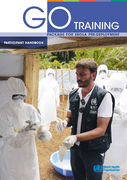
GO pre-deployment training: participant handbook
recommended
This is a pre-deployment training, tailored specially to the Ebola outbreak in West Africa, offered to WHO personnel, consultants, and key partners. The material covered in modules 1-4 is applicable
...
After more than three years without cases, Haiti reported on 2 October 2022 a cluster of cholera cases in the metropolitan area of Port-au-Prince, just as the country was on
...
Background
Noncommunicable diseases are major contributors to morbidity and mortality worldwide. Modifying the risk factors for these conditions, such as physical inactivity, is thus essential. Addressing
...
This diagnostic and treatment manual is designed for use by medical professionals involved in curative care at the dispensary and hospital levels. We have tried to respond in the simplest and most p
...

Lesotho’s predominantly rural population faces significant health challenges within a setting of inadequate human resources for health. It is essential that nurses and nurse-midwives, who together make up the largest health workforce in
...
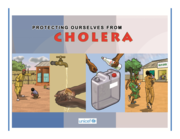
UNICEF: Protecting Ourselves from Cholera
recommended
This flipchart is a visual support for community workers, health workers, emergency workers, and in general all staff conducting face-to-face communication in response to a cholera outbreak.
How to use it?
The flipchart is intended as a suppor
...
Second-generation antipsychotic medications for psychotic disorders (including schizophrenia)
recommended
Q14. SCOPING QUESTION: In adults with psychotic disorders (including schizophrenia), what is the comparative effectiveness and safety of second-generation antipsychotic medications?
