
Filter
8070
Text search:
rights
Featured
787
1836
Language
7486
346
290
190
143
97
91
54
28
16
14
13
13
12
12
12
10
10
10
9
8
8
8
8
8
8
8
7
7
7
7
7
6
6
6
6
5
5
5
5
5
5
5
4
4
3
3
3
3
3
3
3
3
3
2
2
2
2
2
2
1
1
1
1
1
1
1
1
1
1
1
Document type
3883
1483
1127
539
331
298
185
81
42
37
37
9
6
4
1
Countries
423
210
187
151
140
136
132
128
124
122
119
115
109
108
106
102
100
85
85
79
70
70
69
66
64
64
63
62
62
59
53
49
47
45
42
41
41
40
39
38
36
34
34
34
33
33
31
29
27
27
26
26
24
23
23
23
22
19
19
18
17
16
16
15
14
14
13
12
11
11
10
10
10
10
9
9
8
8
8
8
8
7
7
7
7
7
7
6
6
6
6
6
6
6
6
6
5
5
5
5
5
4
4
4
4
4
4
4
4
4
4
4
3
3
3
3
3
3
3
3
3
3
2
2
2
2
2
2
2
2
2
2
2
2
1
1
1
1
1
1
1
1
1
1
1
1
1
1
1
1
1
1
Authors & Publishers
1487
436
272
242
195
174
153
106
103
95
74
67
65
63
48
43
40
39
38
37
35
30
30
30
29
29
27
26
26
26
24
24
24
23
23
23
23
23
22
21
19
19
19
19
19
19
18
18
18
18
17
17
16
16
16
15
15
14
14
14
14
14
14
14
14
13
13
13
13
13
13
13
13
13
13
13
13
13
13
12
12
12
11
11
11
11
11
11
11
10
10
10
10
10
10
10
10
9
9
9
9
9
9
9
9
9
9
9
9
9
9
8
8
8
8
8
8
8
8
8
8
8
8
8
7
7
7
7
7
7
7
7
7
7
7
7
7
7
7
7
7
7
7
7
6
6
6
6
6
6
6
6
6
6
6
6
6
6
6
6
6
6
6
6
6
6
6
6
6
6
5
5
5
5
5
5
5
5
5
5
5
5
5
5
5
5
5
5
5
5
5
5
5
5
5
5
5
5
5
5
5
5
5
5
5
5
5
5
5
5
5
5
5
5
5
5
5
5
5
5
5
4
4
4
4
4
4
4
4
4
4
4
4
4
4
4
4
4
4
4
4
4
4
4
4
4
4
4
4
4
4
4
4
4
4
4
4
4
4
4
4
4
4
4
4
4
4
4
4
4
4
4
4
4
4
4
4
4
4
4
4
4
4
4
4
4
4
4
4
4
4
4
4
4
4
4
4
4
4
4
4
4
4
4
4
4
4
4
4
3
3
3
3
3
3
3
3
3
3
3
3
3
3
3
3
3
3
3
3
3
3
3
3
3
3
3
3
3
3
3
3
3
3
3
3
3
3
3
3
3
3
3
3
3
3
3
3
3
3
3
3
3
3
3
3
3
3
3
3
3
3
3
3
3
3
3
3
3
3
3
3
3
3
3
3
3
3
3
3
3
3
3
3
3
3
3
3
3
3
3
3
3
3
3
3
3
3
3
3
3
3
3
3
3
3
3
3
3
3
3
3
3
3
3
3
3
3
3
3
3
3
3
3
3
3
3
3
3
3
3
3
3
3
2
2
2
2
2
2
2
2
2
2
2
2
2
2
2
2
2
2
2
2
2
2
2
2
2
2
2
2
2
2
2
2
2
2
2
2
2
2
2
2
2
2
2
2
2
2
2
2
2
2
2
2
2
2
2
2
2
2
2
2
2
2
2
2
2
2
2
2
2
2
2
2
2
2
2
2
2
2
2
2
2
2
2
2
2
2
2
2
2
2
2
2
2
2
2
2
2
2
2
2
2
2
2
2
2
2
2
2
2
2
2
2
2
2
2
2
2
2
2
2
2
2
2
2
2
2
2
2
2
2
2
2
2
2
2
2
2
2
2
2
2
2
2
2
2
2
2
2
2
2
2
2
2
2
2
2
2
2
2
2
2
2
2
2
2
2
2
2
2
2
2
2
2
2
2
2
2
2
2
2
2
2
2
2
2
2
2
2
2
2
2
2
2
2
2
2
2
2
2
2
2
2
2
2
2
2
2
2
2
2
2
2
2
2
2
2
2
2
2
2
2
2
2
2
2
2
2
2
2
2
2
2
2
2
2
2
2
2
2
2
2
2
2
2
2
2
2
2
2
2
2
2
2
2
2
2
2
2
2
2
2
2
2
2
2
2
2
2
2
2
2
2
2
2
2
2
2
2
2
2
2
2
2
2
2
2
2
2
2
2
2
2
2
2
2
2
2
2
2
2
2
2
2
2
2
2
2
2
2
2
2
2
2
2
2
2
2
2
2
2
2
2
2
2
2
2
2
2
2
2
2
2
2
2
2
2
2
2
2
2
2
2
2
2
2
2
2
1
1
1
1
1
1
1
1
1
1
1
1
1
1
1
1
1
1
1
1
1
1
1
1
1
1
1
1
1
1
1
1
1
1
1
1
1
1
1
1
1
1
1
1
1
1
1
1
1
1
1
1
1
1
1
1
1
1
1
1
1
1
1
1
1
1
1
1
1
1
1
1
1
1
1
1
1
1
1
1
1
1
1
1
1
1
1
1
1
1
1
1
1
1
1
1
1
1
1
1
1
1
1
1
1
1
1
1
1
1
1
1
1
1
1
1
1
1
1
1
1
1
1
1
1
1
1
1
1
1
1
1
1
1
1
1
1
1
1
1
1
1
1
1
1
1
1
1
1
1
1
1
1
1
1
1
1
1
1
1
1
1
1
1
1
1
1
1
1
1
1
1
1
1
1
1
1
1
1
1
1
1
1
1
1
1
1
1
1
1
1
1
1
1
1
1
1
1
1
1
1
1
1
1
1
1
1
1
1
1
1
1
1
1
1
1
1
1
1
1
1
1
1
1
1
1
1
1
1
1
1
1
1
1
1
1
1
1
1
1
1
1
1
1
1
1
1
1
1
1
1
1
1
1
1
1
1
1
1
1
1
1
1
1
1
1
1
1
1
1
1
1
1
1
1
1
1
1
1
1
1
1
1
1
1
1
1
1
1
1
1
1
1
1
1
1
1
1
1
1
1
1
1
1
1
1
1
1
1
1
1
1
1
1
1
1
1
1
1
1
1
1
1
1
1
1
1
1
1
1
1
1
1
1
1
1
1
1
1
1
1
1
1
1
1
1
1
1
1
1
1
1
1
1
1
1
1
1
1
1
1
1
1
1
1
1
1
1
1
1
1
1
1
1
1
1
1
1
1
1
1
1
1
1
1
1
1
1
1
1
1
1
1
1
1
1
1
1
1
1
1
1
1
1
1
1
1
1
1
1
1
1
1
1
1
1
1
1
1
1
1
1
1
1
1
1
1
1
1
1
1
1
1
1
1
1
1
1
1
1
1
1
1
1
1
1
1
1
1
1
1
1
1
1
1
1
1
1
1
1
1
1
1
1
1
1
1
1
1
1
1
1
1
1
1
1
1
1
1
1
1
1
1
1
1
1
1
1
1
1
1
1
1
1
1
1
1
1
1
1
1
1
1
1
1
1
1
1
1
1
1
1
1
1
1
1
1
1
1
1
1
1
1
1
1
1
1
1
1
1
1
1
1
1
1
1
1
1
1
1
1
1
1
1
1
1
1
1
1
1
1
1
1
1
1
1
1
1
1
1
1
1
1
1
1
1
1
1
1
1
1
1
1
1
1
1
1
1
1
1
1
1
1
1
1
1
1
1
1
1
1
1
1
1
1
1
1
1
1
1
1
1
1
1
1
1
1
1
1
1
1
1
1
1
1
1
1
1
1
1
1
1
1
1
1
1
1
1
1
1
1
1
1
1
1
1
1
1
1
1
1
1
1
1
1
1
1
1
1
1
1
1
1
1
1
1
1
1
1
1
1
1
1
1
1
1
1
1
1
1
1
1
1
1
1
1
1
1
1
1
1
1
1
1
1
1
1
1
1
1
1
1
1
1
1
1
1
1
1
1
1
1
1
1
1
1
1
1
1
1
1
1
1
1
1
1
1
1
1
1
1
1
1
1
1
1
1
1
1
1
1
1
1
1
1
1
1
1
1
1
1
1
1
1
1
1
1
1
1
1
1
1
1
1
1
1
1
1
1
1
1
1
1
1
1
1
1
1
1
1
1
1
1
1
1
1
1
1
1
1
1
1
1
1
1
1
1
1
1
1
1
1
1
1
1
1
1
1
1
1
1
1
1
1
1
1
1
1
1
1
1
1
1
1
1
1
1
1
1
1
1
1
1
1
1
1
1
1
1
1
1
1
1
1
1
1
1
1
1
1
1
1
1
1
1
1
1
1
1
1
1
1
1
1
1
1
1
1
1
1
1
1
1
1
1
1
1
1
1
1
1
1
1
1
1
1
1
1
1
1
1
1
1
1
1
1
1
1
1
1
1
1
1
1
1
1
1
1
1
1
1
1
1
1
1
1
1
1
1
1
1
1
1
1
1
1
1
1
1
1
1
1
1
1
1
1
1
1
1
1
1
1
1
1
1
1
1
1
1
1
1
1
1
1
1
1
1
1
1
1
1
1
1
1
1
1
1
1
1
1
1
1
1
1
1
1
1
1
1
1
1
1
1
1
1
1
1
1
1
1
1
1
1
1
1
1
1
1
1
1
1
1
1
1
1
1
1
1
1
1
1
1
1
1
1
1
1
1
1
1
1
1
1
1
1
1
1
1
1
1
1
1
1
1
1
1
1
1
1
1
1
1
1
1
1
1
1
1
1
1
1
1
1
1
1
1
1
1
1
1
1
1
1
1
1
1
1
1
1
1
1
1
1
1
1
1
1
1
1
1
1
1
1
1
1
1
1
1
1
1
1
1
1
1
1
1
1
1
1
1
1
1
1
1
1
1
1
1
1
1
1
1
1
1
1
1
1
1
1
1
1
1
1
1
1
1
1
1
1
1
1
1
1
1
1
1
1
1
1
1
1
1
1
1
1
1
1
1
1
1
1
1
1
1
1
1
1
1
1
1
1
1
1
1
1
1
1
1
1
1
1
1
1
1
1
1
1
1
1
1
1
1
1
1
1
1
1
1
1
1
1
1
1
1
1
1
1
1
1
1
1
1
1
1
1
1
1
1
1
1
1
1
1
1
1
1
1
1
1
1
1
1
1
1
1
1
1
1
1
1
1
1
1
1
1
1
1
1
1
1
1
1
1
1
1
1
1
1
1
1
1
1
1
1
1
1
1
1
1
1
1
1
1
1
1
1
1
1
1
1
1
1
1
1
1
1
1
1
1
1
1
1
1
1
1
1
1
1
1
1
1
1
1
1
1
1
1
1
1
1
1
1
1
1
1
1
1
1
1
1
1
1
1
1
1
1
1
1
1
1
1
1
1
1
1
1
1
1
1
1
1
1
1
1
1
1
1
1
1
1
1
1
1
1
1
1
1
1
1
1
1
1
1
1
1
1
1
1
1
1
1
1
1
1
1
1
1
1
1
1
1
1
1
1
1
1
1
1
1
1
1
1
1
1
1
1
1
1
1
1
1
1
1
1
1
1
1
1
1
1
1
1
1
1
1
1
1
1
1
1
1
1
1
1
1
1
1
1
1
1
1
1
1
1
1
1
1
1
1
1
1
1
1
1
1
1
1
1
1
1
1
1
1
1
1
1
1
1
1
1
1
1
1
1
1
1
1
1
1
1
1
1
1
1
1
1
1
1
1
1
1
1
1
1
1
1
1
1
1
1
1
1
1
1
1
1
1
1
1
1
1
1
1
1
1
1
1
1
1
1
1
1
1
1
1
1
1
1
1
1
1
1
1
1
1
1
1
1
1
1
1
1
1
1
1
1
1
1
1
1
1
1
1
1
1
1
1
1
1
1
1
1
1
1
1
1
1
1
1
1
1
1
1
1
1
1
1
1
1
1
1
1
1
1
1
1
1
1
1
1
1
1
1
1
1
1
1
1
1
1
1
1
1
1
1
1
1
1
1
1
1
1
1
1
1
1
1
1
1
1
1
1
1
1
1
1
1
1
1
1
1
1
1
1
1
1
1
1
1
1
1
1
1
1
1
1
1
1
1
1
1
1
1
1
1
1
1
1
1
1
1
1
1
1
1
1
1
1
1
1
1
1
1
1
1
1
1
1
1
1
1
1
1
1
1
1
1
1
1
1
1
1
1
1
1
1
1
1
1
1
1
1
1
1
1
1
1
1
1
1
1
1
1
1
1
1
1
1
1
1
1
1
1
1
1
1
1
1
1
1
1
1
1
1
1
1
1
1
1
1
1
1
1
1
1
1
1
1
1
1
1
1
1
1
1
1
1
1
1
1
1
1
1
1
1
1
1
1
1
1
1
1
1
1
1
1
1
1
1
1
1
1
1
1
1
1
1
1
1
1
1
1
1
1
1
1
1
1
1
1
1
1
1
1
1
1
1
1
1
1
1
1
1
1
1
1
1
1
1
1
1
1
1
1
1
1
1
1
1
1
1
1
1
1
1
1
1
1
1
1
1
1
1
1
1
1
1
1
1
1
1
1
1
1
1
1
1
1
1
1
1
1
1
1
1
1
1
1
1
1
1
1
1
1
1
1
1
1
1
1
1
1
1
1
1
1
1
1
1
1
1
1
1
1
1
1
1
1
1
1
1
1
1
1
1
1
1
1
1
1
1
1
1
1
1
1
1
1
1
1
1
1
1
1
1
1
1
1
1
1
1
1
1
1
1
1
1
1
1
1
1
1
1
1
1
1
1
1
1
1
1
1
1
1
1
1
1
1
1
1
1
1
1
1
1
1
1
1
1
1
1
1
1
1
1
1
1
1
1
1
1
1
1
1
1
1
1
1
1
1
1
1
1
1
1
1
1
1
1
1
1
1
1
1
1
1
1
1
1
1
1
1
1
1
1
1
1
1
1
1
1
1
1
1
1
1
1
1
1
1
1
1
1
1
1
1
1
1
1
1
1
1
1
1
1
1
1
1
1
1
1
1
1
1
1
1
1
1
1
1
1
1
1
1
1
1
1
1
1
1
1
1
1
1
1
1
1
1
1
1
1
1
1
1
1
1
1
1
1
1
1
1
1
1
1
1
1
1
1
1
1
1
1
1
1
1
1
1
1
1
1
1
1
1
1
1
1
1
1
1
1
1
1
1
1
1
1
1
1
1
1
1
1
1
1
1
1
1
1
1
1
1
1
1
1
1
1
1
1
1
1
1
1
1
1
1
1
1
1
1
1
1
1
1
1
1
1
1
1
1
1
1
1
1
1
1
1
1
1
1
1
1
1
1
1
1
1
1
1
1
1
1
1
1
1
1
1
1
1
1
1
1
1
1
1
1
1
1
1
1
1
1
1
1
1
1
1
1
1
1
1
1
1
1
1
1
1
1
1
1
1
1
1
1
1
1
1
1
1
1
1
1
1
1
1
1
1
1
1
1
1
1
1
1
1
1
1
1
1
1
1
1
1
1
1
1
1
1
1
1
1
1
1
1
1
1
1
1
1
1
1
1
1
1
1
1
1
1
1
1
1
1
1
1
1
1
1
1
1
1
1
1
1
1
1
1
1
1
1
1
1
1
1
1
1
1
1
1
1
1
1
1
1
1
1
1
1
1
1
1
1
1
1
1
1
1
1
1
1
1
1
1
1
1
1
1
1
1
1
1
1
1
1
1
1
1
1
1
1
1
1
1
1
1
1
1
1
1
1
1
1
1
1
1
1
1
1
1
1
1
1
1
1
1
1
1
1
1
1
1
1
1
1
1
1
1
1
1
1
1
1
1
1
1
1
1
1
1
1
1
1
1
1
1
1
1
1
1
1
1
1
1
1
1
1
1
1
1
1
1
1
1
1
1
1
1
1
1
1
1
1
1
1
1
1
1
1
1
1
1
1
1
1
1
1
1
1
1
1
1
1
1
1
1
1
1
1
1
1
1
1
1
1
1
1
1
1
1
1
1
1
1
1
1
1
1
1
1
1
1
1
1
1
1
1
1
1
1
1
1
1
1
1
1
1
1
1
1
1
1
1
1
1
1
1
1
1
1
1
1
1
1
1
1
1
1
1
1
1
1
1
1
1
1
1
1
1
1
1
1
1
1
1
1
1
1
1
1
1
1
1
1
1
1
1
1
1
1
1
1
1
1
1
1
1
1
1
1
1
1
1
1
1
1
1
1
1
1
1
1
1
1
1
1
1
1
1
1
1
1
1
1
1
1
1
1
1
1
1
1
1
1
1
1
1
1
1
1
1
1
1
1
1
1
1
1
1
1
1
1
1
1
1
1
1
1
1
1
1
1
1
1
1
1
1
1
1
1
1
1
1
1
1
1
1
1
1
1
1
1
1
1
1
1
1
1
1
1
1
1
1
1
1
1
1
1
1
1
1
1
1
1
1
1
1
1
1
1
1
1
1
1
1
1
1
1
1
1
1
1
1
1
1
1
1
1
1
1
1
1
1
1
1
1
1
1
1
1
1
1
1
1
1
1
1
1
1
1
1
1
1
1
1
1
1
1
1
1
1
1
1
1
1
1
1
1
1
1
1
1
1
1
1
1
1
1
1
1
1
1
1
1
1
1
1
1
1
1
1
1
1
1
1
1
1
1
1
1
1
1
1
1
1
1
1
1
1
1
1
1
1
1
1
1
1
1
1
1
1
1
1
1
1
1
1
1
1
1
1
1
1
1
1
1
1
1
1
1
1
1
1
1
1
1
1
1
1
1
1
1
1
1
1
1
1
1
1
1
1
1
1
1
1
1
1
1
1
1
1
1
1
1
1
1
1
1
1
1
1
1
1
1
1
1
1
1
1
1
1
1
1
1
1
1
1
1
1
1
1
1
1
1
1
1
1
1
1
1
1
1
1
1
1
1
1
1
1
1
1
1
1
1
1
1
1
1
1
1
1
1
1
1
1
1
1
1
1
1
1
1
1
1
1
1
1
1
1
1
1
1
1
1
1
1
1
1
1
1
1
1
1
1
1
1
1
1
1
1
1
1
1
1
1
1
1
1
1
1
1
1
1
1
1
1
1
1
1
1
1
1
1
1
1
1
1
1
1
1
1
1
1
1
1
1
1
1
1
1
1
1
1
1
1
1
1
1
1
1
1
1
1
1
1
1
1
1
1
1
1
1
1
1
1
1
1
1
1
1
1
1
1
1
1
1
1
1
1
1
1
1
1
1
1
1
1
1
1
1
1
1
1
1
1
1
1
1
1
1
1
1
1
1
1
1
1
1
1
1
1
1
1
1
1
1
1
1
1
1
1
1
1
1
1
1
1
1
1
1
1
1
1
1
1
1
1
1
1
1
1
1
1
1
1
1
1
1
1
1
1
1
1
1
1
1
1
1
1
1
1
1
1
1
1
1
1
1
1
1
1
1
1
1
1
1
1
1
1
1
1
1
1
1
1
1
1
1
1
1
1
1
1
1
1
1
1
1
1
1
1
1
1
1
1
1
1
1
1
1
1
1
1
1
1
1
1
1
1
1
1
1
1
1
1
1
1
1
1
1
1
1
1
1
1
1
1
1
1
1
1
1
1
1
1
1
1
1
1
1
1
1
1
1
1
1
1
1
1
1
1
1
1
1
1
1
1
1
1
1
1
1
1
1
1
1
1
1
1
1
1
1
1
1
1
1
1
1
1
1
1
1
1
1
1
1
1
1
1
1
1
1
1
1
1
1
1
1
1
1
1
1
1
1
1
1
1
1
1
1
1
1
1
1
1
1
1
1
1
1
1
1
1
1
1
1
1
1
1
1
1
1
1
1
1
1
1
1
1
1
1
1
1
1
1
1
1
1
1
1
1
1
1
1
1
1
1
1
1
1
1
1
1
1
1
1
1
1
1
1
1
1
1
1
1
1
1
1
1
1
1
1
1
1
1
1
1
1
1
1
1
1
1
1
1
1
1
1
1
1
1
1
1
1
1
1
1
1
1
1
1
1
1
1
1
1
1
1
1
1
1
1
1
1
1
1
1
1
1
1
1
1
1
1
1
1
1
1
1
1
1
1
1
1
1
1
1
1
1
1
1
1
1
1
1
1
1
1
1
1
1
1
1
1
1
1
1
1
1
1
1
1
1
1
1
1
1
1
1
1
1
1
1
1
1
1
1
1
1
1
1
1
1
1
1
1
1
1
1
1
1
1
1
1
1
1
1
1
1
1
1
1
1
1
1
1
1
1
1
1
1
1
1
1
1
1
1
1
1
1
1
1
1
1
1
1
1
1
1
1
1
1
1
1
1
1
1
1
1
1
1
1
1
1
1
1
1
1
1
1
1
1
1
1
1
1
1
1
1
1
1
1
1
1
1
1
1
1
1
1
1
1
1
1
1
1
1
1
1
1
1
1
1
1
1
1
1
1
1
1
1
1
1
1
1
1
1
1
1
1
1
1
1
1
1
1
1
1
1
1
1
1
1
1
1
1
1
1
1
1
1
1
1
1
1
1
1
1
1
1
1
1
1
1
1
1
1
1
1
1
1
1
1
1
1
1
1
1
1
1
1
1
1
1
1
1
1
1
1
1
1
1
1
1
1
1
1
1
1
1
1
1
1
1
1
1
1
1
1
1
1
1
1
1
1
1
1
1
1
1
1
1
1
1
1
1
1
1
1
1
1
1
1
1
1
1
1
1
1
1
1
1
1
1
1
1
1
1
1
1
1
1
1
1
1
1
1
1
1
1
1
1
1
1
1
1
1
1
1
1
1
1
1
1
1
1
1
1
1
1
1
1
1
1
1
1
1
1
1
1
1
1
1
1
1
1
1
1
1
1
1
1
1
1
1
1
1
1
1
1
1
1
1
1
1
1
1
1
1
1
1
1
1
1
1
1
1
1
1
1
1
1
1
1
1
1
1
1
1
1
1
1
1
1
1
1
1
1
1
1
1
1
1
1
1
1
1
1
1
1
1
1
1
1
1
1
1
1
1
1
1
1
1
1
1
1
1
1
1
1
1
1
1
1
1
1
1
1
1
1
1
1
1
1
1
1
1
1
1
1
1
1
1
1
1
1
1
1
1
1
1
1
1
1
1
1
1
1
1
1
1
1
1
1
1
1
1
1
1
1
1
1
1
1
1
1
1
1
1
1
1
1
1
1
1
1
1
1
1
1
1
1
1
1
1
1
1
1
1
1
1
1
1
1
1
1
1
1
1
1
1
1
1
1
1
1
1
1
1
1
1
1
1
1
1
1
1
1
1
1
1
1
1
1
1
1
1
1
1
1
1
1
1
1
1
1
1
1
1
1
1
1
1
1
1
1
1
1
1
1
1
1
1
1
1
1
1
1
1
1
1
1
1
1
1
1
1
1
1
1
1
1
1
1
1
1
1
1
1
1
1
1
1
1
1
1
1
1
1
1
1
1
1
1
1
1
1
1
1
1
1
1
1
1
1
1
1
1
1
1
1
1
1
1
1
1
1
1
1
1
1
1
1
1
1
1
1
1
1
1
1
1
1
1
1
1
1
1
1
1
1
1
1
1
1
1
1
1
1
1
1
1
1
1
1
1
1
1
1
1
1
1
1
1
1
1
1
1
1
1
1
1
1
1
1
1
1
1
1
1
1
1
1
1
1
1
1
1
1
1
1
1
1
1
1
Publication Years
1
2899
4428
693
41
2
2
4
Category
2527
580
576
542
449
183
93
3
Toolboxes
826
759
584
346
343
309
301
297
243
215
186
179
145
142
116
114
114
105
100
96
84
52
35
35
27
5
2

This interim operational guide outlines infection prevention, control, and water, sanitation, and hygiene measures for home care and isolation of mpox in resource-limited settings. It focuses on practical strategies to manage and prevent the spread of the virus when persons with mpox are isolated at
...
home in settings with limited resources. This document is intended for health and care workers, caregivers, and public health authorities.
more

The rapid assessment tool (RAT) is meant to assess health facilities within mpox-affected areas that have at least one inpatient bed. Depending on time and resources available, certain facilities may be prioritized during an mpox outbreak. The RAT evaluates 16 infection prevention and control (IPC)
...
and water, sanitation and hygiene (WASH) criteria identified as the minimum essential elements required for safe patient care and prevention of transmission within the health facility during readiness or response activities for outbreaks of mpox.
more
n October 2019, WHO convened the first meeting of the Buruli ulcer laboratory network (BU-LABNET) in Yaoundé, Cameroon, bringing together 11 laboratories from nine countries at the Pasteur Centre of Cameroon (CPC), the network’s Coordinating Centre. The network was formally established at th
...
is meeting (1) and its members were those present. The objective of BU LABNET is to improve diagnosis of Buruli ulcer based on polymerase chain reaction (PCR) using standardized testing protocols, involving external quality assurance programmes and sharing knowledge among member laboratories.
more
The aim of the meeting was to broaden the network’s initiatives. Preliminary work involved integrating laboratory testing for skin NTDs other than Buruli ulcer, such as cutaneous leishmaniasis, mycetoma, leprosy and yaws, while extending the network’s reach to encompass additional laboratories.
HAT diagnosis relies on laboratory techniques because clinical signs and symptoms are unspecific. Serodiagnostic tests exist only for Tbg and are based on the detection of specific antibodies, thus they are not confirmatory of infection. With the current low disease prevalence, the positive predicti
...
ve value of serological tests is particularly low. Field-applicable tools include the card agglutination test for trypanosomiasis (CATT) used mainly in active screening by specialized mobile teams, and the rapid diagnostic tests that are more suitable for individual testing at point-of-care. Confirmation of Tbg infection requires microscopic examination of body fluids necessitating specific training. The best performing methods are laborious and reach 85–95% diagnostic sensitivity when performed by skilled personnel.
more
UN GUIDE POUR L’APPROVISIONNEMENTEN MÉDICAMENTS/ A guide for drug supply
Bochure in English and French
Having established the goal of eliminating transmission of gambiense human African trypanosomiasis (g-HAT) to humans, the HAT-e-TAG considered which elements should be developed to assess this goal.

Indoor residual spraying (IRS) involves applying residual insecticide to potential vector resting sites on the interior surfaces of human dwellings or other buildings. The main aim of IRS is to kill vectors before they are able to transmit pathogens to humans. When carried out correctly, IRS has his
...
torically been shown to be a powerful intervention to reduce adult vector density and longevity for mosquitoes, sand flies and triatomine bugs and can reduce the transmission of vector-borne diseases.
more

Antimicrobial resistance (AMR) is a global public health crisis that resulted in 1.14 million deaths in 2021. According to the Institute for Health Metrics and Evaluation estimates, 96 416 of these deaths occurred in the World Health Organization (WHO) Eastern Mediterranean Region. All 22 countr
...
ies/territories in the Eastern Mediterranean Region are enrolled in the global AMR
surveillance system, and 17 countries/territories reported data in 2024 (for the year 2023). The total number of isolates reported to the system increased sixfold between 2017 and 2022, but the proportion of blood isolates is relatively very low. Most of the data come from public sector laboratories or hospitals, although the private sector has increased its participation in some countries/territories recently. Three pathogens account for three quarters of all the reported pathogens – Escherichia coli
(26%), Klebsiella pneumoniae (23%), and Staphylococcus aureus (22%).
more

The "Regional Action Plan 2017–2030: Towards a Malaria-Free South-East Asia Region" by the World Health Organization (WHO) outlines a strategic framework to eliminate malaria in the 11 countries of the WHO South-East Asia Region by 2030. It focuses on reducing transmission, particularly of Plasmod
...
ium falciparum and P. vivax, addressing multidrug resistance, improving surveillance, and ensuring universal access to diagnosis, treatment, and prevention. The plan sets clear objectives and milestones and emphasizes strong governance, cross-border collaboration, community involvement, and sustainable financing to achieve and maintain a malaria-free status across the region.
more
The key tools and governance approaches for
international cooperation for sustainable development
(hereafter, international cooperation) were set up in a
markedly different time and age. International
cooperation – with official development assistance
(ODA) as the dominant means of implementa
...
tion –
remains key, despite being generally considered as no
longer adequate for addressing today’s common and
collective challenges.
more

Zambia is facing a severe economic crisis marked by high inflation, increasing poverty and a heavy debt burden that is straining both its fiscal stability and progress in health outcomes. By 2020, the country's external debt reached United States dollars (USD) 12.7 billion, representing 108% of the
...
country's gross domestic product (GDP). In 2020, Zambia sought assistance through the G20 Common Framework and the International Monetary Fund (IMF) Extended Credit Facility (ECF), securing a USD 1.7 billion loan over 5 years. IMF loans, however, come with austerity measures that prioritise fiscal discipline but could potentially exacerbate social inequalities. These measures, which include increasing consumer taxes on goods and services (value added taxes - VATs), electricity tariffs and fuel prices, disproportionately impact vulnerable populations, raising concerns about their long-term effects on essential services, especially accessible and good quality healthcare services.
more

The Council was established in late 2020 by Dr Tedros Adhanom
Ghebreyesus (Director-General, WHO) to provide new economic thinking – reassessing how health and wellbeing are valued, produced and distributed across the economy. An all-female group of 10 distinguished economists and area experts, t
...
he Council has focused on reimagining how to put Health for All at the heart of government decision-making and private sector collaboration at regional, national and international levels.
more
This paper examines the implications of the IMF’s April 2024 macro-fiscal forecast updates on government health expenditure (GHE) across 170 economies through 2029, covering nearly all years remaining to achieve the Sustainable Development Goals (SDGs). The findings reveal wide disparities in gove
...
rnments' capacities to increase health spending, with differences not only observed across income groups but also within them. Primary concerns focus to two groups of low- and lower middleincome
countries: the first group is projected to experience a contraction in real per capita GHE from 2019 and 2029, threatening to reverse progress toward the health SDG targets, while the other group faces stagnation in real per capita GHE, greatly limiting advancement. The insights presented are crucial for health policymakers and their external partners to respond to evolving macro-fiscal circumstances and stabilize investment growth in health. While increasing the priority of health in spending is a key policy option, it will not be sufficient on its own. Effective responses also
require improving spending efficiency and addressing broader fiscal challenges. Without decisive action, many countries have little chance of achieving the health SDGs.
more

The world is facing a sustainable development crisis. The 2024 Financing for Sustainable Development Report: Financing for Development at a Crossroads finds that financing challenges are at the heart of the crisis and imperil the SDGs and climate action. The window to rescue the SDGs and prevent a c
...
limate catastrophe is still open but closing rapidly. Financing gaps for sustainable development are large and growing – the estimates by international organizations and others are coalescing around $4 trillion additional investment needed annually for developing countries. This represents a more than 50% increase over the pre-pandemic estimates. Meanwhile, the finance divide has not been bridged, with developing countries paying around twice as much on average in interest on their total sovereign debt stock as developed countries. Many countries lack access to affordable finance or are in debt distress. Weak enabling environments are preventing progress. Average global growth has declined, while policy and regulatory frameworks still do not set appropriate incentives. Public budgets and spending is not fully aligned with SDGs. Private investors are not incentivised to invest enough in SDGs and climate action. The world is at a crossroads. This is the last chance to correct course if we want to achieve the SDGs by the 2030 deadline. Only an urgent, large-scale and sustainable investment push can help us achieve our global goals. Next year’s Fourth International Conference on Financing for Development in 2025 will be a once in 80-year opportunity to support coherent transformation of financing.
more
This technical note provides guidance on actions to accelerate P. falciparum elimination in areas close to achieving this goal without compromising unified malaria elimination efforts (P. vivax - P. falciparum), while contributing to the country's ultimate goal of eliminating malaria overall.
Malaria in pregnancy is a significant health problem in malaria-endemic areas. It not only causes substantial childhood morbidity and mortality but also increases the risks of adverse events for pregnant women and their developing fetuses. Most of the burden in these areas is due to infection with P
...
lasmodium falciparum. Artemisinin-based combination therapy (ACT) has been recommended as first-line treatment for uncomplicated P. falciparum malaria in all populations, including pregnant women in their second and third trimesters, since 2006. However, for women in their first trimester of pregnancy, WHO recommended as first-line treatment a combination of quinine and clindamycin.
Based on a review of the evidence conducted in 2022, WHO now recommends artemether–lumefantrine, the ACT with the most human safety data available, as the preferred treatment for uncomplicated P. falciparum malaria in the first trimester of pregnancy. This document presents all relevant evidence on the effects and safety in early pregnancy of artemisinins and partner medicines used in ACTs from both studies in experimental animals and observational studies in humans.
more

This Implementation Kit (I-Kit), developed by the Health Communication Capacity Collaborative (HC3), which is funded by USAID and based at the Johns Hopkins Center for Communication Programs, offers structured guidance for improving social and behavioural change communication (SBCC) strategies relat
...
ed to malaria in pregnancy (MiP). Designed for programme managers and stakeholders, the toolkit addresses critical communication gaps in MiP programming, particularly among service providers. It provides tools to help users integrate MiP into situation analyses, segment audiences, define behavioural objectives and draft strategic communication plans.
MiP poses a significant public health challenge, contributing to maternal and neonatal mortality and morbidity in sub-Saharan Africa. Although effective interventions exist, such as the use of insecticide-treated nets, intermittent preventive treatment in pregnancy (IPTp) and timely diagnosis and treatment, their implementation remains inconsistent. The I-Kit supports more effective SBCC planning and implementation, with the aim of increasing the uptake and impact of these interventions and ultimately reducing malaria-related deaths and illness among pregnant women and newborns.
more
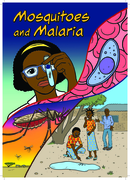
This comic booklet introduces malaria and the mosquitoes that carry it in Africa. Through simple explanations and illustrations, it teaches readers about the habitats of mosquitoes, the species that transmit malaria and how ongoing research may lead to new ways of controlling them in the future. The
...
booklet is designed to help communities better understand malaria and support efforts to combat it.
more

Report of a virtual meeting 21–23 June 2022
