Filter
4198
Text search:
treatment
outcome
Featured
Recommendations
406
New Publications
1061
Language
Document type
No document type
2528
Studies & Reports
617
Guidelines
575
Manuals
211
Strategic & Response Plan
130
Training Material
60
Fact sheets
42
Situation Updates
20
Resource Platforms
9
Brochures
2
Infographics
2
Online Courses
2
Countries / Regions
India
237
Global
152
Kenya
127
Ethiopia
106
South Africa
99
Western and Central Europe
87
Sierra Leone
85
Uganda
80
Nepal
77
Nigeria
74
Liberia
68
Tanzania
65
Africa
62
Ghana
61
Malawi
60
Zambia
58
Bangladesh
57
Myanmar / Burma
57
Namibia
52
Rwanda
50
Latin America and the Carribbean
45
Ukraine
35
Eastern Europe
34
Zimbabwe
33
Indonesia
30
Philippines
28
Syria
28
Congo, Democratic Republic of
26
Russia
26
Lesotho
25
Asia
24
Guinea
22
South Sudan
21
South–East Asia Region
21
Botswana
20
Cambodia
19
Mozambique
16
Brazil
15
Haiti
14
Germany
14
East and Southern Africa
14
Cameroon
12
West and Central Africa
12
Pakistan
11
Eswatini/ Swaziland
11
Eastern Europe and Central Asia
11
Senegal
10
Afghanistan
10
Sudan
10
Colombia
10
Burkina Faso
9
USA
8
Lebanon
8
Middle East and North Africa
8
Tajikistan
8
Thailand
7
Benin
7
Somalia
6
Iraq
6
Jordan
6
Yemen
6
Paraguay
6
Georgia
6
Argentina
5
Albania
5
United Kingdom
5
Turkey
4
China
4
Central African Republic
4
Angola
4
Western Pacific Region
4
Canada
4
Moldova
4
Vietnam
4
North America
4
Saudi Arabia
3
Togo
3
Gambia
3
Burundi
3
Ecuador
3
Madagascar
3
Armenia
3
Southern Africa
3
Laos
3
Iran
3
Portugal
3
Spain
3
Mali
2
Côte d’Ivoire / Ivory Coast
2
Morocco
2
Egypt
2
Chad
2
Singapore
2
Papua New Guinea
2
Peru
2
North Macedonia
2
Mexico
2
Sri Lanka
2
Chile
2
Other region
2
Bhutan
2
Venezuela
2
Palestine
2
Timor Leste/ East Timor
2
Qatar
2
Estonia
2
Kyrgyzstan
2
Kazakhstan
2
Japan
2
France
2
Mauritius
2
Guinea-Bissau
1
Niger
1
Mauritania
1
Ireland
1
Hungary
1
Honduras
1
El Salvador
1
Bolivia
1
Greece
1
Libya
1
Guatemala
1
Nicaragua
1
Fiji
1
Solomon Islands
1
Djibouti
1
Romania
1
Lithuania
1
Jamaica
1
Tunisia
1
Norway
1
Azerbaijan
1
Belarus
1
Latvia
1
Authors & Publishers
Publication Years
Category
Countries
1528
Clinical Guidelines
409
Public Health
239
Women & Child Health
223
Key Resources
213
Capacity Building
78
Pharmacy & Technologies
36
Toolboxes
Mental Health
453
TB
347
HIV
343
COVID-19
188
NTDs
162
Disability
124
Caregiver
111
AMR
110
Ebola & Marburg
104
NCDs
102
Planetary Health
87
Conflict
75
Rapid Response
72
Refugee
63
Pharmacy
58
Global Health Education
55
Malaria
44
2.0 Rapid Response
38
Health Financing Toolbox
32
Cholera
28
Natural Hazards
25
Specific Hazards
23
Zika
20
Social Ethics
15
Polio
14
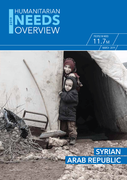
The figures and findings reflected in the 2019 Humanitarian Needs Overview (HNO) represent the independent analysis
of the United Nations (UN) and its humanitarian partners based on information available to them. While the HNO aims
to provide consolidated humanitarian analysis and data to help inf
...


The intention of this handbook on integrated vector management (IVM) is to provide
guidance to the managers of vector-borne disease control programmes, including
comparable officials in health and other sectors involved in vector-borne disease control.
The target audience is managers and official
...

Accessed March 14, 2017
Global cardiovascular disease (CVD) burden is high and rising, especially in low-income and middle-income countries (LMICs). Focussing on 45 LMICs, we aimed to determine (1) the adult population’s median 10-year predicted CVD risk, including its variation within countries by socio-demographic char
...
This manual aims to provide practical guidance to field workers in order to maximise the nutritional impact of food security & livelihoods (FSL) interventions. This requires the systematic use of a ‘nutrition lens’ at each step of the project cycle and a close collaboration between sectors.

The aim of the meeting was to broaden the network’s initiatives. Preliminary work involved integrating laboratory testing for skin NTDs other than Buruli ulcer, such as cutaneous leishmaniasis, mycetoma, leprosy and yaws, while extending the network’s reach to encompass additional laboratories.

This guidance is targeted to primary health care policy-makers and only addresses issues relevant for primary health care providers. It has been prepared on the basis of a systematic review of the best available evidence and emergent country practices in response to the COVID-19 outbreak in the WHO
...
ILEP Technical Guide

Rabies has an enormous impact on both agriculture and conservation biology, but its greatest burden is undeniably on public health. As such, routine methods for rapid risk assessment after human exposures to rabies as well as applications for laboratory-based surveillance, production of biologicals
...

Technical Note
Recently, the approach to hazardous events has undergone a considerable shift, away from reactive activities focused on managing and responding to events and towards a more proactive process of emergency and disaster risk management (DRM). The ultimate goal of this shift in focus is
...

Version 2, January 2016
The primary purpose of this document is to provide 3MDG stakeholders with some essential information on the MNCH core-indicators for 3MDG, which were derived from the 3MDG Logical Framework, Data Dictionary for Health Service Indicators (2014 June, DoPH, MoH), A ... (MEASURE Evaluation, September 2005) and Monitoring Emergency Obstetric Care (WHO/UNICEF/UNFPA/AMDD). Partners are strongly encouraged to integrate the MNCH indicators into their ongoing monitoring and evaluation (M&E) activities.
These indicators are designed to help Partners assess the current state of their activities, their progress towards achieving their targets, and contribution towards the national response. This guideline is designed to improve the quality and consistency of data collected at the township level, which will enhance the accuracy of conclusions drawn when the data are aggregated.
The primary purpose of this document is to provide 3MDG stakeholders with some essential information on the MNCH core-indicators for 3MDG, which were derived from the 3MDG Logical Framework, Data Dictionary for Health Service Indicators (2014 June, DoPH, MoH), A ... (MEASURE Evaluation, September 2005) and Monitoring Emergency Obstetric Care (WHO/UNICEF/UNFPA/AMDD). Partners are strongly encouraged to integrate the MNCH indicators into their ongoing monitoring and evaluation (M&E) activities.
These indicators are designed to help Partners assess the current state of their activities, their progress towards achieving their targets, and contribution towards the national response. This guideline is designed to improve the quality and consistency of data collected at the township level, which will enhance the accuracy of conclusions drawn when the data are aggregated.