
Filter
4882
Filtered Results: 4882
Text search:
HIV/AIDS
care
and
treatment
Featured
Recommendations
390
New Publications
1408
Language
Document type
No document type
3360
Studies & Reports
619
Guidelines
434
Manuals
164
Strategic & Response Plan
121
Training Material
73
Fact sheets
50
Situation Updates
24
Infographics
19
Resource Platforms
11
Brochures
4
Online Courses
2
App
1
Countries / Regions
India
242
Kenya
185
South Africa
149
Global
134
Malawi
120
Uganda
120
Zambia
118
Tanzania
115
Ethiopia
113
Nepal
107
Nigeria
106
Namibia
97
Liberia
88
Sierra Leone
87
Rwanda
76
Western and Central Europe
75
Myanmar / Burma
69
Ghana
68
Africa
67
Lesotho
63
Zimbabwe
59
Bangladesh
58
Ukraine
56
Eastern Europe
43
Cambodia
42
Philippines
41
Indonesia
41
Asia
39
Latin America and the Carribbean
38
Botswana
33
Mozambique
32
Russia
32
Senegal
29
South–East Asia Region
24
Eswatini/ Swaziland
24
Congo, Democratic Republic of
23
Haiti
21
Burkina Faso
20
East and Southern Africa
20
South Sudan
20
Cameroon
14
Guinea
14
Albania
13
Tajikistan
12
Syria
12
Germany
12
Brazil
12
West and Central Africa
11
Pakistan
11
Moldova
10
Georgia
10
Venezuela
9
Vietnam
9
Papua New Guinea
8
North Macedonia
7
Thailand
7
Southern Africa
7
Benin
6
China
6
Middle East and North Africa
6
Eastern Europe and Central Asia
6
Argentina
6
Colombia
5
Armenia
5
Western Pacific Region
5
Central African Republic
5
Madagascar
5
Timor Leste/ East Timor
4
Serbia
4
Laos
4
Afghanistan
4
Paraguay
4
Sri Lanka
4
Sudan
4
Yemen
4
Mali
4
Somalia
4
Iran
3
Estonia
3
Kyrgyzstan
3
Peru
3
USA
3
Angola
3
Mexico
2
Gambia
2
Bulgaria
2
Hungary
2
North America
2
Japan
2
Portugal
2
Lebanon
2
Romania
2
Poland
2
Bhutan
2
Ecuador
2
North Korea
1
Switzerland
1
Kazakhstan
1
Canada
1
Singapore
1
Uzbekistan
1
Burundi
1
Morocco
1
Guinea-Bissau
1
Croatia
1
Jordan
1
Gabon
1
Turkmenistan
1
Jamaica
1
Belgium
1
Norway
1
Spain
1
Azerbaijan
1
Belarus
1
Bosnia and Herzegovina
1
Côte d’Ivoire / Ivory Coast
1
Egypt
1
Slovakia
1
Greece
1
Palestine
1
Iraq
1
Authors & Publishers
Publication Years
Category
Countries
2125
Clinical Guidelines
347
Women & Child Health
254
Public Health
187
Key Resources
142
Capacity Building
124
Pharmacy & Technologies
41
Annual Report MEDBOX
2
Toolboxes
HIV
948
TB
462
Mental Health
231
COVID-19
142
Disability
117
Caregiver
107
AMR
83
Pharmacy
74
Health Financing Toolbox
73
Ebola & Marburg
67
NTDs
66
Refugee
63
Global Health Education
61
Conflict
59
Rapid Response
50
NCDs
44
Malaria
39
Planetary Health
33
Natural Hazards
23
Polio
19
Cholera
14
Social Ethics
9
Zika
6
2.0 Rapid Response
2
Specific Hazards
1
South Sudan
1

This brief update on tuberculosis (TB) in the African region covers the state of TB in the WHO African region, strategic priorities and targets and the impact of COVID-19 on essential services. This is followed by key figures for the region, the role of WHO in country support and, recognizing the im...
Neurological, Psychiatric, and Developmental Disorders: Meeting the Challenge in the Developing World
Institute of Medicine (US) Committee on Nervous System Disorders in Developing Countries.
Washington (DC): National Academies Press (US); 2001.
This training module is meant to strengthen the capacity of CHVs to prevent the Non Communicable Diseases at the community level . The Government of Kenya is committed to supporting community health initiatives and accelerating the achievement of the KHSS&IP goals, Millennium Development G...
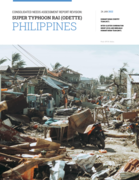
Eight years after Super Typhoon Haiyan, the most destructive storm to ever hit the Philippines, Super Typhoon Rai brought similar torrential rains, violent winds, mudslides, floods and storm surges to central parts of the Philippines, leaving a wide path of destruction and debris in its wake. While ...
The Global Burden of Disease (GBD) study, a collaborative endeavour of the World
Health Organization (WHO), the World Bank and the Harvard School of Public Health,
drew the attention of the international health community to the burden of neurological
disorders and many other chronic conditions. T...
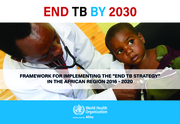
Tuberculosis (TB) control in the African Region has evolved since the disease was declared a global emergency by the World Health Organization (WHO) in 1993. Member States have adopted and implemented successive global and regional strategies and resolutions, with demonstrable positive impacts on in...
Reproductive health needs are particularly acute in countries affected by armed conflict. Reliable information
on aid investment for reproductive health in these countries is essential for improving the efficiency and effectiveness of
aid. The purpose of this study was to analyse official developm...

Saving lives is the priority of WHO’s response in Ukraine. WHO works to ensure time-critical, lifesaving multisectoral assistance, non-discriminatory access to emergency and essential health services and priority prevention programmes, and laying the foundation for longer-term health systems recov...
WHO Model Formulary for Children
recommended
WHO Model Formulary for children based on the Second Model List of Essential Medicines for Children 2009.
In 2007, the World Health Assembly passed a Resolution titled ‘Better Medicines for Children’. This resolution recognized the need for research and development into medicines for children,...
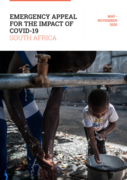
South Africa reported it fist case of COVID-19 on 5 March 2020. While the first cases were imported, local transmission has led to a rapid increase in the number of cases. As of 21 April 2020, more than 3,400 cases and 58 deaths had been confirmed. On 15 March, President Cyril Ramaphosa declared a n...

The development of this draft Proposed programme budget 2022–2023 comes at a unique moment for WHO. The world is in the grip of the coronavirus disease (COVID-19) pandemic and faces health, social and economic consequences on an unprecedented scale. Although it is not known when the COVID-19 pande...
The Country Cooperation Strategy (CCS) is a document to guide WHO’s work in countries. CCS is a medium-term vision for WHO’s technical cooperation with a given Member State, and supports the country's national health policy, strategy or plan. The CCS time frame is flexible to align with national...
This five-day child protection case management training manual was developed to meet the needs of community child protection workers and other social workers working in tandem with the justice, health and law enforcement systems in Malawi.

This policy brief aims to provide a review of the current progress on implementing the Malawi national action plan on AMR, identifies critical gaps, and highlights findings to accelerate further progress in the human health sector. The target audience includes all those concerned with implementing a...
This guide can inform any partner that manages or supports public health supply chains. Ministries of health, technical assistance partners, or non-governmental organization (NGO) operating distribution systems can all benefit from conducting a costing exercise and can use the material presented in ...
Nutrition Cluster Handbook
recommended
The purpose of the handbook is to provide those involved in nutrition coordination with relevant tools, guidance, information and resources to support their roles in facilitating predictable, coordinated and effective preparation for, and responses to, nutrition needs in humanitarian emergencies. Ra...

This document adopts a health determinants framework for examining the evidence related to women’s poor mental health. From this perspective, public policy including economic policy, socio-cultural and environmental factors, community and social support, stressors and life events, personal behavio...
Brief review of selected topics
The following pages provide a focus on selected areas in relation to neurology. The specialists who contributed the reviews are listed in the Project Team and Partners
Neurology Atlas (2004)
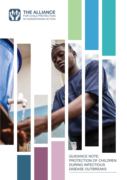
Accessed on 31.03.2020
This Guidance Note aims to provide humanitarian child protection practitioners, particularly child protection advisors and program managers, with guidance on how to engage in responses to infectious disease outbreaks to ensure children’s protection needs are taken into ac...
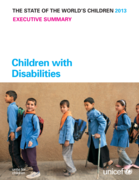
The State of the World’s Children 2013: Children with Disabilities examines the barriers – from inaccessible buildings to dismissive attitudes, from invisibility in official statistics to vicious discrimination – that deprive children with disabilities of their rights and keep them from partic...
