Filter
1159
Text search:
dengue
Featured
109
384
Language
Document type
526
205
166
64
58
35
29
29
22
14
5
3
1
1
Countries
88
47
43
43
26
24
21
18
16
16
16
13
12
11
11
11
11
10
9
9
9
8
8
8
8
7
7
7
6
6
6
6
6
6
5
5
4
4
4
4
4
4
4
4
4
3
3
3
3
3
3
2
2
2
2
2
2
2
2
2
2
2
2
2
2
2
1
1
1
1
1
1
1
1
1
1
1
1
1
1
1
1
1
1
1
1
1
1
1
1
1
1
Authors & Publishers
Publication Years
Category
371
103
75
72
38
22
9
Toolboxes
179
172
95
87
49
48
43
37
33
30
17
13
10
9
9
8
6
5
5
5
4
4
3
1

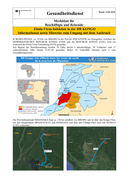
Merkblatt für Beschäftigte und Reisende
Advances have been made through expanded interventions delivered through five public health approaches: innovative and intensified disease management; preventive chemotherapy; vector ecology and management; veterinary public health services; and the provision of safe water, sanitation and hygiene. I
...
Article published in: Journal of Intensive Care (2015) 3:16

No publication year indicated
The specific objectives of the plan are to:
- Scale up evidence-based, cost effective interventions through effective strategies within a HSS approach and provide equitable coverage with quality.
- Reduce neonatal mortality by improved home-based newborn ...
The specific objectives of the plan are to:
- Scale up evidence-based, cost effective interventions through effective strategies within a HSS approach and provide equitable coverage with quality.
- Reduce neonatal mortality by improved home-based newborn ...
Indonesia's Health Profile 2012
Policy Guidance Brief 2
• The potential health risks from climate change include: increase of waterborne and vector-borne diseases, heat-related illnesses, injuries and deaths, food insecurity and increased malnutrition. The poor, women, children and the elderly, as well as communities living ...
• The potential health risks from climate change include: increase of waterborne and vector-borne diseases, heat-related illnesses, injuries and deaths, food insecurity and increased malnutrition. The poor, women, children and the elderly, as well as communities living ...

Gac Méd Caracas 2018;126(1):52-78
Responsibilidad Social Institucional (RSI)
Climate risks have significant effects on public health including: injury, death, communicable diseases such as vector-borne and water-borne diseases, and non-communicable impacts such as malnutrition, heat stress and health effects of air pollution.
Accessed: 11.03.2019
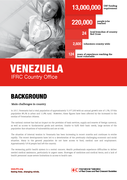
Lancet Infect Dis. 2019 Feb 21. pii: S1473-3099(18)30757-6. doi: 10.1016/S1473-3099(18)30757-6
This article is available free of charge.
Simply log in to access the full article, or register for free
Climate change is the single biggest health threat facing humanity, and health professionals worldwide are already responding to the health harms caused by this unfolding crisis.
The Intergovernmental Panel on Climate Change (IPCC) has concluded that to avert catastrophic health impacts and prevent
...