
Filter
547
Text search:
Therapie
Featured
72
66
Language
Document type
147
110
105
50
24
23
22
19
19
9
8
8
2
1
Countries
131
73
14
13
12
9
4
4
4
4
3
3
3
3
3
2
2
2
2
2
2
2
2
2
2
2
1
1
1
1
1
1
1
1
1
1
1
1
1
1
1
1
1
1
1
Authors & Publishers
Publication Years
Category
89
81
27
20
7
4
3
Toolboxes
119
91
85
71
55
31
22
17
13
10
6
5
5
5
5
4
2
2
1
1
1

Global Health Governance beschreibt die Handlungen staatlicher und nicht-staatlicher Akteure im globalen Mehrebenensystem. Inhaltlich konzentriert sich GHG auf die Bekämpfung armutsbedingter (Infektions-)Krankheiten. Die internationale Gesundheitspolitik wird stark von der Weltbank und der Weltges
...
Auslandaufenthalte Ausgabe 2, Juli 2019.
Ob aus humanitären, aus entwicklungspolitischen und volkswirtschaftlichen Gründen oder auch aus Gründen des Eigeninteresses – die Ausbreitung von Krankheiten einzudämmen, ist notwendig. Wir haben als Staatengemeinschaft dafür eine gemeinsame Verantwor
...
Für behinderte Menschen und ihre Familien ist es nicht immer leicht, sich im Dickicht der Sozialleistungen zu Recht zu finden. Kommen sprachliche Probleme hinzu, entstehen weitere Barrieren. Die Broschüre „Mein Kind ist behindert – diese Hilfen gibt es“ vermittelt einen ersten Überblick üb
...
Ein Informationsblatt des Projekts Refugee Trauma Refugee Help konzentriert sich vor allem auf das Thema Selbstfürsorge. Menschen, die traumatisierten Geflüchteten beistehen und stark mit deren traumatischen Erlebnissen konfrontiert werden, können unter Umständen selbst eine sogenannte "sekundä
...
Eine einfache, kompakte Anleitung für Nicht-Intensivmediziner/innen
Accessed: 27.03.2020
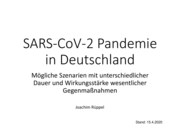
Version 15.4.2020
Mögliche Szenarien mit unterschiedlicher Daür und Wirkungsstärke wesentlicher Gegenmaßnahmen
Dieser Leitfaden zum Management von COVID-19 Ausbruechen richtet sich in erster Linie an die Fachöffentlichkeit im Gesundheitswesen, insbesondere den ÖGD auf allen Ebenen. Er verweist auf viele bereits existierende generische sowie für COVID-19 entwickelten Dokumente. Diese Empfehlungen sind alle
...

Dieser Leitfaden soll ambulant tätige Ärztinnen und Ärzten in der für diese Klärung erforderlichen qualifizierten Gesprächsführung sowie in derkorrespondierenden, krisentauglichen Dokumentation unterstützen. Dazu werden nach einer Vorbemerkung (II.) Hinweise zur Therapiezielklärung (III.),
...
Übungen für traumatisierte Flüchtlinge
Lesbische, schwule, bisexuelle, trans- und intergeschlecht-liche (LSBTI*) Personen erfahren in besonders hohem Maße Gewalt. Bei LSBTI*-Geflüchteten trifft dies nicht nur auf die Erfahrungen im jeweiligen Herkunftsland und auf dem Fluchtweg zu, sondern auch auf die Zeit nach ih-rer An
...
AWMF Leitlinie, 12.7.2021
Die aktuellen Leitlinien stellen detailliert und umfassend die gesamte wissen-
schaftliche Basis und die daraus abgeleiteten Therapieempfehlungen in elf Einzel-
kapiteln dar. Darunter befinden sich auch allgemeingültige Empfehlungen wie
zum Beispiel zur Ausbildung und zu ethischen Fragestellunge
...
Eine Leitlinie “Long-/Post-COVID-Syndrom" für Betroffene, Angehörige, nahestehende und
pflegende Personen, die sich auf eine ärztliche Leitlinie stützt („S1-Leitlinie Long-/Post-COVID“
der AWMF; Registernummer 020 - 027)
Erste Ausgabe September 2021
Wenn geflüchtete Menschen aus Kriegs- oder Krisengebieten, wie der Ukraine, nach Deutschland kommen, sollten ihnen frühzeitig alle Impfungen angeboten werden, die die Ständige Impfkommission (STIKO) für die in Deutschland lebende Bevölkerung empfiehlt. Ein aktueller Impfschutz ist entscheidend,
...
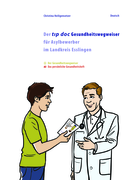
Teil 1: Einfache Darstellung der Organisation des Gesundheitssystems für Asylbewerber im Landkreis Esslingen mit vielen Bildern.
Teil 2: Das bewährte Gesundheitsheft für Asylbewerber mit Patientenfragebogen, Therapieplan, Kurzarztbriefe, Terminkalender.
Kostenloser Download in Deutsch, Arabis
...
Die Initiative Medikamente gegen vernachlässigte Krankheiten (Drugs for Neglected Diseases initiative, DNDi) ist eine internationale gemeinnützige Organisation, die sichere, wirksame und bezahlbare Behandlungen für die am meisten vernachlässigten Patient:innen erforscht, entwickelt und bereitste
...
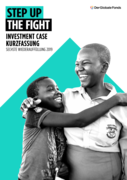
Wir haben die Chance, die Welt von diesen drei Krankheiten zu befreien – Krankheiten, die zum Tod
von Millionen von Menschen und zur Auflösung von Gemeinschaften auf allen Kontinenten geführt haben.
Wir haben die Chance, einen wichtigen Schritt nach vorn zu gehen – einen Schritt in Richtung
...
Сначала кажется классным – напиться с друзьями, принять наркотики. Все говорят, что это безопасно, что ты держишь все под контролем и в любой момент можешь останови
...
• provide scientific information on the safety, efficacy, and quality control/ quality assurance of widely used medicinal plants, in order to facilitate their appropriate use in Member States;
• provide models to assist Member States in developing their own mono- graphs or formularies for these
...
