
Filter
1179
Text search:
obesity
Featured
91
300
Language
Document type
527
315
156
45
38
34
23
16
10
5
5
1
1
1
Countries
92
87
43
40
30
26
21
20
18
17
16
15
14
14
13
12
11
11
11
10
9
9
9
8
8
8
8
7
7
7
6
6
6
6
5
5
5
5
5
5
5
4
4
4
4
4
4
3
3
3
3
3
3
3
3
3
2
2
2
2
2
2
2
1
1
1
1
1
1
1
1
1
1
1
1
1
1
1
1
1
1
1
1
1
1
1
1
1
1
1
1
1
1
1
1
1
1
1
Authors & Publishers
Publication Years
Category
517
166
91
90
32
26
4
Toolboxes
168
109
97
91
47
32
18
16
13
12
8
7
7
6
5
5
5
4
3
2
1
1

The alarming rise in the worldwide prevalence of obesity and associated type 2 diabetes mellitus (T2DM) have reached epidemic portions. Diabetes in its many forms and T2DM have different physiological backgrounds and are difficult to classify. Baria
...
To implement the set of recommendations on the marketing of foods and non-alcoholic beverages to children
With the growing obesity crisis among children, WHO and other public health advocates and consumer groups have called for restrictions on ...
With the growing obesity crisis among children, WHO and other public health advocates and consumer groups have called for restrictions on ...

Today there is a new nutrition reality. It is a reality where undernutrition (such as micronutrient deficiencies, stunting and wasting) , overweight, obesity and diet-related noncommunicable diseases (NCDs) like diabetes and cancer now coexist in th
...
The materials focus on promoting healthy eating habits and reducing risk factors for non-communicable diseases such as obesity, diabetes, and heart disease. They emphasize actions to limit sugar, salt, and fat intake, including policy recommendation
...

Poor diets are the major cause of death and disease globally, driving high levels of obesity and noncommunicable diseases. Cheap, heavily marketed, ultra-processed, energy-dense and nutrient-poor food and drinks that are high in fat, sugar and salt
...
Hypertension, or high blood pressure, is a condition which generally has no symptoms and if left untreated, can lead to heart attacks, heart failure, stroke, kidney failure and blindness. Risk factors include older age, overweight or obesity, lack o
...
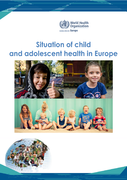
The report focuses on several key areas where health outcomes are falling short, and provides insight into ways in which countries can improve the situation for their children and adolescents. Areas in focus include mental health, overweight/obesity
...
A workshop of “first mover” countries to exchange experience and identify wider policy implications for the WHO European Region
The World Health Organization (WHO) European Region continues to be severely affected by diet-related noncommunicable diseases (NCDs),
...
A discussion paper outlining the first steps in developing a nutrient profile model to drive changes to product composition and labelling and promotion practices in the WHO European Region
The aims of the guidance are to protect breastfeeding, prevent obe
...
This report on progress achieved in the WHO European Region and Member States in implementing the European food and nutrition action plan 2015–2020 presents selected epidemiological data on the nutritional status of populations throughout the Region and on implementation of policies recommended in
...
Regular physical activity is proven to help prevent and treat noncommunicable diseases (NCDs) such as heart disease, stroke, diabetes and breast and colon cancer. It also helps to prevent hypertension, overweight and obesity and can improve mental h
...
Development of cardiovascular disease (CVD) is influenced by risk factors such as:
tobacco use, an unhealthy diet, physical inactivity, obesity (which can result from
a combination of unhealthy diet, physical inactivity, and other factors), elevat
...
The burden of diabetes is high and increasing globally, and in developing economies like India, mainly fueled by the increasing prevalence of overweight/obesity and unhealthy lifestyles. The estimates in 2019 showed that 77 million individuals had d
...

Type 2 diabetes mellitus (T2DM) is a chronic condition characterized by insulin resistance and an inability to properly regulate blood sugar levels. The two most important risk factors for T2DM are a family history of diabetes and obesity, though ag
...
Non-communicable diseases (NCDs) account for 72% of all deaths globally and this proportion is growing. Greatest increases in NCD mortality are seen in low-income and middle-income countries (LMICs). Places that only a generation ago knew famine are
today experiencing epidemics of
...

Severe and difficult asthma in a low- and middle-income country (LMIC) can relate to lack of availability of basic medications; potentially reversible factors such as poor adherence or comorbidities such as obesity inhibiting a good response to trea
...
Building on the successes and learnings of the 2012 Nutrition Policy, the new Nutrition Policy of the World Food Programme (WFP) reaffirms the organization’s commitment to addressing malnutrition as a primary channel to reach Zero Hunger. The new policy aims to contribute to the elimination of all
...

Mental disorders impose an enormous burden on society, accounting for almost one in three years lived with disability globally. •In addition to their health impact, mental disorders cause a significant economic burden due to lost economic output and the link between mental disorders and costly, po
...
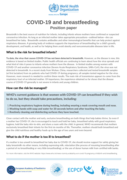
Accessed: 01.05.2020
Breastmilk is the best source of nutrition for infants, including infants whose mothers have confirmed or suspected coronavirus infection. As long as an infected mother takes appropriate precautions—outlined below—she can breastfeed her baby. Breastmilk contains antibodie
...
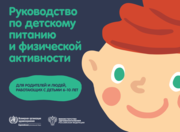
To help parents keep their children healthy and fit, WHO has developed the Child Nutrition and Physical Activity Guide. In addition to parents, the guide may prove to be a useful tool for other adults (such as grandparents or caregivers) working with primary school-aged children.
The Child Nutrit
...
