
Filter
249
Text search:
human
papillomavirus
Featured
33
64
Language
Document type
102
55
42
20
12
6
6
2
2
1
1
Countries
14
10
8
6
6
6
5
4
3
3
3
3
3
3
3
2
2
2
2
2
2
2
2
2
1
1
1
1
1
1
1
1
1
1
1
1
1
1
1
1
1
1
1
1
1
1
Authors & Publishers
Publication Years
Category
75
54
39
16
5
4
3
Toolboxes
36
23
11
8
8
7
7
6
6
5
4
2
2
2
1
1
1
1
1
1
1

Pan African Medical Journal 2017;27:215. doi: 10.11604/pamj.2017.27.215.12994
22 February 2022
The single-visit approach to cervical cancer prevention (also referred to as the “See-and-Treat” approach) currently involves visual inspection of the cervix with acetic acid wash and treatment of precancerous lesions with cryotherapy. These cue cards are meant to be used with Pathfinder Intern
...
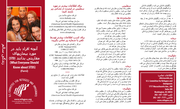
This material is also available in several other languages on: http://www.refugees.org/resources/for-refugees--immigrants/health/healthy-living-toolkit/english.html
Accessed 25th November 2015
Vaccine Management in Indonesia
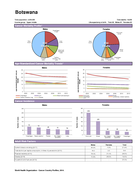
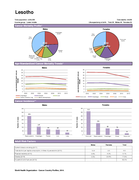
World Health Organization - Cancer Country Profiles, 2014.
This module introduces the “Vaccinator’s Manual”, a guideline for vaccinators. The aim of the manual is to update EPI guidelines to include all the changes since the third edition of the Vaccinators Manual (2008)
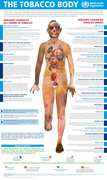
This Poster is available in English, French, Spanish, Russian, Chinese, Portuguese, Hausa and Arabic
Global HIV Strategic Information Working Group
For Populations At Risk For HIV
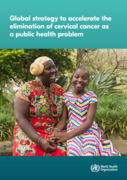
WHO‘s Global Strategy to Accelerate the Elimination of Cervical Cancer, launched today, outlines three key steps: vaccination, screening and treatment. Successful implementation of all three could reduce more than 40% of new cases of the disease and 5 million related deaths by 2050.
Guidelines for the Prevention and Treatment of Opportunistic Infections in Children With and Exposed to HIV
recommended
Full Guidelines

Core Guidance. Differentiated service delivery is highlighted as a key approach for HIV programmes to enhance implementation quality and efficiency.
WHO clinical guidelines.
For the first time, WHO has published guidelines to help (primarily) front-line healthcare providers give high-quality, compassionate, and respectful care to children and adolescents (up to age 18) who have or may have experienced sexual abuse, including sexual assault or r
...
Manual for Trainers and Programme Managers
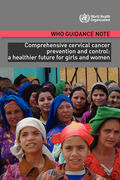
This WHO Guidance Note advocates for a comprehensive approach to cervical cancer prevention and control and is aimed at senior policy makers and programme managers. It describes the need to deliver effective interventions across the female life course from childhood through to adulthood. These inclu
...
Semi-annual Update
