
Filter
3832
Text search:
environmental
change
Featured
372
932
Language
3708
116
96
56
51
35
27
17
7
5
5
4
4
4
4
4
3
3
3
3
3
2
2
2
2
2
2
2
2
2
2
2
2
2
2
2
2
2
1
1
1
1
1
1
1
1
1
1
1
1
1
1
1
1
1
1
1
1
Document type
1798
888
490
261
203
75
61
19
15
10
5
4
1
1
1
Countries
247
141
102
83
75
74
69
67
66
64
64
59
59
58
51
51
49
48
45
41
29
29
28
26
25
25
24
24
21
21
21
21
20
19
18
17
16
16
16
15
14
14
13
13
13
12
12
12
12
10
10
9
9
9
9
9
9
8
8
8
7
7
6
5
5
4
4
4
3
3
3
3
3
3
3
3
3
3
3
3
3
3
3
3
2
2
2
2
2
2
2
2
2
2
2
2
2
2
2
2
2
2
2
1
1
1
1
1
1
1
1
1
1
1
1
1
1
1
1
1
1
1
1
1
1
1
1
1
1
1
1
1
Authors & Publishers
516
124
113
112
108
71
56
50
44
40
34
27
24
16
16
16
15
15
14
14
13
13
12
12
12
12
12
12
11
11
11
11
11
11
11
11
11
11
11
10
10
10
9
9
9
9
8
8
8
8
8
8
8
8
8
8
8
8
8
7
7
7
7
7
7
7
7
7
7
7
7
7
7
7
7
6
6
6
6
6
6
6
6
6
6
6
6
6
5
5
5
5
5
5
5
5
5
5
5
5
5
5
5
5
5
5
5
5
4
4
4
4
4
4
4
4
4
4
4
4
4
4
4
4
4
4
4
4
4
4
4
4
4
4
4
4
4
4
4
4
4
4
4
4
4
4
4
4
4
4
4
4
3
3
3
3
3
3
3
3
3
3
3
3
3
3
3
3
3
3
3
3
3
3
3
3
3
3
3
3
3
3
3
3
3
3
3
3
3
3
3
3
3
3
3
3
3
3
3
3
3
3
3
3
3
3
3
3
3
3
3
3
3
3
3
3
3
3
3
3
3
3
3
3
3
3
3
2
2
2
2
2
2
2
2
2
2
2
2
2
2
2
2
2
2
2
2
2
2
2
2
2
2
2
2
2
2
2
2
2
2
2
2
2
2
2
2
2
2
2
2
2
2
2
2
2
2
2
2
2
2
2
2
2
2
2
2
2
2
2
2
2
2
2
2
2
2
2
2
2
2
2
2
2
2
2
2
2
2
2
2
2
2
2
2
2
2
2
2
2
2
2
2
2
2
2
2
2
2
2
2
2
2
2
2
2
2
2
2
2
2
2
2
2
2
2
2
2
2
2
2
2
2
2
2
2
2
2
2
2
2
2
2
2
2
2
2
2
2
2
2
2
2
2
2
2
2
2
2
2
2
2
2
2
2
2
2
2
2
2
2
2
2
2
2
2
2
2
2
2
2
2
2
2
2
2
2
2
2
2
2
2
2
2
2
2
2
2
2
2
2
2
2
2
2
2
2
2
2
2
2
2
2
2
2
2
2
2
2
2
2
2
2
2
2
2
2
2
2
2
2
2
2
2
1
1
1
1
1
1
1
1
1
1
1
1
1
1
1
1
1
1
1
1
1
1
1
1
1
1
1
1
1
1
1
1
1
1
1
1
1
1
1
1
1
1
1
1
1
1
1
1
1
1
1
1
1
1
1
1
1
1
1
1
1
1
1
1
1
1
1
1
1
1
1
1
1
1
1
1
1
1
1
1
1
1
1
1
1
1
1
1
1
1
1
1
1
1
1
1
1
1
1
1
1
1
1
1
1
1
1
1
1
1
1
1
1
1
1
1
1
1
1
1
1
1
1
1
1
1
1
1
1
1
1
1
1
1
1
1
1
1
1
1
1
1
1
1
1
1
1
1
1
1
1
1
1
1
1
1
1
1
1
1
1
1
1
1
1
1
1
1
1
1
1
1
1
1
1
1
1
1
1
1
1
1
1
1
1
1
1
1
1
1
1
1
1
1
1
1
1
1
1
1
1
1
1
1
1
1
1
1
1
1
1
1
1
1
1
1
1
1
1
1
1
1
1
1
1
1
1
1
1
1
1
1
1
1
1
1
1
1
1
1
1
1
1
1
1
1
1
1
1
1
1
1
1
1
1
1
1
1
1
1
1
1
1
1
1
1
1
1
1
1
1
1
1
1
1
1
1
1
1
1
1
1
1
1
1
1
1
1
1
1
1
1
1
1
1
1
1
1
1
1
1
1
1
1
1
1
1
1
1
1
1
1
1
1
1
1
1
1
1
1
1
1
1
1
1
1
1
1
1
1
1
1
1
1
1
1
1
1
1
1
1
1
1
1
1
1
1
1
1
1
1
1
1
1
1
1
1
1
1
1
1
1
1
1
1
1
1
1
1
1
1
1
1
1
1
1
1
1
1
1
1
1
1
1
1
1
1
1
1
1
1
1
1
1
1
1
1
1
1
1
1
1
1
1
1
1
1
1
1
1
1
1
1
1
1
1
1
1
1
1
1
1
1
1
1
1
1
1
1
1
1
1
1
1
1
1
1
1
1
1
1
1
1
1
1
1
1
1
1
1
1
1
1
1
1
1
1
1
1
1
1
1
1
1
1
1
1
1
1
1
1
1
1
1
1
1
1
1
1
1
1
1
1
1
1
1
1
1
1
1
1
1
1
1
1
1
1
1
1
1
1
1
1
1
1
1
1
1
1
1
1
1
1
1
1
1
1
1
1
1
1
1
1
1
1
1
1
1
1
1
1
1
1
1
1
1
1
1
1
1
1
1
1
1
1
1
1
1
1
1
1
1
1
1
1
1
1
1
1
1
1
1
1
1
1
1
1
1
1
1
1
1
1
1
1
1
1
1
1
1
1
1
1
1
1
1
1
1
1
1
1
1
1
1
1
1
1
1
1
1
1
1
1
1
1
1
1
1
1
1
1
1
1
1
1
1
1
1
1
1
1
1
1
1
1
1
1
1
1
1
1
1
1
1
1
1
1
1
1
1
1
1
1
1
1
1
1
1
1
1
1
1
1
1
1
1
1
1
1
1
1
1
1
1
1
1
1
1
1
1
1
1
1
1
1
1
1
1
1
1
1
1
1
1
1
1
1
1
1
1
1
1
1
1
1
1
1
1
1
1
1
1
1
1
1
1
1
1
1
1
1
1
1
1
1
1
1
1
1
1
1
1
1
1
1
1
1
1
1
1
1
1
1
1
1
1
1
1
1
1
1
1
1
1
1
1
1
1
1
1
1
1
1
1
1
1
1
1
1
1
1
1
1
1
1
1
1
1
1
1
1
1
1
1
1
1
1
1
1
1
1
1
1
1
1
1
1
1
1
1
1
1
1
1
1
1
1
1
1
1
1
1
1
1
1
1
1
1
1
1
1
1
1
1
1
1
1
1
1
1
1
1
1
1
1
1
1
1
1
1
1
1
1
1
1
1
1
1
1
1
1
1
1
1
1
1
1
1
1
1
1
1
1
1
1
1
1
1
1
1
1
1
1
1
1
1
1
1
1
1
1
1
1
1
1
1
1
1
1
1
1
1
1
1
1
1
1
1
1
1
1
1
1
1
1
1
1
1
1
1
1
1
1
1
1
1
1
1
1
1
1
1
1
1
1
1
1
1
1
1
1
1
1
1
1
1
1
1
1
1
1
1
1
1
1
1
1
1
1
1
1
1
1
1
1
1
1
1
1
1
1
1
1
1
1
1
1
1
1
1
1
1
1
1
1
1
1
1
1
1
1
1
1
1
1
1
1
1
1
1
1
1
1
1
1
1
1
1
1
1
1
1
1
1
1
1
1
1
1
1
1
1
1
1
1
1
1
1
1
1
1
1
1
1
1
1
1
1
1
1
1
1
1
1
1
1
1
1
1
1
1
1
1
1
1
1
1
1
1
1
1
1
1
1
1
1
1
1
1
1
1
1
1
1
1
1
1
1
1
1
1
1
1
1
1
1
1
1
1
1
1
1
1
1
1
1
1
1
1
1
1
1
1
1
1
1
1
1
1
1
1
1
1
1
1
1
1
1
1
1
1
1
1
1
1
1
1
1
1
1
1
1
1
1
1
1
1
1
1
1
1
1
1
1
1
1
1
1
1
1
1
1
1
1
1
1
1
1
1
1
1
1
1
1
1
1
1
1
1
1
1
1
1
1
1
1
1
1
1
1
1
1
1
1
1
1
1
1
1
1
1
1
1
1
1
1
1
1
1
1
1
1
1
1
1
1
1
1
1
1
1
1
1
1
1
1
1
1
1
1
1
1
1
1
1
1
1
1
1
1
1
1
1
1
1
1
1
1
1
1
1
1
1
1
1
1
1
1
1
1
1
1
1
1
1
1
1
1
1
1
1
1
1
1
1
1
1
1
1
1
1
1
1
1
1
1
1
1
1
1
1
1
1
1
1
1
1
1
1
1
1
1
1
1
1
1
1
1
1
1
1
1
1
1
1
1
1
1
1
1
1
1
1
1
1
1
1
1
1
1
1
1
1
1
1
1
1
1
1
1
1
1
1
1
1
1
1
1
1
1
1
1
1
1
1
1
1
1
1
1
1
1
1
1
1
1
1
1
1
1
1
1
1
1
1
1
1
1
1
1
1
1
1
1
1
1
1
1
1
1
1
1
1
1
1
1
1
1
1
1
1
1
1
1
1
1
1
1
1
1
1
1
1
1
1
1
1
1
1
1
1
1
1
1
1
1
1
1
1
1
1
1
1
1
1
1
1
1
1
1
1
1
1
1
1
1
1
1
1
1
1
1
1
1
1
1
1
1
1
1
1
1
1
1
1
1
1
1
1
1
1
1
1
1
1
1
1
1
1
1
1
1
1
1
1
1
1
1
1
1
1
1
1
1
1
1
1
1
1
1
1
1
1
1
1
1
1
1
1
1
1
1
1
1
1
1
1
1
1
1
1
1
1
1
1
1
1
1
1
1
1
1
1
1
1
1
1
1
1
1
1
1
1
1
1
1
1
1
1
1
1
1
1
1
1
1
1
1
1
1
1
1
1
1
1
1
1
1
1
1
1
1
1
1
1
1
1
1
1
1
1
1
1
1
1
1
1
1
1
1
1
1
1
1
1
1
1
1
1
1
1
1
1
1
1
1
1
1
1
1
1
1
1
1
1
1
1
1
1
1
1
1
1
1
1
1
1
1
1
1
1
1
1
1
1
1
1
1
1
1
1
1
1
1
1
1
1
1
1
1
1
1
1
1
1
1
1
1
1
1
1
1
1
1
1
1
1
1
1
1
1
1
1
1
1
1
1
1
1
1
1
1
1
1
1
1
1
1
1
1
1
1
1
1
1
1
1
1
1
1
1
1
1
1
1
1
1
1
1
1
1
1
1
1
1
1
1
1
1
1
1
1
1
1
1
1
1
1
1
1
1
1
1
1
1
1
1
1
1
1
1
1
1
1
1
1
1
1
1
1
1
1
1
1
1
1
1
1
1
1
1
1
1
1
1
1
1
1
1
1
1
1
1
1
1
1
1
1
1
1
1
1
1
1
1
1
1
1
1
1
1
1
1
1
1
1
1
1
1
1
1
1
1
1
1
1
1
1
1
1
1
1
1
1
1
1
1
1
1
1
1
1
1
1
1
1
1
1
1
1
1
1
1
1
1
1
1
1
1
1
1
1
1
1
1
1
1
1
1
1
1
1
1
1
1
1
1
1
1
1
1
1
1
1
1
1
1
1
1
1
1
1
1
1
1
1
1
1
1
1
1
1
1
1
1
1
1
1
1
1
1
1
1
1
1
1
1
1
1
1
1
1
1
1
1
1
1
1
1
1
1
1
1
1
1
1
1
1
1
1
1
1
1
1
1
1
1
1
1
1
1
1
1
1
1
1
1
1
1
1
1
1
1
1
1
1
1
1
1
1
1
1
1
1
1
1
1
1
1
1
1
1
1
1
1
1
1
1
1
1
1
1
1
1
1
1
1
1
1
1
1
1
1
1
1
1
1
1
1
1
1
1
1
1
1
1
1
1
1
1
1
1
1
1
1
1
1
1
1
1
1
1
1
1
1
1
1
1
1
1
1
1
1
1
1
1
1
1
1
1
1
1
1
1
1
1
1
1
1
1
1
1
1
1
1
1
1
1
1
1
1
1
1
1
1
1
1
1
1
1
1
1
1
1
1
1
1
1
1
1
1
1
1
1
1
1
1
1
1
1
1
1
1
1
1
1
1
1
1
1
1
1
1
1
1
1
1
1
1
1
1
1
1
1
1
1
1
1
1
1
1
1
1
1
1
1
1
1
1
1
1
1
1
1
1
1
1
1
1
1
1
1
1
1
1
1
1
1
1
1
1
1
1
1
1
1
1
1
1
1
1
1
1
1
1
1
1
1
1
1
1
1
1
1
1
1
1
1
1
1
1
1
1
1
1
1
1
1
1
1
1
1
1
1
1
1
1
1
1
1
1
1
1
1
1
1
1
1
1
1
1
1
1
1
1
1
1
1
1
1
1
1
1
1
1
1
1
1
1
1
1
1
1
1
1
1
1
1
1
1
1
1
1
1
1
1
1
1
1
1
1
1
1
1
1
1
1
1
1
1
1
1
1
1
1
1
1
1
1
1
1
1
1
1
1
1
1
1
1
1
1
1
1
1
1
1
1
1
1
1
1
1
1
1
1
1
1
1
1
1
1
1
1
1
1
1
1
1
1
1
1
1
1
1
1
1
1
1
1
1
1
1
1
1
1
1
1
1
1
1
1
1
1
1
1
1
1
1
1
1
1
1
1
1
1
1
1
1
1
1
1
1
1
1
1
1
1
1
1
1
1
1
1
1
1
1
1
1
1
1
1
1
1
1
1
1
1
1
1
1
1
1
1
1
1
1
1
1
1
1
1
1
1
1
1
1
1
1
1
1
1
1
1
1
1
1
1
1
1
1
1
1
1
1
1
1
1
1
1
1
1
1
1
1
1
1
1
1
1
1
1
1
1
1
1
1
1
1
1
1
1
1
1
1
1
1
1
1
1
1
1
1
1
1
1
1
1
1
1
1
1
1
1
1
1
1
1
1
1
1
1
1
1
1
1
1
1
1
1
1
1
1
1
1
1
1
1
1
1
1
1
1
1
1
1
1
1
1
1
1
1
1
1
1
1
1
1
1
1
1
1
1
1
1
1
1
1
1
1
1
1
1
1
1
1
1
1
1
1
1
1
1
1
1
1
1
1
1
1
1
1
1
1
1
1
1
1
1
1
1
1
1
1
1
1
1
1
1
1
1
1
1
1
1
1
1
1
1
1
1
1
1
1
1
1
1
1
1
1
1
1
1
1
1
1
1
1
1
1
1
1
1
1
1
1
1
1
1
1
1
1
1
1
1
1
1
1
1
1
1
1
1
1
1
1
1
1
1
1
1
1
1
1
1
1
1
1
1
1
1
1
1
1
1
1
1
1
1
1
1
1
1
1
1
1
1
1
1
1
1
1
1
1
1
1
1
1
1
1
1
1
1
1
1
1
1
1
1
1
1
1
1
1
1
1
1
1
1
1
1
1
1
1
1
1
1
1
1
1
1
1
1
1
1
1
1
1
1
1
1
1
1
1
1
1
1
1
1
1
1
1
1
1
1
1
1
1
1
1
1
1
1
1
1
1
1
1
1
1
1
1
1
1
1
1
1
1
1
1
1
1
1
1
1
1
1
1
1
1
1
1
1
1
1
1
1
1
1
1
1
1
1
1
1
1
1
1
1
1
1
1
1
1
1
1
1
1
1
1
1
1
1
1
1
1
1
1
1
1
1
1
1
1
1
1
1
1
1
1
1
1
1
1
1
1
1
1
1
1
1
1
1
1
1
1
1
1
1
1
1
1
1
1
1
1
1
1
1
1
1
1
1
1
1
1
1
1
1
1
1
1
1
1
1
1
1
1
1
1
1
1
Publication Years
1
1276
2200
336
16
3
Category
1280
389
276
176
143
66
34
1
Toolboxes
473
281
236
225
145
138
128
120
112
95
93
92
90
69
67
61
49
48
44
44
42
41
32
30
25
2
2
Lancet Public Health 2022 Published Online October 25, 2022 https://doi.org/10.1016/S2468-2667(22)00197-9
Executive summary
In the past few decades, major public health advances have happened in Europe, with drastic decreases in premature mortality and a life expectancy increase of almost 9 years
...
since 1980. European countries have some of the best health-care systems in the world. However,Europe is challenged with unprecedented and overlapping crises that are detrimental to human health and livelihoods and threaten adaptive capacity, including the
COVID-19 pandemic, the Russian invasion of Ukraine, the fastest-growing migrant crisis since World War 2, population displacement, environmental degradation, and deepening inequalities. Compared with pre-industrial times, the mean average European surface air temperature increase has been almost 1°C higher than the average global temperature increase, and 2022 was the hottest European summer on record.
more

Current evidence that the climate is changing is overwhelming. Impacts of climate change and variability are being observed: more intense heat-waves, fires and floods; and increased prevalence of food- water- and vector-borne diseases. Climate
...
change will put pressure on environmental and health determinants, such as food safety, air pollution and water quantity and quality. A climate-resilient future depends fundamentally on reducing greenhouse gas emissions. Limiting warming to below 2 °C requires transformational technological, institutional, political and behavioural changes: the foundations for this are laid out in the Paris Agreement of December 2015. The health sector can lead by example, shifting to environmentally friendly practices and minimizing its carbon emissions. A climate-resilient future will increasingly depend on managing and reducing climate change risks to protect health. In the near term, this can be enhanced by including climate change in national health programming and creating climate-resilient health systems.
more

Biodiversity and Health in the Face of Climate Change pp 47–66
This chapter reviews the emerging importance of pollen allergies in relation to ongoing climate change. Allergic diseases have been
...
increasing in prevalence over the last decades, partly as the result of the impact of climate change. Increased sensitisation rates and more severe symptoms have been the partial outcome of: increased pollen production of wind-pollinated plants resulting in long-term increased abundance of pollen in the air we breathe; earlier shifts of airborne pollen seasons making occurrence of allergic symptoms harder to predict and deal with efficiently; increased allergenicity of pollen causing more severe health effects in allergic individuals; introduction of new, invasive allergenic plant species causing new sensitisations; environment-environment interactions, such as plants and hosted microorganisms, i.e. fungi and bacteria, which comprise a complex and dynamic system, with additive, presently unforeseeable influences on human health; environment-human interactions, as the consequence of a combination of environmental factors, like air pollution, global warming, urbanisation and microclimatic variability, which create a multi-resolution spatiotemporal system that requires new processing technologies and huge data inflow in order to be thoroughly investigated. We suggest that novel, real-time, personalised pollen information services, like mobile-app risk alerts, must be developed to provide the optimum first line of allergy management.
more
Human use of land has been transforming Earth's ecology for millennia. From hunting and foraging to burning the land to farming to industrial agriculture, increasingly intensive human use of land has reshaped global patterns of biodiversity, ecosystems, landscapes, and climate. This review examines
...
recent evidence from archaeology, paleoecology, environmental history, and model-based reconstructions that reveal a planet largely transformed by land use over more than 10,000 years. Although land use has always sustained human societies, its ecological consequences are diverse and sometimes opposing, both degrading and enriching soils, shrinking wild habitats and shaping novel ones, causing extinctions of some species while propagating and domesticating others, and both emitting and absorbing the greenhouse gases that cause global climate change. By transforming Earth's ecology, land use has literally paved the way for the Anthropocene.
more
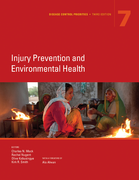
The substantial burden of death and disability that results from interpersonal violence, road traffic injuries, unintentional injuries, occupational health risks, air pollution, climate change, and inadequate water and sanitation falls disproportion
...
ally on low- and middle-income countries. Injury Prevention and Environmental Health addresses the risk factors and presents updated data on the burden, as well as economic analyses of platforms and packages for delivering cost-effective and feasible interventions in these settings. The volume's contributors demonstrate that implementation of a range of prevention strategies-presented in an essential package of interventions and policies-could achieve a convergence in death and disability rates that would avert more than 7.5 million deaths a year
more
A framework to implement the Agenda for the Americas on Health, Environment, and Climate Change 2021–2030
This visual guide provides an overview of the various means of support WHO offers to member states to advance climate-resilient health. The guide offers answers to key questions to understand WHO's support to countries on climate change and health,
...
including: What are the impacts of climate change on health and the potential health co-benefits of climate change mitigation? How do we develop comprehensive plans and strategies to address climate-sensitive health risks and build climate-resilient health systems and facilities?
How do we access climate financing for climate change and health, including the Green Climate Fund (GCF) Readiness programme? What interventions can be implemented to address climate-sensitive health risks and strengthen the resilience and environmental sustainability of health systems and facilities? How do we monitor progress made at national level on climate change and health?
more
The 20th century was a period of unprecedented ecological change, with dramatic reductions in natural ecosystems and biodiversity and equally dramatic increases in people and domestic animals. Never before have so many animals been kept by so many p
...
eople—and never before have so many opportunities existed for pathogens to pass from wild and domestic animals through the biophysical environment to affect people causing zoonotic diseases or zoonoses. The result has been a worldwide increase in emerging zoonotic
diseases, outbreaks of epidemic zoonoses as well as a rise in foodborne zoonoses globally, and a troubling persistence of neglected zoonotic diseases in poor countries.
more

Left unabated, climate change will have catastrophic effects on the health of present and future generations. Such effects are already seen in Europe, through more frequent and severe extreme weather events, alterations to water and food systems, an
...
d changes in the environmental suitability for infectious diseases. As one of the largest current and historical contributors to greenhouse gases and the largest provider of financing for climate change mitigation and adaptation, Europe’s response is crucial, for both human health and the planet. To ensure that health and
wellbeing are protected in this response it is essential to build the capacity to understand, monitor, and quantify health impacts of climate change and the health co-benefits of accelerated action.
more
In this edition, the Antimicrobial Resistance chapter discusses the growing, dangerous trend of antimicrobial resistance and the potential catastrophic consequences on global health.
The Nanomaterials chapter talks about this relatively new technology and its potential impacts on the environment a
...
nd health.
The Marine Protected Areas chapter draws attention to the plight of our oceans and the need for more and better managed protected areas.
The Sand and Dust Storms chapter discusses the human and environmental causes of such phenomena, their health impacts which include respiratory and cardiovascular diseases and lung cancer, and the need to manage the storms through sustainable land and water management.
The Solar Solutions chapter highlights how this renewable energy could help tackle climate change and bring much needed energy to off grid settlements.
The Environmental Displacement chapter shows how the impacts of climate change are displacing people, causing them to leave their homes.
more

The United Nations Children's Fund (UNICEF), the International Organization for Migration (IOM), Georgetown University, and the United Nations University have today launched new guidelines to provide the first-ever global policy framework that will help protect, include, and empower children on the
...
move in the context of climate change.
The Guiding Principles for Children on the Move in the Context of Climate Change provides a set of 9 principles that address the unique and layered vulnerabilities of children on the move both internally and across borders as a result of the adverse impacts of climate change. Currently, most child-related migration policies do not consider climate and environmental factors, while most climate change policies overlook the unique needs of children.
The guidelines note that climate change is intersecting with existing environmental, social, political, economic, and demographic conditions contributing to people’s decisions to move. In 2020 alone, nearly 10 million children were displaced in the aftermath of weather-related shocks. With around one billion children – nearly half of the world’s 2.2 billion children – living in 33 countries at high risk of the impacts of climate change, millions more children could be on the move in the coming years.
Developed in collaboration with young climate and migration activists, academics, experts, policymakers, practitioners, and UN agencies, the guiding principles are based on the globally ratified Convention on the Rights of the Child and are further informed by existing operational guidelines and frameworks.
Recommendations for safeguarding the rights and well-being of children regardless of their location or migration status.
The guiding principles provide national and local governments, international organizations and civil society groups with a foundation to build policies that protect children’s rights. The organizations and institutions are calling on governments, local and regional actors, international organizations, and civil society groups to embrace the guiding principles to help protect, include, and empower children on the move in the context of climate change.
more
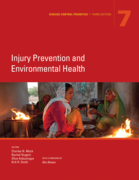
The substantial burden of death and disability that results from interpersonal violence, road traffic injuries, unintentional injuries, occupational health risks, air pollution, climate change, and inadequate water and sanitation falls disproportion
...
ally on low- and middle-income countries. Injury Prevention and Environmental Health addresses the risk factors and presents updated data on the burden, as well as economic analyses of platforms and packages for delivering cost-effective and feasible interventions in these settings. The volume's contributors demonstrate that implementation of a range of prevention strategies-presented in an essential package of interventions and policies-could achieve a convergence in death and disability rates that would avert more than 7.5 million deaths a year.
more

This publication presents the Agenda for the Americas on Health, Environment, and Climate Change 2021–2030 (the Agenda). The Agenda is a call to action to the health sector to lead the charge to address
...
environmental determinants of health in the Americas. The Pan American Health Organization (PAHO) will work with Member States to achieve its goal and objective to ensure healthy lives and promote well-being for all at all ages using a sustainable and equitable approach that places a priority on reducing health inequity. The Agenda has been developed under the umbrella of the WHO Global Strategy on Health, Environment, and Climate Change, and builds upon the commitments set forth in the Sustainable Health Agenda for the Americas 2018–2030 and the PAHO Strategic Plan 2020–2025. The Agenda was developed in consultation with the Technical Advisory Group and through a consensus-driven decision-making process with Member States during the 2019–2020 period. Looking toward the achievement of Sustainable Development Goal 3, the Agenda focuses on: improving the performance of environmental public health programs and institutions; fostering environmentally resilient and sustainable health systems; and promoting environmentally healthy and resilient cities and communities. Its implementation will be context-specific, based on the needs and realities of the countries. It will benefit countries and territories by promoting good governance practices, strengthening the leadership and coordination roles of the health sector, fostering cross-sectoral action, focusing on primary prevention, and enhancing evidence and communication. It will facilitate access to human, technical, and financial resources necessary to address environmental determinants of health and ensure that the Region is fully engaged in global health, environment, and climate change processes and agreements. The objective of the Agenda is to strengthen the capacity of health actors in the health and non-health sectors to address and adapt to environmental determinants of health (EDHs), prioritizing populations living in conditions of vulnerability, in order to meet Outcome 18 of the PAHO Strategic Plan 2020–2025 directly and several other outcomes of the Plan indirectly. To address and adapt to the challenges of EDHs in the Region, an integrated and evidence-informed approach within the health sector and across sectors will be needed, one enabled, and supported by good governance practices, adequate management mechanisms, high-level political will, and adequate human, technical, technological, and financial resources.
more
The Our World in Data webpage on air pollution provides an extensive overview of the global impact of air pollution on health and the environment. It presents data on sources of pollution, such as industry, vehicles, and domestic energy use, and highlights the associated health risks, including resp
...
iratory and cardiovascular diseases. The site emphasizes that air pollution is one of the leading environmental risk factors for premature deaths worldwide, particularly affecting low- and middle-income countries. It also discusses trends in air pollution levels over time and the effectiveness of policy interventions in reducing pollution and improving public health.
more

Over long periods of time, individuals and communities can adapt to their local climates. When both warmer and colder temperatures go above or below those norms rapidly, scientific evidence shows that people become vulnerable to associated health effects related to those extremes. Studies suggest th
...
at climate change will greatly increase the severity and frequency of extreme temperature conditions, leading to increases in temperature-related illness and death
more
The Fourth National Climate Assessment (NCA4) fulfills that mandate in two volumes. This report, Volume II, draws on the foundational science described in Volume I, the Climate Science Special Report (CSSR).2 Volume II focuses on the human welfare, societal, and
...
environmental elements of climate change and variability for 10 regions and 18 national topics, with particular attention paid to observed and projected risks, impacts, consideration of risk reduction, and implications under different mitigation pathways. Where possible, NCA4 Volume II provides examples of actions underway in communities across the United States to reduce the risks associated with climate change, increase resilience, and improve livelihoods.
more
The Fourth National Climate Assessment (NCA4) fulfills that mandate in two volumes. This report, Volume II, draws on the foundational science described in Volume I, the Climate Science Special Report (CSSR).2 Volume II focuses on the human welfare, societal, and
...
environmental elements of climate change and variability for 10 regions and 18 national topics, with particular attention paid to observed and projected risks, impacts, consideration of risk reduction, and implications under different mitigation pathways. Where possible, NCA4 Volume II provides examples of actions underway in communities across the United States to reduce the risks associated with climate change, increase resilience, and improve livelihoods.
more

Building on our decades of commitment to human rights in medicine and healthcare, we have published a new report on emerging threats in health-related human rights both globally and in the UK.
'Health and human rights in the new world (dis)order' outlines a shifting rights landscape in which new
...
technologies, environmental change and geopolitical reconfigurations are putting renewed and at times intense stress on human rights, both in medicine and healthcare more broadly.
more
Environmental Research Volume 151, November 2016, Pages 115-123
Dengue is the world’s most important arboviral disease in terms of number of people affected. Over the past 50 years, incidence increased 30-fold: there were approximately 390 millio
...
n infections in 2010. Globalization, trade, travel, demographic trends, and warming temperatures are associated with the recent spread of the primary vectors Aedes aegypti and Aedes albopictus and of dengue. Overall, models project that new geographic areas along the fringe of current geographic ranges for Aedes will become environmentally suitable for the mosquito’s lifecycle, and for dengue transmission. Many endemic countries where dengue is likely to spread further have underdeveloped health systems, increasing the substantial challenges of disease prevention and control. Control focuses on management of Aedes, although these efforts have typically had limited effectiveness in preventing outbreaks. New prevention and control efforts are needed to counter the potential consequences of climate change on the geographic range and incidence of dengue, including novel methods of vector control and dengue vaccines.
more
In line with the Climate and Environment Charter for Humanitarian Organisations which IFRC, ICRC and various Red Cross Red Crescent National Societies have endorsed, this short Guide aims to help practitioners integrate environmental and climate
...
change considerations into their work. It has been developed primarily for logistics staff, administrative staff, and management. It is not necessary to be an environmental expert to use this Guide.
more
