
Filter
2263
Text search:
diabetes
prevention
Featured
232
513
Language
2033
191
69
68
62
40
34
20
14
6
6
6
5
5
4
3
3
3
3
2
2
2
2
1
1
1
1
1
1
1
1
1
1
1
1
1
1
1
1
1
1
1
1
1
1
Document type
1037
429
420
136
100
52
37
16
8
8
7
6
4
1
1
Countries
175
162
69
62
60
54
37
36
34
34
33
31
29
29
28
26
26
26
24
24
22
22
22
21
20
20
19
17
14
13
13
12
12
12
12
12
11
11
11
11
11
10
10
10
9
9
8
8
7
7
7
6
6
6
6
6
6
5
5
5
5
5
4
4
4
4
4
4
4
3
3
3
3
3
3
3
3
2
2
2
2
2
2
2
2
2
2
2
2
2
2
2
2
2
1
1
1
1
1
1
1
1
1
1
1
1
1
1
1
1
1
1
1
1
1
1
1
1
1
1
1
Authors & Publishers
324
95
91
75
75
38
24
23
23
23
22
20
20
17
16
16
14
14
14
14
13
12
12
12
12
12
11
11
10
10
9
9
9
9
9
8
8
8
8
7
7
7
7
7
6
6
6
6
6
6
6
6
6
6
6
6
5
5
5
5
5
5
5
5
5
5
5
4
4
4
4
4
4
4
4
4
4
4
4
4
4
4
4
4
4
4
4
4
4
4
4
4
4
4
4
4
4
4
4
4
4
4
3
3
3
3
3
3
3
3
3
3
3
3
3
3
3
3
3
3
3
3
3
3
3
3
3
3
3
3
3
3
3
3
3
3
3
3
3
3
3
3
3
3
3
3
3
3
3
3
3
3
3
3
3
3
3
2
2
2
2
2
2
2
2
2
2
2
2
2
2
2
2
2
2
2
2
2
2
2
2
2
2
2
2
2
2
2
2
2
2
2
2
2
2
2
2
2
2
2
2
2
2
2
2
2
2
2
2
2
2
2
2
2
2
2
2
2
2
2
2
2
2
2
2
2
2
2
2
2
2
2
2
2
2
2
2
2
2
2
2
2
2
2
2
2
2
2
2
2
2
2
2
2
2
2
2
2
2
2
2
2
2
2
2
2
2
2
2
2
2
2
2
2
2
2
2
2
1
1
1
1
1
1
1
1
1
1
1
1
1
1
1
1
1
1
1
1
1
1
1
1
1
1
1
1
1
1
1
1
1
1
1
1
1
1
1
1
1
1
1
1
1
1
1
1
1
1
1
1
1
1
1
1
1
1
1
1
1
1
1
1
1
1
1
1
1
1
1
1
1
1
1
1
1
1
1
1
1
1
1
1
1
1
1
1
1
1
1
1
1
1
1
1
1
1
1
1
1
1
1
1
1
1
1
1
1
1
1
1
1
1
1
1
1
1
1
1
1
1
1
1
1
1
1
1
1
1
1
1
1
1
1
1
1
1
1
1
1
1
1
1
1
1
1
1
1
1
1
1
1
1
1
1
1
1
1
1
1
1
1
1
1
1
1
1
1
1
1
1
1
1
1
1
1
1
1
1
1
1
1
1
1
1
1
1
1
1
1
1
1
1
1
1
1
1
1
1
1
1
1
1
1
1
1
1
1
1
1
1
1
1
1
1
1
1
1
1
1
1
1
1
1
1
1
1
1
1
1
1
1
1
1
1
1
1
1
1
1
1
1
1
1
1
1
1
1
1
1
1
1
1
1
1
1
1
1
1
1
1
1
1
1
1
1
1
1
1
1
1
1
1
1
1
1
1
1
1
1
1
1
1
1
1
1
1
1
1
1
1
1
1
1
1
1
1
1
1
1
1
1
1
1
1
1
1
1
1
1
1
1
1
1
1
1
1
1
1
1
1
1
1
1
1
1
1
1
1
1
1
1
1
1
1
1
1
1
1
1
1
1
1
1
1
1
1
1
1
1
1
1
1
1
1
1
1
1
1
1
1
1
1
1
1
1
1
1
1
1
1
1
1
1
1
1
1
1
1
1
1
1
1
1
1
1
1
1
1
1
1
1
1
1
1
1
1
1
1
1
1
1
1
1
1
1
1
1
1
1
1
1
1
1
1
1
1
1
1
1
1
1
1
1
1
1
1
1
1
1
1
1
1
1
1
1
1
1
1
1
1
1
1
1
1
1
1
1
1
1
1
1
1
1
1
1
1
1
1
1
1
1
1
1
1
1
1
1
1
1
1
1
1
1
1
1
1
1
1
1
1
1
1
1
1
1
1
1
1
1
1
1
1
1
1
1
1
1
1
1
1
1
1
1
1
1
1
1
1
1
1
1
1
1
1
1
1
1
1
1
1
1
1
1
1
1
1
1
1
1
1
1
1
1
1
1
1
1
1
1
1
1
1
1
1
1
1
1
1
1
1
1
1
1
1
1
1
1
1
1
1
1
1
1
1
1
1
1
1
1
1
1
1
1
1
1
1
1
1
1
1
1
1
1
1
1
1
1
1
1
1
1
1
1
1
1
1
1
1
1
1
1
1
1
1
1
1
1
1
1
1
1
1
1
1
1
1
1
1
1
1
1
1
1
1
1
1
1
1
1
1
1
1
1
1
1
1
1
1
1
1
1
1
1
1
1
1
1
1
1
1
1
1
1
1
1
1
1
1
1
1
1
1
1
1
1
1
1
1
1
1
1
1
1
1
1
1
1
1
1
1
1
1
1
1
1
1
1
1
1
1
1
1
1
1
1
1
1
1
1
1
1
1
1
1
1
1
1
1
1
1
1
1
1
1
1
1
1
1
1
1
1
1
1
1
1
1
1
1
1
1
1
1
1
1
1
1
1
1
1
1
1
1
1
1
1
1
1
1
1
1
1
1
1
1
1
1
1
1
1
1
1
1
1
1
1
1
1
1
1
1
1
1
1
1
1
1
1
1
1
1
1
1
1
1
1
1
1
1
1
1
1
1
1
1
1
1
1
1
1
1
1
1
1
1
1
1
1
1
1
1
1
1
1
1
1
1
1
1
1
1
1
1
1
1
1
1
1
1
1
1
1
1
1
1
1
1
1
1
1
1
1
1
1
1
1
1
1
1
1
1
1
1
1
1
1
1
1
1
1
1
1
1
1
1
1
1
1
1
1
1
1
1
1
1
1
1
1
1
1
1
1
1
1
1
1
1
1
1
1
1
1
1
1
1
1
1
1
1
1
1
1
1
1
1
1
1
1
1
1
1
1
1
1
1
1
1
1
1
1
1
1
1
1
1
1
1
1
1
1
1
1
1
1
1
1
1
1
1
1
1
1
1
1
1
1
1
1
1
1
1
1
1
1
1
1
1
1
1
1
1
1
1
1
1
1
1
1
1
1
1
1
1
1
1
1
1
1
1
1
1
1
1
1
1
1
1
1
1
1
1
1
1
1
1
1
1
1
1
1
1
1
1
1
1
1
1
1
1
1
1
1
1
1
1
1
1
1
1
1
1
1
1
1
1
1
1
1
1
1
1
1
1
1
1
1
1
1
1
1
1
1
1
1
1
1
1
1
1
1
1
1
1
1
1
1
1
1
1
1
1
1
1
1
1
1
1
1
1
1
1
1
1
1
1
1
1
1
1
1
1
1
1
1
1
1
1
1
1
1
1
1
1
1
1
1
1
1
1
1
1
1
1
1
1
1
1
1
1
1
1
1
1
1
1
1
1
1
1
1
1
1
1
1
1
1
1
1
1
1
1
1
1
1
1
1
1
1
1
1
1
1
1
1
1
1
1
1
1
1
1
1
1
1
1
1
1
1
1
1
1
1
1
1
1
1
1
1
1
1
1
1
1
1
1
1
1
1
1
1
1
1
1
1
1
1
1
1
1
1
1
1
1
1
1
1
1
1
1
1
1
1
1
1
1
1
1
1
1
1
1
1
1
1
1
1
1
1
1
1
1
1
1
1
1
1
1
1
1
1
1
1
1
1
1
1
1
1
1
1
1
1
1
1
1
1
1
1
1
1
1
1
1
1
1
1
1
1
1
1
1
1
1
1
1
1
1
1
1
1
1
1
1
1
1
1
1
1
1
1
1
1
1
1
1
1
1
1
1
1
1
1
1
1
1
1
1
1
1
1
1
1
1
1
1
1
1
1
1
1
1
1
1
1
1
1
1
1
1
1
1
1
1
1
1
1
1
1
1
1
1
1
1
1
1
1
1
1
1
1
1
1
1
1
1
1
1
1
1
1
1
1
1
1
1
1
1
1
1
1
1
1
1
1
1
1
1
1
1
1
1
1
1
1
1
1
1
1
1
1
1
1
1
1
1
1
1
1
1
1
1
1
1
1
1
1
1
1
1
1
1
1
1
1
1
1
1
1
1
1
1
1
1
1
1
1
1
1
1
1
1
1
1
1
1
1
1
1
1
1
1
1
1
1
1
1
1
1
1
1
1
1
1
1
1
1
1
1
1
1
1
1
1
1
1
1
1
1
1
1
1
1
1
1
1
1
1
1
1
1
1
1
1
1
1
1
1
1
1
1
1
1
1
1
1
1
1
1
1
1
1
1
1
1
1
1
1
1
1
1
1
1
1
1
1
1
1
1
1
1
1
1
1
1
1
1
1
1
1
1
1
1
1
1
1
1
1
1
1
1
1
1
1
1
1
1
1
1
1
1
1
1
1
1
1
1
1
1
1
1
1
1
1
1
1
1
1
1
1
1
1
1
1
1
Publication Years
885
1220
149
9
Category
970
283
228
100
52
46
11
1
Toolboxes
266
232
217
179
72
68
55
50
49
48
39
34
24
15
15
14
13
12
12
11
7
2
2
1
Comprehensive Primary Health Care has an important role in the primary and secondary prevention of several disease conditions, including non-communicable diseases which today contribute to over 60% of the mortality in India. The provision of Compreh
...
ensive primary health care reduces morbidity, disability and mortality at much lower costs and significantly reduces the need for secondary and tertiary care. Estimates suggest that almost 52% of all conditions can be managed at the
primary care level.
In order to ensure comprehensive primary health care, close to where people live, Sub- Centres should be strengthened as Health and Wellness Centres (H&WC), staffed by appropriately trained primary health care team. The Medical officer of the Primary Health Centre would oversee the functioning of the SC/HWC that falls in that area.
Services include those that (i) can be delivered at the level of the household and outreach sites in the community by suitably trained frontline workers, (ii) those that are delivered by a team headed by a mid-level health provider, at the level of the Sub-Centre/Health and Wellness Centre and (iii) the referral support and continuity of care within the district health system in rural and urban areas. The package of services is in Box. States would need to either phase in these services or add on additional services based on state specific and local context.
more
If you’re interested in preventing type 2 diabetes, this guide can help you get started. Congratulations on taking the first step! By reading this, you’re already on your way. Prediabetes puts you on the road to possibly getting type 2
...
diabetes. Find out now, in less than 1 minute, if you may have prediabetes by taking the Prediabetes Risk Test. If your result shows you’re at high risk for type 2 diabetes, talk to your doctor about getting a simple blood sugar test to confirm it. Then, if you’re diagnosed with prediabetes, consider joining a lifestyle change program offered by the National Diabetes Prevention Program (National DPP). This program is proven to cut the risk for type 2 diabetes in half.
more
If your result shows you’re at high risk for type 2 diabetes, talk to your doctor about getting a simple blood sugar test to confirm it. Then, if you’re diagnosed with prediabetes, consider joining a lifestyle change program offered by the Natio
...
nal Diabetes Prevention Program (National DPP). This program is proven to cut the risk for type 2 diabetes in half.
more
Use these resources to engage communities, increase cultural competence, and promote type 2 diabetes prevention and diabetes management.
Management of Type 2 Diabetes. Training Manual
WHO Collaborating Centre for Capacity Building and Research in Community-based Noncommunicable Disease Prevention and Control, All India Institute of Medical Sciences (AIIMS), New Delhi, India.
World Health Organization WHO, India
(2019)
C_WHO
WHO Package of Essential NCD Interventions (PEN)
Accessed March 18,2019

The primary goal of the guideline is to improve the quality of care and the outcome in people with type 2 diabetes in low-resource settings. It recommends a set of basic interventions to integrate management of
...
diabetes into primary health care. It will serve as basis for development of simple algorithms for use by health care staff in primary care in low-resource settings, to reduce the risk of acute and chronic complications of diabetes. The guideline was developed by a group of external and WHO experts, following the WHO process of guideline development. GRADE methodology was used to assess the quality of evidence and decide the strength of the recommendations.
more
People with diabetes mellitus are at an increased risk for foot ulcerations as a result of poorly controlled blood glucose which may lead to gangrene. These patients are at a high risk for lower limb amputations, higher healthcare costs, and lower q
...
uality of life. This course aims to cover the prevention of foot ulcers in persons with diabetes, classification of diabetic foot ulcers, diagnosis and treatment of foot infection in people with diabetes and interventions to enhance healing of foot ulcers.
more
The World Health Organization (WHO) Global Diabetes Compact (GDC) was created as a global initiative to improve diabetes prevention and care, and t
...
o contribute to the global targets to reduce premature mortality due to noncommunicable diseases by one-third by 2030.
more
Every November 14, World Diabetes Day is commemorated. This is an opportunity to raise awareness about the impact of diabetes on the health of people and to highlight the opportunities to strengthen
...
the prevention, diagnosis, and treatment of diabetes.
more
Diabetic foot ulcers are a complication affecting approximately 15% of the total population with diabetes mellitus. There are three and half million diabetic patients in Saudi Arabia alone. Aim: to determine capacity building for nurses’ knowledge
...
and practice regarding prevention of diabetic foot complications. Research Questions: 1. Does the nurse’s knowledge prevent diabetic foot ulcer and other foot complications? 2. Does the high practice of the nurses during foot screening can prevent diabetic foot ulcer in primary health care centers in Saudi Arabia? Design: Descriptive, research designs have been utilized. Setting: Chronic disease clinic in primary health care centers in Jeddah city. Subjects: a purposive sample of 30 nurses and convenience sample of 30 patients. Tools: A. Diabetic foot ulcer Structured interview questionnaire to assess nurse’s knowledge regarding diabetes mellitus and diabetic foot. B. Health status assessment questionnaire to assess health history status of diabetic client. C. An observational checklist to assess the nurse practice once during diabetic foot screening. Results: Significant increase in nurse's knowledge had been observed, while the majority of them had poor practice in relation to foot screening. Whereas complicated diabetic patients represent 35.7% of diabetic patients have neuropathy. Moreover, only 7.1% have neuropathy and diabetic ketoacidosis. Also there was a significant moderate positive correlation between the overall score of nurse’s knowledge and the overall score of the practice regarding diabetic foot complications. Conclusions: Proper foot care, early recognition and management of risk factors prevent foot ulcer. Recommendations: Developing a structured training educational program for nurses dealing patients with diabetic foot disorders.
more
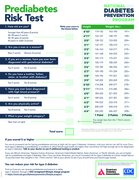
Prediabetes Risk Test
adapted from Bang et al., Ann Intern Med (2009)
American Diabetes Association in collaboration with the Centers for Disease Control and Prevention (CDC)
(2024)
CC2
The "Prediabetes Risk Test" is a tool designed to help individuals assess their risk for prediabetes and type 2 diabetes. The test uses a point-based system with questions about age, gender, family history of
...
diabetes, history of high blood pressure, physical activity level, and weight category. Based on the total score, individuals with a score of 5 or higher are at an increased risk of prediabetes, meaning their blood sugar levels may be elevated but not yet high enough to be classified as type 2 diabetes. The test encourages individuals with a high score to consult a doctor for further testing and suggests lifestyle changes as a preventive measure. Special risk considerations are provided for certain ethnic groups, such as African American, Hispanic/Latino, American Indian, Alaska Native, Asian American, and Pacific Islander populations.
more
Cancer, diabetes, heart disease and stroke, chronic respiratory disease
This book is one of fifteen modules of the “Noncommunicable disease education manual for primary health care professionals and patients”. This manual is intended to provide health information on the prevention and control of hypertension and
...
diabetes. This will be used in the form of a flip chart for health professionals to educate their patients with either hypertension or diabetes.
more
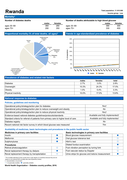
Diabetes country profiles 2016 - The aim of the diabetes country profiles is to synthesize, in one reference document, the national status of diabetes
...
prevention and control. Each profile includes data on diabetes prevalence and trends; mortality; risk factors; availability of diabetes country plans; monitoring and surveillance; primary prevention and treatment policies and availability of medicines, basic technologies and procedures.
more
This short guide to the Global Diabetes Compact explains what diabetes is and why action to improve prevention efforts, diagnosis and treatment is
...
so urgent. It outlines the key asks associated with the Compact and emphasizes that increasing access to insulin, strengthening health systems and meaningfully engaging with people affected by diabetes are key to success.
more

The document "Management of Type 2 Diabetes Mellitus" provides comprehensive guidelines for the diagnosis, prevention, and treatment of type 2 diabetes
...
in adults. It emphasizes the importance of individualized glycemic targets, lifestyle interventions like diet and exercise, and the use of medications such as metformin, SGLT2 inhibitors, and GLP1 receptor agonists to manage blood sugar levels and reduce long-term complications. The document also discusses the screening and management of comorbidities such as hypertension, hyperlipidemia, and diabetic complications like retinopathy, neuropathy, and nephropathy. It highlights the role of diabetes self-management education and support in improving adherence to treatment and patient outcomes. The guidelines are evidence-based and aim to reduce morbidity and mortality associated with type 2 diabetes.
more

Guidelines and Consensus for the Diagnosis, Management and Prevention of Type 2 Diabetes Mellitus in Indonesia
Diabetes mellitus is a leading cause of mortality and reduced life expectancy. We aim to estimate the burden of diabetes by type, year, regions, and socioeconomic status in 195 countries and territo
...
ries over the past 28 years, which provide information to achieve the goal of World Health Organization Global Action Plan for the Prevention and Control of Noncommunicable Diseases in 2025. Data were obtained from the Global Burden of Disease Study 2017. Overall, the global burden of diabetes had increased significantly since 1990. Both the trend and magnitude of diabetes related diseases burden varied substantially across regions and countries. In 2017, global incidence, prevalence, death, and disability-adjusted life-years (DALYs) associated with diabetes were 22.9 million, 476.0 million, 1.37 million, and 67.9 million, with a projection to 26.6 million, 570.9 million, 1.59 million, and 79.3 million in 2025, respectively. The trend of global type 2 diabetes burden was similar to that of total diabetes (including type 1 diabetes and type 2 diabetes), while global age-standardized rate of mortality and DALYs for type 1 diabetes declined. Globally, metabolic risks (high BMI) and behavioral factors (inappropriate diet, smoking, and low physical activity) contributed the most attributable death and DALYs of diabetes. These estimations could be useful in policy-making, priority setting, and resource allocation in diabetes prevention and treatment.
more
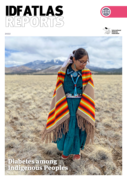
The IDF Diabetes Atlas report highlights the disproportionate prevalence of type 2 diabetes (T2D) among Indigenous Peoples globally. It emphasizes the social and health disparities resulting from co
...
lonization, loss of traditional practices, and systemic inequities. The report includes prevalence data across various Indigenous populations, identifying significant variability and often higher rates among Indigenous women compared to men. The report calls for culturally responsive and community-driven interventions to address diabetes prevention and management while advocating for better data collection and representation to support Indigenous communities worldwide.
more
