
Filter
95
Text search:
United
States
Environmental
Protection
Agency
(EPA)
Featured
Recommendations
6
New Publications
26
Language
Document type
No document type
42
Studies & Reports
20
Guidelines
16
Manuals
7
Strategic & Response Plan
5
Training Material
2
Infographics
2
Situation Updates
1
Countries / Regions
Sierra Leone
6
Liberia
6
USA
6
Ghana
6
India
3
Philippines
2
Syria
2
Myanmar / Burma
2
Western and Central Europe
2
Guinea
1
Ethiopia
1
Haiti
1
Pakistan
1
Iraq
1
Zambia
1
Bangladesh
1
Sudan
1
Colombia
1
Ecuador
1
South–East Asia Region
1
Latin America and the Carribbean
1
Africa
1
Venezuela
1
Eastern Europe
1
Global
1
Maldives
1
Authors & Publishers
Publication Years
Category
Countries
30
Key Resources
15
Public Health
3
Capacity Building
2
Clinical Guidelines
2
Women & Child Health
1
Pharmacy & Technologies
1
Toolboxes
Planetary Health
22
Specific Hazards
11
COVID-19
6
Pharmacy
6
AMR
5
Natural Hazards
4
Zika
4
Rapid Response
3
Caregiver
3
NCDs
3
Ebola & Marburg
2
Conflict
2
Global Health Education
2
Mental Health
1
2.0 Rapid Response
1
European Journal of Biomedical and Pharmaceutical Sciences, vol.3 (2016) 1, 192-206
This review shows that if all sub areas of pharmaceutical waste management can efficiently work back to back environmental pollution and dangers to human health ca
...
This report summarizes the latest scientific knowledge on the links between exposure to air pollution and adverse health effects in children. It is intended to inform and motivate individual and collective action by health care professionals to prevent damage to children’s health from exposure to
...
European Journal of Biomedical and Pharmaceutical Sciences, vol.3 (2016) 1, 192-206
This review shows that if all sub areas of pharmaceutical waste management can efficiently work back to back environmental pollution and dangers to human health ca
...
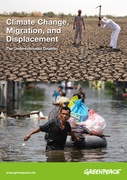
What at first glance appears to be simple causality – climate change leading to more and more migration – has triggered intense academic debate over the past ten years because the circumstances are complex. There is need for a thorough analysis in the ground between denying the problem and asser
...

The main goal of the National Health Plan (NHP) 2017-2021 is to extend access to a basic Essential Package of Health Services (EPHS) to the entire population while increasing financial protection. In order to extend service delivery to all communiti
...

To enhance health co-benefits across urban policies which tackle air pollution and climate change, WHO, in cooperation with various international, national, and local partners, implemented the Urban Health Initiative (UHI) pilot project in Accra, Ghana. The Initiative prompted the health sector to u
...
The global burden of disease associated with air pollution exposure exacts a massive toll on human health worldwide: exposure to air pollution is estimated to cause millions of deaths and lost years of healthy life annually. The burden of disease attributable to air pollution is now estimated to be
...
The intent of these guidelines is to develop a holistic, coordinated, proactive and technology driven strategy for management of biological disasters through a culture of prevention, mitigation and preparedness to generate a prompt and effective response in the event of an emergency. Th
...
The purpose of this guidance is to provide emergency planners with nuclear detonationspecific
response recommendations to maximize the preservation of life in the event of
an urban nuclear detonation. This guidance addresses the unique effects and impacts of a
nuclear detonation such as scale of
...
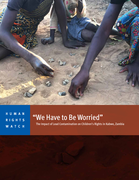
Children in Kabwe are especially at risk because they are more likely to ingest lead dust when playing in the soil, their brains and bodies are still developing, and they absorb four to five times as much lead as adults. The consequences for children who are exposed to high levels of lead and are no
...
Issues & Regulations Regarding Pharmaceutical Waste Management
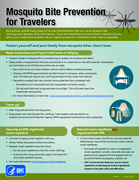
Fact sheet for travelers

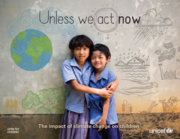
Today’s children, and their children, are the ones who will live with the consequences of climate change.

The overall goal of the programme, to reduce the malaria morbidity and mortality by 75% (using 2012 as baseline) by the year 2020, continued to be pursued in 2014. The following areas were identified as some of the priorities for the year: Malaria Case Management under which we have Malaria in Pregn
...

Aerosol pollutants are known to raise the risk of development of non-communicable respiratory diseases (NCRDs) such as asthma, chronic bronchitis, chronic obstructive pulmonary disease, and allergic rhinitis. Sub-Saharan Africa’s rapid pace of urbanization, economic expansion, and population growt
...

The Ghanaian Cabinet approved the antimicrobial resistance (AMR)Policy and Implementation plan(hereafter referred to as the national action plan or NAP)in December 2017, whilst the country case study was in progress. This has set in motion the implementation phase for Ghana, which is a long awaited
...

Article from the CDC Health Alert Network
