
Filter
1644
Text search:
Prevalence
of
diabetes
Featured
153
444
Language
Document type
857
369
231
66
60
31
12
8
6
4
Countries
128
113
54
52
42
34
32
30
29
28
26
25
23
22
22
21
21
21
20
19
18
18
17
17
17
16
14
14
12
11
11
10
9
9
9
8
8
8
8
8
7
7
6
6
6
6
5
5
5
5
4
4
3
3
3
3
3
3
3
3
3
3
3
3
3
3
3
2
2
2
2
2
2
2
2
2
2
2
2
2
2
1
1
1
1
1
1
1
1
1
1
1
1
1
1
1
1
1
1
1
1
1
1
1
1
1
1
Authors & Publishers
Publication Years
Category
742
197
162
57
35
17
8
Toolboxes
174
172
156
104
45
43
39
38
32
31
26
22
15
13
13
10
9
6
5
4
3
2

The ICMR type 1 diabetes guidelines come at a time when the SARS-CoV-2 pandemic
has disproportionately affected people with diabetes population, exposing them to a
high risk for severe illness and
...

The Global Status Report on Noncommunicable Diseases (NCDs) 2014 by the World Health Organization outlines the global impact of NCDs, including cardiovascular diseases, cancer, diabetes, and chronic
...

The document "Global Report on Diabetes" by the World Health Organization (WHO) provides an in-depth analysis of diabetes as a global health challe
...

The IDF Diabetes Atlas report highlights the disproportionate prevalence of type 2 diabetes (T2D
...
It is now evident that we are living in a world of diabetes pandemic—despite the scientifically sound estimates, worldwide diabetes
...

Diabetic retinopathy affects over one-third of people with diabetes and is the leading cause of vision loss in working-age adults. Without effectiv
...
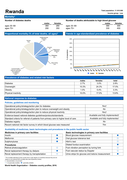
Diabetes country profiles 2016 - The aim of the diabetes country profiles is to synthesize, in one reference document, the national status
...

The number of people with diabetes has risen from 108 million in 1980 to 422 million in 2014.
The global prevalence
...

Background
Low- and middle-income countries now experience the highest prevalence and mortality rates of cardiovascular disease.
Main text
While improving the availability and delivery
...

The IDF Diabetes Atlas 11th edition provides detailed information on the estimated and projected prevalence of
...

Diabetes is one of the leading causes of chronic kidney disease (CKD). Up to 40% of people livin
...
Methicillin-resistant Staphylococcus aureus(MRSA) strainsor multidrug-resistant S.aureus, initially described in 1960s,emerged in the last decade as a cause of nosocomial infections responsible for rapidly progressive, potential fatal diseases inclu
...

10th edition
The IDF Diabetes Atlas 10th edition provides detailed information on the estimated and projected prevalence of
...

The World Health Organization's fact sheet on diabetes provides an overview of the disease, highlighting its increasing prevalence, particularly in
...

The World Health Organization's fact sheet on diabetes provides an overview of the disease, highlighting its increasing prevalence, particularly in
...
This booklet presents data on NCD mortality and prevalence of NCD risk factors, by country, for the Region of the Americas. The focus is on the 5 x
...
Effective surveillance and monitoring of noncommunicable diseases (NCDs) and their risk factors are essential for informing evidence-based public health policies, addressing health inequities, and ensuring progress toward global and regional targets
...
What is already known about this topic?
Roughly 80% of the global disease burden caused by diabetes comes from low-and-middle income countries, and 60% o
...

troke, a major Non-Communicable Disease (NCD), is responsible for 3.5% of disabilityadjusted life year (DALY) in India.Apart from risk factors like hypertension, diabetes, heart diseases and positiv
...

Diabetes is a serious, chronic disease that occurs either when the pancreas does not produce enough insulin (a hormone that regulates blood sugar, or glucose), or when the body cannot effectively use the insulin it produces.
...
