
Filter
4219
Text search:
feedback
Featured
454
1172
Language
4002
178
89
83
60
47
43
29
12
12
9
9
8
6
5
5
5
5
5
4
4
3
3
3
3
2
2
2
2
2
2
2
2
2
2
2
2
2
1
1
1
1
1
1
1
1
1
1
1
1
1
1
1
1
1
1
1
1
1
1
1
1
1
Document type
2139
605
575
353
213
163
60
46
35
13
8
3
3
1
Countries
188
188
132
99
93
87
81
79
76
74
72
69
57
56
55
53
51
50
45
43
40
34
34
34
34
33
31
29
29
28
26
26
24
23
22
21
20
20
20
19
16
16
15
15
14
12
12
11
11
11
11
10
10
9
9
9
8
8
8
7
7
7
7
7
7
6
6
6
5
5
4
4
4
4
4
4
3
3
3
3
3
3
3
3
3
2
2
2
2
2
2
2
2
2
2
2
2
2
2
2
2
2
2
2
2
2
2
1
1
1
1
1
1
1
1
1
1
1
1
1
1
1
1
1
1
1
1
1
1
1
1
Authors & Publishers
652
149
135
108
102
91
90
84
41
37
37
36
32
29
26
25
25
22
22
21
20
20
20
19
17
17
17
16
16
16
16
15
15
14
14
14
14
14
14
14
14
14
13
13
12
12
12
12
11
11
11
11
11
11
11
11
10
10
10
10
10
9
9
9
9
9
9
9
9
9
8
8
8
8
8
8
8
8
8
8
7
7
7
7
7
7
7
7
7
7
7
7
6
6
6
6
6
6
6
6
6
6
6
6
6
6
6
6
6
6
6
6
6
6
6
6
5
5
5
5
5
5
5
5
5
5
5
5
5
5
5
5
5
5
5
5
5
5
5
4
4
4
4
4
4
4
4
4
4
4
4
4
4
4
4
4
4
4
4
4
4
4
4
4
4
4
4
4
4
4
4
4
4
4
4
4
4
4
4
4
4
4
4
4
4
4
4
4
3
3
3
3
3
3
3
3
3
3
3
3
3
3
3
3
3
3
3
3
3
3
3
3
3
3
3
3
3
3
3
3
3
3
3
3
3
3
3
3
3
3
3
3
3
3
3
3
3
3
3
3
3
3
3
3
3
3
3
3
3
3
3
3
3
3
3
3
3
3
3
3
3
3
3
3
3
3
3
3
3
3
3
3
2
2
2
2
2
2
2
2
2
2
2
2
2
2
2
2
2
2
2
2
2
2
2
2
2
2
2
2
2
2
2
2
2
2
2
2
2
2
2
2
2
2
2
2
2
2
2
2
2
2
2
2
2
2
2
2
2
2
2
2
2
2
2
2
2
2
2
2
2
2
2
2
2
2
2
2
2
2
2
2
2
2
2
2
2
2
2
2
2
2
2
2
2
2
2
2
2
2
2
2
2
2
2
2
2
2
2
2
2
2
2
2
2
2
2
2
2
2
2
2
2
2
2
2
2
2
2
2
2
2
2
2
2
2
2
2
2
2
2
2
2
2
2
2
2
2
2
2
2
2
2
2
2
2
2
2
2
2
2
2
2
2
2
2
2
2
2
2
2
2
2
2
2
2
2
2
2
2
2
2
2
2
2
2
2
2
2
2
2
2
2
2
2
2
2
2
2
2
2
2
2
2
2
2
2
2
2
2
2
2
2
2
2
2
2
2
2
2
2
2
2
2
2
2
2
2
2
2
2
2
2
2
2
2
2
2
2
2
2
2
2
2
2
2
2
2
2
2
2
2
2
2
1
1
1
1
1
1
1
1
1
1
1
1
1
1
1
1
1
1
1
1
1
1
1
1
1
1
1
1
1
1
1
1
1
1
1
1
1
1
1
1
1
1
1
1
1
1
1
1
1
1
1
1
1
1
1
1
1
1
1
1
1
1
1
1
1
1
1
1
1
1
1
1
1
1
1
1
1
1
1
1
1
1
1
1
1
1
1
1
1
1
1
1
1
1
1
1
1
1
1
1
1
1
1
1
1
1
1
1
1
1
1
1
1
1
1
1
1
1
1
1
1
1
1
1
1
1
1
1
1
1
1
1
1
1
1
1
1
1
1
1
1
1
1
1
1
1
1
1
1
1
1
1
1
1
1
1
1
1
1
1
1
1
1
1
1
1
1
1
1
1
1
1
1
1
1
1
1
1
1
1
1
1
1
1
1
1
1
1
1
1
1
1
1
1
1
1
1
1
1
1
1
1
1
1
1
1
1
1
1
1
1
1
1
1
1
1
1
1
1
1
1
1
1
1
1
1
1
1
1
1
1
1
1
1
1
1
1
1
1
1
1
1
1
1
1
1
1
1
1
1
1
1
1
1
1
1
1
1
1
1
1
1
1
1
1
1
1
1
1
1
1
1
1
1
1
1
1
1
1
1
1
1
1
1
1
1
1
1
1
1
1
1
1
1
1
1
1
1
1
1
1
1
1
1
1
1
1
1
1
1
1
1
1
1
1
1
1
1
1
1
1
1
1
1
1
1
1
1
1
1
1
1
1
1
1
1
1
1
1
1
1
1
1
1
1
1
1
1
1
1
1
1
1
1
1
1
1
1
1
1
1
1
1
1
1
1
1
1
1
1
1
1
1
1
1
1
1
1
1
1
1
1
1
1
1
1
1
1
1
1
1
1
1
1
1
1
1
1
1
1
1
1
1
1
1
1
1
1
1
1
1
1
1
1
1
1
1
1
1
1
1
1
1
1
1
1
1
1
1
1
1
1
1
1
1
1
1
1
1
1
1
1
1
1
1
1
1
1
1
1
1
1
1
1
1
1
1
1
1
1
1
1
1
1
1
1
1
1
1
1
1
1
1
1
1
1
1
1
1
1
1
1
1
1
1
1
1
1
1
1
1
1
1
1
1
1
1
1
1
1
1
1
1
1
1
1
1
1
1
1
1
1
1
1
1
1
1
1
1
1
1
1
1
1
1
1
1
1
1
1
1
1
1
1
1
1
1
1
1
1
1
1
1
1
1
1
1
1
1
1
1
1
1
1
1
1
1
1
1
1
1
1
1
1
1
1
1
1
1
1
1
1
1
1
1
1
1
1
1
1
1
1
1
1
1
1
1
1
1
1
1
1
1
1
1
1
1
1
1
1
1
1
1
1
1
1
1
1
1
1
1
1
1
1
1
1
1
1
1
1
1
1
1
1
1
1
1
1
1
1
1
1
1
1
1
1
1
1
1
1
1
1
1
1
1
1
1
1
1
1
1
1
1
1
1
1
1
1
1
1
1
1
1
1
1
1
1
1
1
1
1
1
1
1
1
1
1
1
1
1
1
1
1
1
1
1
1
1
1
1
1
1
1
1
1
1
1
1
1
1
1
1
1
1
1
1
1
1
1
1
1
1
1
1
1
1
1
1
1
1
1
1
1
1
1
1
1
1
1
1
1
1
1
1
1
1
1
1
1
1
1
1
1
1
1
1
1
1
1
1
1
1
1
1
1
1
1
1
1
1
1
1
1
1
1
1
1
1
1
1
1
1
1
1
1
1
1
1
1
1
1
1
1
1
1
1
1
1
1
1
1
1
1
1
1
1
1
1
1
1
1
1
1
1
1
1
1
1
1
1
1
1
1
1
1
1
1
1
1
1
1
1
1
1
1
1
1
1
1
1
1
1
1
1
1
1
1
1
1
1
1
1
1
1
1
1
1
1
1
1
1
1
1
1
1
1
1
1
1
1
1
1
1
1
1
1
1
1
1
1
1
1
1
1
1
1
1
1
1
1
1
1
1
1
1
1
1
1
1
1
1
1
1
1
1
1
1
1
1
1
1
1
1
1
1
1
1
1
1
1
1
1
1
1
1
1
1
1
1
1
1
1
1
1
1
1
1
1
1
1
1
1
1
1
1
1
1
1
1
1
1
1
1
1
1
1
1
1
1
1
1
1
1
1
1
1
1
1
1
1
1
1
1
1
1
1
1
1
1
1
1
1
1
1
1
1
1
1
1
1
1
1
1
1
1
1
1
1
1
1
1
1
1
1
1
1
1
1
1
1
1
1
1
1
1
1
1
1
1
1
1
1
1
1
1
1
1
1
1
1
1
1
1
1
1
1
1
1
1
1
1
1
1
1
1
1
1
1
1
1
1
1
1
1
1
1
1
1
1
1
1
1
1
1
1
1
1
1
1
1
1
1
1
1
1
1
1
1
1
1
1
1
1
1
1
1
1
1
1
1
1
1
1
1
1
1
1
1
1
1
1
1
1
1
1
1
1
1
1
1
1
1
1
1
1
1
1
1
1
1
1
1
1
1
1
1
1
1
1
1
1
1
1
1
1
1
1
1
1
1
1
1
1
1
1
1
1
1
1
1
1
1
1
1
1
1
1
1
1
1
1
1
1
1
1
1
1
1
1
1
1
1
1
1
1
1
1
1
1
1
1
1
1
1
1
1
1
1
1
1
1
1
1
1
1
1
1
1
1
1
1
1
1
1
1
1
1
1
1
1
1
1
1
1
1
1
1
1
1
1
1
1
1
1
1
1
1
1
1
1
1
1
1
1
1
1
1
1
1
1
1
1
1
1
1
1
1
1
1
1
1
1
1
1
1
1
1
1
1
1
1
1
1
1
1
1
1
1
1
1
1
1
1
1
1
1
1
1
1
1
1
1
1
1
1
1
1
1
1
1
1
1
1
1
1
1
1
1
1
1
1
1
1
1
1
1
1
1
1
1
1
1
1
1
1
1
1
1
1
1
1
1
1
1
1
1
1
1
1
1
1
1
1
1
1
1
1
1
1
1
1
1
1
1
1
1
1
1
1
1
1
1
1
1
1
1
1
1
1
1
1
1
1
1
1
1
1
1
1
1
1
1
1
1
1
1
1
1
1
1
1
1
1
1
1
1
1
1
1
1
1
1
1
1
1
1
1
1
1
1
1
1
1
1
1
1
1
1
1
1
1
1
1
1
1
1
1
1
1
1
1
1
1
1
1
1
1
1
1
1
1
1
1
1
1
1
1
1
1
1
1
1
1
1
1
1
1
1
1
1
1
1
1
1
1
1
1
1
1
1
1
1
1
1
1
1
1
1
1
1
1
1
1
1
1
1
1
1
1
1
1
1
1
1
1
1
1
1
1
1
1
1
1
1
1
1
1
1
1
1
1
1
1
1
1
1
1
1
1
1
1
1
1
1
1
1
1
1
1
1
1
1
1
1
1
1
1
1
1
1
1
1
1
1
1
1
1
1
1
1
1
1
1
1
1
1
1
1
1
1
1
1
1
1
1
1
1
1
1
1
1
1
1
1
1
1
1
1
1
1
1
1
1
1
1
1
1
1
1
1
1
1
1
1
1
1
1
1
1
1
1
1
1
1
1
1
1
1
1
1
1
1
1
1
1
1
1
1
1
1
1
1
1
1
1
1
1
1
1
1
1
1
1
1
1
1
1
1
1
1
1
1
1
1
1
1
1
1
1
1
1
1
1
1
1
1
1
1
1
1
1
1
1
1
1
1
1
1
1
1
1
1
1
1
1
1
1
1
1
1
1
1
1
1
1
1
1
1
1
1
1
1
1
1
1
1
1
1
1
1
1
1
1
1
1
1
1
1
1
1
1
1
1
1
1
1
1
1
1
1
1
1
1
1
1
1
1
1
1
1
1
1
1
1
1
1
1
1
1
1
1
1
1
1
1
1
1
1
1
1
1
1
1
1
1
1
1
1
1
1
1
1
1
1
1
1
1
1
1
1
1
1
1
1
1
1
1
1
1
1
1
1
1
1
1
1
1
1
1
1
1
1
1
1
1
1
1
1
1
1
1
1
1
1
1
1
1
1
1
1
1
1
1
1
1
1
1
1
1
1
1
1
1
1
1
1
1
1
1
1
1
1
1
1
1
1
1
1
1
1
1
1
1
1
1
1
1
1
1
1
1
1
1
1
1
1
1
1
1
1
1
1
1
1
1
1
1
1
1
1
1
1
1
1
1
1
1
1
1
1
1
1
1
1
1
1
1
1
1
1
1
1
1
1
1
1
1
1
1
1
1
1
1
1
1
1
1
1
1
1
1
1
1
1
1
1
1
1
1
1
1
1
1
1
1
1
1
1
1
1
1
1
1
1
1
1
1
1
1
1
1
1
1
1
1
1
1
1
1
1
1
1
1
1
1
1
1
1
1
1
1
1
1
1
1
1
1
1
1
1
1
1
1
1
1
1
1
1
1
1
1
1
1
1
1
1
1
1
1
1
1
1
1
1
1
1
1
1
1
1
1
1
1
1
1
1
1
1
1
1
1
1
1
1
1
1
1
1
1
1
1
1
1
1
1
1
1
1
1
1
1
1
1
1
1
1
1
1
1
1
1
1
1
1
1
1
1
1
1
1
1
1
1
1
1
1
1
1
1
1
1
1
1
1
1
1
1
1
1
1
1
1
1
1
1
1
1
1
1
1
1
1
1
1
1
1
1
1
1
1
1
1
1
1
1
1
1
1
1
1
1
1
1
1
1
1
1
1
1
1
1
1
1
1
1
1
1
1
1
1
1
1
1
1
1
1
1
1
1
1
1
1
1
1
1
1
1
1
1
1
1
1
1
1
1
1
1
1
1
1
1
1
1
1
1
1
1
1
1
1
1
1
1
1
1
1
1
1
1
1
1
1
1
1
1
1
1
1
1
1
1
1
1
1
1
1
1
1
1
1
1
1
1
1
1
1
1
1
1
1
1
1
1
1
1
1
1
1
1
1
1
1
1
1
1
1
1
1
1
1
1
1
1
1
1
1
1
1
1
1
1
1
1
1
1
1
1
1
1
1
1
1
1
1
1
1
1
1
1
1
1
1
1
1
1
1
1
1
1
1
1
1
1
1
1
1
1
1
1
1
1
1
1
1
1
1
1
1
1
1
1
1
1
1
1
1
1
1
1
1
1
1
1
1
1
1
1
1
1
1
1
1
1
1
1
1
1
1
1
1
1
1
1
1
1
1
1
1
1
1
1
1
1
1
1
1
1
1
1
1
1
1
1
1
1
1
1
1
1
1
1
1
1
1
1
1
1
1
1
1
1
1
1
1
1
1
1
1
1
1
1
1
1
1
1
1
1
1
1
1
1
1
1
1
1
1
1
1
1
1
1
1
1
1
1
1
1
1
1
1
1
1
1
1
1
1
1
1
1
1
1
1
1
1
1
1
1
1
1
1
1
1
1
1
1
1
1
1
1
1
1
1
1
1
1
1
1
1
1
1
1
1
1
1
1
1
1
1
1
1
1
1
1
1
1
1
1
1
1
1
1
1
1
1
1
1
1
1
1
1
1
1
1
1
1
1
1
1
1
1
1
1
1
1
1
1
1
1
1
1
1
1
1
1
1
1
1
1
1
1
1
1
1
1
1
1
1
1
1
1
1
1
1
1
1
1
1
1
1
1
1
1
1
1
1
1
1
1
1
1
1
1
1
1
1
1
1
Publication Years
1
1349
2503
351
14
1
Category
1532
410
301
264
260
217
34
2
Toolboxes
374
305
207
186
150
141
139
135
125
125
106
93
80
79
78
71
69
61
56
31
30
30
28
19
17
2
2

Since the Alma Ata Declaration in 1978, community health volunteers (CHVs) have been at the forefront, providing health services, especially to underserved communities, in low-income countries. However, consolidation of CHVs position within formal health systems has proved to be complex and continue
...
s to challenge countries, as they devise strategies to strengthen primary healthcare. Malawi’s community health strategy, launched in 2017, is a novel attempt to harmonise the multiple health
service structures at the community level and strengthen service delivery through a team-based approach. The core community health team (CHT) consists of health surveillance assistants (HSAs), clinicians, environmental health officers and CHVs. This paper reviews Malawi’s strategy, with particular focus on the interface between HSAs, volunteers in community-based programmes and
the community health team. Our analysis identified key challenges that may impede the strategy’s implementation:
(1) inadequate training, imbalance of skill sets within CHTs and unclear job descriptions for CHVs; (2) proposed community-level interventions require expansion of pre-existing roles for most CHT members; and (3) district authorities may face challenges meeting financial obligations and filling community-level positions. For effective implementation, attention and further deliberation is needed on the appropriate forms of CHV support, CHT composition with possibilities of co-opting trained CHVs
from existing volunteer programmes into CHTs, review of CHT competencies and workload, strengthening coordination and communication across all community actors, and financing mechanisms. Policy support through the development of an addendum to the strategy, outlining opportunities for task-shifting between CHT members, CHVs’ expected duties and interactions with paid CHT personnel is recommended.
more
The Government of Malawi is committed to improving health and livelihoods in Malawi through community health – the
provision of basic health services in rural and urban communities with the participation of people who live there.
Historically, Community Health has significantly contributed to im
...
provements in Malawi’s health outcomes in particular
attainment of MDG4. However, the community health system faces resource constraints and inconsistencies around quality
of service – which negatively affect health outcomes.
more
Background: Community Health Workers (CHWs) have a positive impact on the provision of community-based
primary health care through screening, treatment, referral, psychosocial support, and accompaniment. With a
broad scope of work, CHW programs must balance the breadth and depth of tasks to mainta
...
in CHW motivation for
high-quality care delivery. Few studies have described the CHW perspective on intrinsic and extrinsic motivation to
enhance their programmatic activities.
Methods: We utilized an exploratory qualitative study design with CHWs employed in the household model in Neno
District, Malawi, to explore their perspectives on intrinsic and extrinsic motivators and dissatisfiers in their work. Data
was collected in 8 focus group discussions with 90 CHWs in October 2018 and March–April 2019 in seven purposively
selected catchment areas. All interviews were audiotaped, transcribed verbatim, coded, and analyzed using Dedoose.
Results: Themes of complex intrinsic and extrinsic factors were generated from the perspectives of the CHWs in
the focus group discussions. Study results indicate that enabling factors are primarily intrinsic factors such as positive
patient outcomes, community respect, and recognition by the formal health care system but can lead to the chal-
lenge of increased scope and workload. Extrinsic factors can provide challenges, including an increased scope and
workload from original expectations, lack of resources to utilize in their work, and rugged geography. However, a posi-
tive work environment through supportive relationships between CHWs and supervisors enables the CHWs.
Conclusion: This study demonstrated enabling factors and challenges for CHW performance from their perspec-
tive within the dual-factor theory. We can mitigate challenges through focused efforts to limit geographical distance,
manage workload, and strengthen CHW support to reinforce their recognition and trust. Such programmatic empha-
sis can focus on enhancing motivational factors found in this study to improve the CHWs’ experience in their role. The
engagement of CHWs, the communities, and the formal health care system is critical to improving the care provided
to the patients and communities, along with building supportive systems to recognize the work done by CHWs for
the primary health care systems.
more
Exploring equity and inclusion in Malawi’s National Disability Mainstreaming Strategy and Implementation Plan
Ebuenyi, I.D.; Smith, E.M.; Munthali, A. et al.
International Journal for Equity in Health
(2021)
CC
Background
Equity and inclusion are important principles in policy development and implementation. The aim of this study is to explore the extent to which equity and inclusion were considered in the development of Malawi’s National Disability Mainstreaming Strategy and Implementation Plan.
Met
...
hods
We applied an analytical methodology to review the Malawi’s National Disability Mainstreaming Strategy and Implementation Plan using the EquIPP (Equity and Inclusion in Policy Processes) tool. The EquIPP tool assesses 17 Key Actions to explore the extent of equity and inclusion.
Results
The development of the Malawi National Disability Mainstreaming Strategy and Implementation Plan was informed by a desire to promote the rights, opportunities and wellbeing of persons with disability in Malawi. The majority (58%) of the Key Actions received a rating of three, indicating evidence of clear, but incomplete or only partial engagement of persons with disabilities in the policy process. Three (18%) of the Key Actions received a rating of four indicating that all reasonable steps to engage in the policy development process were observed. Four (23%) of the Key Actions received a score five indicating a reference to Key Action in the core documents in the policy development process.
Conclusions
The development of disability policies and associated implementation strategies requires equitable and inclusive processes that consider input from all stakeholders especially those whose wellbeing depend on such policies. It is pivotal for government and organisations in the process of policy or strategy development and implementation, to involve stakeholders in a virtuous process of co-production – co-implementation – co-evaluation, which may strengthen both the sense of inclusion and the effectiveness of the policy life-cycle.
more
Effectiveness of a diabetes program based on digital health on capacity building and quality of care in type 2 diabetes: a pragmatic quasi-experimental study
Moreas Morelli, D.; Rubinstein, F.; Santero, M.; et al.
BMC Health Services Research, part of Springer Nature
(2023)
CC2
Health systems in Latin America face many challenges in controlling the increasing burden of diabetes. Digital health interventions are a promise for the provision of care, especially in developing countries where mobile technology has a high penetration. This study evaluated the effectiveness of th
...
e implementation of a Diabetes Program (DP) that included digital health interventions to improve the quality of care of persons with type 2 Diabetes (T2DM) in a vulnerable population attending the public primary care network.
more

This report includes analysis from informal regional consultations in the African Region, the Caribbean and North America, Latin America, South-East Asia Region, European Region, Eastern Mediterranean Region, alongside three forums in the Western Pacific Region. It analyses the overarching similarit
...
ies, regional nuances and priorities raised across the six WHO regions for the meaningful engagement of individuals with lived experience.
It is the second publication in the WHO Intention to action series, which aims to enhance the limited evidence base on the impact of meaningful engagement and address the lack of standardized approaches on how to operationalise meaningful engagement. The Intention to action series aims to do this by providing a platform from which individuals with lived experience, and organizational and institutional champions, can share solutions, challenges and promising practices related to this cross-cutting agenda. The Intention to action series also aims to provide powerful narratives, inspiration and evidence towards the Fourth United Nations High Level Meeting on NCDs in 2025 and achieving the 2030 United Nations Sustainable Development Goals (SDGs).
more
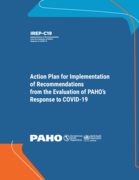
Action Plan for Implementation of Recommendations from the Evaluation of PAHO's Response to COVID-19
An external team evaluated PAHO’s response to COVID-19 to provide an independent assessment of the Pan American Sanitary Bureau’s (PASB) performance regarding preparedness for and response to the COVID-19 pandemic. The evaluations’ final report culminates with eight recommendations for actions
...
to future response to health emergencies. The final report of EPRC culminates with eight evidence-based recommendations of actions to strengthen future pandemic responses, while building a resilient recovery in the Region. The recommendations by the external team focus on PAHO’s governance and management, on specialized regional mechanisms, diversified funding models, and use of new technologies, among others.
more

Adolescence is a critical stage in life for physical, cognitive and emotional development, shaping future health and well-being. Comprehensive measurement of adolescent health is essential to prioritize health issues, guide interventions and track progress. However, global, regional and national ado
...
lescent health measurement has historically been inconsistent and incomplete.
more
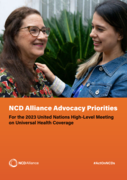
The document is a policy brief by the NCD Alliance for the 2023 United Nations High-Level Meeting on Universal Health Coverage (UHC). It highlights the importance of integrating non-communicable diseases (NCDs) into UHC efforts, with the goal of ensuring equitable health access worldwide.

The document, "Sustainable Management of Radiotherapy Facilities and Equipment," by WHO and IAEA, provides guidelines for managing radiotherapy equipment and facilities to ensure effective and safe cancer treatment. It covers essential aspects like preventive and corrective maintenance, funding, inf
...
rastructure, and staffing requirements for sustainable operation. The document aims to support radiotherapy departments, especially in low-resource settings, by outlining strategies for equipment procurement, maintenance, and replacement, emphasizing safety, quality assurance, and optimal patient care.
more

Sharing successful strategies from the Eastern Mediterranean Region in mitigating noncommunicable diseases and mentalhealth disorders during the COVID-19pandemic and beyond
World Health Organization (WHO) Regional Office for the Eastern Mediterranean
World Health Organization (WHO) Regional Office for the Eastern Mediterranean
(2023)
C_WHO
The "Stories from the field" document by the WHO Regional Office for the Eastern Mediterranean shares effective strategies from the Eastern Mediterranean Region for addressing noncommunicable diseases (NCDs) and mental health challenges, particularly during the COVID-19 pandemic. It highlights regio
...
nal success stories in mitigating NCDs and mental health conditions through innovative, country-specific interventions. The report emphasizes multisectoral collaboration, community engagement, and resilience in public health responses. It aims to inspire further action and knowledge-sharing to enhance health outcomes in challenging settings across the region.
more

The WHO document "Integrating the prevention and control of noncommunicable diseases in HIV/AIDS, tuberculosis, and sexual and reproductive health programmes: implementation guidance" provides a framework for integrating noncommunicable diseases (NCDs) into existing health programs for HIV/AIDS, tub
...
erculosis (TB), and sexual and reproductive health (SRH). It emphasizes the importance of a people-centered approach to enhance healthcare accessibility and efficiency, especially in low-resource settings. The document outlines strategies for strengthening policy, financing, capacity building, and health system infrastructure. It offers actionable steps, tools, and case studies to support countries in reducing the burden of NCDs through integrated, holistic care within primary health services.
more

The "WHO Package of Essential Noncommunicable (PEN) Disease Interventions for Primary Health Care" provides a set of cost-effective, evidence-based interventions to address noncommunicable diseases (NCDs) such as cardiovascular diseases, diabetes, chronic respiratory diseases, and cancers. Designed
...
for implementation in primary healthcare settings, especially in low-resource environments, the package includes protocols for screening, diagnosis, treatment, and management of these diseases. The document emphasizes an integrated approach, supporting universal health coverage by empowering healthcare workers with practical tools to improve NCD care. It aims to reduce premature mortality from NCDs and enhance global health equity.
more

Chronic kidney disease (CKD) is an important contributor to mortality from noncommunicable diseases. No decrease has been seen for CKD mortality contrary to many other important non-communicable diseases (e.g., cardiovascular disease). The prevalence of CKD and kidney failure are increasing all over
...
the world – and thereby also the need for dialysis. Unfortunately, the prevalence increases most rapidly in lowand middle-income countries. Globally, there are great inequities in access and quality of management of kidney failure. Many low- and middle-income countries cannot meet the increased need for dialysis. If the patients receive dialysis, it might only be for a limited period due to the out-of-pocket expenses. There are global disparities in CKD mortality reflecting the disparities in access to care. Lack of access to dialysis is an important cause of the increased CKD mortality in low- and middle-income countries.
more
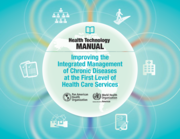
Care for persons with noncommunicable diseases (NCDs), such as cardiovascular disease, diabetes, cancer, and chronic obstructive pulmonary disease, is a major health priority for most countries worldwide, particularly for low-middle income countries where the problem seems to be worsening. Globally,
...
research demonstrates that the vast majority of people with NCDs receive suboptimal care. Many people living with chronic conditions remain undiagnosed and unaware of their condition, while many others remain untreated or with inadequate control. Meanwhile the premature mortality caused by NCDs remains high in many countries. In response to the global epidemic of NCDs, the World Health Organization (WHO) launched the Global Strategy for the Prevention and Control of Noncommunicable Diseases in 2012, which establishes 9 voluntary global targets and indicators to be considered by Member States when formu- lating national plans to combat NCDs.
more

Health system resilience is not an inevitable byproduct of any investment in health but must be intentionally programmed and developed with necessary input, investment and contextualization. This technical product aims to guide national, subnational, and global health actors to operationalize the co
...
ncept of health system resilience for advancement of universal health coverage, health security and ultimately better health for all. It supports the translation of relevant conceptual guidance and high-level recommendations into practical actions.
The specific objectives are to:
present a concise overview of the concept of health system resilience;
provide a roadmap outlining practical and foundational steps for building health system resilience to be adapted to different contexts;
share examples of actions and tools, including stakeholder roles, to support country application of the roadmap.
The target audience for this work is the various stakeholders involved in strengthening health systems and public health including management of emergencies (from prevention and preparedness to response and recovery) and other public health challenges in countries. This ranges from the donors, policy-makers and decision-makers at global, national and subnational levels to the implementing institutions and line managers of health system functions and services across the health system building blocks.
more

Public health emergencies, including pandemics, highlight the need for health systems and services that are prepared, resilient and ready to respond to health security threats. Endorsed by Member States in 2023, the Asia Pacific Health Security Action Framework (APHSAF) is designed to engage m
...
ultisectoral actors in health security, and to reflect the complex nature of current and future public health emergencies. The Framework presents six interconnected, multisectoral domains of work that together form a comprehensive, multi-hazard health security system — emphasizing the One Health approach. The Framework also supports progress towards the Sustainable Development Goals and universal health coverage while meeting the responsibilities and obligations of the International Health Regulations (2005).
more

Medical devices are used for the prevention, diagnosis and treatment of illness and diseases and for rehabilitation. WHO developed guidance on medical device donation in 2011, which has been now reviewed, with new evidence, new references on considerations for medical device solicitation and provisi
...
on, risks associated with inappropriate donations, the responsibilities of donors and recipient, and the steps they should follow before, during and after a donation. It includes three sections: description of major problems that may be faced during the donation process, listing of best practices for donors and recipients and addressing situations requiring special attention. It also has three annexes for further reading: the criteria for the acceptability of a donation, literature review on donations of medical devices between 2010 and 2023 and a flyer. This document is intended to improve the quality of medical devices donations, including medical equipment, single-use medical devices and in-vitro diagnostics, to provide maximum benefit to all stakeholders. The considerations can be used to develop institutional or national policies and regulations for medical devices donations. This document is intended for use by any organization, expert or practitioner involved in the donation, procurement, management of medical devices, including health workers, biomedical engineers, health managers, policymakers, donors, nongovernmental organizations and academic institutions.
more
Background
Asthma education, a key component of long-term asthma management, is challenging in resource-limited settings with shortages of clinical staff. Task-shifting educational roles to lay (non-clinical) staff is a potential solution. We conducted a randomised controlled trial of an enhanced a
...
sthma care intervention for children in Malawi, which included reallocation of asthma education tasks to lay-educators. In this qualitative sub-study, we explored the experiences of asthmatic children, their families and lay-educators, to assess the acceptability, facilitators and barriers, and perceived value of the task-shifting asthma education intervention.
Methods
We conducted six focus group discussions, including 15 children and 28 carers, and individual interviews with four lay-educators and a senior nurse. Translated transcripts were coded independently by three researchers and key themes identified.
Results
Prior to the intervention, participants reported challenges in asthma care including the busy and sometimes hostile clinical environment, lack of access to information and the erratic supply of medication. The education sessions were well received: participants reported greater understanding of asthma and their treatment and confidence to manage symptoms. The lay-educators appreciated pre-intervention training, written guidelines, and access to clinical support. Low education levels among carers presented challenges, requiring an open, non-critical and individualised approach.
Discussion
Asthma education can be successfully delivered by lay-educators with adequate training, supervision and support, with benefits to the patients, their families and the community. Wider implementation could help address human resource shortages and support progress towards Universal Health Coverage.
more

The goal of asthma treatment is to obtain clinical control and reduce future risks to the patient. To reach this goal in children with asthma, ongoing monitoring is essential. While all components of asthma, such as symptoms, lung function, bronchial hyperresponsiveness and inflammation, may exist i
...
n various combinations in different individuals, to date there is limited evidence on how to integrate these for optimal monitoring of children with asthma. The aims of this ERS Task Force were to describe the current practise and give an overview of the best available evidence on how to monitor children with asthma.
22 clinical and research experts reviewed the literature. A modified Delphi method and four Task Force meetings were used to reach a consensus.
This statement summarises the literature on monitoring children with asthma. Available tools for monitoring children with asthma, such as clinical tools, lung function, bronchial responsiveness and inflammatory markers, are described as are the ways in which they may be used in children with asthma. Management-related issues, comorbidities and environmental factors are summarised.
Despite considerable interest in monitoring asthma in children, for many aspects of monitoring asthma in children there is a substantial lack of evidence.
more
