
Filter
4434
Text search:
policy
objectives
Featured
377
1405
Language
4349
101
81
50
42
29
21
14
9
5
5
4
4
4
3
3
3
3
3
3
2
2
2
2
2
2
2
2
2
2
2
2
1
1
1
1
1
1
1
1
1
1
1
1
1
1
1
1
1
1
1
1
1
1
1
Document type
2515
708
524
271
254
89
39
16
7
5
4
Countries
217
182
155
134
124
117
108
106
100
95
95
87
84
82
82
79
70
69
65
52
50
45
41
39
38
37
36
31
30
26
26
26
26
23
23
22
22
21
20
20
17
15
15
15
13
13
12
12
12
11
11
11
10
10
10
9
9
9
8
8
8
7
6
6
6
6
6
5
5
5
5
5
5
4
4
4
4
4
4
4
3
3
3
3
3
3
3
3
3
3
3
3
3
2
2
2
2
2
2
2
2
2
2
2
2
2
2
2
2
2
2
2
2
2
2
2
2
2
1
1
1
1
1
1
1
1
1
1
1
1
1
1
1
1
1
1
1
1
1
1
Authors & Publishers
609
166
138
121
104
80
68
63
34
34
31
31
23
23
21
20
20
20
20
19
19
19
18
17
16
16
16
15
15
15
15
14
14
14
14
14
14
13
13
12
12
12
12
12
12
12
11
11
10
10
10
9
9
9
9
9
9
9
9
9
8
8
8
8
8
8
8
8
8
8
7
7
7
7
7
7
7
7
7
7
7
7
7
7
6
6
6
6
6
6
6
6
6
6
6
6
6
6
6
6
6
6
6
6
6
6
6
6
6
6
6
5
5
5
5
5
5
5
5
5
5
5
5
5
5
5
5
5
5
5
5
5
5
5
5
5
5
5
5
5
5
5
5
5
5
4
4
4
4
4
4
4
4
4
4
4
4
4
4
4
4
4
4
4
4
4
4
4
4
4
4
4
4
4
4
4
4
4
3
3
3
3
3
3
3
3
3
3
3
3
3
3
3
3
3
3
3
3
3
3
3
3
3
3
3
3
3
3
3
3
3
3
3
3
3
3
3
3
3
3
3
3
3
3
3
3
3
3
3
3
3
3
3
3
3
3
3
3
3
3
3
3
3
3
3
3
3
3
3
3
3
3
3
3
3
2
2
2
2
2
2
2
2
2
2
2
2
2
2
2
2
2
2
2
2
2
2
2
2
2
2
2
2
2
2
2
2
2
2
2
2
2
2
2
2
2
2
2
2
2
2
2
2
2
2
2
2
2
2
2
2
2
2
2
2
2
2
2
2
2
2
2
2
2
2
2
2
2
2
2
2
2
2
2
2
2
2
2
2
2
2
2
2
2
2
2
2
2
2
2
2
2
2
2
2
2
2
2
2
2
2
2
2
2
2
2
2
2
2
2
2
2
2
2
2
2
2
2
2
2
2
2
2
2
2
2
2
2
2
2
2
2
2
2
2
2
2
2
2
2
2
2
2
2
2
2
2
2
2
2
2
2
2
2
2
2
2
2
2
2
2
2
2
2
2
2
2
2
2
2
2
2
2
2
2
2
2
2
2
2
2
2
2
2
2
2
2
2
2
2
2
2
2
2
2
2
2
2
2
2
2
2
2
2
2
2
2
2
2
2
2
2
2
2
2
2
2
2
2
2
2
2
2
2
2
2
2
2
2
2
2
2
2
2
2
2
2
2
2
2
2
2
2
2
2
2
2
2
2
2
2
2
2
2
2
2
2
2
2
2
2
2
2
2
1
1
1
1
1
1
1
1
1
1
1
1
1
1
1
1
1
1
1
1
1
1
1
1
1
1
1
1
1
1
1
1
1
1
1
1
1
1
1
1
1
1
1
1
1
1
1
1
1
1
1
1
1
1
1
1
1
1
1
1
1
1
1
1
1
1
1
1
1
1
1
1
1
1
1
1
1
1
1
1
1
1
1
1
1
1
1
1
1
1
1
1
1
1
1
1
1
1
1
1
1
1
1
1
1
1
1
1
1
1
1
1
1
1
1
1
1
1
1
1
1
1
1
1
1
1
1
1
1
1
1
1
1
1
1
1
1
1
1
1
1
1
1
1
1
1
1
1
1
1
1
1
1
1
1
1
1
1
1
1
1
1
1
1
1
1
1
1
1
1
1
1
1
1
1
1
1
1
1
1
1
1
1
1
1
1
1
1
1
1
1
1
1
1
1
1
1
1
1
1
1
1
1
1
1
1
1
1
1
1
1
1
1
1
1
1
1
1
1
1
1
1
1
1
1
1
1
1
1
1
1
1
1
1
1
1
1
1
1
1
1
1
1
1
1
1
1
1
1
1
1
1
1
1
1
1
1
1
1
1
1
1
1
1
1
1
1
1
1
1
1
1
1
1
1
1
1
1
1
1
1
1
1
1
1
1
1
1
1
1
1
1
1
1
1
1
1
1
1
1
1
1
1
1
1
1
1
1
1
1
1
1
1
1
1
1
1
1
1
1
1
1
1
1
1
1
1
1
1
1
1
1
1
1
1
1
1
1
1
1
1
1
1
1
1
1
1
1
1
1
1
1
1
1
1
1
1
1
1
1
1
1
1
1
1
1
1
1
1
1
1
1
1
1
1
1
1
1
1
1
1
1
1
1
1
1
1
1
1
1
1
1
1
1
1
1
1
1
1
1
1
1
1
1
1
1
1
1
1
1
1
1
1
1
1
1
1
1
1
1
1
1
1
1
1
1
1
1
1
1
1
1
1
1
1
1
1
1
1
1
1
1
1
1
1
1
1
1
1
1
1
1
1
1
1
1
1
1
1
1
1
1
1
1
1
1
1
1
1
1
1
1
1
1
1
1
1
1
1
1
1
1
1
1
1
1
1
1
1
1
1
1
1
1
1
1
1
1
1
1
1
1
1
1
1
1
1
1
1
1
1
1
1
1
1
1
1
1
1
1
1
1
1
1
1
1
1
1
1
1
1
1
1
1
1
1
1
1
1
1
1
1
1
1
1
1
1
1
1
1
1
1
1
1
1
1
1
1
1
1
1
1
1
1
1
1
1
1
1
1
1
1
1
1
1
1
1
1
1
1
1
1
1
1
1
1
1
1
1
1
1
1
1
1
1
1
1
1
1
1
1
1
1
1
1
1
1
1
1
1
1
1
1
1
1
1
1
1
1
1
1
1
1
1
1
1
1
1
1
1
1
1
1
1
1
1
1
1
1
1
1
1
1
1
1
1
1
1
1
1
1
1
1
1
1
1
1
1
1
1
1
1
1
1
1
1
1
1
1
1
1
1
1
1
1
1
1
1
1
1
1
1
1
1
1
1
1
1
1
1
1
1
1
1
1
1
1
1
1
1
1
1
1
1
1
1
1
1
1
1
1
1
1
1
1
1
1
1
1
1
1
1
1
1
1
1
1
1
1
1
1
1
1
1
1
1
1
1
1
1
1
1
1
1
1
1
1
1
1
1
1
1
1
1
1
1
1
1
1
1
1
1
1
1
1
1
1
1
1
1
1
1
1
1
1
1
1
1
1
1
1
1
1
1
1
1
1
1
1
1
1
1
1
1
1
1
1
1
1
1
1
1
1
1
1
1
1
1
1
1
1
1
1
1
1
1
1
1
1
1
1
1
1
1
1
1
1
1
1
1
1
1
1
1
1
1
1
1
1
1
1
1
1
1
1
1
1
1
1
1
1
1
1
1
1
1
1
1
1
1
1
1
1
1
1
1
1
1
1
1
1
1
1
1
1
1
1
1
1
1
1
1
1
1
1
1
1
1
1
1
1
1
1
1
1
1
1
1
1
1
1
1
1
1
1
1
1
1
1
1
1
1
1
1
1
1
1
1
1
1
1
1
1
1
1
1
1
1
1
1
1
1
1
1
1
1
1
1
1
1
1
1
1
1
1
1
1
1
1
1
1
1
1
1
1
1
1
1
1
1
1
1
1
1
1
1
1
1
1
1
1
1
1
1
1
1
1
1
1
1
1
1
1
1
1
1
1
1
1
1
1
1
1
1
1
1
1
1
1
1
1
1
1
1
1
1
1
1
1
1
1
1
1
1
1
1
1
1
1
1
1
1
1
1
1
1
1
1
1
1
1
1
1
1
1
1
1
1
1
1
1
1
1
1
1
1
1
1
1
1
1
1
1
1
1
1
1
1
1
1
1
1
1
1
1
1
1
1
1
1
1
1
1
1
1
1
1
1
1
1
1
1
1
1
1
1
1
1
1
1
1
1
1
1
1
1
1
1
1
1
1
1
1
1
1
1
1
1
1
1
1
1
1
1
1
1
1
1
1
1
1
1
1
1
1
1
1
1
1
1
1
1
1
1
1
1
1
1
1
1
1
1
1
1
1
1
1
1
1
1
1
1
1
1
1
1
1
1
1
1
1
1
1
1
1
1
1
1
1
1
1
1
1
1
1
1
1
1
1
1
1
1
1
1
1
1
1
1
1
1
1
1
1
1
1
1
1
1
1
1
1
1
1
1
1
1
1
1
1
1
1
1
1
1
1
1
1
1
1
1
1
1
1
1
1
1
1
1
1
1
1
1
1
1
1
1
1
1
1
1
1
1
1
1
1
1
1
1
1
1
1
1
1
1
1
1
1
1
1
1
1
1
1
1
1
1
1
1
1
1
1
1
1
1
1
1
1
1
1
1
1
1
1
1
1
1
1
1
1
1
1
1
1
1
1
1
1
1
1
1
1
1
1
1
1
1
1
1
1
1
1
1
1
1
1
1
1
1
1
1
1
1
1
1
1
1
1
1
1
1
1
1
1
1
1
1
1
1
1
1
1
1
1
1
1
1
1
1
1
1
1
1
1
1
1
1
1
1
1
1
1
1
1
1
1
1
1
1
1
1
1
1
1
1
1
1
1
1
1
1
1
1
1
1
1
1
1
1
1
1
1
1
1
1
1
1
1
1
1
1
1
1
1
1
1
1
1
1
1
1
1
1
1
1
1
1
1
1
1
1
1
1
1
1
1
1
1
1
1
1
1
1
1
1
1
1
1
1
1
1
1
1
1
1
1
1
1
1
1
1
1
1
1
1
1
1
1
1
1
1
1
1
1
1
1
1
1
1
1
1
1
1
1
1
1
1
1
1
1
1
1
1
1
1
1
1
1
1
1
1
1
1
1
1
1
1
1
1
1
1
1
1
1
1
1
1
1
1
1
1
1
1
1
1
1
1
1
1
1
1
1
1
1
1
1
1
1
1
1
1
1
1
1
1
1
1
1
1
1
1
1
1
1
1
1
1
1
1
1
1
1
1
1
1
1
1
1
1
1
1
1
1
1
1
1
1
1
1
1
1
1
1
1
1
1
1
1
1
1
1
1
1
1
1
1
1
1
1
1
1
1
1
1
1
1
1
1
1
1
1
1
1
1
1
1
1
1
1
1
1
1
1
1
1
1
1
1
1
1
1
1
1
1
1
1
1
1
1
1
1
1
1
1
1
1
1
1
1
1
1
1
1
1
1
1
1
1
1
1
1
1
1
1
1
1
1
1
1
1
1
1
1
1
1
1
1
1
1
1
1
1
1
1
1
1
1
1
1
1
1
1
1
1
1
1
1
1
1
1
1
1
1
1
1
1
1
1
1
1
1
1
1
1
1
1
1
1
1
1
1
1
1
1
1
1
1
1
1
1
1
1
1
1
1
1
1
1
1
1
1
1
1
1
1
1
1
1
1
1
1
1
1
1
1
1
1
1
1
1
1
1
1
1
1
1
1
1
1
1
1
1
1
1
1
1
1
1
1
1
1
1
1
1
1
1
1
1
1
1
1
1
1
1
1
1
1
1
1
1
1
1
1
1
1
1
1
1
1
1
1
1
1
1
1
1
1
1
1
1
1
1
1
1
1
1
1
1
1
1
1
1
1
1
1
1
1
1
1
1
1
1
1
1
1
1
1
1
1
1
1
1
1
1
1
1
1
1
1
1
1
1
1
1
1
1
1
1
1
1
1
1
1
1
1
1
1
1
1
1
1
1
1
1
1
1
1
1
1
1
1
1
1
1
1
1
1
1
1
1
1
1
1
1
1
1
1
1
1
1
1
1
1
1
1
1
1
1
1
1
1
1
1
1
1
1
1
1
1
1
1
1
1
1
1
1
1
1
1
1
1
1
1
1
1
1
1
1
1
1
1
1
1
1
1
1
1
1
1
1
1
1
1
1
1
1
1
1
1
1
1
1
1
1
1
1
1
1
1
1
1
1
1
1
1
1
1
1
1
1
1
1
1
1
1
1
1
1
1
1
1
1
1
1
1
1
1
1
1
1
1
1
1
1
1
1
1
1
1
1
1
1
1
1
1
1
1
1
1
1
1
1
1
1
1
1
1
1
1
1
1
1
1
1
1
1
1
1
1
1
1
1
1
1
1
1
1
1
1
1
1
1
1
1
1
1
1
1
1
1
1
1
1
1
1
1
1
1
1
1
1
1
1
1
1
1
1
1
1
1
1
1
1
1
1
1
1
1
1
1
1
1
1
1
1
1
1
1
1
1
1
1
1
1
1
1
1
1
1
1
1
1
1
1
1
1
1
1
1
1
1
1
1
1
1
1
1
1
1
1
1
1
1
1
1
1
1
1
1
1
1
1
1
1
1
1
1
1
1
1
1
1
1
1
1
1
1
1
1
1
1
1
1
1
1
1
1
1
1
1
1
1
1
1
1
1
1
1
1
1
1
1
1
1
1
1
1
1
1
1
1
1
1
1
1
1
1
1
1
1
1
1
1
1
1
1
1
1
1
1
1
1
1
1
1
1
1
1
1
1
1
1
1
1
1
1
1
1
1
1
1
1
1
1
1
1
1
1
1
1
1
1
1
1
1
1
1
1
1
1
1
1
1
1
1
1
1
1
1
1
1
1
1
1
1
1
1
1
1
1
1
1
1
1
1
1
1
1
1
1
1
1
1
1
1
1
1
1
1
1
1
1
1
1
1
1
1
1
1
1
1
1
1
1
1
1
1
1
1
1
1
1
1
1
1
1
1
1
1
1
1
1
1
1
1
1
1
1
1
1
1
1
1
1
1
1
1
1
1
1
1
1
1
1
1
1
1
1
1
1
1
1
1
1
1
1
1
1
1
1
1
1
1
1
1
1
1
1
1
1
1
1
1
1
1
1
1
1
1
1
1
1
1
1
1
1
1
1
1
1
1
1
1
1
1
1
1
1
1
1
1
1
1
1
1
1
1
1
1
1
1
1
1
1
1
1
1
1
1
1
1
1
1
1
1
1
1
1
1
1
1
1
1
1
1
1
1
1
1
1
1
1
1
1
1
1
1
1
1
1
1
1
1
1
1
1
1
1
1
1
1
1
1
1
1
1
1
1
1
1
1
1
1
1
1
1
1
1
1
1
1
1
1
1
1
1
1
1
1
1
1
1
1
1
1
1
1
1
1
1
1
1
1
1
1
1
1
1
1
1
1
1
1
1
1
1
1
1
1
1
1
1
1
1
1
1
1
1
1
1
1
1
1
1
1
1
1
1
1
1
1
1
1
1
1
1
1
1
1
1
1
1
1
1
1
1
1
1
1
1
1
1
1
1
1
1
1
1
1
1
1
1
1
1
1
1
1
1
1
1
1
1
1
1
1
1
1
1
1
1
1
1
1
1
1
1
1
1
1
1
1
1
1
1
1
1
1
1
1
1
1
1
1
1
1
1
1
1
1
1
1
1
1
1
1
1
1
1
1
1
1
1
1
1
1
1
1
1
1
1
1
1
1
1
1
1
1
1
1
1
1
1
1
1
1
1
1
1
1
1
1
1
1
1
1
1
1
1
1
1
1
1
1
1
1
1
1
1
1
1
1
1
1
1
1
1
1
1
1
1
1
1
1
1
1
1
1
1
1
1
1
1
1
1
1
1
1
1
1
1
1
1
1
1
1
1
1
1
1
1
1
1
1
1
1
1
1
1
1
1
1
1
1
1
1
1
1
1
1
1
1
1
1
1
1
1
1
1
1
1
1
1
1
1
1
1
1
1
1
1
1
1
1
1
1
1
1
1
1
1
1
1
1
1
1
1
1
1
1
1
1
1
1
1
1
1
1
1
1
1
1
1
1
1
1
1
1
1
1
1
1
1
1
1
1
1
1
1
1
1
1
1
1
1
1
1
1
1
1
1
1
1
1
1
1
1
1
1
1
1
1
1
1
1
1
1
1
1
1
1
1
1
1
Publication Years
1
1165
2805
438
24
1
Category
1959
374
283
229
222
104
34
1
Toolboxes
276
206
203
200
195
167
116
116
115
102
98
94
83
81
80
77
62
60
58
48
25
24
20
18
13
1
1
Antimicrobial resistance has become a serious public health threat for effective treatment of an ever increasing range of infections caused by bacteria, parasites, viruses and fungi. When infections can no longer be treated by first-line antibiotics, other antibiotics must be used, which are both mo
...
re expensive and more toxic. Treatment and hospitalization is prolonged, and patients undergoing operations and other medical procedures are more vulnerable to infections. All this imposes a huge burden on health care systems and on the economy of countries. This is a major challenge to the health system in Mauritius which provides health care free of user cost to the whole population.
more

Updated with information on Ebola virus disease and Middle East respiratory syndrome coronavirus
A wide variety of health events ranging in severity may occur related to air transport, requiring different responses or, perhaps, no response at all. The target audience for this guidance document incl
...
udes the national focal points (NFP) for the IHR and public health authorities at PoE, as well as national aviation regulatory authorities, airport operators and personnel, aircraft operators, air crew and other stakeholders involved in air transport and emergency preparedness and response to public health events
more

The management of information and logistics is an essential component of health product systems. In a context of limited financial resources and morbidity and mortality sustained by persistent diseases, it is necessary to strengthen health systems through competent resources, especially human resour
...
ces (HR), to ensure performance, sustainability and independence from external funding. In Burkina Faso, a strong and lasting partnership between the Ministry of Health and the Bioforce Institute has existed since 2005 to address this issue. This partnership has created a favorable environment for the professionalization of health logistics and for the recognition of its significant role in health system performance.
more
The animal health subsector within the agriculture sector is the gatekeeper of antimicrobial resistance (AMR) in livestock, aquaculture, animal products, and the immediate animal environment. In support of member countries taking responsibility for and moving forward with putting AMR monitoring and
...
surveillance in place for the animal sector, the Food and Agriculture Organization of the United Nations Regional Office for Asia and the Pacific (FAO-RAP) developed a regional AMR surveillance framework, each pillar of which is complemented by a guideline to reinforce its progressive implementation. The first of this series, Volume 1: Monitoring and surveillance of antimicrobial resistance in bacteria from healthy food animals intended for consumption, is centered on healthy animals reaching consumers and on the protection of public health.
more
This handbook follows a comprehensive approach to health system strengthening at borders in order to support IHR national focal points and other national agencies in developing and implementing evidence-based action plans for IHR capacity development at ground crossings. The approach includes the mo
...
vement of travellers and baggage, cargo, containers, conveyances, goods and postal parcels across ground crossings, as well as the interaction with adjacent border communities. Other factors can be considered, if needed, throughout the risk assessment.
more
Antibiotic stewardship refers to coordinated efforts and activities that seek to measure and improve use of antibiotics. Implementation of ASPs has demonstrated positive public health and clinical impacts including reducing costs, lengths of hospital stays, and the burden of antibiotic resistance wh
...
ile maintaining or improving patient outcomes. The U.S. Centers for Disease Control and Prevention (CDC) released the Core Elements of Hospital Antibiotic Stewardship Programs in 2014, which outlines essential components for ASPs in hospitals and provides practical guidance for implementing a robust ASPin an acute care facility. Variations to the Core Elements have been developed to deal with the particular challenges in small, rural or critical access hospitals in the United States and in outpatient facilities and nursing homes.
more
The global emergence of antimicrobial resistance (AMR) is posing a threat to human health. Putting resources into the containment of AMR – including surveillance – is one of the highest-yield investments a country can make to mitigate its impact. In 2015, WHO launched the Global Antimicrobial Re
...
sistance Surveillance System (GLASS), the first global collaborative effort to foster AMR surveillance in bacteria causing acute infections. As of December 2018, 71 countries are enrolled in GLASS. The aim of this report is to document participation efforts and outcomes across these countries, and highlight differences and constraints identified to date. This report follows on from the first GLASS Report – Early implementation 2016-17, published in January 2018, and drawing on data from GLASS first data call in 2017.
more
This guidance document is based on research of social media activity related to antibiotic use at EU level, as well as on a survey of the social media activities of EAAD partner organisations, mostly EU umbrella organisations of patients and health professionals. The research showed that there is al
...
ready some social media activity on prudent antibiotic use and that a few potential influencers are emerging. Similarly, the survey of the EU-wide partners of EAAD showed that respondents are becoming active on social media platforms.
more
ຢາຕ້ານເຊື້ອຈຸລະຊີບ (Antimicrobial medicines) ມີຄວາມສໍາຄັນຫຼາຍຕໍ່ວຽກງານການແພດ, ສາທາລະນະສຸກ, ສຸຂະພາບສັດ ແລະ ການຜະລິດອາຫານ. ເນà
...
º·່ອງຈາກວ່າ ຢາດັ່ງກ່າວນີ້ ແມ່ນໃຊ້ເພື່ອປ້ອງກັນ ແລະ ປິ່ນປົວພະຍາດຊືມເຊື້ອ ທີ່ມີ ຈໍາພວກເຊື້ອຈຸລິນຊີ (Bacteria) ເປັນຫນື່ງໃນສາເຫດທີ່ເຮັດໃຫ້ຄົນ ແລະ ສັດເສຍຊີວິດ ໃຫ້ຫຼຸດລົງໄດ້ ແລະ ມີບົດບາດຫຼາຍໃນວົງ ການແພດແຜນປະຈຸບັນ ເປັນຕົ້ນແມ່ນ ການຜ່າຕັດ ຊຶ່ງມີຄວາມສ່ຽງຕໍ່ການຕິດເຊື້ອໄດ້ງ່າຍຈຶ່ງຈໍາເປັນຕ້ອງໄດ້ເພິ່ງພາຢາຕ້ານເຊື້ອຈຸລະ ຊີບ ທີ່ມີປະສິດທິພາບເພື່ອປ້ອງກັນ ແລະ ປິ່ນປົວການຕິດເຊື້ອທີ່ອາດເກີດຂຶ້ນ. ນອກຈາກນີ້ແລ້ວ ມັນຍັງມີຄວາມຈໍາເປັນສໍາລັບ ປ້ອງກັນ ແລະ ປິ່ນປົວ ໃນວຽກງານສັດຕະວະແພດ ແລະ ການກະສິກໍາ ເປັນຕົ້ນ: ການລ້ຽງສັດ, ການປະມົງ, ການປູກຝັງ ແລະ ມີຄວາມສໍາຄັນຕໍ່ ສຸຂະພາບສັດ ພືດ ຕ່ອງໂສ້ການຜະລິດອາຫານ ແລະ ເສດຖະກິດຂອງຊາດອີກດ້ວຍ.
more
Accessed: 02.04.2020

Spread of resistance to antimicrobial agents (AMR) does not know national borders and has reached dimensions, which require immediate actions at the national, regional and global levels.
Antibiotic resistance is a natural biological response to improper use of antimicrobial agents (AMA); increasing
...
number of essential drugs, which become ineffective, contributing to selection, survival and replication of resistant strains of microorganisms. When chosen antimicrobials prove to be ineffective, the second- or third-line drugs need to be used although
in the majority of cases these drugs are more expensive, less safe and not always available.
more
Today, the world is facing a learning crisis: While millions of children have entered education systems for the first time, many of them cannot read, write or do basic mathematics, even after several years of primary school.1 This global learning crisis has its roots in children’s earliest years,
...
when failure to invest in quality early childhood education (ECE)results in children starting school already behind in a host of critical skills they need to succeed in primary school.2Investing in the foundations of learning during the child’s early years benefits children,3 families, education systems and societies at large.4 Participation in quality ECE sets in motion a positive learning cycle and is a proven strategy to address the global learning crisis at its roots by closing early learning gaps, strengthening the efficiency of education systems and providing a solid foundation for human capital development and economic grow
more
Training module for Incident response system - Basic & Intermediate
National Institute of Disaster Management (nidm); Ministry of Home Affairs; Government of India
National Institute of Disaster Management (nidm); Ministry of Home Affairs; Government of India
(2020)
C2
Accessed: 16.04.2020
National Guideline on Maternal and Perinatal Death Surveillance an Response
Dr. Md. A. Hasan; Dr. S. A. J. Md. Musa; Dr. R. Mahmud et al.
Ministry of Health & Family Welfare Government of the Peoples Republic of Bangladesh; World Health Organization (WHO); Unicef; et al.
(2016)
C2
Considerations for implementing and adjusting public health and social measures in the context of COVID-19
recommended
interim guidance, 14 June 2021
This document is intended for national authorities and decision makers in countries that have introduced large scale public health and social measures. It offers guidance for adjusting public health and social measures, while managing the risk of a resurgence of cases
...
.
Available in English, Arabic, Chinese, French, Russian and Spanish
more
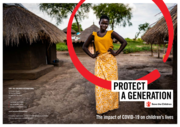
An estimated 99% of children worldwide – or more than 2.3 billion children – live in one of the 186 countries that have implemented some form of restrictions due to COVID-191. Although children are not at a high risk of direct harm from the virus, they are disproportionately affected by its hid
...
den impacts.
more
This guidance note developed by UNICEF explains how the WASH sector can implement infection prevention and control measures in households and community settings. It focuses on reducing the exposure to the disease in vulnerable community settings and public spaces, and the transmission of the disease
...
in home and community settings hosting patients and contacts. This brief is available in English, Spanish, and French here.
more

The “United Nations Framework for the immediate socio-economic response to COVID-19: Shared responsibility, global solidarity and urgent action for people in need” calls for protecting jobs, businesses and livelihoods to set in motion a safe recovery of societies and economies as soon as possibl
...
e for a more sustainable, gender-equal, and carbon-neutral path—better than the “old normal”.
more
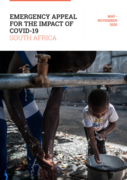
South Africa reported it fist case of COVID-19 on 5 March 2020. While the first cases were imported, local transmission has led to a rapid increase in the number of cases. As of 21 April 2020, more than 3,400 cases and 58 deaths had been confirmed. On 15 March, President Cyril Ramaphosa declared a n
...
ational state of disaster, and the government has since taken several measures to curb the spread of the virus, including closing borders, implementing strict social distancing measures and a 35-day nation-wide lockdown. These measures, along with the global economic shock caused by the pandemic, are expected to generate rising needs requiring an immediate and urgent response. Although South Africa is considered an upper-middle-income country, the amount of disparities—social, economic, and gender—make the country particularly vulnerable during this emergency.
more
