
Filter
4793
Text search:
health
and
nutrition
Featured
392
1461
Language
4325
366
134
81
72
36
31
17
16
13
11
8
7
6
5
5
5
5
4
4
4
4
4
4
4
3
3
3
3
3
3
3
2
2
2
2
2
2
2
2
2
2
2
1
1
1
1
1
1
1
1
1
1
1
1
1
1
1
1
1
1
1
1
Document type
2732
828
490
233
206
89
85
54
27
17
10
9
7
3
1
Countries
267
214
181
154
132
109
98
93
92
90
88
84
80
79
76
72
71
70
60
60
57
54
52
48
46
42
41
41
39
38
38
37
36
35
32
30
28
25
22
21
21
19
18
17
16
16
15
15
15
14
14
14
13
13
13
13
12
11
10
10
10
9
9
8
8
7
7
7
6
6
6
5
5
5
5
5
5
5
5
4
4
4
4
4
3
3
3
3
3
3
3
3
3
2
2
2
2
2
2
2
2
2
2
2
2
2
2
2
2
2
1
1
1
1
1
1
1
1
1
1
1
1
1
1
1
1
1
1
1
1
1
1
1
1
1
1
1
1
Authors & Publishers
424
153
152
132
120
104
89
84
73
45
30
30
28
28
27
27
26
25
24
24
22
21
21
21
20
20
20
20
18
17
17
17
16
16
15
15
15
15
15
15
15
14
14
14
14
13
13
13
13
13
13
13
12
12
12
12
12
12
11
11
11
10
10
10
10
10
9
9
9
9
9
9
9
9
9
9
8
8
8
8
8
8
8
8
8
8
7
7
7
7
7
7
7
7
7
7
7
7
7
7
7
7
7
7
7
7
7
7
7
6
6
6
6
6
6
6
6
6
6
6
6
6
6
6
6
6
6
6
6
6
6
6
6
6
6
6
6
6
6
6
6
6
6
6
5
5
5
5
5
5
5
5
5
5
5
5
5
5
5
5
5
5
5
5
5
5
5
5
5
5
5
5
5
5
5
5
5
5
5
5
5
5
5
5
5
5
5
5
5
5
4
4
4
4
4
4
4
4
4
4
4
4
4
4
4
4
4
4
4
4
4
4
4
4
4
4
4
4
4
4
4
4
4
4
4
4
4
4
4
4
4
4
4
4
4
3
3
3
3
3
3
3
3
3
3
3
3
3
3
3
3
3
3
3
3
3
3
3
3
3
3
3
3
3
3
3
3
3
3
3
3
3
3
3
3
3
3
3
3
3
3
3
3
3
3
3
3
3
3
3
3
3
3
3
3
3
3
3
3
3
3
3
3
3
3
3
3
3
3
3
3
3
3
3
3
3
3
3
3
3
3
3
3
3
3
3
3
3
3
3
3
3
3
3
3
2
2
2
2
2
2
2
2
2
2
2
2
2
2
2
2
2
2
2
2
2
2
2
2
2
2
2
2
2
2
2
2
2
2
2
2
2
2
2
2
2
2
2
2
2
2
2
2
2
2
2
2
2
2
2
2
2
2
2
2
2
2
2
2
2
2
2
2
2
2
2
2
2
2
2
2
2
2
2
2
2
2
2
2
2
2
2
2
2
2
2
2
2
2
2
2
2
2
2
2
2
2
2
2
2
2
2
2
2
2
2
2
2
2
2
2
2
2
2
2
2
2
2
2
2
2
2
2
2
2
2
2
2
2
2
2
2
2
2
2
2
2
2
2
2
2
2
2
2
2
2
2
2
2
2
2
2
2
2
2
2
2
2
2
2
2
2
2
2
2
2
2
2
2
2
2
2
2
2
2
2
2
2
2
2
2
2
2
2
2
2
2
2
2
2
2
2
2
2
2
2
2
2
2
2
2
2
2
2
2
2
2
2
2
2
2
2
2
2
2
2
2
2
2
2
2
2
2
2
2
2
2
2
2
2
2
2
2
2
2
2
2
2
2
2
2
2
2
2
2
2
2
2
2
2
2
2
2
2
2
2
2
2
2
2
2
2
2
2
2
2
2
2
2
2
2
2
2
2
2
2
2
2
1
1
1
1
1
1
1
1
1
1
1
1
1
1
1
1
1
1
1
1
1
1
1
1
1
1
1
1
1
1
1
1
1
1
1
1
1
1
1
1
1
1
1
1
1
1
1
1
1
1
1
1
1
1
1
1
1
1
1
1
1
1
1
1
1
1
1
1
1
1
1
1
1
1
1
1
1
1
1
1
1
1
1
1
1
1
1
1
1
1
1
1
1
1
1
1
1
1
1
1
1
1
1
1
1
1
1
1
1
1
1
1
1
1
1
1
1
1
1
1
1
1
1
1
1
1
1
1
1
1
1
1
1
1
1
1
1
1
1
1
1
1
1
1
1
1
1
1
1
1
1
1
1
1
1
1
1
1
1
1
1
1
1
1
1
1
1
1
1
1
1
1
1
1
1
1
1
1
1
1
1
1
1
1
1
1
1
1
1
1
1
1
1
1
1
1
1
1
1
1
1
1
1
1
1
1
1
1
1
1
1
1
1
1
1
1
1
1
1
1
1
1
1
1
1
1
1
1
1
1
1
1
1
1
1
1
1
1
1
1
1
1
1
1
1
1
1
1
1
1
1
1
1
1
1
1
1
1
1
1
1
1
1
1
1
1
1
1
1
1
1
1
1
1
1
1
1
1
1
1
1
1
1
1
1
1
1
1
1
1
1
1
1
1
1
1
1
1
1
1
1
1
1
1
1
1
1
1
1
1
1
1
1
1
1
1
1
1
1
1
1
1
1
1
1
1
1
1
1
1
1
1
1
1
1
1
1
1
1
1
1
1
1
1
1
1
1
1
1
1
1
1
1
1
1
1
1
1
1
1
1
1
1
1
1
1
1
1
1
1
1
1
1
1
1
1
1
1
1
1
1
1
1
1
1
1
1
1
1
1
1
1
1
1
1
1
1
1
1
1
1
1
1
1
1
1
1
1
1
1
1
1
1
1
1
1
1
1
1
1
1
1
1
1
1
1
1
1
1
1
1
1
1
1
1
1
1
1
1
1
1
1
1
1
1
1
1
1
1
1
1
1
1
1
1
1
1
1
1
1
1
1
1
1
1
1
1
1
1
1
1
1
1
1
1
1
1
1
1
1
1
1
1
1
1
1
1
1
1
1
1
1
1
1
1
1
1
1
1
1
1
1
1
1
1
1
1
1
1
1
1
1
1
1
1
1
1
1
1
1
1
1
1
1
1
1
1
1
1
1
1
1
1
1
1
1
1
1
1
1
1
1
1
1
1
1
1
1
1
1
1
1
1
1
1
1
1
1
1
1
1
1
1
1
1
1
1
1
1
1
1
1
1
1
1
1
1
1
1
1
1
1
1
1
1
1
1
1
1
1
1
1
1
1
1
1
1
1
1
1
1
1
1
1
1
1
1
1
1
1
1
1
1
1
1
1
1
1
1
1
1
1
1
1
1
1
1
1
1
1
1
1
1
1
1
1
1
1
1
1
1
1
1
1
1
1
1
1
1
1
1
1
1
1
1
1
1
1
1
1
1
1
1
1
1
1
1
1
1
1
1
1
1
1
1
1
1
1
1
1
1
1
1
1
1
1
1
1
1
1
1
1
1
1
1
1
1
1
1
1
1
1
1
1
1
1
1
1
1
1
1
1
1
1
1
1
1
1
1
1
1
1
1
1
1
1
1
1
1
1
1
1
1
1
1
1
1
1
1
1
1
1
1
1
1
1
1
1
1
1
1
1
1
1
1
1
1
1
1
1
1
1
1
1
1
1
1
1
1
1
1
1
1
1
1
1
1
1
1
1
1
1
1
1
1
1
1
1
1
1
1
1
1
1
1
1
1
1
1
1
1
1
1
1
1
1
1
1
1
1
1
1
1
1
1
1
1
1
1
1
1
1
1
1
1
1
1
1
1
1
1
1
1
1
1
1
1
1
1
1
1
1
1
1
1
1
1
1
1
1
1
1
1
1
1
1
1
1
1
1
1
1
1
1
1
1
1
1
1
1
1
1
1
1
1
1
1
1
1
1
1
1
1
1
1
1
1
1
1
1
1
1
1
1
1
1
1
1
1
1
1
1
1
1
1
1
1
1
1
1
1
1
1
1
1
1
1
1
1
1
1
1
1
1
1
1
1
1
1
1
1
1
1
1
1
1
1
1
1
1
1
1
1
1
1
1
1
1
1
1
1
1
1
1
1
1
1
1
1
1
1
1
1
1
1
1
1
1
1
1
1
1
1
1
1
1
1
1
1
1
1
1
1
1
1
1
1
1
1
1
1
1
1
1
1
1
1
1
1
1
1
1
1
1
1
1
1
1
1
1
1
1
1
1
1
1
1
1
1
1
1
1
1
1
1
1
1
1
1
1
1
1
1
1
1
1
1
1
1
1
1
1
1
1
1
1
1
1
1
1
1
1
1
1
1
1
1
1
1
1
1
1
1
1
1
1
1
1
1
1
1
1
1
1
1
1
1
1
1
1
1
1
1
1
1
1
1
1
1
1
1
1
1
1
1
1
1
1
1
1
1
1
1
1
1
1
1
1
1
1
1
1
1
1
1
1
1
1
1
1
1
1
1
1
1
1
1
1
1
1
1
1
1
1
1
1
1
1
1
1
1
1
1
1
1
1
1
1
1
1
1
1
1
1
1
1
1
1
1
1
1
1
1
1
1
1
1
1
1
1
1
1
1
1
1
1
1
1
1
1
1
1
1
1
1
1
1
1
1
1
1
1
1
1
1
1
1
1
1
1
1
1
1
1
1
1
1
1
1
1
1
1
1
1
1
1
1
1
1
1
1
1
1
1
1
1
1
1
1
1
1
1
1
1
1
1
1
1
1
1
1
1
1
1
1
1
1
1
1
1
1
1
1
1
1
1
1
1
1
1
1
1
1
1
1
1
1
1
1
1
1
1
1
1
1
1
1
1
1
1
1
1
1
1
1
1
1
1
1
1
1
1
1
1
1
1
1
1
1
1
1
1
1
1
1
1
1
1
1
1
1
1
1
1
1
1
1
1
1
1
1
1
1
1
1
1
1
1
1
1
1
1
1
1
1
1
1
1
1
1
1
1
1
1
1
1
1
1
1
1
1
1
1
1
1
1
1
1
1
1
1
1
1
1
1
1
1
1
1
1
1
1
1
1
1
1
1
1
1
1
1
1
1
1
1
1
1
1
1
1
1
1
1
1
1
1
1
1
1
1
1
1
1
1
1
1
1
1
1
1
1
1
1
1
1
1
1
1
1
1
1
1
1
1
1
1
1
1
1
1
1
1
1
1
1
1
1
1
1
1
1
1
1
1
1
1
1
1
1
1
1
1
1
1
1
1
1
1
1
1
1
1
1
1
1
1
1
1
1
1
1
1
1
1
1
1
1
1
1
1
1
1
1
1
1
1
1
1
1
1
1
1
1
1
1
1
1
1
1
1
1
1
1
1
1
1
1
1
1
1
1
1
1
1
1
1
1
1
1
1
1
1
1
1
1
1
1
1
1
1
1
1
1
1
1
1
1
1
1
1
1
1
1
1
1
1
1
1
1
1
1
1
1
1
1
1
1
1
1
1
1
1
1
1
1
1
1
1
1
1
1
1
1
1
1
1
1
1
1
1
1
1
1
1
1
1
1
1
1
1
1
1
1
1
1
1
1
1
1
1
1
1
1
1
1
1
1
1
1
1
1
1
1
1
1
1
1
1
1
1
1
1
1
1
1
1
1
1
1
1
1
1
1
1
1
1
1
1
1
1
1
1
1
1
1
1
1
1
1
1
1
1
1
1
1
1
1
1
1
1
1
1
1
1
1
1
1
1
1
1
1
1
1
1
1
1
1
1
1
1
1
1
1
1
1
1
1
1
1
1
1
1
1
1
1
1
1
1
1
1
1
1
1
1
1
1
1
1
1
1
1
1
1
1
1
1
1
1
1
1
1
1
1
1
1
1
1
1
1
1
1
1
1
1
1
1
1
1
1
1
1
1
1
1
1
1
1
1
1
1
1
1
1
1
1
1
1
1
1
1
1
1
1
1
1
1
1
1
1
1
1
1
1
1
1
1
1
1
1
1
1
1
1
1
1
1
1
1
1
1
1
1
1
1
1
1
1
1
1
1
1
1
1
1
1
1
1
1
1
1
1
1
1
1
1
1
1
1
1
1
1
1
1
1
1
1
1
1
1
1
1
1
1
1
1
1
1
1
1
1
1
1
1
1
1
1
1
1
1
1
1
1
1
1
1
1
1
1
1
1
1
1
1
1
1
1
1
1
1
1
1
1
1
1
1
1
1
1
1
1
1
1
1
1
1
1
1
1
1
1
1
1
1
1
1
1
1
1
1
1
1
1
1
1
1
1
1
1
1
1
1
1
1
1
1
1
1
1
1
1
1
1
1
1
1
1
1
1
1
1
1
1
1
1
1
1
1
1
1
1
1
1
1
1
1
1
1
1
1
1
1
1
1
1
1
1
1
1
1
1
1
1
1
1
1
1
1
1
1
1
1
1
1
1
1
1
1
1
1
1
1
1
1
1
1
1
1
1
1
1
1
1
1
1
1
1
1
1
1
1
1
1
1
1
1
1
1
1
1
1
1
1
1
1
1
1
1
1
1
1
1
1
1
1
1
1
1
1
1
1
1
1
1
1
1
1
1
1
1
1
1
1
1
1
1
1
1
1
1
1
1
1
1
1
1
1
1
1
1
1
1
1
1
1
1
1
1
1
1
1
1
1
1
1
1
1
1
1
1
1
1
1
1
1
1
1
1
1
1
1
1
1
1
1
1
1
1
1
1
1
1
1
1
1
1
1
1
1
1
1
1
1
1
1
1
1
1
1
1
1
1
1
1
1
1
1
1
1
1
1
1
1
1
1
1
1
1
1
1
1
1
1
1
1
1
1
1
1
1
1
1
1
1
1
1
1
1
1
1
1
1
1
1
1
1
1
1
1
1
1
1
1
1
1
1
1
1
1
1
1
1
1
1
1
1
1
1
1
1
1
1
1
1
1
1
1
1
1
1
1
1
1
1
1
1
1
1
1
1
1
1
1
1
1
1
1
1
1
1
1
1
1
1
1
1
1
1
1
1
1
1
1
1
1
1
1
1
1
1
1
1
1
1
1
1
1
1
1
1
1
1
1
1
1
1
1
1
1
1
1
1
1
1
1
1
1
1
1
1
1
1
1
1
1
1
1
1
1
1
1
1
1
1
1
1
1
1
1
1
1
1
1
1
1
1
1
1
1
1
1
1
1
1
1
1
1
1
1
1
1
1
1
1
1
1
1
1
1
1
1
1
1
1
1
1
1
1
1
1
1
1
1
1
1
1
1
1
1
1
1
1
1
1
1
1
1
1
1
1
1
1
1
1
1
1
1
1
1
1
1
1
1
1
1
1
1
1
1
1
1
1
1
1
1
1
1
1
1
1
1
1
1
1
1
1
1
1
1
1
1
1
1
1
1
1
1
1
1
1
1
1
1
1
1
1
1
1
1
1
1
1
1
1
1
1
1
1
1
1
1
1
1
1
1
1
1
1
1
1
1
1
1
1
1
1
1
1
1
1
1
1
1
1
1
1
1
1
1
1
1
1
1
1
1
1
1
1
1
1
1
1
1
1
1
1
1
1
1
1
1
1
1
1
1
1
1
1
1
1
1
1
1
1
1
1
1
1
1
1
1
1
1
1
1
1
1
1
1
1
1
1
1
1
1
1
1
1
1
1
1
1
1
1
1
1
1
1
1
1
1
1
1
1
1
1
1
1
1
1
1
1
1
1
1
1
1
1
1
1
1
1
1
1
1
1
1
1
1
1
1
1
1
1
1
1
1
1
1
1
1
1
1
1
1
1
1
1
1
1
1
1
1
1
1
1
1
1
1
1
1
1
1
1
1
1
1
1
1
1
1
1
1
1
1
1
1
1
1
1
1
1
1
1
1
1
1
1
1
1
1
1
1
1
1
1
1
1
1
1
1
1
1
1
1
1
1
1
1
1
1
1
1
1
1
1
1
1
1
1
1
1
1
1
1
1
1
1
1
1
1
1
1
1
1
1
1
1
1
1
1
1
1
1
1
1
1
1
1
1
1
1
1
1
1
1
1
1
1
1
1
1
1
1
1
1
1
1
1
1
1
1
1
1
1
1
1
1
1
1
1
1
1
1
1
1
1
1
1
1
1
1
1
1
1
1
1
1
1
1
1
1
1
1
1
1
1
1
1
1
1
1
1
1
1
1
1
1
1
1
1
1
1
1
1
1
1
1
1
1
1
1
1
1
1
1
1
1
1
1
1
1
1
1
1
1
1
1
1
1
1
1
1
1
1
1
1
1
1
1
1
1
1
1
1
1
1
1
1
1
1
1
1
1
1
1
1
1
1
1
1
1
1
1
1
1
1
1
1
1
1
1
1
1
1
1
1
1
1
1
1
1
1
1
1
1
1
1
1
1
1
1
1
1
1
1
1
1
1
1
1
1
1
1
1
1
1
1
1
1
1
1
1
1
1
1
1
1
1
1
1
1
1
1
1
1
1
1
1
1
1
1
1
1
1
1
1
1
1
1
1
1
1
1
1
1
1
1
1
1
1
1
1
1
1
1
1
1
1
1
1
1
1
1
1
1
1
1
1
1
1
1
1
1
1
1
1
1
1
Publication Years
1321
3001
448
19
4
Category
2252
429
340
277
274
123
12
Toolboxes
292
247
222
189
177
175
154
144
116
96
95
89
72
67
60
47
44
41
35
34
32
14
14
13
12
4
2
Leishmaniasis is a climate-sensitive disease. Changes in temperature, rainfall, and humidity can have strong impacts on
the sandfly vector, altering their distribution and influencing their surviva
...
l and population sizes. Increased temperatures shorten vector development time, reduce Leishmania parasite incubation time, and increase vector biting rates, allowing transmission
in areas not previously endemic for the disease. Poor and
marginalized communities will be hit disproportionately harder by
the effects of climate change, and droughts, famines, and floods
can also lead to displacement and migration of immunologically
naive people to areas where leishmaniasis is endemic, posing a
threat of leishmaniasis outbreaks.
more
Accessed on 22.04.2023
To target helminth elimination, a new consortium of research institutes, universities, not-for-profit organizations, and pharmaceutical companies have joined forces and ex
...
pertise to establish a research and development pipeline for the development of anthelminthics targeting nematodes. The focus is on STH as well as onchocerciasis.
more
Community Based Rehabilitation for Children with Disabilities: Good Practices and Lessons from Save the Children Norway Ethiopia Programme Intervention
National Strategic Plan of Ministry of Health 2015-2019
This document summarizes preparedness and response activities to address the coronavirus disease (COVID-19) outbreak in South Sudan through the end of 2020. The addendum includes the activities and
...
financial requirements of the updated National COVID-19 Response Plan. Originally issued in March prior to identification of the first person confirmed with COVID-19 in South Sudan and with a focus on preparedness, the updated plan encompasses a significantly scaled-up national response.
more
A call for national and regional containment, recovery and prevention
This Global Plan builds on the previous edition, which laid out priority actions for 2018-2022, informed by global commitments member states endorsed at the 2018 United Nations High-Level Meeting (UNHLM) on TB. The resource needs estimates from this Global Plan include resources needed for implement
...
ing TB care and prevention and R&D into new tools. This Global Plan has already informed the Global Fund Investment Case and the 2022 G20 deliberations on TB. It will serve as a key document for inspiring and aligning global advocacy efforts, such as for the upcoming UNHLM on TB in 2023.
more
This resource presents "the minimum level of educational quality and access in emergencies through to recovery. The aim of the handbook is to enhance the quality of educational preparedness, response and
...
recovery; to increase access to safe and relevant learning opportunities for all learners, regardless of their age, gender or abilities; and to ensure accountability and strong coordination in the provision of education in emergencies through to recovery...The INEE Minimum Standards are organised in five domains: Foundation standards; Access and learning environment; Teaching and learning; Teachers and other education; personnel; Education policy". Available in different languages: English, French, Arabic, Azerbajani, Bangla, Indonesia, Bosnian, Coratian, Serbian, Burmese, Chinese, Dari, Japanese, Nepali, Pashto, Portugese, Russian, Spanish, Turkish, Urdu, Vietnamese
more

In April and May 2015, Nepal was hit by two major earthquakes killing around 9,000 people and leaving many thousands more injured and homeless.
... To optimize the speed and volume of critical humanitarian assistance, the HCT has developed this Plan to:
1. Reach a common understanding of earthquake risk to ensure early action is taken when required.
2. Establish a minimum level of earthquake preparedness across clusters.
3. Build the basis for a joint HCT response strategy to meet the needs of affected people in the first 6 weeks to 3 months of a response.
4. Define considerations for detailed contingency planning on the basis of the worst-case scenario, especially around access and logistics. more
... To optimize the speed and volume of critical humanitarian assistance, the HCT has developed this Plan to:
1. Reach a common understanding of earthquake risk to ensure early action is taken when required.
2. Establish a minimum level of earthquake preparedness across clusters.
3. Build the basis for a joint HCT response strategy to meet the needs of affected people in the first 6 weeks to 3 months of a response.
4. Define considerations for detailed contingency planning on the basis of the worst-case scenario, especially around access and logistics. more
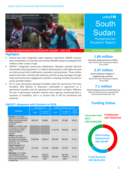
- Twenty-two joint integrated rapid response mechanism (IRRM) missions were conducted in 11 counties and reached 305,887 people including 65,432 children under 5 years of age.
- UNICEF’s Integrated Community Mobilization Network reached 345,2 ... 19 households (total population 2.1 million) advocating for child rights focused on child survival, birth notification, education and protection. Three million people have been reached with advocacy and life-saving messages through radio and community engagement activities, including activities focused on youth and faith leaders.
- On 27 June, discussions between President Salva Kiir and former First Vice President Riek Machar in Khartoum culminated in agreement to a permanent ceasefire and the opening of humanitarian corridors, effective 30 June. more
- UNICEF’s Integrated Community Mobilization Network reached 345,2 ... 19 households (total population 2.1 million) advocating for child rights focused on child survival, birth notification, education and protection. Three million people have been reached with advocacy and life-saving messages through radio and community engagement activities, including activities focused on youth and faith leaders.
- On 27 June, discussions between President Salva Kiir and former First Vice President Riek Machar in Khartoum culminated in agreement to a permanent ceasefire and the opening of humanitarian corridors, effective 30 June. more
Myanmar 2019 Humanitarian needs overview
recommended
Over 244,000 displaced people remain in camps or camp-like situations in Kachin, Shan, Rakhine
and Kayin states. Children make up at least 50 per cent of this population, while women and„Myanmar:
...
2019 Humanitarian Needs Overview - Myanmar“. ReliefWeb. Zugegriffen 4. Januar 2019. https://reliefweb.int/report/myanmar/myanmar-2019-humanitarian-needs-overview.
children together make up about 77 per cent. This includes approximately 97,000 people in
Kachin, 8,800 in Shan and 10,300 in Kayin who remain displaced as a result of the armed conflict.
It also includes about 128,000 people in Rakhine, the vast majority of whom are stateless, who
were displaced as a result of the violence in 2012.
more

‘Psychosocial Support of Children in Emergencies’ is a reference document for humanitarian workers who want to increase their understanding of the experiences of children in emergency situations and how to support them in mitigating the negative
...
effects of these experiences and how to prevent further harm. While the book is not designed to be a day-to-day programming tool, it outlines UNICEF’s orientation to the psychosocial principles integral to any work with children and provides a number of examples from field work of how these principles can be turned into concrete actions.
more
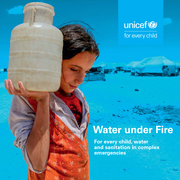
UNICEF trucks water to the camps where people displaced by the conflict have temporarily settled. UNICEF also installed latrines, showers and water storage tanks in the camps and distributed family
...
hygiene kits to protect children against waterborne diseases.
more
The floods caused by the Tropical Cyclone IDAI has affected 3 million people in the Republics of Malawi, Mozambique and Zimbabwe leaving 839 people dead, and this figure continued to rise as the rai
...
ns stopped and water subsided. To date, over 201,476 people (Table 1) have been displaced and about 317 camps established. A total of 2,347 people have been reported injured and over 300 people are still missing in the affected countries.
more
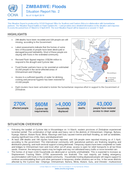
299 deaths have been recorded and 329 people are still missing, according to the Government.
• Latest assessments indicate that the homes of some tens of thousands of people have been destroyed or damaged beyond habitability. Most of these people
...
are staying with hosts in the extended community.
• Revised Flash Appeal requires US$294 million to respond to the drought and Cyclone Idai.
• Food Cluster partners have so far assisted an estimated 30,000 people in the worst-affected areas of Chimanimani and Chipinge.
• Access to a sufficient quantity of water for drinking, cooking and personal hygiene has been restored for 43,000 people.
• Eight clusters have been activated to bolster the humanitarian response effort in support to the Government of Zimbabwe,
more
UNICEF Annual Report 2017 - Burkina Faso
- Healthcare policy for children
- Food insecurity
- Community health strategy
- National child protection system
etc.
This National Prevention Road Map addresses the above-mentioned challenges and aims to guide, focus and reinvigorate the HIV prevention response during the period 2018-2020. It also re
...
news the commitment of political leadership,
more
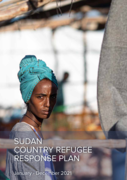
Sudan has a long history of hosting refugees and asylum seekers with 991,787 individuals, 51 per cent female and 53 per cent children, expected to live in Sudan by the end of 2020.
The Sphere Handbook in Ukrainian
recommended
The Ukrainian translation of the Handbook was done by the Rev Marian and Dr Roman Curkowskyj Foundation. Established in 1990 in Toronto, Canada, the Foundation supports the advancement of education, notably through the publication of works in Ukrain
...
ian. 2011 Edition.
more
Reducing the humanitarian impact of the use of explosive weapons in populated areas is a key priority for the United
Nations, the International Committee of the Red Cross (ICRC), civil society and an increasing number of Member States.
The Unite
...
d Nations Secretary-General has expressly called on parties to conflict to avoid the use in populated areas of
explosive weapons with wide-area effects.
While the use of explosive weapons in populated areas may in some circumstances be lawful under international
humanitarian law (IHL), empirical evidence reveals a foreseeable and often widespread pattern of harm to civilians,
particularly from explosive weapons with wide-area effects.
Many types of explosive weapons exist and are currently in use. These include air-delivered bombs, artillery projectiles,
missiles and rockets, mortar bombs, and improvised explosive devices (IEDs). Some are launched from the air and
others are surface launched. Whilst different technical features dictate their accuracy of delivery and explosive effect,
these weapons generally create a zone of blast and fragmentation with the potential to kill, injure or damage anyone
or anything within that zone. This makes their use in populated areas – such as towns, cities, markets and camps for
refugees and displaced persons or other concentrations of civilians – particularly problematic. The problems increase
further if the effects of the weapon extend across a wide-area either because of the scale of blast that they produce; their
inaccuracy; the use of multiple munitions across an area; or a combination thereof.
more
