
Filter
1394
Text search:
respiratory
communicable
diseases
control
Featured
Recommendations
153
New Publications
379
Language
Document type
No document type
666
Studies & Reports
271
Guidelines
242
Strategic & Response Plan
73
Manuals
72
Training Material
20
Situation Updates
17
Fact sheets
17
Dashboards/Maps
6
Resource Platforms
4
Infographics
3
Brochures
2
Videos
1
Countries / Regions
Global
121
Kenya
61
India
56
South Africa
45
Western and Central Europe
34
Africa
34
Liberia
33
Ethiopia
33
Latin America and the Carribbean
31
Uganda
29
Bangladesh
29
Nigeria
28
Rwanda
28
Nepal
27
Philippines
25
Ghana
24
Namibia
24
Myanmar / Burma
24
Sierra Leone
23
Zambia
21
Malawi
17
Tanzania
15
Syria
14
Lesotho
13
Eastern Europe
13
Ukraine
12
South–East Asia Region
12
Indonesia
9
East and Southern Africa
9
West and Central Africa
9
Cambodia
8
Mozambique
8
Brazil
8
Zimbabwe
7
Pakistan
7
Western Pacific Region
7
Eastern Europe and Central Asia
7
Asia
7
North America
7
Congo, Democratic Republic of
6
Germany
6
Thailand
6
Botswana
6
Jordan
5
Sudan
5
Colombia
5
Haiti
4
Yemen
4
Guinea
3
Cameroon
3
Somalia
3
South Sudan
3
Iraq
3
Afghanistan
3
Lebanon
3
Argentina
3
Middle East and North Africa
3
Paraguay
3
Venezuela
3
Timor Leste/ East Timor
3
Tajikistan
3
Moldova
3
Iran
3
Burkina Faso
2
Saudi Arabia
2
Turkey
2
Egypt
2
China
2
Papua New Guinea
2
Central African Republic
2
Peru
2
Bolivia
2
Madagascar
2
Bhutan
2
Palestine
2
Albania
2
Laos
2
Russia
2
Bulgaria
2
Mauritius
2
Senegal
1
Mali
1
Morocco
1
USA
1
Gambia
1
Benin
1
Eswatini/ Swaziland
1
North Macedonia
1
Hungary
1
Burundi
1
El Salvador
1
Greece
1
Libya
1
Angola
1
Mexico
1
Sri Lanka
1
Chile
1
Other region
1
Poland
1
Djibouti
1
Southern Africa
1
Qatar
1
Romania
1
Slovakia
1
Kyrgyzstan
1
Kazakhstan
1
Georgia
1
Maldives
1
Tunisia
1
Azerbaijan
1
Authors & Publishers
Publication Years
Category
Countries
642
Public Health
205
Clinical Guidelines
126
Key Resources
72
Women & Child Health
45
Capacity Building
16
Pharmacy & Technologies
13
Toolboxes
NCDs
134
COVID-19
129
TB
102
Planetary Health
63
Rapid Response
52
AMR
43
Global Health Education
40
Caregiver
40
Conflict
35
HIV
33
Mental Health
31
2.0 Rapid Response
26
Ebola & Marburg
23
Refugee
20
NTDs
20
Natural Hazards
15
Pharmacy
14
Health Financing Toolbox
11
Polio
9
Disability
8
Zika
7
Cholera
6
Specific Hazards
6
Malaria
4
Typhoon
1

The objective of this guidance document is to support the public health professionals
in implementing effective surveillance of cholera in at-risk, endemic and epidemic
areas. This document has been developed by the Surveillance Working Group of the
Global Task Force for Cholera
...
Event-based surveillance (EBS) is defined as the organized collection, monitoring, assessment and interpretation of mainly unstructured ad hoc information regarding health events or risks, which may represent an acute risk to health. Both indicator-based and event-based surveillance components serve
...
10–21 March 2014

The workshop aimed to support countries in the prioritization and acceleration of NCD prevention and management with a specific focus on accelerating the prevention and control of hypertension and diabetes, identifying the most impactful NCD interve
...
Effective surveillance and monitoring of noncommunicable diseases (NCDs) and their risk factors are essential for informing evidence-based public health policies, addressing health inequities, and ensuring progress toward global and regional targets
...

The Coronavirus Disease 2019 (COVID-19) has had a continuous and robust impact on world health. The resulting COVID-19 pandemic has had a devastating physical, mental and fiscal impact on the millions of people living with noncommunicable diseases (
...

The coronavirus disease (COVID-19) pandemic exacerbated pre-existing inequalities in the treatment and care of noncommunicable diseases (NCDs). This report examines the effect of the COVID-19 pandemic on access to NCD medicines, and the policies and
...

Asthma is the most common non-communicable disease in children and remains one of the most common throughout the life course. The great majority of the burden of this disease is seen in low-income and middle-income countries (LMICs), which have disp
...

Smallpox eradication was certified in 1980. Mpox has been endemic in Central and West African countries since it was first detected in 1958 . It is a zoonosis; cases are often found close to tropical rainforests where various animals carry the orthopoxvirus that causes the disease. In endemic countr
...

Cardiovascular disease (CVD) is the leading cause of global deaths, with the majority occurring in low- and middle-income countries (LMIC). The primary and secondary prevention of CVD is suboptimal throughout the world, but the evidence-practice gaps are much more pronounced in LMIC. Barriers at the
...
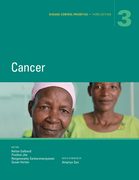
Cancer
recommended
This volume presents the complex patterns of cancer incidence and death around the world and evidence on effective and cost-effective ways to control cancers. The Disease Control Priorities Volume 3
...

The goal of the strategy is to prevent seasonal influenza, control the spread of influenza from animals to humans, and prepare for the next influenza pandemic.
The new strategy is the most comprehensive and far-reaching that WHO has ever developed
...
Disease Control Priorities, 3rdEdition: Volume 4.
Mental, neurological, and substance use disorders are common, highly disabling, and associated with significant premature mortality. The impact of these disorders on the social and economic well-be
...
Disease Control Priorities –3rdEdition, Volume 2.
This book focuses on maternal conditions, childhood illness, and malnutrition. Specifically, the chapters address acute illness and undernutrition in children, principally under age 5. It also cov
...
Noncommunicable diseases (NCDs) are the principal cause of morbidity, disability and premature mortality in Azerbaijan. The most effective way to reduce the NCD burden is to prevent NCD development, by addressing thebehavioural risk factors un
...
