
Filter
922
Text search:
World
Economic
Forum
et
al.
Featured
Recommendations
52
New Publications
200
Language
Document type
No document type
489
Studies & Reports
254
Guidelines
71
Strategic & Response Plan
32
Fact sheets
28
Manuals
26
Training Material
10
Resource Platforms
6
Situation Updates
5
Infographics
1
Countries / Regions
Global
71
South Africa
35
Kenya
32
Africa
24
Ethiopia
18
India
18
Nigeria
17
Uganda
17
Western and Central Europe
16
Nepal
15
Ghana
14
Zambia
12
Tanzania
12
Malawi
11
Sierra Leone
10
Bangladesh
10
Latin America and the Carribbean
10
Syria
8
Mozambique
8
Myanmar / Burma
8
Guinea
7
Liberia
7
Thailand
7
Rwanda
7
Indonesia
7
Namibia
7
Senegal
6
Philippines
6
China
6
South–East Asia Region
6
Asia
6
Congo, Democratic Republic of
5
Cameroon
5
Lebanon
5
Cambodia
5
Western Pacific Region
5
Eastern Europe
5
Haiti
4
South Sudan
4
Germany
4
Eswatini/ Swaziland
4
Ukraine
4
Botswana
4
East and Southern Africa
4
West and Central Africa
4
Eastern Europe and Central Asia
4
Zimbabwe
3
Pakistan
3
Lesotho
3
Middle East and North Africa
3
Laos
3
Russia
3
North America
3
Côte d’Ivoire / Ivory Coast
2
USA
2
Jordan
2
Afghanistan
2
Egypt
2
Chad
2
Sudan
2
Argentina
2
Brazil
2
Sri Lanka
2
Venezuela
2
Albania
2
Kyrgyzstan
2
Burkina Faso
1
Niger
1
Somalia
1
Turkey
1
Central African Republic
1
Dominican Republic
1
Peru
1
Hungary
1
Burundi
1
Honduras
1
Ecuador
1
El Salvador
1
Angola
1
Guatemala
1
Nicaragua
1
Yemen
1
Paraguay
1
Poland
1
Southern Africa
1
Canada
1
Timor Leste/ East Timor
1
Tajikistan
1
Qatar
1
Estonia
1
Romania
1
Moldova
1
Slovakia
1
Kazakhstan
1
Georgia
1
Vietnam
1
Japan
1
Mauritius
1
Tunisia
1
United Kingdom
1
Morocco
1
Belize
1
Costa Rica
1
Panama
1
Authors & Publishers
Publication Years
Category
Countries
293
Public Health
72
Key Resources
65
Women & Child Health
44
Clinical Guidelines
31
Capacity Building
11
Pharmacy & Technologies
4
Toolboxes
HIV
89
Mental Health
87
Planetary Health
71
Disability
59
COVID-19
57
Global Health Education
37
NCDs
35
AMR
33
Health Financing Toolbox
33
TB
32
Caregiver
23
Conflict
18
Refugee
17
Pharmacy
14
NTDs
14
Ebola & Marburg
11
Natural Hazards
11
Rapid Response
8
Malaria
7
Social Ethics
4
Polio
3
Specific Hazards
3
Zika
2
2.0 Rapid Response
1
El presente informe incluye análisis de consultas informales en cinco de las regiones de la OMS: la Región de África, la Región de las Américas (donde se realizaron consultas separadas para el Caribe y América del Norte, y para América Latina), la Región de Asia Sudoriental, la Región de Eu
...

Trachoma is the world’s leading infectious cause of blindness. It is one of 18 neglected
tropical diseases (NTDs) that affect over one billion of the world’s poorest people.

WHO, as the coordinating authority on international health, supports countries in protecting public health through evidence-based policies and actions. Considering the significant health burden and the multiple potential benefits of interventions, the WHO Air Quality, Energy and Health Unit aims to
...
Rabies remains an under-reported neglected zoonosis with a case-fatality rate of almost 100% in humans and animals. Dog-mediated human rabies causes tens of thousands of human deaths annually despite being 100% preventable. More than 95% of human cases are caused by the bite of a rabies-infected dog
...

Noncommunicable diseases (NCDs) – chief among them, cardiovascular diseases (heart disease and stroke), cancer, diabetes and chronic respiratory diseases – along with mental health, cause nearly three quarters of deaths in the world. Their drive
...
The report is geared towards mayors, local government officials and city policy planners.It highlights key areas where city leaders can tackle the drivers of NCDs, including tobacco use, air pollution, poor diets and lack of exercise, and improve road safety.
From anti-tobacco actions in Beijing a
...

This global status report on prevention and control of NCDs (2014), is framed around the nine voluntary global targets. The report provides data on the current situation, identifying bottlenecks as well as opportunities and priority actions for attaining the targets. The 2010 baseline estimates on N
...
The purpose of this manual is to provide a resource for training to increase understanding of Health in All Policies (HiAP) by health and other professionals. It is anticipated that the material in this manual will form the basis of two- or three-day workshops, which will:
• Bu
...
Accessed November 2017.
In response to the COVID-19 outbreak, this guidance provides information on infection and prevention control (IPC) for older people, their friends and families, carers, and healthcare providers. Anyone who manages, works, volunteers or provides care at any type of facilities where older people recei
...

Member States of the Region have initiated processes to strengthen leadership and governance for mental health. Several countries have developed and implemented mental health plans, strategies and legislations. Direct spending on mental health needs to be increased throughout the Region through the
...
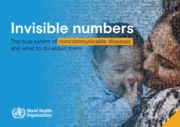
Noncommunicable diseases (NCDs) – chief among them, cardiovascular diseases (heart disease and stroke), cancer, diabetes and chronic respiratory diseases – along with mental health, cause nearly three quarters of deaths in the world. Their drive
...

Diabetes is a serious, chronic disease that occurs either when the pancreas does not produce enough insulin (a hormone that regulates blood sugar, or glucose), or when the body cannot effectively use the insulin it produces. Diabetes is an important public health problem, one of four priority noncom
...
A tool for measuring alcohol policy implementation

The report reflects on the trends, achievements and challenges in global health over the past decade during which Dr Margaret Chan has been Director-General of WHO. It discusses the role of WHO in dealing with such issues as the rise of noncommunicable diseases, leaps in life expectancy, and emergin
...
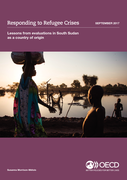
This working paper is a case study on South Sudan as an important refugee country of origin. The case study looks at issues of forced displacement in South Sudan and underscores the linkages between internally displaced persons and South Sudanese refugees. The case study highlights the importance of
...

The standards define 10 key competencies for health and care workers to support self-care in their clinical practice as well as the specific, measurable behaviours that demonstrate those competencies, focusing on people-centredness; decision-making; effective communication; collaboration; evidence-i
...
