
Filter
3734
Text search:
child
nutrition
Featured
316
1239
Language
3446
207
103
49
48
25
19
14
9
8
8
6
6
6
5
5
5
5
4
4
4
4
3
3
3
3
3
3
3
3
3
2
2
2
2
2
2
2
2
2
2
2
2
1
1
1
1
1
1
1
1
1
1
1
1
1
1
1
1
Document type
2297
560
342
168
148
71
58
40
21
10
7
6
3
Countries
225
163
148
132
123
104
88
85
84
82
80
75
74
72
66
63
53
52
46
46
45
44
39
38
38
36
35
34
30
30
28
26
26
21
20
19
18
17
16
15
14
14
14
13
13
12
12
12
11
10
10
9
9
8
8
8
7
7
7
7
6
6
6
6
5
5
5
5
5
5
5
5
3
3
3
3
3
3
3
3
3
3
3
3
2
2
2
2
2
2
2
2
2
2
2
1
1
1
1
1
1
1
1
1
1
1
1
1
1
1
1
1
1
1
1
1
1
1
1
1
1
Authors & Publishers
310
156
114
99
86
76
70
68
63
40
30
29
25
25
24
24
20
19
19
17
17
17
16
16
15
15
14
14
14
14
13
13
13
13
13
13
12
12
12
12
12
11
11
11
11
11
10
10
10
9
9
9
9
9
9
9
9
9
9
8
8
8
8
8
8
8
8
8
8
8
8
8
7
7
7
7
7
7
7
7
7
7
6
6
6
6
6
6
6
6
6
6
6
6
6
6
6
6
6
6
6
6
6
5
5
5
5
5
5
5
5
5
5
5
5
5
5
5
5
5
5
5
5
5
5
5
5
5
5
5
5
5
5
5
5
5
5
5
5
5
5
5
4
4
4
4
4
4
4
4
4
4
4
4
4
4
4
4
4
4
4
4
4
4
4
4
4
4
4
4
4
4
4
4
4
4
4
4
4
4
4
4
4
4
4
4
4
4
4
4
4
4
3
3
3
3
3
3
3
3
3
3
3
3
3
3
3
3
3
3
3
3
3
3
3
3
3
3
3
3
3
3
3
3
3
3
3
3
3
3
3
3
3
3
3
3
3
3
3
3
3
3
3
3
3
3
3
3
3
3
3
3
3
3
3
3
3
3
3
3
3
3
3
3
3
3
3
3
3
3
3
2
2
2
2
2
2
2
2
2
2
2
2
2
2
2
2
2
2
2
2
2
2
2
2
2
2
2
2
2
2
2
2
2
2
2
2
2
2
2
2
2
2
2
2
2
2
2
2
2
2
2
2
2
2
2
2
2
2
2
2
2
2
2
2
2
2
2
2
2
2
2
2
2
2
2
2
2
2
2
2
2
2
2
2
2
2
2
2
2
2
2
2
2
2
2
2
2
2
2
2
2
2
2
2
2
2
2
2
2
2
2
2
2
2
2
2
2
2
2
2
2
2
2
2
2
2
2
2
2
2
2
2
2
2
2
2
2
2
2
2
2
2
2
2
2
2
2
2
2
2
2
2
2
2
2
2
2
2
2
2
2
2
2
2
2
2
2
2
2
2
2
2
2
2
2
2
2
2
2
2
2
2
2
2
2
2
2
2
2
2
2
2
2
2
2
2
2
2
2
2
2
2
2
2
2
2
2
2
2
2
2
2
2
2
2
2
2
2
2
2
2
2
2
2
2
2
2
2
2
2
2
2
2
2
2
2
2
2
2
2
2
2
1
1
1
1
1
1
1
1
1
1
1
1
1
1
1
1
1
1
1
1
1
1
1
1
1
1
1
1
1
1
1
1
1
1
1
1
1
1
1
1
1
1
1
1
1
1
1
1
1
1
1
1
1
1
1
1
1
1
1
1
1
1
1
1
1
1
1
1
1
1
1
1
1
1
1
1
1
1
1
1
1
1
1
1
1
1
1
1
1
1
1
1
1
1
1
1
1
1
1
1
1
1
1
1
1
1
1
1
1
1
1
1
1
1
1
1
1
1
1
1
1
1
1
1
1
1
1
1
1
1
1
1
1
1
1
1
1
1
1
1
1
1
1
1
1
1
1
1
1
1
1
1
1
1
1
1
1
1
1
1
1
1
1
1
1
1
1
1
1
1
1
1
1
1
1
1
1
1
1
1
1
1
1
1
1
1
1
1
1
1
1
1
1
1
1
1
1
1
1
1
1
1
1
1
1
1
1
1
1
1
1
1
1
1
1
1
1
1
1
1
1
1
1
1
1
1
1
1
1
1
1
1
1
1
1
1
1
1
1
1
1
1
1
1
1
1
1
1
1
1
1
1
1
1
1
1
1
1
1
1
1
1
1
1
1
1
1
1
1
1
1
1
1
1
1
1
1
1
1
1
1
1
1
1
1
1
1
1
1
1
1
1
1
1
1
1
1
1
1
1
1
1
1
1
1
1
1
1
1
1
1
1
1
1
1
1
1
1
1
1
1
1
1
1
1
1
1
1
1
1
1
1
1
1
1
1
1
1
1
1
1
1
1
1
1
1
1
1
1
1
1
1
1
1
1
1
1
1
1
1
1
1
1
1
1
1
1
1
1
1
1
1
1
1
1
1
1
1
1
1
1
1
1
1
1
1
1
1
1
1
1
1
1
1
1
1
1
1
1
1
1
1
1
1
1
1
1
1
1
1
1
1
1
1
1
1
1
1
1
1
1
1
1
1
1
1
1
1
1
1
1
1
1
1
1
1
1
1
1
1
1
1
1
1
1
1
1
1
1
1
1
1
1
1
1
1
1
1
1
1
1
1
1
1
1
1
1
1
1
1
1
1
1
1
1
1
1
1
1
1
1
1
1
1
1
1
1
1
1
1
1
1
1
1
1
1
1
1
1
1
1
1
1
1
1
1
1
1
1
1
1
1
1
1
1
1
1
1
1
1
1
1
1
1
1
1
1
1
1
1
1
1
1
1
1
1
1
1
1
1
1
1
1
1
1
1
1
1
1
1
1
1
1
1
1
1
1
1
1
1
1
1
1
1
1
1
1
1
1
1
1
1
1
1
1
1
1
1
1
1
1
1
1
1
1
1
1
1
1
1
1
1
1
1
1
1
1
1
1
1
1
1
1
1
1
1
1
1
1
1
1
1
1
1
1
1
1
1
1
1
1
1
1
1
1
1
1
1
1
1
1
1
1
1
1
1
1
1
1
1
1
1
1
1
1
1
1
1
1
1
1
1
1
1
1
1
1
1
1
1
1
1
1
1
1
1
1
1
1
1
1
1
1
1
1
1
1
1
1
1
1
1
1
1
1
1
1
1
1
1
1
1
1
1
1
1
1
1
1
1
1
1
1
1
1
1
1
1
1
1
1
1
1
1
1
1
1
1
1
1
1
1
1
1
1
1
1
1
1
1
1
1
1
1
1
1
1
1
1
1
1
1
1
1
1
1
1
1
1
1
1
1
1
1
1
1
1
1
1
1
1
1
1
1
1
1
1
1
1
1
1
1
1
1
1
1
1
1
1
1
1
1
1
1
1
1
1
1
1
1
1
1
1
1
1
1
1
1
1
1
1
1
1
1
1
1
1
1
1
1
1
1
1
1
1
1
1
1
1
1
1
1
1
1
1
1
1
1
1
1
1
1
1
1
1
1
1
1
1
1
1
1
1
1
1
1
1
1
1
1
1
1
1
1
1
1
1
1
1
1
1
1
1
1
1
1
1
1
1
1
1
1
1
1
1
1
1
1
1
1
1
1
1
1
1
1
1
1
1
1
1
1
1
1
1
1
1
1
1
1
1
1
1
1
1
1
1
1
1
1
1
1
1
1
1
1
1
1
1
1
1
1
1
1
1
1
1
1
1
1
1
1
1
1
1
1
1
1
1
1
1
1
1
1
1
1
1
1
1
1
1
1
1
1
1
1
1
1
1
1
1
1
1
1
1
1
1
1
1
1
1
1
1
1
1
1
1
1
1
1
1
1
1
1
1
1
1
1
1
1
1
1
1
1
1
1
1
1
1
1
1
1
1
1
1
1
1
1
1
1
1
1
1
1
1
1
1
1
1
1
1
1
1
1
1
1
1
1
1
1
1
1
1
1
1
1
1
1
1
1
1
1
1
1
1
1
1
1
1
1
1
1
1
1
1
1
1
1
1
1
1
1
1
1
1
1
1
1
1
1
1
1
1
1
1
1
1
1
1
1
1
1
1
1
1
1
1
1
1
1
1
1
1
1
1
1
1
1
1
1
1
1
1
1
1
1
1
1
1
1
1
1
1
1
1
1
1
1
1
1
1
1
1
1
1
1
1
1
1
1
1
1
1
1
1
1
1
1
1
1
1
1
1
1
1
1
1
1
1
1
1
1
1
1
1
1
1
1
1
1
1
1
1
1
1
1
1
1
1
1
1
1
1
1
1
1
1
1
1
1
1
1
1
1
1
1
1
1
1
1
1
1
1
1
1
1
1
1
1
1
1
1
1
1
1
1
1
1
1
1
1
1
1
1
1
1
1
1
1
1
1
1
1
1
1
1
1
1
1
1
1
1
1
1
1
1
1
1
1
1
1
1
1
1
1
1
1
1
1
1
1
1
1
1
1
1
1
1
1
1
1
1
1
1
1
1
1
1
1
1
1
1
1
1
1
1
1
1
1
1
1
1
1
1
1
1
1
1
1
1
1
1
1
1
1
1
1
1
1
1
1
1
1
1
1
1
1
1
1
1
1
1
1
1
1
1
1
1
1
1
1
1
1
1
1
1
1
1
1
1
1
1
1
1
1
1
1
1
1
1
1
1
1
1
1
1
1
1
1
1
1
1
1
1
1
1
1
1
1
1
1
1
1
1
1
1
1
1
1
1
1
1
1
1
1
1
1
1
1
1
1
1
1
1
1
1
1
1
1
1
1
1
1
1
1
1
1
1
1
1
1
1
1
1
1
1
1
1
1
1
1
1
1
1
1
1
1
1
1
1
1
1
1
1
1
1
1
1
1
1
1
1
1
1
1
1
1
1
1
1
1
1
1
1
1
1
1
1
1
1
1
1
1
1
1
1
1
1
1
1
1
1
1
1
1
1
1
1
1
1
1
1
1
1
1
1
1
1
1
1
1
1
1
1
1
1
1
1
1
1
1
1
1
1
1
1
1
1
1
1
1
1
1
1
1
1
1
1
1
1
1
1
1
1
1
1
1
1
1
1
1
1
1
1
1
1
1
1
1
1
1
1
1
1
1
1
1
1
1
1
1
1
1
1
1
1
1
1
1
1
1
1
1
1
1
1
1
1
1
1
1
1
1
1
1
1
1
1
1
1
1
1
1
1
1
1
1
1
1
1
1
1
1
1
1
1
1
1
1
1
1
1
1
1
1
1
1
1
1
1
1
1
1
1
1
1
1
1
1
1
1
1
1
1
1
1
1
1
1
1
1
1
1
1
1
1
1
1
1
1
1
1
1
1
1
1
1
1
1
1
1
1
1
1
1
1
1
1
1
1
1
1
1
1
1
1
1
1
1
1
1
1
1
1
1
1
1
1
1
1
1
1
1
1
1
1
1
1
1
1
1
1
1
1
1
1
1
1
1
1
1
1
1
1
1
1
1
1
1
1
1
1
1
1
1
1
1
1
1
1
1
1
1
1
1
1
1
1
1
1
1
1
1
1
1
1
1
1
1
1
1
1
1
1
1
1
1
1
1
1
1
1
1
1
1
1
1
1
1
1
1
1
1
1
1
1
1
1
1
1
1
1
1
1
1
1
1
1
1
1
1
1
1
1
1
1
1
1
1
1
1
1
1
1
1
1
1
1
1
1
1
1
1
1
1
1
1
1
1
1
1
1
1
1
1
1
1
1
1
1
1
1
1
1
1
1
1
1
1
1
1
1
1
1
1
1
1
1
1
1
1
1
1
1
1
1
1
1
1
1
1
1
1
1
1
1
1
1
1
1
1
1
1
1
1
1
1
1
1
1
1
1
1
1
1
1
1
1
1
1
1
1
1
1
1
1
1
1
1
1
1
1
1
1
1
1
1
1
1
1
1
1
1
1
1
1
1
1
1
1
1
1
1
1
1
1
1
1
1
1
1
1
1
1
1
1
1
1
1
1
1
1
1
1
1
1
1
1
1
1
1
1
1
1
1
1
1
1
1
1
1
1
1
1
1
1
1
1
1
1
1
1
1
1
1
1
1
1
1
1
1
1
1
1
1
1
1
1
1
1
1
1
1
1
1
1
1
1
1
1
1
1
1
1
1
1
1
1
1
1
1
1
1
1
1
1
1
1
1
1
1
1
1
1
1
1
1
1
1
1
1
1
1
1
1
1
1
1
1
1
1
1
1
1
1
1
1
1
1
1
1
1
1
1
1
1
1
1
1
1
1
1
1
1
1
1
1
1
1
1
1
1
1
1
1
1
1
1
1
1
1
1
1
1
1
1
1
1
1
1
1
1
1
1
1
1
1
1
1
1
1
1
1
1
1
1
1
1
1
1
1
1
1
1
1
1
1
1
1
1
1
1
1
1
1
1
1
1
1
1
1
1
1
1
1
1
1
1
1
1
1
1
1
1
1
1
1
1
1
1
1
1
1
1
1
1
1
1
1
1
1
1
1
1
1
1
1
1
1
1
1
1
1
1
1
1
1
1
1
1
1
1
1
1
1
1
1
1
1
1
1
1
1
1
1
1
1
1
1
1
1
1
1
1
1
1
1
1
1
1
1
1
1
1
1
1
1
1
1
1
1
1
1
1
1
1
1
1
1
1
1
1
1
1
1
1
1
1
1
1
1
1
1
1
1
1
1
1
1
1
1
1
1
1
1
1
1
1
1
1
1
1
1
1
1
1
1
1
1
1
1
1
1
1
1
1
1
1
1
1
1
1
1
1
1
1
1
1
1
1
Publication Years
930
2401
384
18
1
Category
1904
418
229
213
181
106
6
Toolboxes
211
178
165
151
133
119
106
94
86
66
58
57
52
37
35
28
26
23
21
21
17
13
9
7
5
3
2

: Development assistance for health (DAH) is one of the most important means for Japan to promote
diplomacy with developing countries and contribute to the international community. This study, for the first time,
estimated the gross disbursement of Japan’s DAH from 2012 to 2016 and clarified its
...
flows, including source, aid
type, channel, target region, and target health focus area
more

In an ambitious new era for health development under the 2030 Agenda for Sustainable Development, WHO and
its partners have a solid foundation of success on which to build. Health plays a fundamental role in development
and is the central focus of Sustainable Development Goal 3, “Ensure healthy
...
lives and promote well-being for all
at all ages”. It is also relevant to all the Sustainable Development Goals. Understanding the significance of the
role of health is a prerequisite for successful collective action on the social, economic and environmental
determinants of health
more

WHO today released its first roadmap to tackle postpartum haemorrhage (PPH) – defined as excessive bleeding after childbirth - which affects millions of women annually and is the world’s leading cause of maternal deaths.
Despite being preventable and treatable, PPH results in around 70 000 de
...
aths every year. For those who survive, it can cause disabilities and psychological trauma that last for years.
“Severe bleeding in childbirth is one of the most common causes of maternal mortality, yet it is highly preventable and treatable,” said Dr Tedros Adhanom Ghebreyesus, WHO Director-General. “This new roadmap charts a path forward to a world in which more women have a safe birth and a healthy future with their families.”
The Roadmap aims to help countries address stark differences in survival outcomes from PPH, which reflect major inequities in access to essential health services. Over 85% of deaths from PPH happen in sub-Saharan Africa and South Asia. Risk factors include anaemia, placental abnormalities, and other complications in pregnancy such as infections and pre-eclampsia.
Many risk factors can be managed if there is quality antenatal care, including access to ultrasound, alongside effective monitoring in the hours after birth. If bleeding starts, it also needs to be detected and treated extremely quickly. Too often, however, health facilities lack necessary healthcare workers or resources, including lifesaving commodities such as oxytocin, tranexamic acid or blood for transfusions.
“Addressing postpartum haemorrhage needs a multipronged approach focusing on both prevention and response - preventing risk factors and providing immediate access to treatments when needed - alongside broader efforts to strengthen women’s rights,” said Dr Pascale Allotey, WHO Director for Sexual and Reproductive Health and HRP, the UN’s special programme on research development and training in human reproduction. “Every woman, no matter where she lives, should have access to timely, high quality maternity care, with trained health workers, essential equipment and shelves stocked with appropriate and effective commodities – this is crucial for treating postpartum bleeding and reducing maternal deaths.”
more
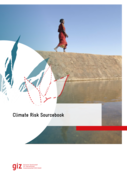
Climate change is one of the most urgent challenges for people and ecosystems worldwide. The recently published sixth Assessment Report (AR6) of the Intergovernmental Panel on Climate Change (IPCC) stresses the occurrence of widespread adverse impacts of climate change. Increased frequency and inten
...
sity of extreme weather events, as well as slow-onset processes cause enormous losses and damages to human and natural systems. Marginalized groups and people in vulnerable situations are often disproportionally affected. While the impacts of climate change already become more tangible and threatening, action for addressing them remains insufficient. Adaptation to climate change is, thus, becoming a necessity for governments, companies, and private citizens.
To provide practical and scientifically sound guidance on how to conduct vulnerability assessments, GIZ published its Vulnerability Sourcebook in 2014. The Vulnerability Sourcebook was used in over twenty different GIZ partner countries and provides a step-by-step guidance for designing and implementing a vulnerability assessment. It is also one of the methodological foundations for the ISO 14091:2021 standard on vulnerability, impacts and risk assessment for climate change adaptation.
more

The Democratic Republic of Timor-Leste has the highest TB incidence rate in the South East Asian Region - 498 per 100,000, which is the seventh highest in the world. In Timor-Leste TB is the eighth most common cause of death.
The salient observations are as follows:
In 2018, 487 (12.5%) of the
...
3906 notified TB patients were tested for RR-TB and only 12 lab confirmed RR-TB patients were initiated on standard MDR-TB treatment of 20-months duration, (a 3-fold increase in RR-TB detection compared with 2017). This amounts to treatment coverage of only 17% of 72 estimated MDR/RR-TB among notified TB patients (3906) and 5% of 240 estimated incident MDR-TB patients as compared to 62% treatment coverage of 6300 incident drug sensitive TB patients estimated in TLS. The treatment success in the 2016 annual cohort of 6 MDR-TB patients has been reported at 83%. 80% of TB patients know their HIV Status with around 1% TB-HIV co-infection, 37/ 77 (48%) TB-HIV Co-infection Detected. Of the 387 PLHIV currently alive on ART, exact status on TB screening and testing is unknown. % of PLHIV newly enrolled in HIV care who received IPT is not known.
In 2018, the mortality rate for TB was 94 deaths per 100,000 people (1200 per annum) in TL with an increasing mortality trend (Figure 1), despite TB services being available for nearly two decades.
A survey of catastrophic costs due to TB (2016) highlights that 83% of TB patients are reported to be facing catastrophic costs due to the disease. This is the highest rate in the world.
more

The World Heart Federation (WHF) has been advocating globally for stronger
legislation and policy regarding cardiovascular disease (CVD) for many years. Now, as focus shifts from global to national progress, we call on members and colleagues to advocate for greater action on CVD in your local setti
...
ngs. This ‘Road to 2018 Toolkit’ provides World Heart Federation members with information
and specific, practical tools to support national CVD advocacy, especially around the United Nations High-Level Meeting on NCDs in 2018.
more

The World Heart Federation (WHF) is a leading global advocate for stronger legislation and policies regarding cardiovascular disease (CVD) and its risk factors, including raised cholesterol. The present Cholesterol Advocacy Toolkit 2022 provides WHF member organizations with information as well as p
...
ractical tools to
support cholesterol advocacy at the local and regional levels.
more

Background: Atherosclerotic cardiovascular diseases (ASCVD) including myocardial infarction, stroke and peripheral arterial disease continue to be major causes of premature death, disability and healthcare expenditure globally. Preventing the accumulation of cholesterol-containing atherogenic lipopr
...
oteins in the vessel wall is central to any healthcare strategy to prevent ASCVD. Advances in current concepts about reducing cumulative exposure to apolipoprotein B (apo B) cholesterol-containing lipoproteins and the emergence of novel therapies provide new opportunities to better prevent ASCVD. The present update of the World Heart Federation Cholesterol Roadmap provides a conceptual framework for the development of national policies and health systems approaches, so that potential roadblocks to cholesterol management and thus ASCVD prevention can be overcome.
more

Cholera is an acute gastrointestinal infection caused by the bacterium Vibrio Cholerae serogroup O1 or O139, and is often linked to unsafe drinking water, lack of proper sanitation and personal hygiene. It adversely affects mostly the poor and vulnerable populations in countries, which are already d
...
eprived of proper health facilities and conducive environmental conditions. The disease spreads through oro-fecal transmission by the ingestion of contaminated food or water or by person-to-person contact. It has a short incubation period of 2 hours to 5 days and the number of affected cases can rapidly increase across large regions. Cholera is a significant threat to global public health leading to an estimated 3-5 million cases per year worldwide, with an annual toll of 100,000 deaths. The disease was first reported in 1817 from the Ganges Delta of India and since then the ongoing 7th pandemic has emerged from Indonesia, reached Africa in 1970 and Somalia happens to be one of the early affected countries. Over the past few decades,
Somalia has witnessed the occurrence of repeated AWD/Cholera disease outbreaks that have caused high morbidity and mortality across the country.
more

Introduction Community health workers (CHWs) are increasingly being tasked to prevent and manage cardiovascular disease (CVD) and its risk factors in underserved populations in low-income and middle-income countries (LMICs); however, little is known about the required training necessary for them to
...
accomplish their role. This review aimed to evaluate the training of CHWs for the prevention and management of CVD and its risk factors in LMICs.
Methods A search strategy was developed in line with Preferred Reporting Items for Systematic Reviews and Meta-Analyses guidelines, and five electronic databases (Medline, Global Health, ERIC, EMBASE and CINAHL) were searched to identify peer-reviewed studies published until December 2016 on the training of CHWs for prevention or control of CVD and its risk factors in LMICs. Study characteristics were extracted using a Microsoft Excel spreadsheet and quality assessed using Effective Public Health Practice Project’s Quality Assessment Tool. The search, data extraction and quality assessment were performed independently by two researchers.
Results The search generated 928 articles of which 8 were included in the review. One study was a randomised controlled trial, while the remaining were before–after intervention studies. The training methods included classroom lectures, interactive lessons, e-learning and online support and group discussions or a mix of two or more. All the studies showed improved knowledge level post-training, and two studies demonstrated knowledge retention 6 months after the intervention.
Conclusion The results of the eight included studies suggest that CHWs can be trained effectively for CVD prevention and management. However, the effectiveness of CHW trainings would likely vary depending on context given the differences between studies (eg, CHW demographics, settings and training programmes) and the weak quality of six of the eight studies. Well-conducted mixed-methods studies are needed to provide reliable evidence about the effectiveness and cost-effectiveness of training programmes for CHWs.
more

Mental health problems are common and cause great suffering to individuals and communities around the world. They have a significant impact not only on the physical and mental health of those affected but also on their families and the communities they live in. At the same time, all communities have
...
their own traditional mechanisms for support and contain a range wide of resources that can be helpful in preventing mental health conditions from developing, promoting positive mental health and supporting the recovery of people that are struggling with a mental health condition.
In the wider context, people living with a mental health condition are often excluded from their communities and experience various violations to their basic human rights (discrimination, violence, exclusion from employment opportunities). The World Health Organization (WHO) estimates that the mean prevalence of global mental health disorders is 10.8% while the prevalence in emergency settings is 22.1% in any conflict-affected population.
During emergencies and crisis, the stigma, exclusion and discrimination towards people living with mental health conditions is often higher, which can cause isolation and protection issues. Communities can play a crucial role in promoting mental health as well as enhancing primary care and access. Their role is to help reduce mental health inequalities by providing community resources that connect people to community-based resources and by providing mental health education. This also helps to reduce the massive mental health treatment gap.
more

As the Americas undergo profound demographic change and there are more persons aged 65 years or older than children younger than 5 years, it is crucial to recognize that national immunization programs must be redesigned to ensure comprehensive protection for individuals across the lifespan. By adopt
...
ing a life course approach (LCA) to immunization, vaccination programs can be tailored to close immunity gaps at different stages of life. The life course approach foresees the establishment of multiple strategies to reduce missed opportunities for vaccination according to age group. This technical document explains the key concepts of the LCA with a focus on immunization by vaccination, as well as the underlying biological mechanisms that require the application different vaccines at different life stages according to changes to the immune system and in the epidemiological situation of a community.
more

The World Food Programme (WFP) has taken important steps to progress disability inclusion across its programming and operations. In late 2022, WFP commissioned the Nossal Institute, University of Melbourne in partnership with the Faculty of Psychology, Universitas Gadjah Mada, Indonesia to identify
...
pathways for increasing disability inclusion in WFP’s emergency preparedness and response (EPR) programming.
The study explored WFP’s programming in Indonesia and the Philippines, including WFP’s advisory, technical assistance and service provision roles to government and partners and informed the development of this guide (see appendix 2). As general guidance on disability inclusion is increasingly available, the purpose of this guide is to contextualize disability inclusion in WFP’s emergency preparedness and response programming. The guide builds on core reference materials, such as the Inter-Agency Standing Committee (IASC) Guidelines on Inclusion of Persons with Disabilities in Humanitarian Action, 2019. While of wider relevance, this guide is directed at WFP’s EPR programming in Asia and the Pacific.
more
Disability inclusive shelter programming enables persons with disabilities to contribute more to their communities, participate more in consultations and decision-making, and facilitate their own protection. The key concepts include: Disability inclusive shelter programming is both a process and an
...
outcome. By engaging persons with disabilities in the process, we will also improve the outcomes for persons with disabilities.
The disability community has the slogan “Nothing about us without us,” reminding that we should include and work with persons with disabilities and their representative groups rather than plan or make decisions on their behalf. Persons with disabilities should be engaged throughout shelter programme planning, implementation, monitoring and evaluation.
more

Ethiopia has been repeatedly affected by conflict, flooding, drought, and disease outbreaks in the past years. As of January 2024, the country is actively responding to the longest recorded cholera outbreak which started in August 2022, recurrent measles outbreaks which started in August 2021, and t
...
he highest number of malaria cases reported since 2017. The El Niño phenomenon is expected to cause further havoc up to July 2024, by causing drought in some parts of the country, and flooding in others. Food insecurity due to lost harvest and livestock is aggravating already high malnutrition rates, negatively impacting morbidity and mortality.
The Health Cluster is closely collaborating with the Ministry of Health (MOH) to prepare for, prevent, and respond to public health emergencies by mobilizing resources to enable health partners to provide life-saving health services to vulnerable populations.
In an environment with ever-increasing needs and decreased funding, the below priorities for 2024 and 2025 have been identified: 1 Strengthen advocacy for longer-term, development funding to address root causes of recurrent disease outbreaks, including through the Humanitarian-Development-Peace Nexus 2 Advocate for increased access to quality health services, with a strong focus on:
sexual and reproductive health services (including for survivors of sexual and gender-based violence)
inclusion of people with disabilities, older people, and people living with HIV
remote populations through inclusion of Mobile Health Teams (MHT) as part of the health system 3 Standardize health services provided by Health Cluster partners through the implementation of Essential Health Care packages, aligned with existing MOH guidance, aimed at ensuring quality service delivery for affected populations, especially at community level 4 Strengthen quality of, and access to data for needs analysis and informed decision-making 5 Strengthen subnational coordination, with increased focus on zones and local health partners
more

The Resolution Population and Individual Approaches to the Prevention and Management of Diabetes and Obesity was approved by the 48th Directing Council of the Pan American Health Organization, September 29- October 3, 2008, in response to the epidemic of obesity and diabetes currently affecting the
...
countries of the Americas. Its main goal is to call on Member States to prioritize the prevention of obesity and diabetes and their common risk factors by establishing and/or strengthening policies and programs, integrating them into public and private health systems and working to ensure adequate allocation of resources to carry out such policies and programs.
more

Unmet mental health needs in the Region of the Americas are a leading source of morbidity and mortality, which result in tremendous health, social, and economic consequences. The COVID-19 pandemic has exacerbated the mental health crisis in the Region, necessitating urgent action at the highest leve
...
ls of government and across sectors to build back better mental health now and for the future. This landmark report is the result of the PAHO High-Level Commission on Mental Health and COVID-19. It provides an analysis of the mental health situation in the Region, followed by a series of recommendations and corresponding actions to support countries in the Americas to prioritize and advance mental health using human rights- and equity-based approaches.
more

The Kenya Health Policy 2014-2030 aims at attaining the highest possible standard of health in a manner responsive to the health needs of our population. One of the major policy directions towards realizing the intentions of this policy is to halt and reverse the
rising burden of non-communicable d
...
iseases.
more

Obesity and diabetes are affecting the peoples of the Americas at high and increasing rates. National surveys demonstrate that obesity is increasing in prevalence among all age groups; 7% to 12% of children under 5 years old and
one-fi fth of adolescents are obese, while rates of overweight and obe
...
sity among adults approach 60%. Obesity is the major modifi able risk factor for diabetes.
more
The ICMR type 1 diabetes guidelines come at a time when the SARS-CoV-2 pandemic
has disproportionately affected people with diabetes population, exposing them to a
high risk for severe illness and mortality. Globally, diabetes was responsible for over fourmillion deaths in the year 2019. It was th
...
e leading cause of end-stage kidney disease, adult-onset blindness and cardiovascular diseases. Further, there was a considerable heterogeneity in the prevalence of complications and deaths associated with diabetes across the countries.
more
