Filter
4713
Text search:
school
living
Featured
383
1320
Language
4556
127
85
62
59
27
21
19
11
9
8
8
8
6
6
5
5
5
4
4
4
4
4
4
4
4
3
3
3
3
3
3
3
3
3
3
3
2
2
2
2
2
2
2
2
2
2
2
2
2
1
1
1
1
1
1
1
1
1
1
1
Document type
2644
915
461
236
175
105
101
44
11
9
8
2
1
Countries
219
177
157
119
115
110
103
97
97
96
89
87
84
84
82
77
74
68
64
53
48
45
44
44
41
41
40
40
38
36
35
29
28
28
27
27
25
25
22
22
21
21
21
19
19
18
18
17
16
16
16
15
14
14
13
12
12
11
10
10
10
9
8
8
8
8
7
7
7
6
6
6
6
6
5
4
4
4
4
4
4
4
4
4
4
3
3
3
3
3
3
3
3
3
3
3
2
2
2
2
2
2
2
2
2
2
2
2
2
2
2
2
2
2
2
1
1
1
1
1
1
1
1
1
1
1
1
1
1
1
1
1
1
1
1
1
1
1
Authors & Publishers
515
152
136
121
103
101
83
78
74
64
37
37
37
37
31
31
30
26
26
24
21
21
21
21
21
20
20
19
18
18
17
16
16
16
15
15
15
14
14
14
14
13
13
12
12
12
11
11
11
11
10
10
10
10
10
10
10
10
9
9
9
9
9
9
9
9
8
8
8
8
8
8
8
8
8
7
7
7
7
7
7
7
7
7
7
7
7
7
7
7
7
7
6
6
6
6
6
6
6
6
6
6
6
6
6
6
6
6
6
6
5
5
5
5
5
5
5
5
5
5
5
5
5
5
5
5
5
5
5
5
5
5
5
5
5
5
5
5
5
5
4
4
4
4
4
4
4
4
4
4
4
4
4
4
4
4
4
4
4
4
4
4
4
4
4
4
4
4
4
4
4
4
4
4
4
4
4
4
4
4
4
4
4
4
4
4
4
4
4
4
3
3
3
3
3
3
3
3
3
3
3
3
3
3
3
3
3
3
3
3
3
3
3
3
3
3
3
3
3
3
3
3
3
3
3
3
3
3
3
3
3
3
3
3
3
3
3
3
3
3
3
3
3
3
3
3
3
3
3
3
3
3
3
3
3
3
3
3
3
3
3
3
3
3
3
3
3
3
3
3
3
3
3
3
3
3
3
3
3
3
3
3
3
3
3
3
3
3
3
3
3
2
2
2
2
2
2
2
2
2
2
2
2
2
2
2
2
2
2
2
2
2
2
2
2
2
2
2
2
2
2
2
2
2
2
2
2
2
2
2
2
2
2
2
2
2
2
2
2
2
2
2
2
2
2
2
2
2
2
2
2
2
2
2
2
2
2
2
2
2
2
2
2
2
2
2
2
2
2
2
2
2
2
2
2
2
2
2
2
2
2
2
2
2
2
2
2
2
2
2
2
2
2
2
2
2
2
2
2
2
2
2
2
2
2
2
2
2
2
2
2
2
2
2
2
2
2
2
2
2
2
2
2
2
2
2
2
2
2
2
2
2
2
2
2
2
2
2
2
2
2
2
2
2
2
2
2
2
2
2
2
2
2
2
2
2
2
2
2
2
2
2
2
2
2
2
2
2
2
2
2
2
2
2
2
2
2
2
2
2
2
2
2
2
2
2
2
2
2
2
2
2
2
2
2
2
2
2
2
2
2
2
2
2
2
2
2
2
2
2
2
2
2
2
2
2
2
2
2
2
2
2
2
2
2
2
2
2
2
2
2
2
2
2
2
2
2
2
2
2
2
2
2
2
2
2
2
2
2
2
2
2
2
2
2
2
2
2
2
2
2
2
2
2
2
2
2
2
2
2
2
2
2
2
2
2
2
1
1
1
1
1
1
1
1
1
1
1
1
1
1
1
1
1
1
1
1
1
1
1
1
1
1
1
1
1
1
1
1
1
1
1
1
1
1
1
1
1
1
1
1
1
1
1
1
1
1
1
1
1
1
1
1
1
1
1
1
1
1
1
1
1
1
1
1
1
1
1
1
1
1
1
1
1
1
1
1
1
1
1
1
1
1
1
1
1
1
1
1
1
1
1
1
1
1
1
1
1
1
1
1
1
1
1
1
1
1
1
1
1
1
1
1
1
1
1
1
1
1
1
1
1
1
1
1
1
1
1
1
1
1
1
1
1
1
1
1
1
1
1
1
1
1
1
1
1
1
1
1
1
1
1
1
1
1
1
1
1
1
1
1
1
1
1
1
1
1
1
1
1
1
1
1
1
1
1
1
1
1
1
1
1
1
1
1
1
1
1
1
1
1
1
1
1
1
1
1
1
1
1
1
1
1
1
1
1
1
1
1
1
1
1
1
1
1
1
1
1
1
1
1
1
1
1
1
1
1
1
1
1
1
1
1
1
1
1
1
1
1
1
1
1
1
1
1
1
1
1
1
1
1
1
1
1
1
1
1
1
1
1
1
1
1
1
1
1
1
1
1
1
1
1
1
1
1
1
1
1
1
1
1
1
1
1
1
1
1
1
1
1
1
1
1
1
1
1
1
1
1
1
1
1
1
1
1
1
1
1
1
1
1
1
1
1
1
1
1
1
1
1
1
1
1
1
1
1
1
1
1
1
1
1
1
1
1
1
1
1
1
1
1
1
1
1
1
1
1
1
1
1
1
1
1
1
1
1
1
1
1
1
1
1
1
1
1
1
1
1
1
1
1
1
1
1
1
1
1
1
1
1
1
1
1
1
1
1
1
1
1
1
1
1
1
1
1
1
1
1
1
1
1
1
1
1
1
1
1
1
1
1
1
1
1
1
1
1
1
1
1
1
1
1
1
1
1
1
1
1
1
1
1
1
1
1
1
1
1
1
1
1
1
1
1
1
1
1
1
1
1
1
1
1
1
1
1
1
1
1
1
1
1
1
1
1
1
1
1
1
1
1
1
1
1
1
1
1
1
1
1
1
1
1
1
1
1
1
1
1
1
1
1
1
1
1
1
1
1
1
1
1
1
1
1
1
1
1
1
1
1
1
1
1
1
1
1
1
1
1
1
1
1
1
1
1
1
1
1
1
1
1
1
1
1
1
1
1
1
1
1
1
1
1
1
1
1
1
1
1
1
1
1
1
1
1
1
1
1
1
1
1
1
1
1
1
1
1
1
1
1
1
1
1
1
1
1
1
1
1
1
1
1
1
1
1
1
1
1
1
1
1
1
1
1
1
1
1
1
1
1
1
1
1
1
1
1
1
1
1
1
1
1
1
1
1
1
1
1
1
1
1
1
1
1
1
1
1
1
1
1
1
1
1
1
1
1
1
1
1
1
1
1
1
1
1
1
1
1
1
1
1
1
1
1
1
1
1
1
1
1
1
1
1
1
1
1
1
1
1
1
1
1
1
1
1
1
1
1
1
1
1
1
1
1
1
1
1
1
1
1
1
1
1
1
1
1
1
1
1
1
1
1
1
1
1
1
1
1
1
1
1
1
1
1
1
1
1
1
1
1
1
1
1
1
1
1
1
1
1
1
1
1
1
1
1
1
1
1
1
1
1
1
1
1
1
1
1
1
1
1
1
1
1
1
1
1
1
1
1
1
1
1
1
1
1
1
1
1
1
1
1
1
1
1
1
1
1
1
1
1
1
1
1
1
1
1
1
1
1
1
1
1
1
1
1
1
1
1
1
1
1
1
1
1
1
1
1
1
1
1
1
1
1
1
1
1
1
1
1
1
1
1
1
1
1
1
1
1
1
1
1
1
1
1
1
1
1
1
1
1
1
1
1
1
1
1
1
1
1
1
1
1
1
1
1
1
1
1
1
1
1
1
1
1
1
1
1
1
1
1
1
1
1
1
1
1
1
1
1
1
1
1
1
1
1
1
1
1
1
1
1
1
1
1
1
1
1
1
1
1
1
1
1
1
1
1
1
1
1
1
1
1
1
1
1
1
1
1
1
1
1
1
1
1
1
1
1
1
1
1
1
1
1
1
1
1
1
1
1
1
1
1
1
1
1
1
1
1
1
1
1
1
1
1
1
1
1
1
1
1
1
1
1
1
1
1
1
1
1
1
1
1
1
1
1
1
1
1
1
1
1
1
1
1
1
1
1
1
1
1
1
1
1
1
1
1
1
1
1
1
1
1
1
1
1
1
1
1
1
1
1
1
1
1
1
1
1
1
1
1
1
1
1
1
1
1
1
1
1
1
1
1
1
1
1
1
1
1
1
1
1
1
1
1
1
1
1
1
1
1
1
1
1
1
1
1
1
1
1
1
1
1
1
1
1
1
1
1
1
1
1
1
1
1
1
1
1
1
1
1
1
1
1
1
1
1
1
1
1
1
1
1
1
1
1
1
1
1
1
1
1
1
1
1
1
1
1
1
1
1
1
1
1
1
1
1
1
1
1
1
1
1
1
1
1
1
1
1
1
1
1
1
1
1
1
1
1
1
1
1
1
1
1
1
1
1
1
1
1
1
1
1
1
1
1
1
1
1
1
1
1
1
1
1
1
1
1
1
1
1
1
1
1
1
1
1
1
1
1
1
1
1
1
1
1
1
1
1
1
1
1
1
1
1
1
1
1
1
1
1
1
1
1
1
1
1
1
1
1
1
1
1
1
1
1
1
1
1
1
1
1
1
1
1
1
1
1
1
1
1
1
1
1
1
1
1
1
1
1
1
1
1
1
1
1
1
1
1
1
1
1
1
1
1
1
1
1
1
1
1
1
1
1
1
1
1
1
1
1
1
1
1
1
1
1
1
1
1
1
1
1
1
1
1
1
1
1
1
1
1
1
1
1
1
1
1
1
1
1
1
1
1
1
1
1
1
1
1
1
1
1
1
1
1
1
1
1
1
1
1
1
1
1
1
1
1
1
1
1
1
1
1
1
1
1
1
1
1
1
1
1
1
1
1
1
1
1
1
1
1
1
1
1
1
1
1
1
1
1
1
1
1
1
1
1
1
1
1
1
1
1
1
1
1
1
1
1
1
1
1
1
1
1
1
1
1
1
1
1
1
1
1
1
1
1
1
1
1
1
1
1
1
1
1
1
1
1
1
1
1
1
1
1
1
1
1
1
1
1
1
1
1
1
1
1
1
1
1
1
1
1
1
1
1
1
1
1
1
1
1
1
1
1
1
1
1
1
1
1
1
1
1
1
1
1
1
1
1
1
1
1
1
1
1
1
1
1
1
1
1
1
1
1
1
1
1
1
1
1
1
1
1
1
1
1
1
1
1
1
1
1
1
1
1
1
1
1
1
1
1
1
1
1
1
1
1
1
1
1
1
1
1
1
1
1
1
1
1
1
1
1
1
1
1
1
1
1
1
1
1
1
1
1
1
1
1
1
1
1
1
1
1
1
1
1
1
1
1
1
1
1
1
1
1
1
1
1
1
1
1
1
1
1
1
1
1
1
1
1
1
1
1
1
1
1
1
1
1
1
1
1
1
1
1
1
1
1
1
1
1
1
1
1
1
1
1
1
1
1
1
1
1
1
1
1
1
1
1
1
1
1
1
1
1
1
1
1
1
1
1
1
1
1
1
1
1
1
1
1
1
1
1
1
1
1
1
1
1
1
1
1
1
1
1
1
1
1
1
1
1
1
1
1
1
1
1
1
1
1
1
1
1
1
1
1
1
1
1
1
1
1
1
1
1
1
1
1
1
1
1
1
1
1
1
1
1
1
1
1
1
1
1
1
1
1
1
1
1
1
1
1
1
1
1
1
1
1
1
1
1
1
1
1
1
1
1
1
1
1
1
1
1
1
1
1
1
1
1
1
1
1
1
1
1
1
1
1
1
1
1
1
1
1
1
1
1
1
1
1
1
1
1
1
1
1
1
1
1
1
1
1
1
1
1
1
1
1
1
1
1
1
1
1
1
1
1
1
1
1
1
1
1
1
1
1
1
1
1
1
1
1
1
1
1
1
1
1
1
1
1
1
1
1
1
1
1
1
1
1
1
1
1
1
1
1
1
1
1
1
1
1
1
1
1
1
1
1
1
1
1
1
1
1
1
1
1
1
1
1
1
1
1
1
1
1
1
1
1
1
1
1
1
1
1
1
1
1
1
1
1
1
1
1
1
1
1
1
1
1
1
1
1
1
1
1
1
1
1
1
1
1
1
1
1
1
1
1
1
1
1
1
1
1
1
1
1
1
1
1
1
1
1
1
1
1
1
1
1
1
1
1
1
1
1
1
1
1
1
1
1
1
1
1
1
1
1
1
1
1
1
1
1
1
1
1
1
1
1
1
1
1
1
1
1
1
1
1
1
1
1
1
1
1
1
1
1
1
1
1
1
1
1
1
1
1
1
1
1
1
1
1
1
1
1
1
1
1
1
1
1
1
1
1
1
1
1
1
1
1
1
1
1
1
1
1
1
1
1
1
1
1
1
1
1
1
1
1
1
1
1
1
1
1
1
1
1
1
1
1
1
1
1
1
1
1
1
1
1
1
1
1
1
1
1
1
1
1
1
1
1
1
1
1
1
1
1
1
1
1
1
1
1
1
1
1
1
1
1
1
1
1
1
1
1
1
1
1
1
1
1
1
1
1
1
1
1
1
1
1
1
1
1
1
1
1
1
1
1
1
1
1
1
1
1
1
1
1
1
1
1
1
1
1
1
1
1
1
1
1
1
1
1
1
1
1
1
1
1
1
1
1
1
1
1
1
1
1
1
1
1
1
1
1
1
1
1
1
1
1
1
1
1
1
1
1
1
1
1
1
1
1
1
1
1
1
1
1
1
1
1
1
1
1
1
1
1
1
1
1
1
1
1
1
1
1
1
1
1
1
1
1
1
1
1
1
1
1
1
1
1
1
1
1
1
1
1
1
1
1
1
1
1
1
1
1
1
1
1
1
1
1
1
1
1
1
1
1
1
1
1
1
1
1
1
1
1
1
1
1
1
1
1
1
1
1
1
1
1
1
1
1
1
1
1
1
1
1
1
1
1
1
1
1
1
1
1
1
1
1
1
1
1
1
1
1
1
1
1
1
1
1
1
1
1
1
1
1
1
1
1
1
1
1
1
1
1
1
1
1
1
1
1
1
1
1
1
1
1
1
1
1
1
1
1
1
1
1
1
1
1
1
1
1
1
1
1
1
1
1
1
1
1
1
1
1
1
1
1
1
1
1
1
1
1
1
1
1
1
1
1
1
1
1
1
1
1
1
1
1
1
1
1
1
1
1
1
1
1
1
1
1
1
1
1
1
1
1
1
1
1
1
1
1
1
1
1
1
1
1
1
1
1
1
1
1
1
1
1
1
1
1
1
1
1
1
1
1
1
1
1
1
1
1
1
1
1
1
1
1
1
1
1
1
1
1
1
1
1
1
1
1
1
1
1
1
1
1
1
1
1
1
1
1
1
1
1
1
1
1
1
1
1
1
1
1
1
1
1
1
1
1
1
1
1
1
1
1
1
1
1
1
1
1
1
1
1
1
1
1
1
1
1
1
1
1
1
1
1
1
1
1
1
1
1
1
1
1
1
1
1
1
1
1
1
1
1
1
1
1
1
1
1
1
1
1
1
1
1
1
1
1
1
1
1
1
1
1
1
1
1
1
1
1
1
1
1
1
1
1
1
1
1
1
1
1
1
1
1
1
1
1
1
1
1
1
1
1
1
1
1
1
1
1
1
1
1
1
1
1
1
1
1
1
1
1
1
1
1
1
1
1
1
1
1
1
1
1
1
1
1
1
1
1
1
1
1
1
1
1
1
1
1
1
1
1
1
1
1
1
1
1
1
1
1
1
1
1
1
1
1
1
1
1
1
1
1
1
1
1
1
1
1
1
1
1
1
1
1
1
1
1
1
1
1
1
1
1
1
1
1
1
1
1
1
1
1
1
1
1
1
1
1
1
1
1
1
1
1
1
1
1
1
1
1
1
1
1
1
1
1
1
1
1
1
1
1
1
1
1
1
1
1
1
1
1
1
1
1
1
1
1
1
1
1
1
1
1
1
1
1
1
1
1
1
1
1
1
1
1
1
1
1
1
1
1
1
1
1
1
1
1
1
1
1
1
1
1
1
1
1
1
1
1
1
1
1
1
1
1
1
1
1
1
1
1
1
1
1
1
1
1
1
1
1
1
1
1
1
1
1
1
1
1
1
1
1
1
1
1
1
1
1
1
1
1
1
1
1
1
1
1
1
1
1
1
1
1
1
1
1
1
1
1
1
1
1
1
1
1
1
1
1
1
1
1
1
1
1
1
1
1
1
1
1
1
1
1
1
1
1
1
1
1
1
1
1
1
1
1
1
1
1
1
1
1
1
1
1
1
1
1
1
1
1
1
1
1
1
1
1
1
1
1
1
1
1
1
1
1
1
1
1
1
1
1
1
1
1
1
1
1
1
1
1
1
1
1
1
1
1
1
1
1
1
1
1
1
1
1
1
1
1
1
1
1
1
1
1
1
1
1
1
1
1
1
1
1
1
1
1
1
1
1
1
1
1
1
1
1
1
1
1
1
1
1
1
1
1
1
1
1
1
1
1
1
1
1
1
1
1
1
1
1
1
1
1
1
1
1
1
1
1
1
1
1
1
1
1
1
1
1
1
1
1
1
1
1
1
1
1
1
1
1
1
1
1
1
1
1
1
1
1
1
1
1
1
1
1
1
1
1
1
1
1
1
1
1
1
1
1
1
1
1
1
1
1
1
1
1
1
1
1
1
1
1
1
1
1
1
1
1
1
1
1
1
1
1
1
1
1
1
1
1
1
1
1
1
1
1
1
1
1
1
1
1
1
1
1
1
1
1
1
1
1
1
1
1
1
1
1
1
1
1
1
1
1
1
1
1
1
1
1
1
1
1
1
1
1
1
1
1
1
1
1
1
1
1
1
1
1
1
1
1
1
1
1
1
1
1
1
1
1
1
1
1
1
1
1
1
1
1
1
1
1
1
1
1
1
1
1
1
1
1
1
1
1
1
1
1
1
1
1
1
1
1
1
1
1
1
1
1
1
1
1
1
1
1
1
1
1
1
1
1
1
1
1
1
1
1
1
1
1
1
1
1
1
1
1
1
1
1
1
1
1
1
1
1
1
1
1
1
1
1
1
1
1
1
1
1
1
1
1
1
1
1
1
1
1
1
1
1
1
1
1
1
1
1
1
1
1
1
1
1
1
1
1
1
1
1
1
1
1
1
1
1
1
1
1
1
1
1
1
1
1
1
1
1
1
1
1
1
1
1
1
1
1
1
1
1
1
1
1
1
1
1
1
1
1
1
1
1
1
1
1
1
1
1
1
1
1
1
1
1
1
1
1
1
1
1
1
1
1
1
1
1
1
1
1
1
1
1
1
1
1
1
1
1
1
1
1
1
1
1
1
1
1
1
1
1
1
1
1
1
1
1
1
1
1
1
1
1
1
1
1
1
1
1
1
1
1
1
1
1
1
1
1
1
1
1
1
1
1
1
1
1
1
1
1
1
1
1
1
1
1
1
1
1
1
1
1
1
1
1
1
1
1
1
1
Publication Years
1357
2920
418
17
1
Category
1994
270
263
245
237
111
13
1
Toolboxes
488
354
343
189
181
180
160
138
131
97
88
87
84
82
55
39
38
35
31
28
24
21
15
15
15
2
1

Adolescence, defined as the period between 10 and 19 years of age, is a developmental stage during which many psychosocial and mental health challenges emerge. There is a well-established link between mental health and HIV outcomes. Adolescents and young adults
...
living with HIV typically have additional mental health needs linked to their experiences of living with and managing a chronic illness, along with prevailing stigma and discrimination. Mental health promotion and prevention is thus a critical priority for this group.
more

The 2030 health-related Sustainable Development Goals call on countries to end AIDS as a public health threat and also to achieve universal health coverage. The World Health Organization (WHO) promotes primary health care (PHC) as the key mechanism for achieving universal health coverage, and the PH
...
C approach is also essential for ending AIDS and reaching other Sustainable Development Goal targets.
The PHC approach is defined as a whole-of-society approach to health that aims to maximize the level and distribution of health and well-being through three components: (1) primary care and essential public health functions as the core of integrated health services; (2) multisectoral policy and action; and (3) empowered people and communities.
This publication helps decision-makers to consider and optimize the synergies between existing and future assets and investments intended for both PHC and disease-specific responses, including HIV. Specifically, it aims to:
• provide guidance to policy-makers, health system managers and programmatic leads from both PHC and HIV backgrounds regarding opportunities to jointly advance their respective efforts to strengthen PHC and end AIDS as a public health threat; and
• provide a resource for all stakeholders who seek to contribute to strengthening PHC and ending AIDS as a public health threat in a synergistic manner, including people living with HIV, members of key and vulnerable populations, community and civil society representatives, people working in all areas of health systems, researchers, funders and private-sector decision-makers.
more

To support the achievement of health equity in the Region, the regional inter-agency movement Every Woman Every Child Latin America and the Caribbean (EWEC-LAC) advocates for and supports the use of equity and evidence-based policies, strategies and interventions to accelerate equitable progress in
...
the health of women, children and adolescents. Although progress has been made, great inequities persist. Women from the LAC region’s poorest countries are almost four times more likely to die due to complications during childbirth than those living in the wealthiest countries. Through the years, several tools, instruments and methods (TIMs) have been developed by global, regional and country partners that can be used to conduct systematic equity-based analyses and/or re-designs of health systems, programs, strategies and interventions. The main purpose of this document is to present an overview of existing TIMs that can be used by policymakers, program managers, development partners, nongovernmental organizations, academia and civil society partners to strengthen systematic identification, analysis and responding to social inequities in the health of women, children and adolescents in LAC. The TIMs included were identified through a systematic search process
more

The environment in which young people live, learn and play significantly affects their decisions about whether to consume alcohol. Environmental factors are the main risk factors driving alcohol consumption and related harm among young people. Environments that normalize alcohol consumption – term
...
ed alcogenic environments – include contexts with unregulated advertising and marketing of alcoholic beverages, higher alcohol outlet density, products designed to facilitate affordability and low prices of alcoholic beverages. A recent body of research evidence has emerged related to the measurement, functional significance and consequences of living in alcogenic environments. This includes findings on the complex and bidirectional interactions among alcohol acceptability, availability and affordability and how they create and perpetuate alcogenic environments. Comprehensive and enforced alcohol control policies are effective at delaying the age of onset and lowering alcohol prevalence and frequency among young people. Evidence consistently confirms the effectiveness of designing and implementing alcohol control policies that regulate upstream the drivers of alcogenic environment, including alcohol availability, acceptability and affordability. These policies need to be multipronged and address the complex interactions between these drivers and the local alcohol culture
more

The key actions, activities, and approaches in this document are organized within each of the 5Cs (see Table 1 in the PDF) and those of the Strategic preparedness and response plan (SPRP) pillars as follows:
National action plan key activities, prioritized for the current context and the current
...
understanding of the threat of SARS-CoV-2
A. Transition from emergency response to longer term COVID-19 disease management.
B. Integrate activities into routine systems.
C. Strengthen global health security.
Special considerations for fragile, conflict-affected and vulnerable (including humanitarian) settings
WHO global and regional support to Member States to implement their national action plans
Key guidance documents for reference
This is a living document that will be updated to incorporate new technical guidance in response to the evolving epidemiological situation. National plans should be implemented in accordance with the principles of inclusiveness, respect for human rights, and equity.
more

WHO-OHCHR launch new guidance to improve laws addressing human rights abuses in mental health care
Ahead of World Mental Health Day, the World Health Organization (WHO) and the Office of the High Commissioner on Human Rights (OHCHR) are jointly launching a new guidance, entitled "Mental health, h
...
uman rights and legislation: guidance and practice", to support countries to reform legislation in order to end human rights abuses and increase access to quality mental health care.
Human rights abuses and coercive practices in mental health care, supported by existing legislation and policies, are still far too common. Involuntary hospitalization and treatment, unsanitary living conditions and physical, psychological, and emotional abuse characterize many mental health services across the world.
more
Building on the 2021 Interim guidance, this second version and update, incorporates the lessons and feedback from the hepatitis pilots that successfully demonstrated the feasibility of measuring hepatitis B and C impact targets to demonstrate elimination, whilst highlighting challenges caused by hig
...
h disease burden in some countries, as well as delays in reaching mortality targets due to the long natural history of disease progression to liver cirrhosis and hepatocellular carcinoma.
The path to elimination provides a framework with 3 levels of achievements for which WHO certification is available. Each stepwise progression from bronze to silver to gold tiers will promote an iterative expansion of prevention, diagnosis and treatment services for viral hepatitis services and strengthen measurement systems to support attainment of the 2030 elimination goals.
This updated version also includes changes, clarifications and new guidance on alternative measurement approaches for country validation of elimination. Through the validation process, WHO and partners continue to provide country support for strengthening health system capacity and patient-centred services that respect and protect the human rights of people living with viral hepatitis and ensures meaningful engagement of communities in the national, regional and global viral hepatitis response.
more

Mental health problems are common and cause great suffering to individuals and communities around the world. They have a significant impact not only on the physical and mental health of those affected but also on their families and the communities they live in. At the same time, all communities have
...
their own traditional mechanisms for support and contain a range wide of resources that can be helpful in preventing mental health conditions from developing, promoting positive mental health and supporting the recovery of people that are struggling with a mental health condition.
In the wider context, people living with a mental health condition are often excluded from their communities and experience various violations to their basic human rights (discrimination, violence, exclusion from employment opportunities). The World Health Organization (WHO) estimates that the mean prevalence of global mental health disorders is 10.8% while the prevalence in emergency settings is 22.1% in any conflict-affected population.
During emergencies and crisis, the stigma, exclusion and discrimination towards people living with mental health conditions is often higher, which can cause isolation and protection issues. Communities can play a crucial role in promoting mental health as well as enhancing primary care and access. Their role is to help reduce mental health inequalities by providing community resources that connect people to community-based resources and by providing mental health education. This also helps to reduce the massive mental health treatment gap.
more

Non-Communicable Diseases (NCDs), including mental disorders, currently pose one of the biggest threats to health and development globally, particularly in low and middle income countries2. It is predicted that unless proven interventions are rapidly implemented in countries, in the short to medium
...
term, health care costs will increase exponentially and severe negative consequences will ensue not only to individuals and families but to whole societies and economies. NCDs are already a major burden in South Africa, but without added rigorous and timely action the health and development consequences may well become catastrophic. Immediate and additional, high quality, evidence based and focussed interventions are needed to promote health, prevent disease and provide more effective and equitable care and treatment for people living with NCDs at all levels of the health system. The problem is further compounded by the rising global prevalence of multi-morbidity (defined as the coexistence of two or more chronic diseases in one individual).
more
Asthma is the most common chronic disease in children, imposing a consistent burden on health system. In recent years, prevalence of asthma symptoms became globally increased in children and adolescents, particularly in Low-Middle Income Countries (LMICs). Host (genetics, atopy) and environmental fa
...
ctors (microbial exposure, exposure to passive smoking and air pollution), seemed to contribute to this trend. The increased prevalence observed in metropolitan areas with respect to rural ones and, overall, in industrialized countries, highlighted the role of air pollution in asthma inception. Asthma accounts for 1.1% of the overall global estimate of “Disability-adjusted life years” (DALYs)/100,000 for all causes. Mortality in children is low and it decreased across Europe over recent years. Children from LMICs particularly suffer a disproportionately higher burden in terms of morbidity and mortality. Global asthma-related costs are high and are usually are classified into direct, indirect and intangible costs. Direct costs account for 50–80% of the total costs. Asthma is one of the main causes of hospitalization which are particularly common in children aged < 5 years with a prevalence that has been increased during the last two decades, mostly in LMICs. Indirect costs are usually higher than in older patients, including both school and work-related losses. Intangible costs are unquantifiable, since they are related to impairment of quality of life, limitation of physical activities and study performance. The implementation of strategies aimed at early detect asthma thus providing access to the proper treatment has been shown to effectively reduce the burden of the disease.
more

Language influences the way we think, how we perceive reality, and how we behave. With respect to HIV, language can embody stigma and discrimination, which impacts access to testing, acquisition of HIV, and engagement with treatment. Language plays a role in supporting respect and empowerment of ind
...
ividuals, as communities shape how they are referred to and the labels they wish to use. Consideration and use of appropriate language can strengthen the global response to the HIV pandemic by diminishing stigma and discrimination and increasing support and understanding for individuals and communities living with HIV. Comments and suggestions for modifications should be sent to
more

6th edition. The HIV epidemic Namibia is gradually being brouhgt under countrol as demonstrated by results in the preliminary report of Namibia Population-Based HIV Impact Assessment (NAMPHIA), a cross-sectional household-based survey that was conducted in 2017. Currently, it is estimated that about
...
204,207 Namibians are living with HIV. According to the NAMPHIA preliminary report, HIV prevalence among adults aged 15-64 is 12.6% and the annual HIV incidence is 0.36%. This report, together with HIV programmatic data has show that Namibia is one of the few African countries to meet the 2015 Joint United Nations Program on HIV and epidemic globally by 2030.
more

Addressing comorbidities and risk factors for tuberculosis (TB) is a crucial component of the World Health Organization (WHO)’s End TB Strategy. This WHO operational handbook on tuberculosis. Module 6: tuberculosis and comorbidities aims to support countries in scaling up people-centred care, base
...
d on the latest WHO recommendations on TB and key comorbidities, and drawing upon additional evidence, best practices and inputs from various experts and stakeholders obtained during WHO processes. It is intended for use by people working in ministries of health, particularly TB programmes and the relevant departments or programmes responsible for comorbidities and health-related risk factors for TB such as HIV, diabetes, undernutrition, substance use, and tobacco use, as well as programmes addressing mental health and lung health. This operational handbook is a living document and will include a separate section for each of the key TB comorbidities or health-related risk factors. The third edition includes guidance for HIV-associated TB, mental health conditions and diabetes, which are three conditions strongly associated with TB and which result in higher mortality, poorer TB treatment outcomes and negatively impact health-related quality of life. The operational handbook aims to facilitate early detection, proper assessment and adequate management of people affected by TB and comorbidities. Full implementation of this guidance is expected to have a significant impact on TB treatment outcomes and health-related quality of life for people affected by TB.
more

The Best Buys for Disease Elimination is a practical, evidence-based guide to the most effective actions for countries to implement in order to eliminate communicable diseases. The guide highlights the efficient use of resources and prioritizing populations in vulnerable situations.
“The Region
...
of the Americas is advancing steadily towards the elimination of communicable diseases,” said Dr. Jarbas Barbosa, PAHO Director. “To achieve this, it is necessary to increase and sustain high vaccination coverage, engage communities to expand access to diagnosis and treatment, strengthen surveillance, and bring integrated services to marginalized communities, incarcerated populations, and those living in informal settlements,” he added.
For each disease and condition included in the Elimination Initiative, the Best Buys are presented as one-page documents with clear, accessible information. Each Best Buy summarizes expected impact goals, disease elimination targets, key operational indicators, and priority interventions that have proven to be cost-effective in different contexts.
more
This monograph presents 12 reports of successful programs serving children with special needs in various nations. The program locations and the program report titles and authors are as follows: (1) Austria: "Integration Models for Elementary and Secondary Schools in Austria" (Volker Rutte)
...
; (2) China: "Integrated Education Project, Anhui Province" (Janet C. Holdsworth); (3) Ghana: "The Community-Based Rehabilitation Programme in Ghana" (Lawrence Ofori-Addo); (4) Guyana: "Involvement of Volunteers, Parents and Community Members with Children with Special Needs" (Brian O'Toole); (5) India: "Teacher Development Initiative To Meet Special Needs in the Classroom" (N. K. Jangira and Anupam Ahuja); (6) Jamaica: "Early Intervention and Education Initiatives in Rural Areas" (M. J. Thorburn); (7) Jordan: "The Role of Institutions in Community-based Rehabilitation and in Community-based Special Education" (Andrew L. de Carpentier); (8) Jordan: "The Resource Room at the Amman National School" (Hala T. Ibrahim); (9) Netherlands: "Individual Integration of Children with Down's Syndrome in Ordinary Schools" (Trijntje de Wit-Gosker); (10) Norway: "In Harmony We Learn" (Marna Moe); (11) International: "INITIATIVES for Deaf Education in the Third World" (Andrew L. de Carpentier); and (12) Sri Lanka: "The Integrated Education of Visually Impaired Children in Sri Lanka" (B. L. Rajapakse).
more

The objective of this concept note and the framework it outlines is the elimination of a group of CDs and the negative health effects they generate, which together create a tangible burden on affected individuals, their families and communities, and on health care systems throughout the Region. Thou
...
gh there is no unified consensus on the best measures to use for the public’s health and a nation’s epidemiologic situation, it is common for the disease burden to be measured by disease rates (incidence, prevalence, etc.), disease-specific death rates, comparative morbidity and mortality rates, geographic distribution, and disability-adjusted life years (DALYs). The current epidemiological situation, including data on disease rates or geographic distribution for the diseases in Table 1, is discussed below in Section 4. Hotez et al. (2008) were the first to review and compare the burden of DALYs in Latin America and the Caribbean—for NTDs, HIV/AIDS, malaria, and TB—as it existed about 10 years ago. Though the regional burden of TB, malaria, and neglected infectious diseases (NIDs) is somewhat less than it was 10 years ago, work (and schooling) continue to be lost to illness and premature death or disability, and the need for stepping up disease elimination efforts is evident in all communities living in vulnerable conditions....
more
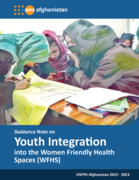
UNFPA has been implementing programming for women and girls through Women Friendly Health Spaces (WFHSs), which provide access to critical services, information and support. The WFHS is providing: psychosocial counseling services; awareness raising sessions on PSS in the community; and life skills &
...
vocational training opportunities. The WFHS also facilitates referral to other services including Psychosocial Counseling Centers (PSCCs).
The aim of this guidance note is to provide an overview of approaches on how to successfully integrate adolescent and youth (A&Y) programming into the WFHSs. UNFPA activities for women’s and girl’s protection in health facilities aim to protect women and girls including child marriage. Given that vulnerable women and girls in Afghanistan continue to access health facilities, particularly for reproductive health and maternal health services, it is crucial to provide support for survivors in the same location to improve access to essential psychosocial and protection support for women and girls. To support the integration of A&Y in the WFHS programming each WFHS will be supported by two full time Youth Educators. A female Youth Educator who will be working within the WFHS and a male Youth Educator who will be working in the community. The role of the Youth educators is to increase A&Y awareness and knowledge on living healthy lifestyles and ensuring a referral system to services in existing facilities.
more

As the Americas undergo profound demographic change and there are more persons aged 65 years or older than children younger than 5 years, it is crucial to recognize that national immunization programs must be redesigned to ensure comprehensive protection for individuals across the lifespan. By adopt
...
ing a life course approach (LCA) to immunization, vaccination programs can be tailored to close immunity gaps at different stages of life. The life course approach foresees the establishment of multiple strategies to reduce missed opportunities for vaccination according to age group. This technical document explains the key concepts of the LCA with a focus on immunization by vaccination, as well as the underlying biological mechanisms that require the application different vaccines at different life stages according to changes to the immune system and in the epidemiological situation of a community.
more