
Filter
1531
Text search:
author
Featured
82
305
Language
1471
32
16
13
5
5
4
3
2
1
1
1
1
1
1
1
1
Document type
868
458
86
51
24
15
14
7
5
1
1
1
Countries
79
54
50
44
33
32
31
31
29
28
25
24
21
21
21
20
20
19
19
19
18
17
17
14
13
13
12
12
11
11
10
10
10
10
10
9
8
8
7
7
7
6
6
6
5
5
5
4
4
3
3
3
3
3
3
3
3
3
3
3
2
2
2
2
2
2
2
2
2
2
1
1
1
1
1
1
1
1
1
1
1
1
1
1
1
1
1
1
1
1
1
1
1
1
1
1
1
1
1
1
1
1
Authors & Publishers
91
68
37
33
29
21
19
19
16
14
14
12
12
10
10
10
9
9
9
8
7
6
6
6
5
5
5
5
5
5
4
4
4
4
4
4
4
4
4
4
4
4
4
4
4
4
3
3
3
3
3
3
3
3
3
3
3
3
3
3
3
3
3
3
3
3
3
3
3
3
3
3
3
3
3
3
3
3
3
3
2
2
2
2
2
2
2
2
2
2
2
2
2
2
2
2
2
2
2
2
2
2
2
2
2
2
2
2
2
2
2
2
2
2
2
2
2
2
2
2
2
2
2
2
2
2
2
2
2
2
2
2
2
2
2
2
2
2
2
2
2
2
2
2
2
2
2
2
2
2
2
2
2
2
2
2
2
2
2
2
2
2
2
2
2
2
2
2
2
2
2
2
2
2
1
1
1
1
1
1
1
1
1
1
1
1
1
1
1
1
1
1
1
1
1
1
1
1
1
1
1
1
1
1
1
1
1
1
1
1
1
1
1
1
1
1
1
1
1
1
1
1
1
1
1
1
1
1
1
1
1
1
1
1
1
1
1
1
1
1
1
1
1
1
1
1
1
1
1
1
1
1
1
1
1
1
1
1
1
1
1
1
1
1
1
1
1
1
1
1
1
1
1
1
1
1
1
1
1
1
1
1
1
1
1
1
1
1
1
1
1
1
1
1
1
1
1
1
1
1
1
1
1
1
1
1
1
1
1
1
1
1
1
1
1
1
1
1
1
1
1
1
1
1
1
1
1
1
1
1
1
1
1
1
1
1
1
1
1
1
1
1
1
1
1
1
1
1
1
1
1
1
1
1
1
1
1
1
1
1
1
1
1
1
1
1
1
1
1
1
1
1
1
1
1
1
1
1
1
1
1
1
1
1
1
1
1
1
1
1
1
1
1
1
1
1
1
1
1
1
1
1
1
1
1
1
1
1
1
1
1
1
1
1
1
1
1
1
1
1
1
1
1
1
1
1
1
1
1
1
1
1
1
1
1
1
1
1
1
1
1
1
1
1
1
1
1
1
1
1
1
1
1
1
1
1
1
1
1
1
1
1
1
1
1
1
1
1
1
1
1
1
1
1
1
1
1
1
1
1
1
1
1
1
1
1
1
1
1
1
1
1
1
1
1
1
1
1
1
1
1
1
1
1
1
1
1
1
1
1
1
1
1
1
1
1
1
1
1
1
1
1
1
1
1
1
1
1
1
1
1
1
1
1
1
1
1
1
1
1
1
1
1
1
1
1
1
1
1
1
1
1
1
1
1
1
1
1
1
1
1
1
1
1
1
1
1
1
1
1
1
1
1
1
1
1
1
1
1
1
1
1
1
1
1
1
1
1
1
1
1
1
1
1
1
1
1
1
1
1
1
1
1
1
1
1
1
1
1
1
1
1
1
1
1
1
1
1
1
1
1
1
1
1
1
1
1
1
1
1
1
1
1
1
1
1
1
1
1
1
1
1
1
1
1
1
1
1
1
1
1
1
1
1
1
1
1
1
1
1
1
1
1
1
1
1
1
1
1
1
1
1
1
1
1
1
1
1
1
1
1
1
1
1
1
1
1
1
1
1
1
1
1
1
1
1
1
1
1
1
1
1
1
1
1
1
1
1
1
1
1
1
1
1
1
1
1
1
1
1
1
1
1
1
1
1
1
1
1
1
1
1
1
1
1
1
1
1
1
1
1
1
1
1
1
1
1
1
1
1
1
1
1
1
1
1
1
1
1
1
1
1
1
1
1
1
1
1
1
1
1
1
1
1
1
1
1
1
1
1
1
1
1
1
1
1
1
1
1
1
1
1
1
1
1
1
1
1
1
1
1
1
1
1
1
1
1
1
1
1
1
1
1
1
1
1
1
1
1
1
1
1
1
1
1
1
1
1
1
1
1
1
1
1
1
1
1
1
1
1
1
1
1
1
1
1
1
1
1
1
1
1
1
1
1
1
1
1
1
1
1
1
1
1
1
1
1
1
1
1
1
1
1
1
1
1
1
1
1
1
1
1
1
1
1
1
1
1
1
1
1
1
1
1
1
1
1
1
1
1
1
1
1
1
1
1
1
1
1
1
1
1
1
1
1
1
1
1
1
1
1
1
1
1
1
1
1
1
1
1
1
1
1
1
1
1
1
1
1
1
1
1
1
1
1
1
1
1
1
1
1
1
1
1
1
1
1
1
1
1
1
1
1
1
1
1
1
1
1
1
1
1
1
1
1
1
1
1
1
1
1
1
1
1
1
1
1
1
1
1
1
1
1
1
1
1
1
1
1
1
1
1
1
1
1
1
1
1
1
1
1
1
1
1
1
1
1
1
1
1
1
1
1
1
1
1
1
1
1
1
1
1
1
1
1
1
1
1
1
1
1
1
1
1
1
1
1
1
1
1
1
1
1
1
1
1
1
1
1
1
1
1
1
1
1
1
1
1
1
1
1
1
1
1
1
1
1
1
1
1
1
1
1
1
1
1
1
1
1
1
1
1
1
1
1
1
1
1
1
1
1
1
1
1
1
1
1
1
1
1
1
1
1
1
1
1
1
1
1
1
1
1
1
1
1
1
1
1
1
1
1
1
1
1
1
1
1
1
1
1
1
1
1
1
1
1
1
1
1
1
1
1
1
1
1
1
1
1
1
1
1
1
1
1
1
1
1
1
1
1
1
1
1
1
1
1
1
1
1
1
1
1
1
1
1
1
1
1
1
1
1
1
1
1
1
1
1
1
1
1
1
1
1
1
1
1
1
1
1
1
1
1
1
1
1
1
1
1
1
1
1
1
1
1
1
1
1
1
1
1
1
1
1
1
1
1
1
1
1
1
1
1
1
1
1
1
1
1
1
1
1
1
1
1
1
1
1
1
1
1
1
1
1
1
1
1
1
1
1
1
1
1
1
1
1
1
1
1
1
1
1
1
1
1
1
1
1
1
1
1
1
1
1
1
1
1
1
1
1
1
1
1
1
1
1
1
1
1
1
1
1
1
1
1
1
1
1
1
1
1
1
1
1
1
1
1
1
1
1
1
1
1
1
1
1
1
1
1
1
1
1
1
1
1
1
1
1
1
1
1
1
1
1
1
1
1
1
1
1
1
1
1
1
1
1
1
1
1
1
1
1
1
1
1
1
1
1
1
1
1
1
1
1
1
1
1
1
1
1
1
1
1
1
1
1
1
1
1
1
1
1
1
1
1
1
1
1
1
1
1
1
1
1
1
1
1
1
1
1
1
1
1
1
1
1
1
1
1
1
1
1
1
1
1
1
1
1
1
1
1
1
1
1
1
1
1
1
1
1
1
1
1
1
1
1
1
1
1
1
1
1
1
1
1
1
1
1
1
1
1
1
1
1
1
1
1
1
1
1
1
1
1
1
1
1
1
1
1
1
1
1
1
1
1
1
1
1
1
1
1
1
1
1
1
1
1
1
1
1
1
1
1
1
1
1
1
1
1
1
1
1
1
1
1
1
1
1
1
1
1
1
1
1
1
1
1
1
1
1
1
1
1
1
1
1
1
1
1
1
1
1
1
1
1
1
1
1
1
1
1
1
1
1
1
1
1
1
1
1
1
1
1
1
1
1
1
1
1
1
1
1
1
1
1
1
1
1
1
1
1
1
1
1
1
1
1
1
1
1
1
1
1
1
1
1
1
1
1
1
1
1
1
1
1
1
1
1
1
1
1
1
1
1
1
1
1
1
1
1
1
1
1
1
1
1
1
1
1
1
1
1
1
1
1
1
1
1
1
1
1
1
1
1
1
1
1
1
1
1
1
1
1
1
1
1
1
1
1
1
1
1
1
1
1
1
1
1
1
1
1
1
1
1
1
1
1
1
1
1
1
1
1
1
1
1
1
1
1
1
1
1
1
1
1
1
1
1
1
1
1
1
1
1
1
1
1
1
1
1
1
1
1
1
1
1
1
1
1
1
1
1
1
1
1
1
1
1
1
1
1
1
1
1
1
1
1
1
1
1
1
1
1
1
1
1
1
1
1
1
1
1
1
1
1
1
1
1
1
1
1
1
1
1
1
1
1
1
1
1
1
1
1
1
1
1
1
1
1
1
1
1
1
1
1
1
1
1
1
1
1
1
1
1
1
1
1
1
1
1
1
1
1
1
1
1
1
1
1
1
1
1
1
1
1
1
1
1
1
1
1
1
1
1
1
1
1
1
1
1
1
1
1
1
1
1
1
1
1
1
1
1
1
1
1
1
1
1
1
1
1
1
1
1
1
1
1
1
1
1
1
1
1
1
1
1
1
1
1
1
1
1
1
1
1
1
1
1
1
1
1
1
1
1
1
1
1
1
1
1
1
1
1
1
1
1
1
1
1
1
1
1
1
1
1
1
1
1
1
1
1
1
1
1
1
1
1
1
1
1
1
1
1
1
1
1
1
1
1
1
1
1
1
1
1
1
1
1
1
1
1
1
1
1
1
1
1
1
1
1
1
1
1
1
1
1
1
1
1
1
1
1
1
1
1
1
1
1
1
1
1
1
1
1
1
1
1
1
1
1
1
1
1
1
1
1
1
1
1
1
1
1
1
1
1
1
1
1
1
1
1
1
1
1
1
1
1
1
1
1
1
1
1
1
1
1
1
1
1
1
1
1
1
1
1
1
1
1
1
1
1
1
1
1
1
1
1
1
1
1
1
1
1
1
1
1
1
1
1
1
1
1
1
1
1
1
1
1
1
1
1
1
1
1
1
1
1
1
1
1
1
1
1
1
1
1
1
1
1
1
1
1
1
1
1
1
1
1
1
1
1
1
1
1
1
1
1
1
1
1
1
1
1
1
1
1
1
1
1
1
1
1
1
1
1
1
1
1
1
1
1
1
1
1
1
1
1
1
1
1
1
1
1
1
1
1
1
1
1
1
1
1
1
1
1
1
1
1
1
1
1
1
1
1
1
1
1
1
1
1
1
1
1
1
1
1
1
1
1
1
1
1
1
1
1
1
1
1
1
1
1
1
1
1
1
1
1
1
1
1
1
1
1
1
1
1
1
1
1
1
1
1
1
1
1
1
1
1
1
1
1
1
1
1
1
1
1
1
1
1
1
1
1
1
1
1
1
1
1
1
1
1
1
1
1
1
1
1
1
1
1
1
1
1
1
1
1
1
1
1
Publication Years
346
1065
114
5
1
Category
513
106
89
65
62
21
14
Toolboxes
190
105
84
83
74
67
62
54
53
40
32
32
30
30
27
24
20
15
15
13
13
10
7
6
6
1
Health Systems for Outcomes Publication | Using qualitative data from Rwanda, this study focuses on four institutional factors that affect health worker performance and career choice: incentives, monitoring arrangements, professional norms and health workers’ intrinsic motivation. It also provides
...
illustrations of three institutional innovations that work, at least in the context of Rwanda: performance pay, the establishment of community health workers and increased attention to the training of health workers.
more

CBR Workers’ Training Needs for People with Communication Disability
Yeap, C.E., Ibrahim, H., Van Dort, S., et al.
Disability, CBR & Inclusive Development Journal (DCIDJ)
(2016)
CC
This study, although not generalizable, builds up the literature on worker training needs in developing countries, and would be of benefit for speech-language pathologists and worker trainers. This paper aimed to investigate the training needs of Malaysian workers in relation to people with communic
...
ation disability. The primary aim was to investigate common self-perceived training needs in relation to communication disability and to find how important these needs are to workers. A secondary aim was to explore the relationship between selected worker variables and training needs.
more

Delivering quality health services: A global imperative for universal health coverage
Kieny, Marie-Paule; Evans, Timothy Grant; Scarpetta, Stefano; Kelley, Edward T.; Klazinga, Niek; Forde, Ian; Veillard, Jeremy Henri Maurice; Leatherman, Sheila; Syed, Shamsuzzoha; Kim, Sun Mean; Nejad, Sepideh Bagheri; Donaldson, Liam
World Health Organization (WHO), Organisation for Economic Co-operation and Development (OECD), and The World Bank
(2018)
C_WHO
Poor quality health services are holding back progress on improving health in countries at all income levels.
Today, inaccurate diagnosis, medication errors, inappropriate or unnecessary treatment, inadequate or unsafe clinical facilities or practices, or providers who lack adequate training an ... d expertise prevail in all countries.
The situation is worst in low and middle-income countries where 10 percent of hospitalized patients can expect to acquire an infection during their stay, as compared to seven percent in high income countries. This is despite hospital acquired infections being easily avoided through better hygiene, improved infection control practices and appropriate use of antimicrobials.. At the same time, one in ten patients is harmed during medical treatment in high income countries. more
Today, inaccurate diagnosis, medication errors, inappropriate or unnecessary treatment, inadequate or unsafe clinical facilities or practices, or providers who lack adequate training an ... d expertise prevail in all countries.
The situation is worst in low and middle-income countries where 10 percent of hospitalized patients can expect to acquire an infection during their stay, as compared to seven percent in high income countries. This is despite hospital acquired infections being easily avoided through better hygiene, improved infection control practices and appropriate use of antimicrobials.. At the same time, one in ten patients is harmed during medical treatment in high income countries. more
Nationally, Senegal met the MDG target for water supply access. It did this by engaging the public and private sectors to effectively invest and report on investments. It focused on larger population centers, less on remote regions of the country. Its achievements set the stage for more equitable an
...
d widespread service provision as the country now works to achieve the SDGs, requiring sustainable management of universal access. This case study documents the progression of the sector between 1990 and 2015, and analyzes the impact of local systems created in Senegal to respond to the water and sanitation challenge.
more
USAID/Afghanistan’s $443 million investment in the Afghan Sustainable Water Supply and Sanitation (SWSS) activity is one of the Agency’s largest single investments in sustainable rural water supply delivery. The project installed about 2,123 wells with hand pumps across Afghanistan from 2009–2
...
012. This report presents findings from a retrospective evaluation of a random selection of wells with hand pumps installed under the SWSS project.
This evaluation’s key purpose is to identify factors that support and hinder sustainable water service delivery in different contexts. more
This evaluation’s key purpose is to identify factors that support and hinder sustainable water service delivery in different contexts. more

Afr J Tradit Complement Altern Med. (2016) 13(4):123-131
Out of 400 questionnaires distributed to the participants, 389 were returned with data acceptable for analysis. Ages of the participants ranged from 18 to 75 years (Mean=43 + 11.6). Out of the 272 (69.9%) participants who conceded that th ... ey had used medicinal herbs at least once, 30 (7.7%) participants used medicinal herbs frequently while 242 (62.2 %) rarely used the herbs. At least 20 plant species belonging to 16 families were reportedly used by the participants. Asteraceae was the most common plant family reportedly used by the participants. Allium sativum and Dicoma anomala, reportedly used by 21.0% and 14.3% respectively, were the most commonly used medicinal herbs in this population. In addition, boosting the immune system and treating gastrointestinal ailments, apparently cited by 32% and 28% participants respectively, were the most commonly reported reasons for using medicinal herbs.
http://dx.doi.org/10.21010/ajtcam.v13i4.17 more
Out of 400 questionnaires distributed to the participants, 389 were returned with data acceptable for analysis. Ages of the participants ranged from 18 to 75 years (Mean=43 + 11.6). Out of the 272 (69.9%) participants who conceded that th ... ey had used medicinal herbs at least once, 30 (7.7%) participants used medicinal herbs frequently while 242 (62.2 %) rarely used the herbs. At least 20 plant species belonging to 16 families were reportedly used by the participants. Asteraceae was the most common plant family reportedly used by the participants. Allium sativum and Dicoma anomala, reportedly used by 21.0% and 14.3% respectively, were the most commonly used medicinal herbs in this population. In addition, boosting the immune system and treating gastrointestinal ailments, apparently cited by 32% and 28% participants respectively, were the most commonly reported reasons for using medicinal herbs.
http://dx.doi.org/10.21010/ajtcam.v13i4.17 more
Afr J Tradit Complement Altern Med. (2013) 10(5):210-229
Plants are important sources of medicines. Herbal medicines in Lesotho are exposed to excessive exploitation and habitat destruction. Comprehensive information to promote proper use and conservation of these herbal medicines is lacking. ... This study described the uses of medicinal plants in Lesotho with comparative reference between practice and the literature, highlighting important ethno-medicinal information and conservation status of the plants. Additionally, the study established a repository and monograph for the herbal medicines in Lesotho.
http://dx.doi.org/10.4314/ajtcam.v13i1.20 more
Plants are important sources of medicines. Herbal medicines in Lesotho are exposed to excessive exploitation and habitat destruction. Comprehensive information to promote proper use and conservation of these herbal medicines is lacking. ... This study described the uses of medicinal plants in Lesotho with comparative reference between practice and the literature, highlighting important ethno-medicinal information and conservation status of the plants. Additionally, the study established a repository and monograph for the herbal medicines in Lesotho.
http://dx.doi.org/10.4314/ajtcam.v13i1.20 more
This study aimed to understand the patterns of HIV drug resistance in pregnant women in Mozambique. This might help in tailoring optimal regimens for prevention of mother to child transmission of HIV (pMTCT) and antenatal care.
DHS Working Paper No. 136
A total of 1,222 children age 6-23 months were included in this analysis. Twenty percent of children were stunted and 43% were moderately anemic. Regarding IYCF practices, only 16% of children received a minimum acceptable diet, 25% received diverse food groups, 58% were ... fed with minimum meal frequency, 85% currently breastfed, and 59% consumed iron-rich foods. Breastfeeding reduced the odds of being stunted. By background characteristics, male sex, perceived small birth size, children of short stature, and children of working mother were significant predictors of stunting. Iron-rich food consumption was inversely associated with moderate anemia. Among covariates, male sex and maternal anemia were also significant predictors of moderate anemia among children age 6-23 months.
The study concluded that stunting and anemia among young children in Myanmar are major public health challenges that need urgent action. more
A total of 1,222 children age 6-23 months were included in this analysis. Twenty percent of children were stunted and 43% were moderately anemic. Regarding IYCF practices, only 16% of children received a minimum acceptable diet, 25% received diverse food groups, 58% were ... fed with minimum meal frequency, 85% currently breastfed, and 59% consumed iron-rich foods. Breastfeeding reduced the odds of being stunted. By background characteristics, male sex, perceived small birth size, children of short stature, and children of working mother were significant predictors of stunting. Iron-rich food consumption was inversely associated with moderate anemia. Among covariates, male sex and maternal anemia were also significant predictors of moderate anemia among children age 6-23 months.
The study concluded that stunting and anemia among young children in Myanmar are major public health challenges that need urgent action. more
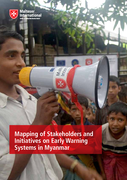
This study aims to analyze national and international stakeholders and their initiatives in Early Warning Systems in Myanmar, to identify priority gaps that need to be addressed by all stakeholders. It is presented as a first step towards supporting GoUM in information-gathering under the Myanmar Ac
...
tion Plan for Disaster Risk Reduction (MAPDRR), in particular under Components (2) Risk Assessment, (3) Multi-hazard Early Warning System and (4) Preparedness at all levels, and especially in implementing Sub-Component (3.4) Enhanced Flood Monitoring and Forecasting Capacities at Township Levels.
more
more
PLoS ONE 13(8): e0202499. https://doi.org/10.1371/journal.pone.0202499
This was a school-based cross-sectional study conducted in 2015 among 305 school children aged 7–16 years from two primary schools located in Ilemela and Magu Districts, north-western Tanzania. Single stool and urine samples w
...
ere collected from each participant and examined for the presence of Schistosoma mansoni eggs, parasite antigen, and parasite DNA using KK thick smears, POC-CCA tests, and real-time PCR, respectively.
more
S Afr Med J 2018;108(7):546-550. DOI:10.7196/SAMJ.2018.v108i7.13149
Antimicrobial stewardship programmes have been introduced worldwide in response to the rise in antimicrobial resistance. The World Health Organization has mandated each Member State to produce a plan to address this problem. We rep
...
ort on the organic development of an antibiotic stewardship programme in a rural regional hospital in a resource-limited setting in South Africa. This has resulted in organisational change with increased awareness, participation, monitoring and education in antibiotic stewardship throughout the hospital
more
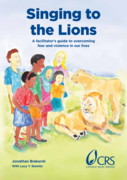
Singing to the Lions is a free training package (facilitator’s guide, supplement and video) by CRS, that is designed to help children and youth lessen the impact of violence and abuse in their lives. The main component is a three-day workshop where participants learn skills that can help them tran
...
sform their lives and no longer feel dominated by fear. Although the workshop is aimed at young people and includes games, art and songs, it can also be used to help adults take action on aspects of their lives that cause fear and, in so doing, become better parents and caregivers.
Singing to the Lions is available in English, French and Spanish, with Arabic and Hindi in process. See the links below. It can be easily adapted to different cultures, with different pictures and metaphors (e.g., “Singing to the Wolves” in Arabic; “Charming the Snakes” in Hindi.)
more
Singing to the Lions is a free training package (facilitator’s guide, supplement and video) by CRS, that is designed to help children and youth lessen the impact of violence and abuse in their lives. The main component is a three-day workshop where participants learn skills that can help them tran
...
sform their lives and no longer feel dominated by fear. Although the workshop is aimed at young people and includes games, art and songs, it can also be used to help adults take action on aspects of their lives that cause fear and, in so doing, become better parents and caregivers.
more

Public health Panoram, Vol.2 Issue 1 March 2016

Disability Data Collection in Community-based Rehabilitation
Sunil Deepak, Franesca Ortali, Geraldine Mason Halls, Tulgamaa Damdinsuren, Enhbuyant Lhagvajav, Steven Msowoya, Malek Qutteina, Jayanth Kumar
Disability, CBR & Inclusive Development Journal (DCIDJ)
(2016)
CC
Today there are Community-based Rehabilitation (CBR) programmes in a large number of countries. In many countries, the CBR approach is a part of the national rehabilitation services. However, there is a lack of reliable data about persons with disabilities who benefit from CBR and the kind of benefi
...
ts they receive. This article reviews the disability data collection systems and presents some case studies to understand the influence of operational factors on data collection in the CBR programmes. The review shows that most CBR programmes use a variable number of broad functional categories to collect information about persons with disabilities, combined occasionally with more specific diagnostic categories. This categorisation is influenced by local contexts and operational factors, including the limitations of human and material resources available for its implementation, making it difficult to have comparable CBR data. Therefore, any strategies to strengthen the data collection in CBR programmes must take these operational factors into account.
more

Living Conditions among People with Activity Limitations in Zambia: A National Representative Study.
This research report provides results from the study on living conditions among people with disabilities in Zambia. Comparisons are made between individuals with and without disabilities and also between households with and without a disabled family member. Results obtained in Zambia are also compar
...
ed to those obtained in earlier studies carried out in Namibia, Zimbabwe and Malawi. The Zambian study was undertaken in 2005-2006.
more
Living Conditions among People with Activity Limitations in Malawi. A National Representative Study.
This research report provides results from the study on living conditions
among people with disabilities in Malawi. Comparisons are made between
individuals with and without disabilities and also between households with and without a disabled family member. Results obtained in Malawi are also comp
...
ared those obtained in earlier studies carried out in Namibia and Zimbabwe. The Malawian study was undertaken in 2003.
more

Attitudes of Parents towards Behavioural Management of Children with Intellectual Disability
Amina Mushtaq, Attiya Inam, Muhammad Abiodullah
Disability, CBR & Inclusive Development Journal (DCIDJ)
(2015)
CC
The study was designed to understand the attitudes of parents of children with intellectual disabilities, with regard to the management of problematic behaviour of their children, and to identify whether the mothers or the fathers had more positive attitudes.

Availability and Accessibility of Treatment for Persons with Mental Illness Through a Community Mental Health Programme
Dr. Janardhan N Navaneetham, Shravya Raghunandan, D M Naidu, H Hampanna
Disability, CBR & Inclusive Development Journal (DCIDJ)
(2011)
CC
This article describes experiences in implementing a community mental health and development project in a rural district in southern India, including the position of persons with mental illness when the project was initiated, the challenges faced and the strategies that were developed to overcome th
...
ese challenges. The authors conclude that when services are locally available, persons with mental illness can be treated and rehabilitated within their own community. They can live with dignity and their rights are respected. There is a great need for inclusion of persons with mental illness in the existing developmental activities and in disabled persons’ organisations.
more
