
Filter
966
Text search:
Haïti
Featured
84
309
Language
Document type
517
161
77
62
43
39
20
15
15
7
5
2
1
1
Countries
271
67
67
14
14
11
10
9
9
9
9
9
8
8
8
8
7
7
7
7
7
7
7
7
7
7
6
6
6
6
6
6
5
5
5
5
5
5
4
4
4
4
4
4
4
4
3
3
3
3
3
3
3
3
3
3
3
3
2
2
2
2
2
2
2
2
1
1
1
1
1
1
1
1
1
1
1
1
1
1
1
1
1
1
1
1
1
1
1
1
1
Authors & Publishers
Publication Years
Category
358
144
62
56
55
12
2
1
Toolboxes
85
76
62
60
44
39
39
30
27
23
22
22
21
18
18
18
15
13
11
7
5
5
4
3
3
2

An Overview of Current Evidence with Recommendations for Strengthening Community Health Worker Programs to Accelerate Progress in Achieving the Health-related Millennium Development Goals
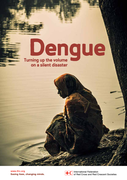
Over the past 50 years, dengue has spread from nine to over a hundred countries, making it the most rapidly spreading vector-borne disease. Yet, dengue continues to have a low profile among policy-makers and donors and does not receive the media attention it deserves. While there is no vaccine or cu
...
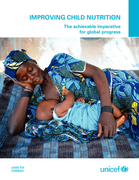
The achievable imperative for global progress

An Easy-Reference Guidebook for Healthcare Providers In Developed and Developing Countries
Desk Review and Recommendations for Private Sector Engagement
PLOS Neglected Tropical Diseases September 2014 | Volume 8 | Issue 9 | e3016 DOI: 10.1371/journal.pntd.0003016
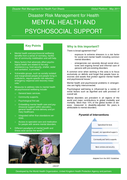
GFDRR Knowledge Notes
Safe excreta disposal is a top priority in an emergency, but one that takes time and extensive resources to implement. This Technical Briefing Note examines the use of poo bags for safe excreta containment and disposal in urban emergency settings. The Brief also explores ways of building more comple
...
This guidebook for people in school settings is intended to offer strategies for use and adaptation with children and families to re-establish routines of hygiene with basic access to water and sanitation services through an approach that visibly shows that the school is WASHfriendly, inclusive - so
...

Epidemiologisches Bulletin Nr.2 /2016, S.16
last updated 29 March 2016
ACAPS Briefing Note: Zika virus epidemic

Updated 6 September 2016. This guidance has been developed to provide advice on the prevention of potential sexual transmission of Zika virus. The primary transmission route of Zika virus is via the Aedes mosquito. However, sexual transmission of Zika virus may also be possible, with limited evidenc
...
